
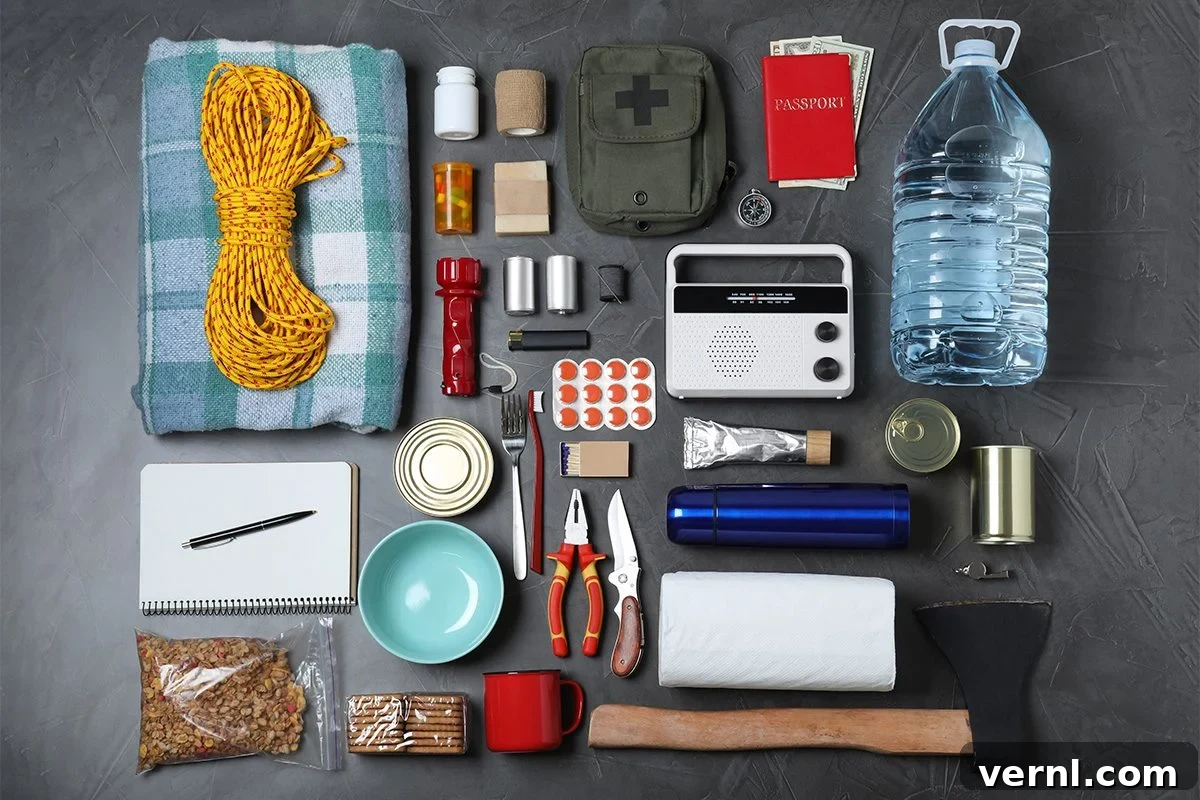
Welcome to Family Handyman‘s Ultimate Guide to Winterization, your essential resource for transforming your home and vehicle into havens of safety and warmth during the harshest months. This comprehensive guide, crafted with expert advice, is designed to empower you with the knowledge and tools to prepare effectively for the cold season. Forget the dread of frozen pipes, soaring heating bills, or the uncertainty of winter storms – with proactive planning, these challenges do not have to be an inevitable part of your winter experience.
Living in a mountainous region, I’m no stranger to the realities of winter: relentless snowstorms, the persistent threat of frozen pipes, and treacherous icy roads are simply part of life. Yet, despite this constant exposure, I’ve often questioned whether I truly possess the adequate supplies to confidently weather extended whiteouts and power outages without worry. My personal experience, it turns out, is a common one. Studies consistently reveal that while many U.S. households maintain a rudimentary collection of emergency provisions, the overall state of winter storm preparedness remains notably insufficient across the nation.
The quest for a definitive winter emergency kit checklist can often feel overwhelming. Many available resources are exhaustive, listing dozens of items that might seem excessive or, frankly, financially daunting. To cut through the clutter and pinpoint what truly matters, I consulted with two highly respected emergency preparedness experts. Their invaluable insights helped distill the absolute essentials, reinforcing the principle that intelligent preparation is about strategic readiness, not superfluous stockpiling or extravagant spending. Our goal is to equip you with the knowledge to create effective, affordable, and practical emergency kits for both your home and car.
The Crucial Importance of Winter Emergency Kits
In an era where extreme weather events are escalating in both severity and unpredictability, the significance of a well-assembled home and car winter emergency kit cannot be overstated. Beyond mere convenience, these kits offer invaluable peace of mind, transforming potential chaos into manageable situations when blizzards rage and power grids falter. Being prepared is no longer just a recommendation; it’s a vital component of modern household resilience.
Josh Shanley, an expert in emergency management, aptly describes winter storms as “cascading disasters.” He elaborates: “We’ll get an ice storm or a blizzard that knocks out the power, and one thing leads to another, and that’s where issues get complicated.” This “domino effect” means a single weather event can trigger a series of severe disruptions. You could find yourself cut off from essential services and comforts – including your usual sources of heat, fresh food, potable water, reliable communication, and safe transport – for several days, all while enduring freezing temperatures. A robust emergency kit acts as your critical buffer against these potential deprivations, ensuring your family’s safety and well-being during such isolated periods.
What Makes a Winter Emergency Kit Distinctive?
While a general emergency survival kit is a foundational component of preparedness, a winter emergency kit necessitates a specialized focus. Daniel Kilburn, another seasoned emergency preparedness expert, explains that basic emergency survival kit checklists typically address fundamental human needs: shelter, water, food, and sanitation. However, the unique and paramount focus for both home and car winter emergency kits is comprehensive protection against the severe cold. This isn’t just about comfort; it’s about safeguarding against life-threatening conditions such as hypothermia, frostbite, and other acute hazards associated with prolonged exposure to harsh winter weather. Therefore, these kits demand specific items designed to generate and retain warmth, manage icy conditions, and sustain life when external temperatures plummet.
Crafting Your Home Winter Emergency Kit
Your home winter emergency kit should be meticulously curated to include essential supplies, guaranteeing that you possess the means to stay warm and self-sufficient for a minimum of three days. The emphasis is on warmth, safety, and basic sustenance.
Warmth and Shelter Essentials
In the event of a power outage that disables your electric heating system, creating a centralized warm zone is crucial. Kilburn advises that the entire family gather in a single, interior room. “That way,” he notes, “your collective body heat helps keep the space warm naturally and efficiently.” To maximize warmth, layer clothing strategically: start with thermal underwear, add wool socks, sturdy pants, gloves, hats, and heavy coats. Furthermore, actively minimize heat loss by taping off any drafts around doors and windows. Bring mattresses, sleeping bags, and an abundance of blankets into your designated warm room to create a cozy, insulated communal sleeping area, allowing body heat to be shared and retained.
Critical Safety Warning: Never, under any circumstances, use charcoal or kerosene stoves, or operate gas or diesel generators indoors. Shanley issues a stern warning that these devices can produce lethal levels of carbon monoxide, a colorless, odorless gas, leading to severe illness or even death. Always ensure such equipment is used outdoors with proper ventilation, far away from windows and doors.
Reliable Lighting Solutions
When preparing for potential prolonged blackouts, reliable lighting is non-negotiable. Shanley suggests, “If you’re looking to get through that 72- to 96-hour blackout, a couple of LED lanterns, dependable flashlights, or versatile headlamps, each equipped with a healthy supply of spare batteries, should suffice.” LED-based lighting options are highly recommended due to their superior brightness, exceptional energy efficiency, and extended battery life, making them both affordable and safe for indoor use. It is equally important to avoid open-flame candles, as they pose a significant fire risk in emergency situations, especially when visibility is low or attention is divided.
Critical Communication Tools
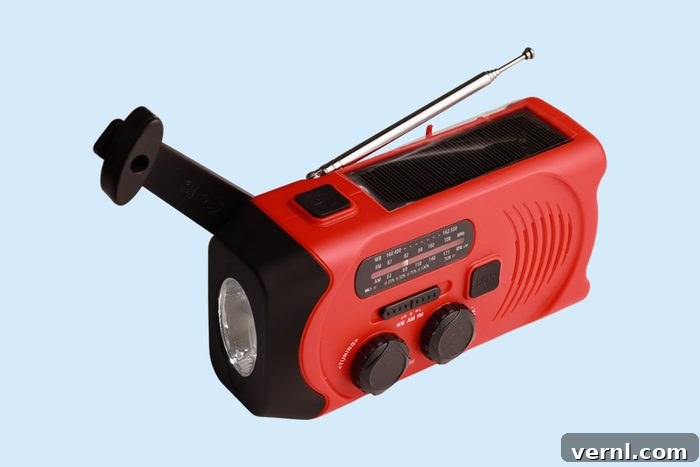
Maintaining a connection to the outside world is paramount during a winter emergency. A fully charged portable power bank is essential for keeping your mobile devices operational, allowing you to stay connected and communicate with loved ones if cellular service remains intact. However, in scenarios where communication lines are down, or mobile batteries deplete, a battery-powered or hand-cranked NOAA weather radio becomes an indispensable lifeline. These devices provide crucial, up-to-the-minute information on weather advisories, evacuation orders, and local emergency broadcasts, ensuring you remain informed even when other communication methods fail.
Non-Perishable Food Supply
While some advocate for extensive “prepper-style” pantry stockpiling, Shanley assures that such extreme measures are generally unnecessary for most winter emergencies. A practical and sufficient approach is to maintain a readily accessible three- to five-day supply of nonperishable food items. Focus on foods that require no cooking or refrigeration, or minimal preparation. Excellent choices include canned soups, robust beans, pasta (if a heat source is available), and high-calorie, energy-dense snacks such as nuts, protein bars, and jars of peanut butter. These items provide sustained energy and essential nutrients during a crisis. Remember to also account for your beloved pets by including their regular food, and as Kilburn wisely reminds us, if you typically rely on an electric can opener, ensure you have a reliable manual can opener as a backup.
Safe Drinking Water
Access to clean drinking water is fundamental for survival. Official guidelines recommend storing at least one gallon of water per person per day, which accounts for both drinking and basic sanitation needs. Remember to factor in additional water for any household pets. Shanley offers practical advice for coping during a water outage: “If you can fill a bathtub for utility water – for flushing toilets or non-drinking needs – and have a case or two of bottled water dedicated solely for drinking, that should be sufficient for a short-term emergency.” Consider also having water purification tablets or a portable filter as an extra layer of security, especially for longer durations.
Sanitation and Health Products
Maintaining a sense of cleanliness and personal hygiene is surprisingly vital for mental well-being during extended periods of being confined indoors. Kilburn emphasizes that “feeling clean helps mental well-being when you’re cooped up.” Simple items like wet wipes and ample hand sanitizer can make a significant difference in boosting morale and preventing the spread of germs. In the unfortunate event of frozen pipes, which can render your conventional plumbing unusable, he recommends implementing a practical two-bucket system, lined with heavy-duty trash bags, for the safe and hygienic disposal of both urine and solid waste. Furthermore, ensure you have at least a week’s supply of all necessary prescription medications readily available, along with a comprehensive and fully stocked first-aid kit capable of addressing minor injuries and common ailments.
Equipping Your Car Winter Emergency Kit
While the safest course of action is always to avoid driving in a snowstorm, unforeseen circumstances can lead to becoming stranded. A well-prepared car winter emergency kit is your essential safeguard, helping you and your passengers stay warm, visible, and safe until help arrives. Shanley offers encouraging news: “The good news is that car kits are generally simpler and more affordable to assemble than comprehensive home setups,” making them an accessible and crucial investment for any winter driver.
Essential Lighting for Your Vehicle
Shanley identifies a small, bright flashlight as the single most important item for your car’s emergency kit. “Keep one in the glove compartment and make it a habit to check its batteries regularly,” he advises. A reliable flashlight is indispensable for inspecting your vehicle, signaling for help, or navigating in the dark outside your car.
High-Visibility Safety Items
If you find yourself stranded, the primary recommendation is always to remain inside your vehicle and contact emergency services. However, if circumstances compel you to exit the car, visibility becomes paramount. Shanley stresses that a high-visibility vest is an absolute must-have, making you easily seen by rescue personnel or other drivers, especially in low light or adverse weather conditions. Kilburn further suggests using a bright red flag attached to your driver’s side mirror or deploying sturdy emergency warning triangles for static visibility. He cautions against using your vehicle’s blinkers during whiteouts, as their flashing nature can ironically attract other drivers and potentially cause dangerous collisions.
The Crucial “Go Kit” for Personal Warmth
Prepare a compact “go kit” bag specifically for personal warmth and mobility. This bag should contain comfortable, sturdy shoes, a warm fleece-lined jacket, durable gloves, and, most importantly, a thick, warm hat. Kilburn highlights the significance of a hat, explaining, “Forty percent of your body heat can escape through your head.” Additionally, he strongly recommends keeping an emergency bivvy bag or a substantial set of blankets in your trunk. In extreme cold, you and your passengers can huddle inside or under these items to efficiently share and retain precious body heat, significantly reducing the risk of hypothermia.
Reliable Battery Power for Your Vehicle
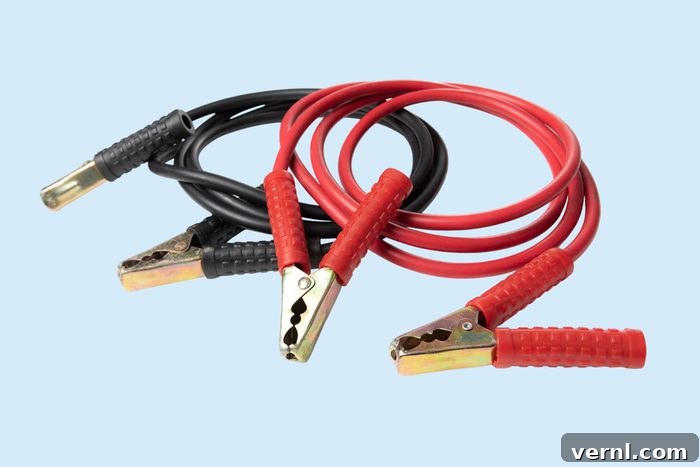
A dead car battery is a common winter woe. “Always have a set of jumper cables or, even better, a powerful portable battery-powered jump starter,” advises Shanley. A portable jump starter offers the advantage of not requiring another vehicle, making it an invaluable tool when stranded alone. He also strongly recommends taking the time to learn how to use jumper cables correctly and safely, and to maintain them properly, well before you find yourself in the stressful situation of a freezing parking lot at night.
Life-Saving Glass Breaker and Seatbelt Cutter
Both Shanley and Kilburn enthusiastically endorse including an inexpensive yet potentially life-saving rescue tool in your car kit. “It’s a spring-loaded window breaker designed for rapid escape,” Kilburn explains. “It’s especially crucial if your vehicle skids off a bridge into water and is rapidly sinking, offering a quick way to free yourself and passengers.” This dual-purpose tool often includes a seat belt cutter, invaluable if a seat belt becomes jammed after an impact, preventing immediate escape.
Additional Essential Car Items
Beyond the core components, several other items will significantly enhance your safety and preparedness on winter roads:
- A robust ice scraper and a sturdy snow brush are indispensable for maintaining clear visibility.
- Ensure your vehicle has temperature-appropriate windscreen washer fluid that won’t freeze in cold conditions.
- Pack a supply of nonperishable, high-energy snacks like nuts, dried fruit, and beef jerky to sustain you if stranded.
- Carry a bag of sand or kitty litter, along with a small shovel, to provide essential traction if your tires lose grip in snow or ice.
Proactive Home Winterization Beyond the Kit
While emergency kits are crucial for managing unforeseen events, comprehensive winterization extends to preparing your home itself to withstand the cold. This proactive approach can prevent many common winter emergencies:
- Insulation Check: Inspect and upgrade attic and wall insulation to prevent heat loss, keeping your home warmer and reducing energy bills.
- Seal Leaks: Caulk and weatherstrip around windows and doors to eliminate drafts, a major source of heat escape.
- Pipe Protection: Insulate exposed pipes in unheated areas like basements, crawl spaces, and exterior walls to prevent freezing and bursting. Know how to shut off your main water valve in case a pipe does burst.
- Furnace Maintenance: Schedule a professional furnace inspection and change filters regularly to ensure efficient and safe operation throughout winter.
- Chimney Sweeping: If you have a fireplace or wood stove, ensure the chimney is cleaned and inspected annually to prevent creosote buildup and fire hazards.
- Gutter Cleaning: Clear gutters of leaves and debris to prevent ice dams, which can cause significant damage to roofs and walls.
By combining a robust emergency kit with proactive home maintenance, you create a layered defense against winter’s challenges, ensuring both safety and comfort for your household.
Meet Our Emergency Preparedness Experts
This guide was made possible by the invaluable insights of leading professionals in emergency management:
- Daniel Kilburn: The owner of Emergency Action Planning, Daniel is a distinguished urban disaster planning expert with an impressive career spanning over 30 years in the field.
- Josh Shanley: An esteemed Emergency Management Professor at Purdue Global, Josh brings over three decades of hands-on experience in emergency services, offering practical and tactical expertise.
Sources and Further Reading
For those seeking more in-depth information on disaster preparedness and related studies, we reference the following:
-
JAMA Network: “Association of US Households’ Disaster Preparedness With Socioeconomic Characteristics, Composition, and Region” (Published 2020) – This study provides valuable statistical context on the state of disaster preparedness across American households.
By integrating expert advice with practical, actionable steps, this guide aims to empower you to face winter with confidence, knowing you are prepared for whatever the season may bring.
[cf]skyword_tracking_tag[/cf]