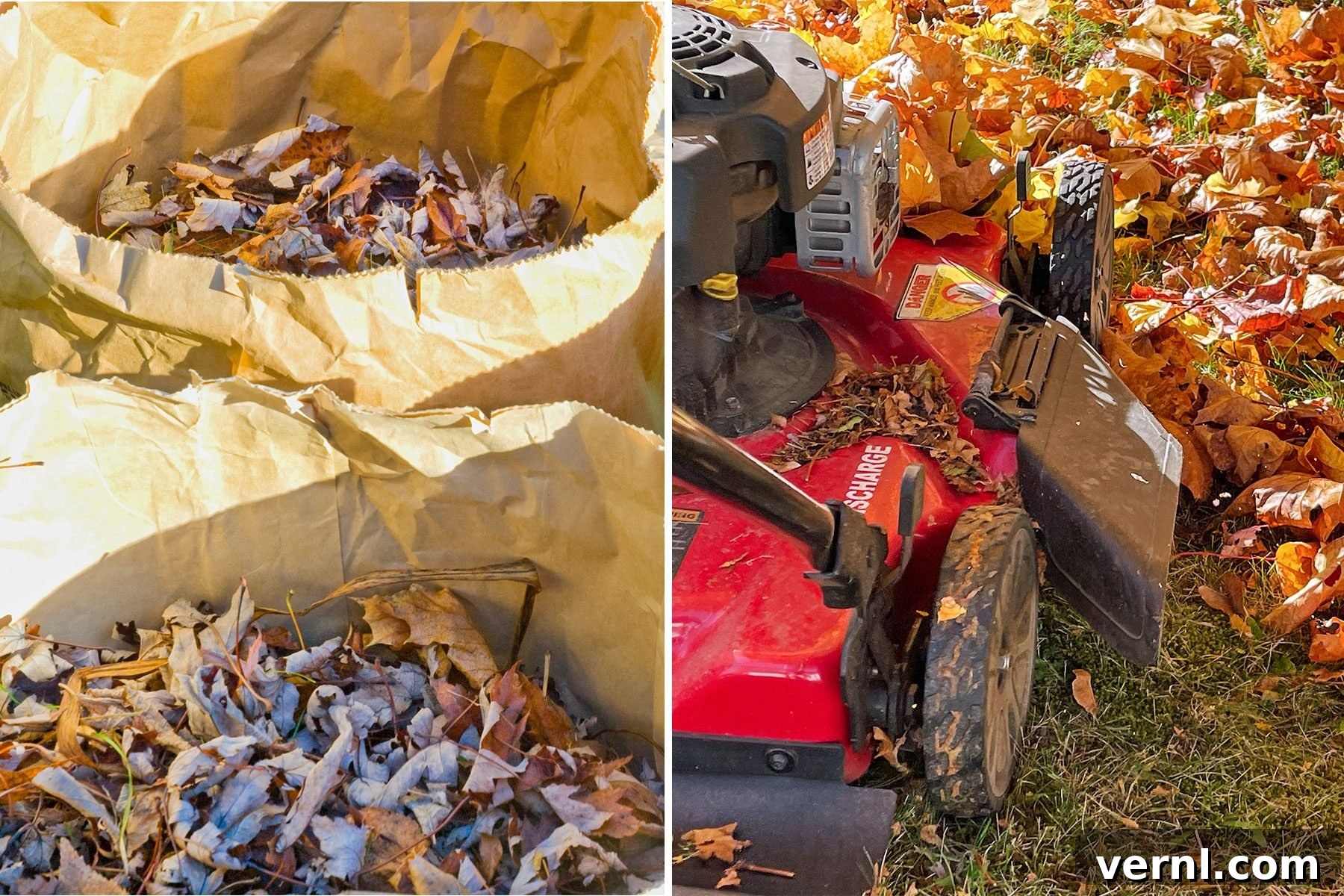
Autumn has arrived, bringing with it the breathtaking spectacle of changing foliage and the inevitable task of fall leaf cleanup. For many homeowners, especially those in leaf-heavy regions like New England, this can mean dedicating numerous weekends to the arduous cycle of raking, piling, and bagging leaves. This year, you might be considering an alternative: mulching leaves with your lawn tractor. Both bagging and mulching offer distinct advantages and disadvantages, each profoundly impacting your lawn’s health and the environment in different ways. To help you navigate this seasonal dilemma, we’ll delve into the benefits and drawbacks of each method, providing comprehensive insights and expert advice from Jeremy Martin of Willow Gates Landscaping.
Choosing the right strategy for leaf disposal isn’t just about tidiness; it’s about nurturing your lawn, saving time and effort, and making environmentally conscious decisions. Let’s explore which approach might be the perfect fit for your yard and lifestyle.
Understanding Leaf Mulching: What It Is and Why It Matters
At its core, mulching leaves involves breaking them down into small pieces. This process serves a dual purpose: significantly reducing their volume and accelerating their natural decomposition. Mulched leaves are typically left on the lawn to return vital nutrients to the soil, but they can also be collected and used as a rich organic amendment for garden beds or compost piles.
Beyond simple disposal, mulching transforms fallen leaves from a chore into a valuable resource. It mimics nature’s own recycling process, where forest floors thrive on the continuous breakdown of organic matter. By incorporating mulched leaves back into your lawn, you contribute to a healthier ecosystem right in your backyard, enhancing soil structure, microbial activity, and overall turf vitality.
Practical Methods for Mulching Leaves
Mulching leaves is a straightforward process that can be accomplished with readily available tools. The key is to shred the leaves finely enough so they can easily decompose and integrate into your lawn or garden. Here are the most common and effective ways to mulch leaves:
Utilizing Your Lawn Mower
Your existing lawn mower can be an incredibly effective tool for mulching leaves, especially for light to moderate leaf coverage. With the bagging attachment removed, simply mow over the leaves as you would during a regular lawn cutting. The mower blades will efficiently shred the leaves into fine particles, distributing them evenly across your lawn. This method works exceptionally well for layers of leaves that don’t exceed the height of your mower deck. For optimal results, consider these tips:
- Regular Passes: Instead of waiting for a heavy accumulation, mulch regularly as leaves fall. This prevents thick layers that can overwhelm your mower blades and lead to stalling or inefficient shredding.
- Sharp Blades: Ensure your mower blades are sharp. Dull blades tear leaves rather than shredding them finely, which hinders decomposition and can leave larger, less desirable leaf fragments on your lawn.
- Adjust Mower Height: Set your mower deck to a slightly higher setting than normal (around 3 inches) to ensure the blades have enough clearance to effectively chop the leaves without scalping the grass.
- Overlap Passes: Overlap each pass by about one-third to ensure thorough coverage and shredding of all leaves.
- Mulching Kits: Many modern lawnmowers come with, or can be fitted with, a mulching kit. These kits often include special mulching blades and a plug for the discharge chute, designed to circulate and re-cut leaves multiple times for finer shredding before they are discharged beneath the deck.
While lawn mowers are convenient, be mindful of overly thick leaf layers. “If you try to mulch too many leaves at once, it can smother your engine and prevent effective shredding,” warns Jeremy Martin. This can not only damage your mower but also leave clumps of leaves that harm your grass.
Employing a Dedicated Leaf Mulcher or Shredder
For those dealing with significant volumes of leaves, a dedicated leaf mulcher (also known as a leaf shredder) is a powerful investment. These specialized power tools are designed specifically for shredding leaves, often utilizing robust blades or a string trimmer-like mechanism. They come in various forms:
- Handheld Leaf Vacuums/Shredders: These versatile tools operate much like a leaf blower but also have a vacuum mode that sucks up leaves and shreds them, collecting the finely mulched material in an attached bag. They are ideal for smaller yards, tight spaces, or for processing moderate amounts of leaves efficiently. Many models also double as blowers, adding to their utility.
- Stand-Alone Leaf Mulchers: These larger, more powerful machines are designed for high-volume leaf processing. They typically require you to rake and pile leaves near the machine, which then feeds them through a hopper. Stand-alone mulchers can quickly reduce large piles of leaves to a fraction of their original size, making them perfect for properties with abundant trees or for preparing material for extensive composting.
- Chippers/Shredders: Some heavy-duty chipper/shredders can also handle leaves, though they are primarily designed for branches and larger yard debris. If you have one of these, it can be a multi-purpose tool for your fall cleanup.
When using any dedicated leaf mulcher, always follow safety guidelines, including wearing eye and ear protection, and ensuring the machine is on a stable, level surface. These tools are excellent for producing finely shredded material that is ready to be returned to your lawn, added to compost, or used as protective mulch in garden beds.
The Benefits and Drawbacks of Mulching Leaves
Advantages of Mulching Leaves
Mulching leaves offers a plethora of benefits, both for your lawn’s health and your own convenience:
- Nutrient Enrichment for Your Soil: As mulched leaves break down, they release a rich array of essential nutrients, including phosphorous, nitrogen, and potassium, directly back into your soil. This natural fertilization process reduces the need for synthetic fertilizers, promoting a healthier, more resilient lawn from the ground up. It’s like giving your lawn a continuous, slow-release nutrient boost, fostering robust root growth and vibrant green blades.
- Improved Soil Structure and Moisture Retention: The finely shredded leaves add vital organic matter to the soil. This organic material acts like a sponge, significantly enhancing the soil’s ability to retain moisture. This is particularly beneficial during dry spells, reducing the need for frequent watering. Additionally, organic matter improves soil aeration and drainage, preventing compaction and creating an optimal environment for healthy root development.
- Weed Suppression: A light, even layer of mulched leaves can act as a natural barrier, inhibiting the germination and growth of weeds. This reduces the time and effort you spend on weeding, allowing your desired turf to thrive without competition.
- Environmental Responsibility: By mulching leaves and returning them to your lawn, you significantly reduce the amount of organic waste sent to landfills. Landfills often lack the oxygen needed for proper decomposition, leading to the production of methane, a potent greenhouse gas. Mulching supports natural decomposition and contributes to a healthier planet.
- Time and Labor Savings: Compared to the strenuous and time-consuming process of raking, bagging, and hauling leaves, mulching with a lawn mower is remarkably efficient. A few passes with the mower can complete the job in a fraction of the time, freeing up your weekends for other fall activities.
- Enhanced Microbial Activity: The addition of organic matter from mulched leaves stimulates a diverse population of beneficial soil microorganisms. These microbes play a crucial role in breaking down organic material, cycling nutrients, and improving overall soil fertility.
Disadvantages of Mulching Leaves
While mulching offers many advantages, it’s not without its potential downsides, especially if not done correctly:
- Risk of Smothering Your Lawn: The most significant drawback is the potential for mulched leaves to form a thick, wet, dense mat on your lawn. As Jeremy Martin explains, “They will form a wet, dense mat, blocking sunlight and air circulation, which can smother and ultimately kill your grass.” This is especially problematic with heavy leaf fall, during prolonged wet weather, or if leaves are not finely shredded.
- Aesthetic Concerns: For homeowners who prefer a perfectly manicured, debris-free lawn, mulching leaves directly into the grass may not be appealing. Even finely mulched leaves can be visible, and some individuals simply prefer the pristine look achieved by removing all leaf litter.
- Potential for Disease and Pest Issues: If leaves are heavily diseased (e.g., with fungal spots) or harbor pests, mulching them back into the lawn could potentially spread these issues. While generally less of a concern with healthy leaves, it’s something to consider for lawns with recurring problems.
- Equipment Strain with Heavy Volume: Attempting to mulch extremely thick layers of leaves can strain your lawn mower’s engine and blades, potentially leading to breakdowns or inefficient shredding. This necessitates more frequent passes or the use of a more powerful, dedicated leaf mulcher.
- Not Suitable for All Leaf Types: Some leaves, particularly large, leathery varieties (like magnolias), can be more challenging to shred finely with a standard mower and may take longer to decompose, potentially contributing to the smothering effect.
The Benefits and Drawbacks of Bagging Leaves
Advantages of Bagging Leaves
Bagging leaves is the traditional approach to fall cleanup and offers several distinct advantages:
- Immediate Cleanliness and Pristine Appearance: Nothing quite achieves the look of a perfectly neat, debris-free lawn like bagging every last leaf. This method provides immediate gratification for homeowners who prioritize a manicured aesthetic and want their yard to look impeccable through the fall and winter months.
- Prevention of Lawn Smothering: By removing all leaf litter, you completely eliminate the risk of leaves forming a dense, suffocating mat over your grass. This is particularly crucial for delicate grass varieties, newly seeded lawns, or areas prone to heavy, wet leaf accumulation, ensuring your lawn can breathe and access sunlight throughout the colder seasons.
- Pest and Disease Control: Leaves can harbor various lawn pests, such as slugs, insect eggs, and fungal spores. Bagging and removing these leaves helps to break the life cycle of pests and prevents the spread of diseases, contributing to a healthier lawn in the long run. This is especially important if your trees have shown signs of disease during the growing season.
- Ease of Containment and Transport: Bagging makes it significantly easier to collect, contain, and transport leaves for disposal. This is particularly beneficial if you need to move leaves to a specific composting area, off your property, or prepare them for municipal pickup.
- Municipal Curbside Pickup: Many municipalities offer convenient curbside pickup services for bagged leaves, making disposal hassle-free for residents. This amenity can simplify the cleanup process considerably, especially for those without access to private disposal options.
- Versatile Uses for Collected Leaves: Bagged leaves can be more than just waste. They can be added to a compost pile to create nutrient-rich soil amendments, or used to create “leaf mold,” a superior soil conditioner. They can also serve as protective mulch for garden beds, insulating plants through the winter and enriching the soil as they decompose. Bagging leaves allows you to repurpose them effectively.
Disadvantages of Bagging Leaves
Despite its traditional appeal, bagging leaves comes with its own set of drawbacks:
- Highly Time-Consuming and Labor-Intensive: Raking, gathering, lifting, and bagging large volumes of leaves is a notoriously laborious and time-consuming task. It often requires several hours or even full days of physical effort, especially on properties with numerous trees. This can be a significant drain on your weekend time and energy.
- Physical Strain and Injury Risk: The repetitive motions and heavy lifting involved in raking and bagging can lead to physical strain, back pain, blisters, and other injuries. It’s a physically demanding chore that can be particularly challenging for older individuals or those with physical limitations.
- Increased Costs: Bagging leaves often incurs additional expenses. You’ll need to purchase a continuous supply of leaf bags, which can add up over multiple cleanup sessions. Furthermore, some municipalities or private waste services may charge disposal fees for bagged yard waste, increasing the overall cost of your fall cleanup.
- Loss of Natural Nutrients for Your Lawn: By removing leaves from your property, your lawn misses out on the valuable organic matter and essential nutrients that would naturally be returned to the soil through decomposition. This can lead to a reliance on external fertilizers to maintain soil health and fertility, which can be less sustainable and more costly in the long run.
- Environmental Impact of Landfill Waste: When bagged leaves are sent to landfills, they contribute to the significant volume of organic waste. As mentioned earlier, leaves in landfills decompose anaerobically (without oxygen), producing methane gas, a potent contributor to climate change. This method of disposal is less environmentally friendly than returning organic matter to the soil.
- Limited Alternative Uses if Disposed: If the bagged leaves are simply sent to a landfill, their potential as a valuable resource for composting, soil enrichment, or garden mulch is lost.
Mulching vs. Bagging Leaves: Which Is the Right Choice for You?
“It’s really situational,” emphasizes Jeremy Martin of Willow Gates Landscaping, when comparing mulching versus bagging leaves. There’s no one-size-fits-all answer, as the best method largely depends on a variety of factors unique to your property and preferences. To make an informed decision, consider the following:
Key Factors to Consider
- Volume of Leaves: This is arguably the most critical factor.
- Heavy Leaf Fall: If you “live in dense woods as I do, mulching leaves will kill the lawn,” Martin states. In such cases, the sheer volume of leaves creates an impenetrable layer that prevents sunlight and air from reaching the grass, leading to suffocation. For properties with an abundance of mature trees, bagging or blowing leaves off the property (into natural wooded areas, if applicable) is often the only viable solution.
- Moderate to Light Leaf Fall: “If you don’t have a lot of trees, you can mulch leaves, and you’d be fine,” Martin advises. For properties with a few deciduous trees and a manageable amount of leaf litter, mulching with a lawn mower is typically an excellent, beneficial option. The leaves can be finely shredded and easily assimilated into the lawn without causing harm.
- Lawn Size and Layout:
- Large Properties: On expansive properties, mulching can save immense amounts of time and effort compared to raking and bagging everything.
- Small Urban Lawns: Even small lawns benefit from mulching, as it reduces the need for disposal and improves soil health in compact spaces.
- Sloped or Uneven Terrain: Mulching can be easier on uneven terrain where raking is more challenging.
- Desired Lawn Aesthetics:
- Pristine Look: If you prefer a perfectly clean, manicured lawn with no visible debris, bagging is likely your preferred method.
- Natural Look: If you appreciate the ecological benefits and don’t mind a slight presence of finely shredded leaves, mulching is a great choice.
- Time and Budget:
- Time-Saving: Mulching is generally faster and less physically demanding.
- Cost-Effective: Mulching avoids the cost of bags and potential disposal fees.
- Equipment: Consider if you already own a suitable mulching mower or if investing in a leaf shredder is within your budget.
- Local Regulations and Resources:
- Curbside Pickup: The availability of municipal leaf pickup services can heavily influence your decision.
- Composting Facilities: Access to local composting sites might make bagging and transporting leaves more appealing if you want to repurpose them.
- Environmental Priorities:
- Sustainable Practices: If reducing landfill waste and enriching your soil naturally are high priorities, mulching aligns perfectly with these goals.
- Composting: Bagging leaves specifically for composting or creating leaf mold is also an environmentally sound choice.
- Lawn Health and Type:
- Existing Soil Health: Lawns with poor soil can greatly benefit from the organic matter and nutrients provided by mulched leaves.
- Grass Type: Some grass varieties are more tolerant of leaf litter than others. Consult local experts if unsure.
Considering a Hybrid Approach
Often, the best strategy is a combination of both methods. For instance, you might choose to mulch the lighter leaf fall in your front yard for aesthetic reasons and nutrient return, while bagging the heavier accumulation from under large shade trees in the backyard for easier disposal and to prevent smothering. You could also mulch some leaves directly into your lawn and bag others to use as a rich carbon source for your compost pile or as a protective winter mulch for your garden beds.
Ultimately, the decision rests on balancing your specific circumstances, preferences, and long-term goals for your lawn and landscape. By carefully weighing these factors, you can choose a leaf cleanup strategy that is efficient, effective, and beneficial for your yard.
About the Expert
- Jeremy Martin is the accomplished owner of Willow Gates Landscaping, based in Mohnton, Pennsylvania, a successful venture he established in 2005. His profound passion for the landscaping industry extends beyond his business; he actively shares his extensive knowledge by teaching installer courses focused on retaining walls, concrete pavers, permeable pavers, and advanced hardscape projects. Furthermore, Jeremy is a sought-after speaker at various industry events, where he inspires and educates fellow professionals with his expertise and insights.