Revolutionize Your Wall Decor: The Simple, Secure Rivet Picture Hanger Method
Are you tired of wrestling with crooked frames, wall anchors that fail, or hooks that leave unsightly holes in your pristine drywall? Hanging pictures and other light decorative items can often feel like a frustrating chore, leading to minor damage and major headaches. But what if there was a surprisingly simple, incredibly effective, and remarkably clean way to secure your cherished artwork without all the fuss? This comprehensive guide introduces you to an ingenious method that utilizes an ordinary hardware store staple – the humble rivet – to transform your picture-hanging experience.
Say goodbye to complex tools and complicated instructions. We’re about to reveal a clever DIY hack that makes hanging lightweight items on drywall easier and more secure than ever before. Forget about struggling with traditional nails that might slip, adhesive strips that lose their grip, or large wall anchors that demand significant repair work when removed. Our focus today is on the “Riveting Picture Hanger” method, a brilliant solution offering a straightforward path to perfectly level and securely hung wall decor.
The Common Frustrations of Hanging Pictures on Drywall
Drywall, while excellent for construction, isn’t always the most forgiving material for hanging items. Standard nails often don’t provide sufficient grip, leading to pictures sagging or even falling off the wall. Larger items frequently require plastic anchors or toggle bolts, which involve drilling bigger holes and a more involved installation process. Adhesive strips can be convenient, but they sometimes fail, especially in humid conditions or with slightly heavier items, potentially damaging both your wall and your picture. For many homeowners and renters, finding a reliable, damage-minimal way to adorn their walls has been a perpetual challenge. This is where the simple elegance of the rivet method shines as a superior drywall picture hanger solution.
Introducing the Ingenious Rivet Method for Easy Picture Hanging
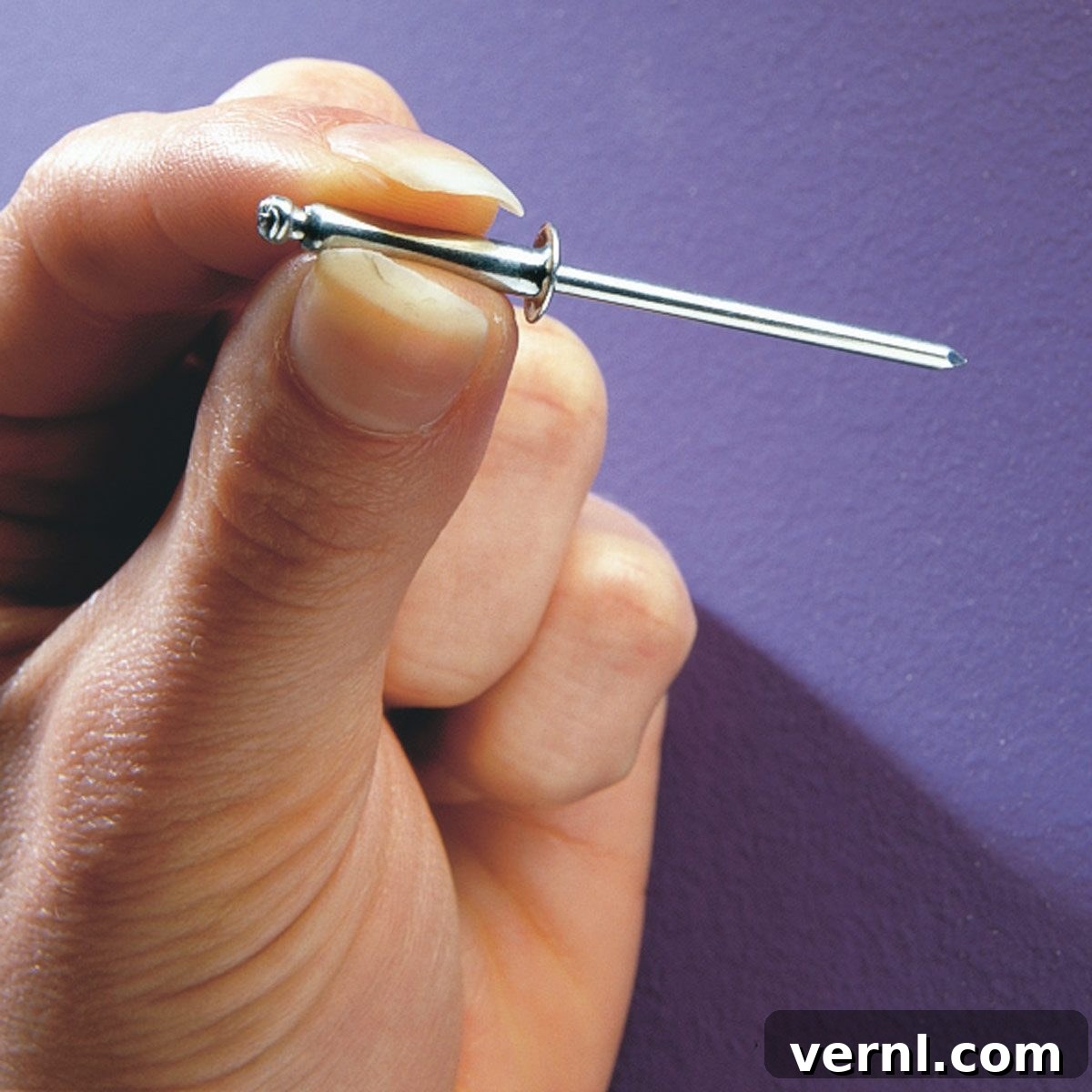
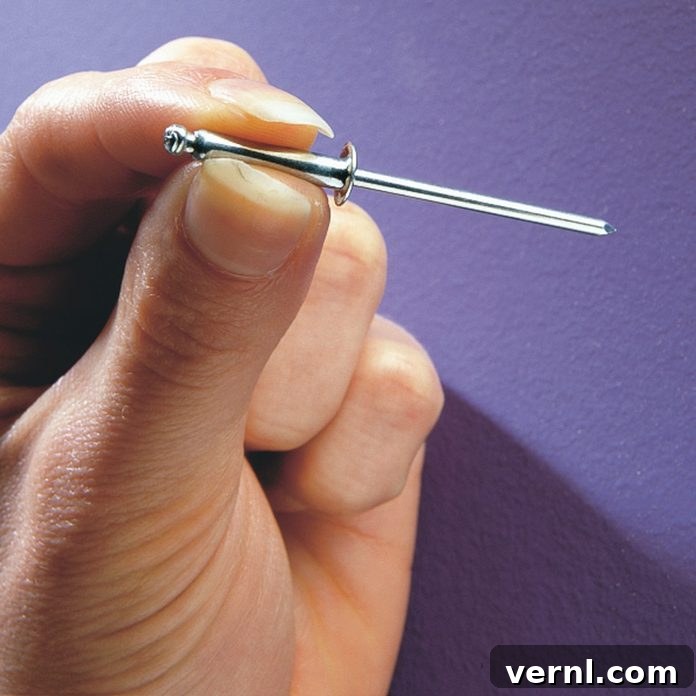
A rivet, commonly used in construction and metalwork for joining materials, possesses a unique design that makes it surprisingly effective as a picture hanger. Unlike a nail, which has a small head that can easily slip through a picture hanger or even a picture wire, a rivet features a distinct, flat, broad head. When installed correctly, this head acts as a robust stopper, ensuring your picture remains firmly in place. The stem of the rivet is designed to be driven into a surface, and in the context of drywall, it creates a surprisingly sturdy anchor for lighter loads. This unique characteristic makes it an ideal tool for secure and easy picture hanging.
The beauty of this method lies in its simplicity and the minimal impact it has on your walls. You don’t need specialized picture hanging kits or expensive power tools. All you require are a few basic items you can pick up for a few dollars at any hardware store, making it an incredibly cost-effective solution for decorating your home or office. It’s a true DIY picture hanging hack that offers both efficiency and economy.
Step-by-Step Guide: How to Use a Rivet as a Drywall Picture Hanger
Implementing the rivet picture hanger technique is incredibly straightforward. Follow these simple steps for a secure and stylish display:
- Gather Your Materials: You will need a package of 1/8-inch rivets (these are typically sold in packs of 50-100 for less than $5, offering fantastic value), and a standard hammer. That’s it! No drills, no screwdrivers, no specialized anchors are needed for this simple picture hanging method.
- Choose Your Spot: Decide precisely where you want your picture or item to hang. Use a pencil to lightly mark the exact spot on your drywall where the hanger should be. For optimal results, consider using a level to ensure your mark is perfectly aligned for a straight hang, which is crucial for attractive wall decor.
- Prepare the Rivet: Hold the rivet with the broad, flat head facing away from the wall. The stem (the longer, thinner part) should be pointed towards your marked spot. This orientation is key to its function as an effective picture hanger.
- Drive the Rivet: Using your hammer, gently but firmly tap the broad head of the rivet. The goal is to drive the stem of the rivet directly into the drywall. Apply steady pressure and consistent taps. You’ll notice the stem penetrating the drywall relatively easily. Continue until the broad head of the rivet is flush against the wall or very nearly so. Ensure it feels snug and secure; this firm installation is what provides the strength for hanging art.
- Test the Hanger: Once the rivet is in place, give it a gentle tug downwards. It should feel firm and immovable. The broad head of the rivet will prevent it from sliding further into the wall, providing a reliable hook for your picture. This simple test confirms the rivet’s integrity as a wall decor hanger.
- Hang Your Picture: Carefully align the hanging wire or sawtooth hanger on the back of your picture frame with the exposed head of the rivet. Gently lower the picture until it rests securely on the rivet head. Step back and admire your perfectly hung artwork! This method guarantees a stable display for your wall decor.
This method is particularly effective because the stem creates a tight fit within the drywall, and the prominent head of the rivet provides a substantial “shelf” for your picture’s hanging mechanism, preventing any accidental slips or falls. It’s a surprisingly robust solution for lightweight items, making it an excellent choice for a DIY picture hanging project.
The Undeniable Advantages of the Rivet Picture Hanger Method
Why choose rivets over other common picture hanging solutions? The benefits are clear and compelling, making it a standout option for secure picture hanging:
- Minimal Wall Damage: Unlike larger anchors or even some nails, the 1/8-inch rivet creates a very small, discreet hole in your drywall. When it’s time to redecorate or remove the hanger, patching is incredibly simple and virtually invisible, preserving the integrity of your walls.
- Exceptional Security for Light Items: For frames, canvases, small mirrors, and other lightweight decor, the rivet offers surprising strength and stability. The design ensures that the item stays put, resisting minor bumps or shifts, providing peace of mind for your valuable wall art.
- Cost-Effective: As mentioned, a pack of rivets costs mere dollars, making this one of the most budget-friendly picture hanging solutions available. You get dozens of hangers for the price of a single specialized hook, offering incredible value for your wall decor needs.
- Effortless Installation: No need for drills, level apps, or complicated measuring tools. A hammer and a steady hand are all you need to achieve professional-looking results in minutes, simplifying the entire picture hanging process.
- Sleek Aesthetics: The small, low-profile head of the rivet blends seamlessly with most wall surfaces, becoming almost invisible once your picture is hung. This ensures that the focus remains on your beautiful artwork, not on the hanger.
- Versatility: While perfect for pictures, this method can also be used for hanging lightweight garlands, small clocks, decorative plates with plate hangers, or even organizing light tools in a workshop, showcasing its broad utility for various wall decor elements.
When to Use Rivets (and When to Opt for Alternatives for Wall Decor)
While the rivet method is incredibly versatile and effective, it’s important to understand its limitations to ensure optimal results and prevent potential damage. This technique is ideal for:
- Lightweight Picture Frames: Perfect for standard framed photos, prints, and posters with glass or acrylic fronts, providing a secure display for your cherished memories.
- Small Canvases: Unframed or lightweight stretched canvases are excellent candidates for this method, allowing for easy hanging of art.
- Decorative Wall Hangings: Items like tapestries, lightweight wall sculptures, or small decorative mirrors can be securely displayed using rivets.
- Items under 5-7 pounds: This is a general guideline. For items nearing or exceeding this weight, it’s always safer to consider alternative heavy-duty hangers to ensure maximum safety and stability.
However, rivets are NOT recommended for:
- Heavy Artwork or Mirrors: Large, heavy mirrors or substantial framed artwork requiring significant load-bearing capacity should always be hung using specialized heavy-duty picture hangers, toggle bolts, or by anchoring directly into wall studs for robust support.
- Shelves or Functional Fixtures: Any item that will hold additional weight (like a shelf) or endure pulling forces (like a towel bar) requires a more robust mounting solution than a simple rivet.
- High-Traffic Areas with Heavy Objects: If a heavy item might be frequently bumped or is in an area where its fall could cause injury or significant damage, err on the side of caution and use a stronger method for secure wall decor.
Pro Tips for Perfect Picture Hanging with Rivets
To maximize the effectiveness and neatness of your rivet picture hangers, consider these expert tips for your next DIY picture hanging project:
- Marking with Precision: Use painter’s tape to mark your desired hanging spot first. This allows you to reposition easily before making a mark on the wall. A small level can help ensure your initial mark is perfectly horizontal, leading to a perfectly level hang.
- Consider Pre-Drilling (Optional): While 1/8-inch rivets usually penetrate drywall easily, if your drywall is particularly old, dense, or covered with multiple layers of paint, a tiny pilot hole (smaller than the rivet stem) can make installation even smoother. Use a drill bit slightly smaller than the rivet’s stem for easier installation.
- Leveling Your Artwork: Even with a secure hanger, a crooked picture can detract from your decor. Use a small spirit level or a leveling app on your smartphone to ensure your picture is perfectly straight after hanging. Adjust by gently shifting the frame on the rivet head for a flawless display.
- Removing Rivets and Patching: If you need to remove a rivet, a pair of pliers can help pull it out. The resulting hole is so small that a dab of spackle or lightweight joint compound, followed by a quick sanding and touch-up paint, will make it disappear without a trace, leaving your walls pristine.
- Cleanliness is Key: Before hanging, ensure the area of the wall is clean and dust-free. This isn’t strictly necessary for the rivet’s function but contributes to a polished final look for your wall decor.
Beyond Pictures: Expanding the Utility of Rivet Hangers for Wall Decor
Don’t limit the rivet method solely to traditional picture hanging. Its versatility extends to numerous other lightweight decorative and organizational needs around your home:
- Holiday Decorations: Easily hang string lights, wreaths, or banners without damaging your walls, making seasonal decorating a breeze.
- Kids’ Artwork Display: Create a rotating gallery for children’s drawings using rivets and small clips, celebrating their creativity without permanent wall damage.
- Lightweight Wall Tapestries: Securely display fabric wall hangings or posters, adding texture and color to any room.
- Small Kitchen Utensils: In a pantry or utility area, small rivets can hold lightweight kitchen gadgets or cleaning brushes, enhancing organization.
- Garage/Workshop Organization: Ideal for hanging lightweight tools, cords, or small bags on drywall, contributing to a tidy and efficient workspace.
The ingenuity of using rivets lies in their robust yet minimalist design, offering a practical solution for countless light-duty hanging tasks around the home. It’s a versatile drywall picture hanger and so much more.
Comparing Rivets to Other Common Hangers for Wall Decor
Let’s briefly compare the rivet method to other popular picture hanging solutions, highlighting why it might be your preferred choice for secure picture hanging:
- Traditional Nails: Simpler to install than anchors, but often don’t provide as secure a hold as a rivet due to smaller head size, leading to potential slipping. Holes are comparable in size, but the rivet offers superior grip for hanging art.
- Adhesive Strips/Hooks: No holes at all, which is a major plus for renters. However, they can lose adhesion over time, especially in varying temperatures or humidity, and may sometimes pull off paint or drywall paper upon removal. Rivets offer a more permanent, reliable mechanical hold for your wall decor.
- Picture Hooks (with nails): These often come with a small, angled nail. They are good for light to medium items. Rivets offer a similar benefit with a different aesthetic and often a more universally available part, making them an excellent alternative picture hanger.
- Drywall Anchors (Plastic Expansion): Require drilling a larger pilot hole and inserting a plastic sleeve before a screw. More robust than a rivet for slightly heavier items, but leave a much larger hole and take more time and tools, making them less ideal for simple picture hanging.
- Self-Drilling Drywall Anchors: Convenient as they don’t require a pilot hole, but still leave a larger hole than a rivet and are typically used for heavier items than what a rivet is suitable for. For lightweight wall art, the rivet is simpler and less invasive.
For sheer simplicity, minimal damage, and cost-effectiveness for lightweight items, the rivet method stands out as a top contender for efficient and secure picture hanging on drywall.
Long-Term Performance and Wall Integrity with Rivet Hangers
One might wonder about the longevity and impact of leaving rivets in your walls. Since rivets create a small, clean hole and the material itself is inert, they do not cause long-term damage or deterioration to your drywall. They are designed for durability, meaning once installed, they will hold your lightweight items securely for years without degradation. When you decide to change your decor, removing them is simple, and the subsequent repair work is minimal, leaving your walls looking pristine. This makes the rivet a reliable and long-lasting choice for your wall decor needs.
In conclusion, the “Riveting Picture Hanger” method, elegantly simple and highly effective, offers a refreshing alternative to conventional picture hanging techniques. It’s a testament to the idea that sometimes the best solutions are found in unexpected places, utilizing common hardware in innovative ways. By employing readily available 1/8-inch rivets and a standard hammer, you can achieve a professional, secure, and damage-minimal way to display your cherished artwork and decorative items on drywall.
Embrace this clever DIY hack, save time and money, and enjoy beautifully decorated walls without the usual hassle. Give it a try – you might just find your new favorite way to hang pictures and elevate your home decor. Happy decorating!
