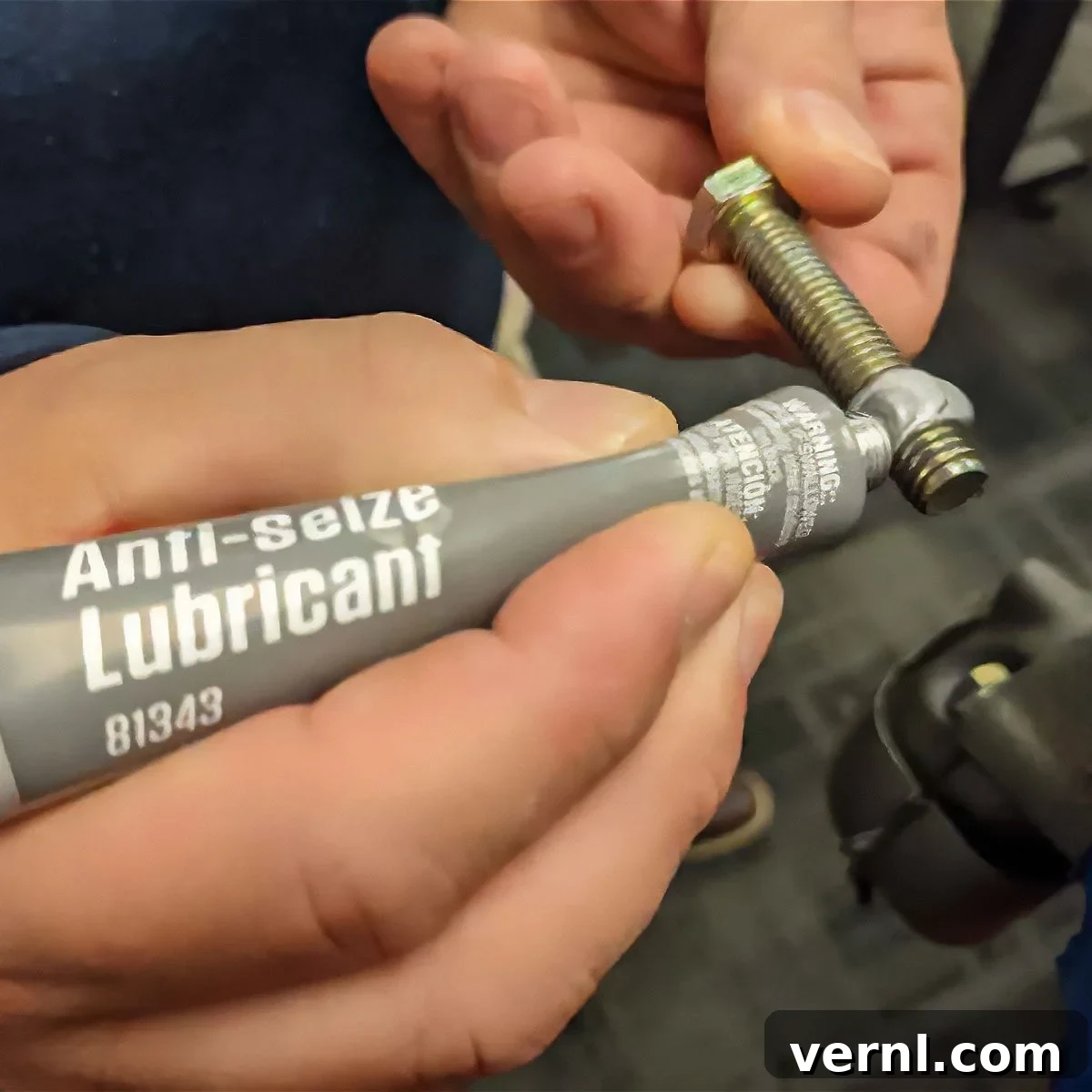
The nightmare scenario for any mechanic or DIY enthusiast often begins with a seemingly simple task. A quick 10-minute fix can spiral into an all-day, costly ordeal when faced with corroded, frozen, or seized parts and hardware. This common frustration highlights a critical need for preventative measures in automotive and industrial maintenance.
I vividly recall my early days as a technician at a Pontiac dealership, where working on a Trans Am often filled me with dread. While undeniably fabulous cars, their cast aluminum honeycomb wheels presented a unique challenge. As Don Sutliff, a product specialist at Permatex, explained, the combination of water and road salts would frequently infiltrate the space behind these wheels. This environmental exposure led to a severe buildup of corrosion that effectively “mechanically welded” the wheels to the steel and cast-iron axle hubs. The result? Wheels, and often the brake drums, became nearly impossible to remove without significant effort, damage, or specialized tools.
It was during these frustrating experiences that I first truly understood the invaluable role of anti-seize compounds. These specialized lubricants proved to be essential in preventing rust and corrosion, saving countless hours and significant expenses. Ever since, anti-seize has been a permanent resident in my toolbox. John Alcaro, an automotive repair specialist, aptly summarized its benefit: “Using anti-seize makes any suspension fasteners exposed to the elements easier to remove,” transforming challenging repairs into straightforward tasks.
About Our Experts
To provide you with the most accurate and insightful information on anti-seize compounds, we’ve consulted two highly respected figures in the automotive and chemical industries:
Don Sutliff is the senior product specialist at Permatex Inc., located in Solon, Ohio. Permatex is recognized globally as a leader in automotive chemicals, sealants, and adhesives. Don brings extensive firsthand experience and deep knowledge of anti-seize compounds, gained from his significant tenure in the specialty chemical industry.
John Alcaro is a highly accomplished Automotive Service Excellence (ASE) master technician with an impressive 43 years of experience in the field. He currently serves as the senior automotive technology instructor at North Montco Technical Career Center in Lansdale, Pennsylvania, where he imparts his vast practical wisdom to the next generation of technicians.
What Is Anti-Seize Compound?
At its core, an anti-seize compound is a specialized lubricant and protective agent designed to shield metal fasteners and other components from the detrimental effects of extreme conditions. These conditions often include high temperatures, intense pressures, and exposure to corrosive agents such such as acids, alkalis, and harsh caustic chemicals. The sophisticated formulation of anti-seize compound typically involves a blend of base and synthetic lubricants, further enhanced with highly refined graphite and various micro-metallic particles. These ingredients work synergistically to create a robust barrier and lubricating layer.
This versatile product finds extensive application across various sectors, including the automotive industry, marine environments, and general industrial settings. Its primary purpose is to safeguard metal parts and fittings from a spectrum of issues: corrosion, pitting, wear, galling (a form of wear caused by adhesion between sliding surfaces), and ultimately, seizing together. By forming a protective film, anti-seize ensures that components can be easily disassembled even after prolonged exposure to harsh operational conditions.
What Does Anti-Seize Lubricant Do?
The fundamental function of an anti-seize lubricant is to provide a durable coating that effectively seals metal parts and components from environmental aggressors. This protective barrier acts as an impervious shield against moisture, road salts, and abrasive dirt particles. By isolating the metal surfaces, anti-seize compounds are exceptionally effective at preventing metal assemblies, particularly those involving dissimilar metals, from corroding and seizing together. This is crucial because when different metals come into contact in the presence of an electrolyte (like water or salt solution), a galvanic reaction can occur, leading to accelerated corrosion.
“Applying anti-seize compound helps reduce frustration when disassembling parts where threads are susceptible to corrosion,” notes John Alcaro. This benefit extends beyond just initial assembly; it significantly improves the ease of maintenance and repair down the line. Moreover, anti-seize is particularly beneficial for fasteners that require frequent removal or adjustment. By maintaining consistent thread torquing, it helps prevent overtightening or undertightening, both of which can lead to part and component failure. This consistent performance ultimately contributes to reduced overall maintenance time and lower repair costs over the lifespan of the equipment.
How Does Anti-Seize Compound Work?
The magic of anti-seize compound lies in its ability to prevent electrolysis, a process that is often the root cause of metallic seizing. Electrolysis is an electrochemical reaction that generates an electrical current, which can pass between metal parts, especially when a conductive medium like rain, salt air, or salt water is present. This current facilitates the release of corrosion-causing oxides from the metal surfaces. These oxides then accumulate, causing the metal parts to swell (much like rusted rebar can crack through concrete), corrode, rust, and ultimately mechanically lock onto each other.
Anti-seize compound disrupts this destructive cycle by forming a non-conductive, lubricating barrier between the metal surfaces. This barrier prevents the direct metal-to-metal contact necessary for galvanic corrosion and electrolysis to occur. By eliminating the electrical current path, anti-seize effectively stops the formation of these corrosive oxides, thereby preserving the integrity and movability of the components.
Beyond preventing galvanic corrosion, anti-seize compounds are also highly effective in mitigating the effects of thermal cycling. As Don Sutliff explains, “Using anti-seize on parts and fasteners that experience extreme heating and cooling periods [aka thermal cycling], such as exhaust flanges, helps increase their lifespan.” Components like exhaust bolts and flanges are constantly exposed to drastic temperature fluctuations, which can cause metals to expand and contract, leading to stress, fatigue, and eventual seizing. Anti-seize’s lubricating properties and heat resistance ensure that these parts remain functional and easy to disassemble even after enduring repeated thermal stress. John Alcaro further recommends the crucial application of anti-seize on engine head bolts, another area subject to intense thermal demands and critical for engine integrity.
Types of Anti-Seize Compound and Their Applications
Not all anti-seize compounds are created equal. Different formulations are designed for specific applications, offering distinct benefits and limitations. Choosing the correct type is paramount for optimal performance and preventing unintended reactions.
- Aluminum-Based Anti-Seize: Highly recommended by expert John Alcaro, aluminum-based anti-seize is one of the most commonly used types, particularly with aluminum components. It excels in facilitating easy part disassembly and assembly, making it ideal for a wide range of applications including engine components, exhaust systems, steering mechanisms, and suspension components. Its excellent performance in general automotive maintenance makes it a go-to choice. However, it’s crucial to avoid using aluminum anti-seize with carbon steel, as this combination can accelerate galvanic corrosion.
- Copper-Based Anti-Seize: This type is formulated to prevent seizing under exceptionally high-temperature conditions. Beyond its anti-seize properties, copper compounds also provide good electrical conduction, making them suitable for specific electrical applications. Copper anti-seize is best utilized on components such as exhaust bolts and flanges, oxygen sensors, and fuel filter connectors, where both high heat and potential electrical contact are factors. A key caution is to never use copper anti-seize with stainless steel. The presence of copper can lead to intergranular corrosion or embrittlement of stainless steel, compromising its structural integrity.
- Nickel-Based Anti-Seize: When working with high-performance alloys, nickel-based anti-seize is the preferred choice. It is specifically recommended for use with stainless steel, titanium, nickel, and other exotic alloys. This robust formulation offers superior protection for metals operating under high pressure and extreme temperatures. Furthermore, nickel anti-seize is essential in applications where copper contamination must be meticulously avoided, ensuring the integrity of sensitive components.
- Molybdenum Disulfide (Moly) Anti-Seize: Often referred to simply as “moly” anti-seize, this compound stands out because it contains no copper or aluminum. This unique composition makes it indispensable for applications involving extreme pressure and high temperatures, particularly in environments where galvanic corrosion between dissimilar metals is a concern. Moly anti-seize excels in heavy-duty industrial machinery, bearing surfaces, and other critical components that endure immense stress and heat without the risk of metal transfer or reactions from copper or aluminum.
Is Brake Grease an Anti-Seize Compound?
No, brake grease is distinctly different from anti-seize compound, and it is critical not to confuse the two or use them interchangeably. While both are lubricants, brake grease is specifically formulated for the unique environment of a braking system. It lacks the specialized protective materials, such as graphite and micro-metals, that are integral to anti-seize compounds. These materials enable anti-seize to withstand extreme temperatures, pressures, and corrosive elements over prolonged periods, directly preventing metal bonding and seizing.
Although anti-seize compound is commonly and correctly applied to specific contact areas, such as the back of brake pads where they meet the caliper or the contact points between the brake caliper and the steering knuckle (to prevent corrosion and ensure smooth sliding), it should never be used in place of dedicated brake grease for lubricating caliper pins or other critical brake components. Brake grease is designed for specific thermal and chemical stability within the brake system, ensuring proper operation and preventing issues like piston sticking or uneven pad wear.
Can I Use WD-40 Instead of Anti-Seize Compound?
Absolutely not. It is a common misconception that WD-40 can serve as a substitute for anti-seize compound, but their functions and chemical compositions are fundamentally different. WD-40 is primarily a water-dispersant and a light lubricant, famously effective at removing rust, displacing moisture, and freeing minorly stuck parts. However, it is not engineered to withstand the high temperatures, extreme pressures, or prolonged exposure to harsh conditions that anti-seize compounds are designed for. Its lubricating film is thin and temporary, offering minimal long-term protection against corrosion.
Furthermore, WD-40 has a tendency to attract dirt and dust. When these airborne particles adhere to the treated surface, they can trap moisture, inadvertently creating an environment that encourages unwelcome corrosion and wear over time, precisely what anti-seize is designed to prevent. For any application requiring robust, long-term protection against seizing, galling, and corrosion in challenging environments, a dedicated anti-seize compound is the only appropriate solution.
Can You Use Too Much Anti-Seize Compound?
Yes, indeed! While the benefits of anti-seize are undeniable, over-application can lead to its own set of problems. It’s a common mistake to slather anti-seize compound liberally over all contact surfaces, but this approach is counterproductive and can even be detrimental. Excessive application can create a messy buildup that attracts and traps dirt, dust, and other contaminants. This “gunk” can then hold moisture against the metal surfaces, ironically promoting corrosion rather than preventing it. Moreover, over-application can alter torque specifications more significantly than intended, leading to improper fastener tension.
“Use anti-seize sparingly,” advises John Alcaro. “Apply a thin coat, just enough to fill the threads at the end of a bolt [not the entire length of the bolt] and especially under the bolt head.” The goal is to create a thin, consistent barrier that coats the critical contact points without excess. This targeted application ensures optimal lubrication and protection without introducing the problems associated with over-application.
How Long Does Anti-Seize Compound Last?
The longevity of anti-seize compound can vary based on the specific product, environmental conditions, and proper application. Don Sutliff suggests a typical lifespan of around seven years, though many users, including myself, have observed it lasting even longer under ideal circumstances. Factors such as extreme heat, constant exposure to corrosive chemicals, or frequent washing can reduce its effective life. However, with proper care and application, anti-seize can provide robust protection for a significant duration.
To maximize the effective life of your anti-seize products and ensure their consistent performance, consider these best practices:
- Prevent Contamination: Always clean the brush, glove (many prefer to use a finger for precise control, as I do), or any other tool used for application before dipping it into the anti-seize jar. This simple step prevents dirt, metal shavings, or other debris from contaminating the compound, which could compromise its effectiveness.
- Proper Storage: After each use, tightly seal the cover of the anti-seize container. This crucial step prevents dust and moisture from entering and degrading the compound. Store the product in a cool, dry place, away from direct sunlight or extreme temperature fluctuations, to maintain its chemical stability and extend its shelf life.
Pro Tips for Using Anti-Seize Compound
To ensure the most effective and safe application of anti-seize compound, adhere to these professional guidelines:
- Follow Manufacturer’s Instructions: Always prioritize the instructions provided by the anti-seize manufacturer. These guidelines are tailored to the specific product formulation and provide critical information regarding application methods, temperature limits, and compatibility with different materials. Adhering to them ensures optimal performance and safety.
- Wear Eye Protection and Disposable Gloves: Anti-seize compounds can contain various chemicals and metallic particles that can irritate skin and eyes. Always wear appropriate eye protection and disposable gloves to protect yourself from direct contact and potential splashes.
- Choose the Correct Type: As discussed, different anti-seize compounds are formulated for specific applications and material compatibilities. Carefully select the anti-seize type that matches your project’s metals, temperature requirements, and environmental conditions to prevent adverse reactions and ensure long-lasting protection.
- Prepare Surfaces Thoroughly: For anti-seize to work effectively, the surfaces must be clean. Use a wire brush to meticulously clean or repair nuts, bolts, and internal threads. If threads are damaged, employ a thread restorer tool to bring them back to proper condition. Finish by cleaning all surfaces with a degreaser to remove any residual dirt, oil, or grease that could prevent the anti-seize from adhering properly or performing optimally.
- Adjust Torque Specifications: Anti-seize compounds possess significant lubricating qualities, which will reduce the friction between threads and under the bolt head. This reduction in friction means that a given torque wrench setting will apply a greater clamping force than it would on dry threads. To compensate for this lubrication and avoid overtightening, it is generally recommended to reduce the specified torque value by 20% to 25%. Failure to do so can lead to stripped threads, stretched bolts, or even component failure.
- Ensure Clean Mating Surfaces: Beyond threads, the mating surfaces where components come together must also be free of corrosion and debris. Carefully remove all rust, scale, and foreign matter to ensure that parts align correctly and seat perfectly. Debris on mating surfaces can cause misalignment, uneven load distribution, and ultimately lead to premature wear or failure.
- Wipe Away Excess Compound: After application, always wipe away any excess anti-seize compound. This prevents unsightly gunk buildup, which, as mentioned earlier, can attract dirt and moisture. A clean application also ensures that the compound performs as intended without creating secondary problems.
- Spark Plug Considerations: According to NGH Spark Plugs, spark plugs that are plated with nickel or zinc offer inherent protection against corrosion and should generally be installed dry, without any anti-seize compound. Applying anti-seize to these plated plugs can potentially alter their heat transfer characteristics or torque specifications. However, John Alcaro notes that “dabbing a small amount of copper anti-seize on spark plugs with black oxide threads [is fine].” This distinction is important and highlights the need to understand your specific components.
- Avoid Use on Lug Nuts: Don Sutliff of Permatex explicitly states that Permatex does not recommend using anti-seize on lug nuts. This is due to anti-seize’s extremely low coefficient of friction. While this property is beneficial for many applications, it can be hazardous on lug nuts. The reduced friction can lead to inconsistent torque readings, increasing the risk of over-tightening (which can stretch studs) or, more dangerously, under-tightening, which could cause lug nuts to loosen during operation, leading to a wheel detachment. Always install lug nuts dry unless specifically instructed otherwise by the vehicle manufacturer for a particular application.