
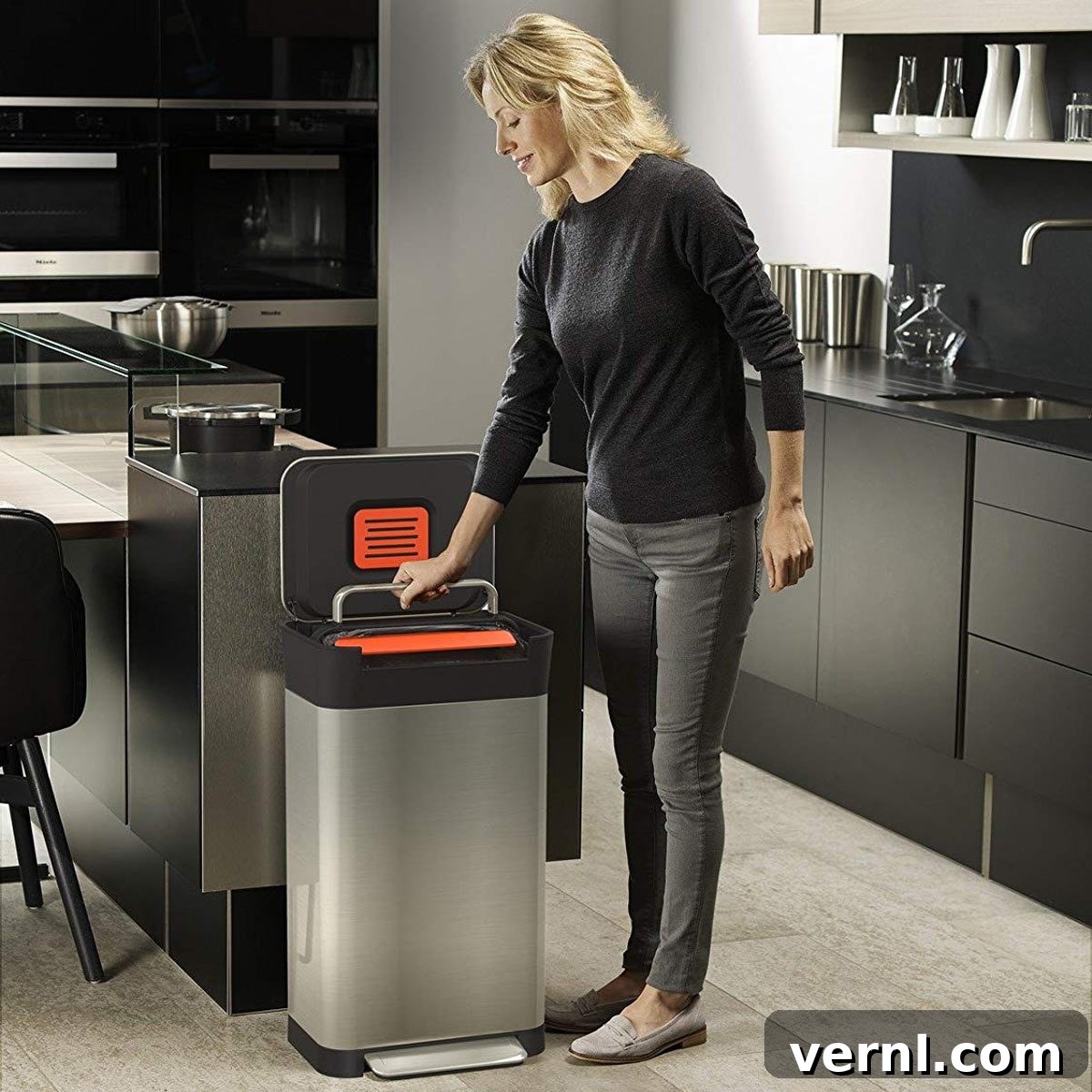
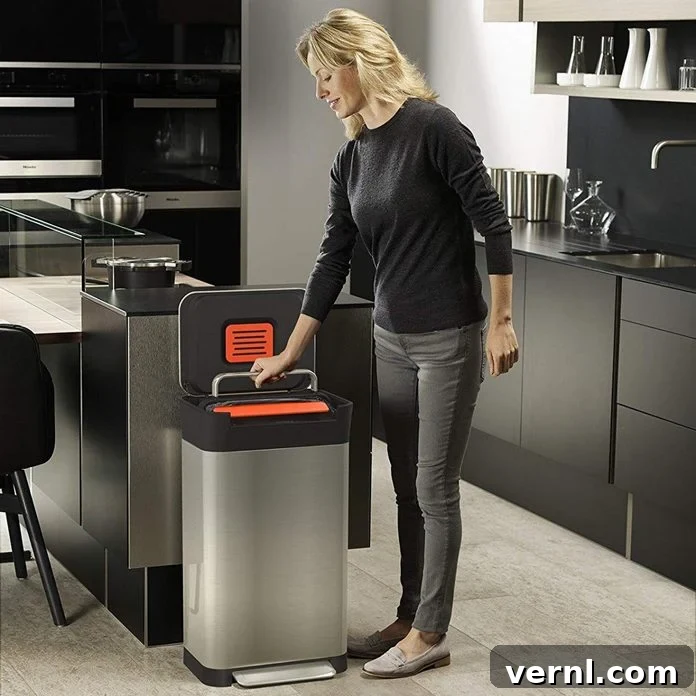
Unpacking the Mystery: The Rise, Fall, and Enduring Niche of the Kitchen Trash Compactor
In the evolving landscape of modern kitchen appliances, some innovations shine brightly and become staples, while others fade into obscurity, leaving homeowners puzzled by their presence. The kitchen trash compactor often falls into the latter category. You might have inherited one with your home, stumbled upon it in a forgotten corner of an appliance store, or perhaps never even considered its existence. What exactly is a trash compactor, and why does it seem to elicit such a mixed reaction, often bordering on outright aversion? Once a symbol of futuristic home convenience, this appliance has experienced a significant decline in popularity. Yet, it continues to hold a unique, albeit niche, place in the world of home waste management. This article delves into the fascinating history, technological evolution, reasons for its market decline, environmental implications, and the potential lingering relevance of the kitchen trash compactor in today’s homes.
A Brief History of Compaction: From Industrial Might to Household Helper
The concept of compacting waste is far from new, originating in industrial settings long before it found its way into residential kitchens. The first commercial trash compactor was patented by M.S. Wells in 1941, designed primarily for crushing oil cans and industrial waste. This early application highlighted the practical benefits of reducing volume for easier handling and disposal in commercial contexts.
The leap to household use took several decades. It wasn’t until the 1970s that John A. Boyd filed a patent for a residential trash compactor, specifically engineered for household trash. Boyd’s innovative design utilized hydraulic pressure, often powered by a direct water connection, to crush garbage. This technology allowed homeowners to condense a significant amount of waste into a single, compact bundle, promising unprecedented ease of disposal and fewer trips to the outdoor garbage bin. This period marked the compactor’s peak appeal, as it was perceived as a sophisticated solution to a common household chore, aligning with the era’s fascination with convenience-driven appliances.
Further improvements followed, reflecting growing environmental awareness. In 1991, John Bauer refined the design by creating compactors with two distinct compartments – one for recyclable waste and another for non-recyclable trash. This advancement aimed to support nascent recycling efforts, offering a more structured approach to household waste management. Today, trash compactors boast even better technology, capable of handling both dry and wet waste, incorporating advanced odor control systems, and achieving higher compaction ratios to store more waste efficiently. Modern units often feature sleek designs, quieter operation, and even “smart” capabilities, attempting to re-establish their relevance in contemporary kitchens.
The Steep Decline: Why Kitchen Trash Compactors Lost Their Luster
Despite these technological advancements and a promising start, kitchen trash compactor sales experienced a dramatic downturn. The statistics paint a clear picture: sales plummeted from 243,000 units in 1988 to just 126,000 in 1992. By 2009, national ownership had dropped to under 3.5% of households. Even with nearly every major appliance manufacturer still offering a model, the trash compactor has struggled to live up to its initial promise in the modern home. Several critical factors contributed to this precipitous decline.
Initial Investment and Running Costs
One of the primary deterrents has always been the cost. A kitchen trash compactor, when factoring in the appliance’s price and professional installation, could easily set a homeowner back around $1,000 or more. This represented a significant investment for an appliance dedicated solely to waste reduction, especially when compared to the relatively low cost of a standard trash can. Beyond the upfront expense, compactors require specialized, heavy-duty bags, which are considerably more expensive than regular garbage bags. These ongoing operational costs added to the financial burden, making many consumers question the overall value proposition.
Space Constraints in Modern Kitchens
Another major complaint revolved around space. Modern kitchens, particularly in urban environments, often prioritize open layouts, abundant counter space, and integrated designs. A trash compactor, whether a freestanding unit or one installed within a cabinet, demands a significant footprint. Consumers increasingly felt that this appliance occupied valuable real estate that could be better utilized for storage, a dishwasher, or other more frequently used kitchen essentials. The perception was that it took up “too much space,” either visually or functionally.
The Inconvenience of Compacted Waste
Ironically, an appliance designed for convenience often created new inconveniences. Compacting trash results in dense, typically rectangular-shaped packages. This presented a practical problem: these rigid, bulky bundles frequently did not fit neatly into standard outdoor round garbage bins or municipal waste containers. Furthermore, while the compactor effectively decreased the volume of waste, it simultaneously increased its density. This meant that a fully compacted bag could weigh more than 30 pounds, making it cumbersome and physically challenging for many individuals to lift and carry to the curb. This limitation significantly narrowed the demographic of those capable of managing household trash disposal.
The Lingering Odor Problem: A Battle Against Perception
Perhaps the most persistent and damaging issue for trash compactors has been the problem of odor. The very nature of a compactor involves storing compressed refuse – often containing food waste and soiled packaging – for extended periods, sometimes up to a week, or until the unit is full. The unpleasant smell of decomposing organic matter and residual food waste became a widespread complaint, solidifying a negative reputation that has been incredibly difficult to shake.
Appliance manufacturers have, to their credit, made significant strides in addressing this issue in newer models. Modern kitchen trash compactors now offer various odor control solutions, including dedicated compartments for charcoal filters, which absorb airborne smells, or the integration of odor-reduction disks. Some advanced units even feature sealed compartments or UV light sanitizers. Despite these technological improvements, the collective memory of offensive odors from earlier models continues to cast a long shadow. Consumer perception, once ingrained, is notoriously difficult to alter, and for many, the risk of a smelly kitchen outweighs the benefits of compaction.
The Environmental Debate: Are Compactors Truly Green?
The environmental impact of trash compactors is a complex and often debated topic, with arguments for both benefits and drawbacks.
Arguments for Environmental Benefits
- Reduced Landfill Volume: Proponents argue that compactors are beneficial for the environment because they significantly decrease the volume of trash heading to landfills. By condensing waste, they allow landfills to operate more efficiently, potentially extending their lifespan and reducing the need to open new landfill sites.
- Fewer Trash Bags: By reducing the frequency of trash disposal, compactors can lead to a decrease in the number of plastic trash bags used over time, thus theoretically reducing plastic waste.
- Optimized Waste Collection: Less frequent dumpster emptying means fewer trips for waste collection vehicles. This translates to reduced fuel consumption and lower carbon emissions associated with waste transportation.
- Biodegradation and Methane Production: Some argue that the tightly compacted trash in landfills can promote anaerobic decomposition of organic matter, which produces methane gas. If this methane is effectively captured and utilized as a source of energy (biogas), it can be seen as an environmental benefit.
Arguments Against Environmental Benefits and Concerns
- Slowed Decomposition: A significant counter-argument posits that highly compacted trash can actually slow down the natural decomposition process. The lack of oxygen in densely packed waste hinders aerobic bacteria, which are essential for efficient organic decomposition. While anaerobic decomposition occurs, it can be a much slower process, and if methane is not captured, it’s a potent greenhouse gas released into the atmosphere.
- Compromised Recycling Efforts: One of the most significant environmental drawbacks in today’s context is that compactors often mix all types of waste together – organic, paper, plastic, glass. This aggregation makes it extremely difficult, if not impossible, to separate materials for recycling or composting after compaction. This goes against modern waste management principles that emphasize source separation for efficient recycling and composting programs.
- Energy Consumption: The compactor itself requires electricity to operate, adding to the household’s energy footprint.
Ultimately, the environmental “goodness” of a trash compactor is not universally clear-cut. Its benefits are often contingent on local waste management infrastructure, the types of waste being compacted, and whether users are diligently separating recyclables and compostables beforehand.
The Niche Market: Who Still Benefits from a Trash Compactor?
Despite its widespread decline, the kitchen trash compactor isn’t entirely obsolete. It still serves a valuable purpose for specific demographics and living situations:
- Homes with Infrequent Waste Collection: For those living in rural areas with bi-weekly or less frequent trash pickups, or in communities with limited outdoor bin space, a compactor can significantly reduce the bulk of accumulated waste, making disposal more manageable.
- Large Households and High Waste Generators: Big families or households that generate a substantial amount of non-recyclable waste might find compactors incredibly useful for reducing the number of full trash bags needing disposal each week.
- Those Prioritizing Convenience: For individuals who genuinely despise taking out the trash frequently, a compactor offers the undeniable convenience of consolidating waste and reducing the frequency of this chore.
- Specific Commercial Settings: Small businesses, breakrooms, or workshops might still find compactors efficient for managing their non-recyclable waste volume.
Modern compactors are often marketed as premium, convenience-oriented appliances, featuring sophisticated designs that can seamlessly integrate into high-end kitchens. For this niche market, the benefits of volume reduction and fewer trips to the bin outweigh the historical drawbacks.
Making an Informed Decision: Is a Trash Compactor Right for Your Home?
Considering a trash compactor in today’s world requires a careful evaluation of its pros and cons against your specific lifestyle and waste management habits.
Potential Advantages:
- Significant Volume Reduction: Compactors can reduce waste volume by up to 75-80%, saving space in your kitchen and outdoor bins.
- Fewer Trips to the Bin: You’ll take out the trash far less frequently, which can be a significant convenience.
- Reduced Bag Usage: Potentially fewer trash bags are consumed over time, offering some cost savings on bags (though offset by the higher cost of compactor bags).
- Neater Waste Management: Can keep waste contained and out of sight more effectively than a standard trash can.
Potential Disadvantages:
- High Initial and Running Costs: The appliance itself is expensive, as are the specialized compactor bags.
- Space Consumption: Takes up valuable kitchen space.
- Odor Potential: Despite improvements, the risk of odor, especially with food waste, remains a concern for many.
- Heavy Output: Compacted bags can be very heavy and difficult to handle.
- Hindrance to Recycling: Compacting mixed waste makes recycling and composting challenging, counteracting modern sustainable waste practices.
- Maintenance and Cleaning: Requires regular cleaning to prevent odors and maintain hygiene.
Before investing, ask yourself: How much waste do I truly generate? What are my local recycling and composting options? How often do I currently take out the trash, and is it a significant burden? What is my budget, and how much kitchen space am I willing to dedicate to waste management? The answers to these questions will help determine if a trash compactor aligns with your household needs and values.
The Future of Home Waste Solutions
The kitchen trash compactor’s journey from a sought-after innovation to a niche appliance is a testament to changing consumer priorities and evolving waste management practices. While it has faced an uphill battle against issues like cost, space, and especially odor, it continues to offer a unique solution for volume reduction. For those intrigued by its promise, modern models have undeniably improved, addressing many of the historical complaints. However, in an era increasingly focused on source separation, recycling, and composting, the compactor finds itself at a crossroads. Its future relevance likely depends on its ability to integrate more seamlessly with comprehensive, sustainable waste management systems, or to cater to specific households where its primary benefit – reducing sheer volume – remains paramount. Whether it will ever reclaim its past glory remains to be seen, but its story offers a fascinating glimpse into the challenges and innovations of managing waste in our homes.