
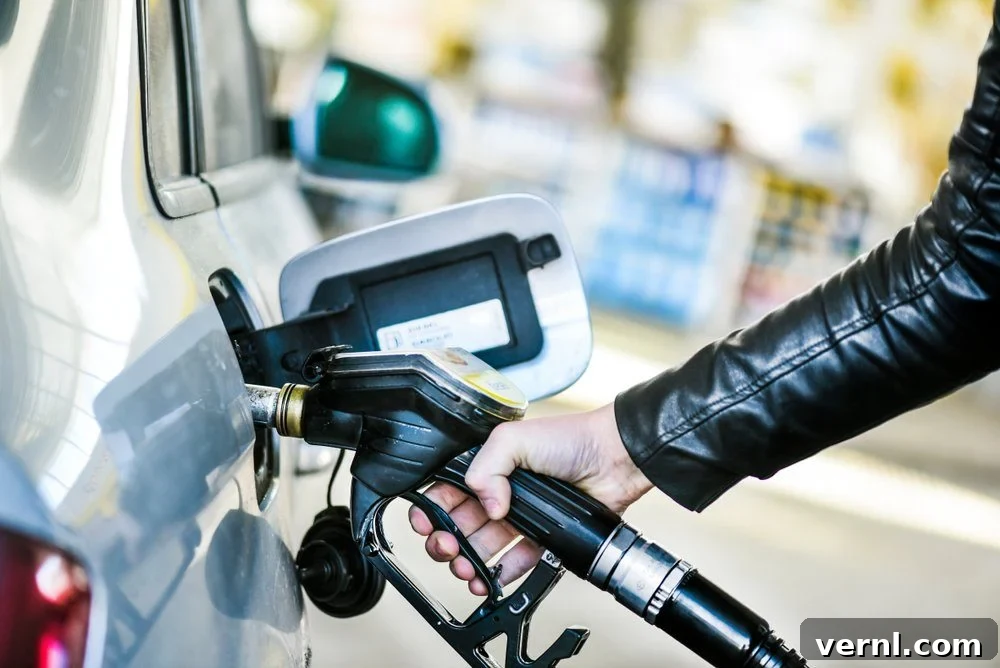
During an exceptionally hot or cold day, or perhaps when you’re simply in a hurry, the thought of remaining in your temperature-controlled car while fueling up at the gas station is often an appealing one. It offers a momentary escape from the elements or a perceived time-saver in a busy schedule. While running your car engine during this process might seem like a harmless way to maintain comfort or convenience, it is, in fact, associated with several avoidable risks. This practice, though seemingly minor, can lead to serious safety hazards and even trigger inconvenient diagnostic alerts on your vehicle’s dashboard. Understanding these risks and adhering to simple safety protocols is crucial for a secure and uneventful fueling experience.
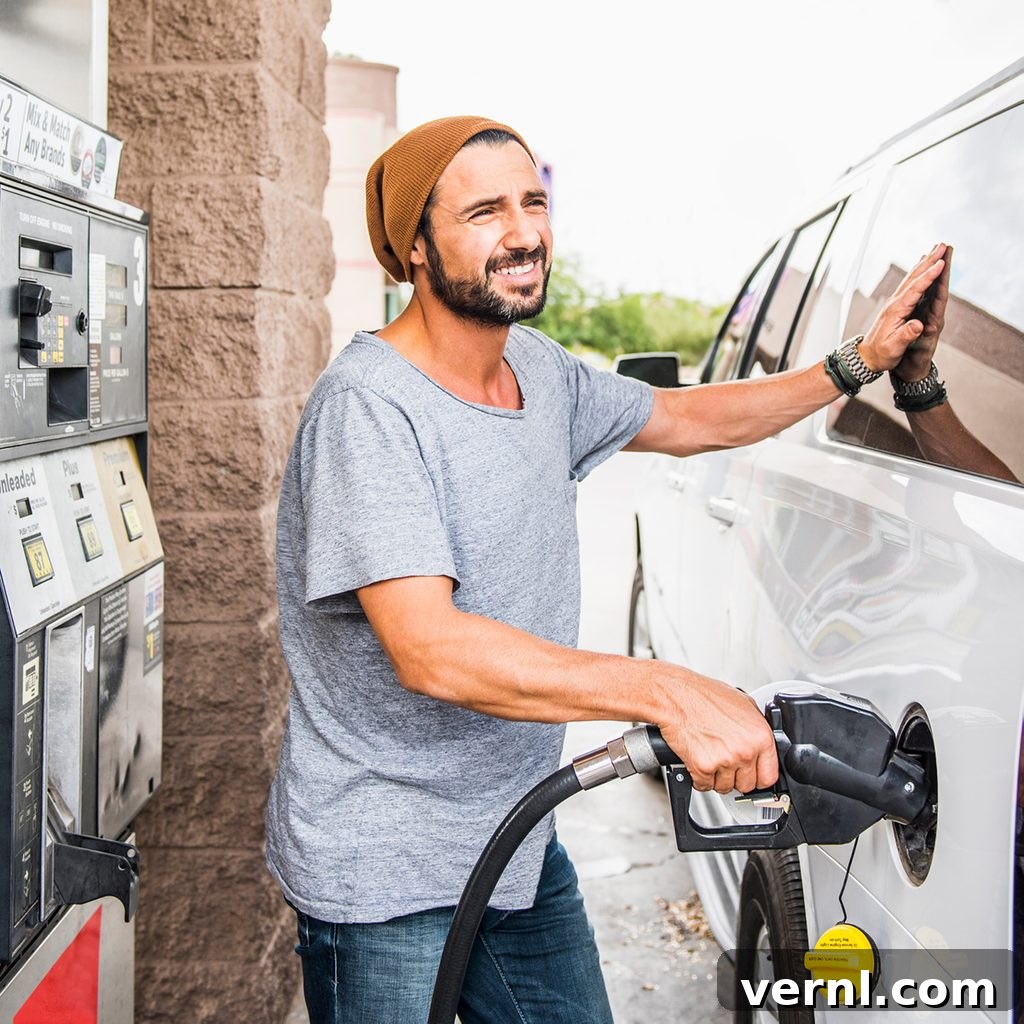
Is Running Your Engine While Fueling Really Dangerous?
The immediate comfort of a running engine might tempt you to overlook standard fueling precautions. While the chances of a catastrophic event occurring are statistically low, the potential consequences are severe enough to warrant strict adherence to safety guidelines. Fueling with your engine running significantly elevates the risk of igniting highly flammable gasoline vapors, primarily through the discharge of static electricity or other potential ignition sources.
The Hidden Danger of Flammable Vapors and Static Electricity
Can you pump gas with your engine running? Technically, yes, the pump will dispense fuel. But should you? Absolutely not. Gasoline, in its liquid form, is certainly flammable, but it is its invisible vapors that pose the most immediate and dangerous fire risk. These vapors are heavier than air and can accumulate around the fueling area, creating an invisible, explosive cloud. The primary concern with a running engine is the increased potential for these vapors to come into contact with an ignition source.
One of the most insidious ignition sources is static electricity. “It’s is safest to shut off your vehicle to avoid a fire, static electricity or a check engine light,” advises Lauren Fix, an ASE certified technician and sector analyst at The Car Coach. Static electricity can build up in various ways – from simply sliding across your car seat, the friction of air against your clothing, or even electronic devices. A quick spark from a static discharge, particularly when your hand is near the fuel nozzle or tank opening, can be enough to ignite these volatile vapors. “The fire risk is that the fumes burn, not the liquid. This could lead to an explosion,” Fix emphasizes, highlighting the critical distinction between liquid fuel and its much more easily ignited vapor.
Moreover, a running engine introduces additional potential ignition sources. While modern engines are designed to be contained, components like hot exhaust pipes, electrical wiring, or even minor electrical malfunctions could theoretically create a spark or sufficient heat to ignite vapors. Turning off your engine eliminates these unnecessary risks, making the fueling process inherently safer for you, your vehicle, and others at the gas station.
Beyond Fire: The Check Engine Light Conundrum
While the danger of causing a fire is the most substantial and urgent concern, running your engine while fueling can also lead to less dramatic, but still inconvenient, issues for your vehicle. It’s unlikely to cause permanent damage to your car’s engine, but it can certainly trigger diagnostic warnings.
“While it’s not necessarily bad for your car, it could turn that pesky check engine light on,” explains Jonathan Ganther, COO and Founder of Brakes To Go. Our vehicles are equipped with sophisticated diagnostic systems, notably the Evaporative Emission Control (EVAP) system, designed to monitor for even the slightest gasoline vapor leaks from the fuel tank, fuel lines, and engine. This system plays a crucial role in preventing harmful fuel vapors from escaping into the atmosphere, contributing to environmental protection.
So, why would a “leak” be detected when filling up? When you open the fuel filler door and insert the nozzle, you are, by design, temporarily breaking the sealed integrity of the fuel tank. The EVAP system, which is constantly monitoring pressure and vacuum levels within the fuel system, expects certain conditions when the cap is removed. However, with the engine running, the vehicle’s onboard computer may detect unusual pressure fluctuations or vapor emissions that it interprets as an evaporative leak. This misinterpretation occurs because the engine’s active fuel pump and vacuum system interfere with the expected sealed conditions the EVAP system is designed to monitor. Consequently, the computer triggers the check engine light, indicating a detected “fault” in the emissions system.
While this particular check engine light illumination doesn’t typically signify mechanical damage, it can be a nuisance. It requires a diagnostic scan to determine the cause, potentially incurring costs, and can prevent your vehicle from passing an emissions test until the light is cleared. The simplest way to avoid this unnecessary diagnostic hassle is to always turn off your engine before you begin to refuel.
Comprehensive Fueling Safety Protocol: Essential Precautions at the Pump
Beyond the critical step of shutting off your vehicle, there are several other vital safety measures you should always adhere to while fueling up. These precautions are designed to minimize risks and ensure a safe experience for everyone at the gas station.
1. Turn Off Your Engine – No Exceptions
As discussed, this is the golden rule of fueling safety. Not only does it mitigate the risk of static electricity ignition and other potential sparks, but it also prevents the triggering of your check engine light. This simple action takes only a second but offers immense peace of mind and protection.
2. No Smoking, Vaping, or Open Flames
This warning is prominently displayed at every gas station for a very good reason. An open flame or even the ember of a cigarette or vape device can instantly ignite gasoline vapors, leading to a catastrophic fire or explosion. Always extinguish all smoking materials well before approaching the pump and refrain from lighting anything until you are safely away from the station.
3. Keep Your Cell Phone Away
Lauren Fix rightly advises, “Being on the phone can and has created static electricity. Leave your phone in the car.” While the direct link between cell phone usage and gas station fires has been widely debated, it is undeniably a potential source of static discharge. More importantly, however, cell phones are a significant source of distraction. Fueling requires your full attention to prevent spills, monitor the pump, and remain aware of your surroundings. Putting your phone away allows you to concentrate entirely on the task at hand, reducing the likelihood of accidents.
4. Discharge Static Electricity Before Fueling
To further reduce the risk of static discharge, especially in dry or windy conditions, it’s a good practice to touch a metal part of your car (away from the fuel filler area) before grabbing the fuel nozzle. This allows any accumulated static electricity on your body to safely discharge to the ground. If you re-enter your vehicle during fueling, always repeat this step before touching the nozzle again, as sliding across the seat can rebuild static charge.
5. Stay Attentive and Never Leave the Nozzle Unattended
Always remain by your vehicle throughout the entire fueling process. Leaving the nozzle in your tank and walking away, even for a moment, is extremely dangerous. Hoses can disconnect, spills can occur, and other unforeseen events might require your immediate attention. Many stations even have regulations against unattended fueling.
6. Avoid Topping Off Your Tank
Once the automatic shut-off on the nozzle engages, resist the urge to squeeze out a few more drops. “Topping off” can lead to fuel spills, which are hazardous both for fire risk and environmental contamination. It can also damage your vehicle’s EVAP system, as the charcoal canister (designed to absorb vapors) can become saturated with liquid fuel.
7. Children and Pets Stay Inside
For their safety, children and pets should remain inside the vehicle while you are fueling. The gas station environment presents numerous hazards, from moving vehicles to spilled fuel and the potential for fire. It’s best to keep them out of harm’s way.
8. Use Approved Containers for Portable Fuel
If you need to fill a portable gas can, ensure it is an approved, red-colored container designed specifically for gasoline. Never fill a container inside a vehicle or on a truck bed. Place the container on the ground to ground it and prevent static buildup. Fill it slowly to minimize splashing and vapor formation, and do not overfill.
9. Know the Location of the Emergency Shut-Off
Familiarize yourself with the location of the emergency shut-off button at the gas pump you are using. In the rare event of a fire or a significant spill, knowing how to quickly cut power to the pumps can be crucial in mitigating further danger.
Conclusion: Prioritizing Safety for Peace of Mind
The few seconds it takes to turn off your engine, put away your phone, and follow basic safety guidelines are a small price to pay for ensuring a safe and uneventful fueling experience. While the immediate comfort of a running engine or the perceived convenience of multitasking might seem appealing, the risks associated with these actions — from fire hazards and static electricity to triggering your vehicle’s check engine light — far outweigh any minimal benefit. By adopting these simple yet crucial safety protocols, you protect yourself, your vehicle, other motorists, and the environment. Make safe fueling a non-negotiable part of your routine, and enjoy the journey with complete peace of mind.