Unlock a Healthier Home: The Essential Guide to Bathtub Cleaning and Bathroom Hygiene
The bathroom, a sanctuary of personal hygiene, is ironically one of the most germ-laden rooms in our homes. We step into it daily with the intention of cleaning ourselves – whether for a refreshing shower, a relaxing bath, brushing our teeth, or using the toilet. Yet, while we emerge feeling clean, the surfaces around us may be silently harboring a myriad of microorganisms. It’s a common misconception that because we’re washing away dirt and grime, the bathroom automatically becomes pristine. The reality is far from it; without proper and consistent cleaning practices, your bathroom can become a breeding ground for bacteria, viruses, and fungi, potentially undermining the very hygiene it’s meant to facilitate. Understanding the science behind bathroom germs and adopting effective cleaning strategies is crucial for maintaining a truly healthy living environment.
Far too often, overlooked cleaning habits lead to an accumulation of harmful pathogens. This comprehensive guide will delve into the critical importance of regular bathroom cleaning, focusing specifically on the notorious bathtub, and provide actionable insights to ensure every corner of your bathroom sparkles with cleanliness and health. From understanding common germ hotspots to implementing effective disinfection routines, you’ll discover how to transform your bathroom from a potential health hazard into a genuine haven of cleanliness.
The Bathtub: A Hidden Ecosystem of Germs and Biofilms
Among the various surfaces in your bathroom, the bathtub often stands out as a primary culprit for germ accumulation. It’s the very place where you rinse off the day’s dirt, sweat, and dead skin cells. While the water carries much of this debris down the drain, a significant portion of microscopic organisms, along with soap residue and body oils, clings to surfaces, forming what scientists call “biofilms.” These sticky, slimy layers are not just unsightly “soap scum”; they are complex communities of bacteria, fungi, and other microorganisms that adhere to surfaces, creating a protective matrix that makes them resilient to casual rinsing.
Unmasking the Microscopic Inhabitants of Your Bathtub
Scientific research has shed light on the diverse and sometimes dangerous microbial populations thriving in our bathtubs and showers. A notable study conducted by the American Society for Microbiology revealed startling findings regarding shower curtains, a close relative to the bathtub in terms of moisture and exposure. Testing showed that even after just a week of use, the biofilms on shower curtains harbored an extensive amount of microorganisms. Among these were prominent species like Sphingomonas and Methylobacterium. While some bacteria are harmless, these particular strains have been identified as potential opportunists, especially for individuals with compromised immune systems.
Sphingomonas species, for example, have been linked to various infections, including urinary tract infections (UTIs), pneumonia, and skin ulcers. Methylobacterium, on the other hand, is often found in water environments and can contribute to respiratory issues and other infections in vulnerable individuals. The presence of such bacteria underscores that a seemingly clean bathtub might, in fact, be a hidden source of potential health risks. This highlights the critical difference between a surface that *looks* clean and one that is truly disinfected and free from harmful pathogens.
The Lowdown on Pathogens: Risk vs. Reality
Despite the concerning presence of these microorganisms, it’s important to approach the topic with a balanced perspective. As Philip M. Tierno, Jr., PhD, a clinical professor in the Department of Pathology at New York University, points out in an interview with WebMD, only a small fraction – typically 1 to 2 percent – of all germs are truly pathogenic, meaning they can cause disease. He emphasizes that consistent and proper cleaning practices, combined with good personal hygiene, significantly reduce the risk of illness stemming from your bathroom. While the potential for catching something is always there, the actual risk remains very low if you diligently keep both yourself and your bathroom clean.
This reassurance, however, should not be mistaken for complacency. It serves as a powerful motivator to adopt a proactive approach to bathroom hygiene. Regular cleaning doesn’t just make your bathroom more aesthetically pleasing; it actively mitigates the chances of these common bacteria evolving into a health concern for you and your family.
Establishing an Effective Bathtub and Shower Cleaning Regimen
To truly combat the buildup of germs and maintain a healthy bathroom environment, a structured and consistent cleaning routine is essential. Experts universally recommend a dual-approach: weekly disinfection coupled with monthly deep cleaning.
Weekly Disinfection: Your First Line of Defense
Weekly disinfection is crucial for preventing the accumulation of biofilms and the proliferation of harmful bacteria. This routine should focus on all high-touch surfaces and areas prone to moisture.
- The Bathtub & Shower Walls: After each use, consider a quick rinse of the tub and walls to wash away immediate soap scum and hair. For your weekly disinfection, use a dedicated bathroom cleaner or a diluted bleach solution (check compatibility with your tub’s material) and spray down all surfaces. Let it sit for the recommended contact time specified on the product label (usually 5-10 minutes) to allow the disinfectant to kill germs effectively. Then, scrub with a brush or sponge, paying close attention to grout lines and corners, before rinsing thoroughly with clean water.
- Shower Curtains: Your shower curtain, whether fabric or vinyl, is a prime spot for mold, mildew, and bacteria. Dr. Dan Allen of Cleveland Clinic recommends running fabric shower curtains through a hot cycle in the washing machine with a bit of detergent and a cup of white vinegar. For vinyl curtains, a wipe-down with a disinfectant spray or a vinegar solution is effective. Crucially, after every shower, leave the curtain fully extended to air dry. This prevents moisture from lingering and inhibits mold growth. If visible mold or mildew persists, it might be time to replace your curtain.
- Shower Heads and Faucets: Mineral deposits and biofilms can also build up on shower heads and faucets. For a weekly clean, wipe them down with a disinfectant. Periodically, you can soak a plastic bag filled with white vinegar around your shower head, securing it with a rubber band, to dissolve mineral buildup overnight.
Monthly Deep Clean: Reaching Every Nook and Cranny
A monthly deep clean goes beyond surface disinfection, tackling more stubborn grime and often-missed areas. This is when you meticulously scrub grout, shine fixtures, and address any hard water stains.
- Grout Lines: Grout is porous and can easily harbor mildew and dirt. Use a specialized grout cleaner and a stiff brush to scrub these areas. For stubborn stains, a baking soda paste applied and left to sit before scrubbing can work wonders.
- Drains: Hair and soap scum can clog drains and create an environment for foul odors and bacteria. Use a drain snake or a mixture of baking soda and vinegar followed by hot water to clear minor clogs and refresh drains.
- Fixtures & Hardware: Polish chrome or stainless steel fixtures to prevent water spots and keep them gleaming. Consider using a microfiber cloth for streak-free results.
- Ceiling & Walls (outside shower): Don’t forget to wipe down the bathroom ceiling and walls to remove any accumulated dust, steam residue, or airborne particles.
If you’re looking for efficiency without sacrificing effectiveness, explore these 13 tricks for cleaning a bathroom faster and better.
Beyond the Tub: Caring for Bath Accessories
The items you use in the bathtub are just as important to keep clean.
- Loofahs and Sponges: These popular bathing tools are notorious moisture traps and can quickly become incubators for bacteria, fungus, and mold, especially from dead skin cells that get trapped within their fibers. Dr. Allen advises replacing loofahs monthly. To extend their life and minimize germ growth, wring them out thoroughly after each use and hang them in a well-ventilated area to dry completely. For reusable sponges, sanitize them weekly by running them through the dishwasher or soaking them in a diluted bleach solution.
- Bath Toys: If you have young children, bath toys are constantly exposed to water and can develop mold internally. Squeeze out excess water after each use and allow them to dry fully. Periodically, soak them in a diluted bleach or vinegar solution to sanitize.
Comprehensive Bathroom Hygiene: Tackling Germs Everywhere
While the bathtub is a significant area of focus, a truly hygienic bathroom demands attention to every surface. Germs don’t discriminate, and they can be found in various nooks and crannies throughout the room.
The Toilet: A Silent Spreader of Pathogens
The toilet, as expected, is a major source of bacteria. However, one often-overlooked habit drastically increases the spread of these germs: flushing with the lid open. This seemingly innocuous action can create what’s known as a “toilet plume” – a fine aerosol spray containing microbes from infectious diseases that can travel several feet, settling on surrounding surfaces like toothbrushes, towels, and countertops. These pathogens can linger for weeks or even months if not properly disinfected.
For a deeper understanding of this phenomenon and its implications, learn more about why you should always close the toilet lid when you flush.
Other Notorious Germ Hotspots in Your Bathroom
According to WebMD, bathrooms can host a variety of other harmful germs:
- Gastrointestinal Viruses: These include notorious culprits like norovirus, which causes stomach flu, and can spread rapidly through contaminated surfaces after someone has been ill. They are resilient and can survive for extended periods on surfaces like sink handles, toilet flushers, and doorknobs.
- Enteric Pathogens: Originating from contaminated foods or fecal matter, these bacteria include E. coli, Salmonella, Shigella, and Campylobacter. They can lead to severe food poisoning and diarrheal diseases. Proper handwashing is paramount to prevent their spread from the toilet area to other parts of the bathroom.
- Skin and Respiratory Organisms: Bacteria like Staphylococcus aureus (staph) are common residents of human skin and nasal passages. If transferred to surfaces, they can cause serious skin infections, boils, and even more severe conditions if they enter the bloodstream. Towels, washcloths, and frequently touched surfaces are potential reservoirs.
- Dermatophytic Fungi: These fungi are responsible for infections like “athlete’s foot.” They thrive in warm, moist environments and can be picked up by walking barefoot on contaminated floors, especially in shared bathrooms or public showers. Regularly cleaning and disinfecting floors is key to preventing their spread.
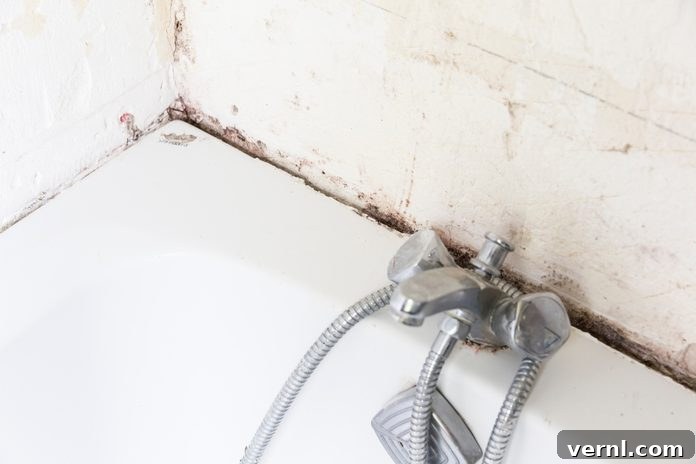
- Residual Fungi (Mold and Mildew): Beyond disease-causing pathogens, mold and mildew are persistent bathroom invaders. They flourish in damp, poorly ventilated areas, appearing as black, green, or pinkish growths on grout, caulk, and walls. While some forms are harmless, others can release spores that aggravate asthma, allergies, and other respiratory issues, particularly in sensitive individuals.
Preventing Cross-Contamination and Ensuring Proper Ventilation
To effectively manage these diverse threats, adopt practices that prevent cross-contamination. Use separate cleaning cloths for the toilet area and for other surfaces like the sink and bathtub. Always wash cleaning cloths and mop heads in hot water after use.
Furthermore, adequate ventilation is a powerful weapon against moisture-loving germs like mold and mildew. Always use your bathroom exhaust fan during and after showers and baths, and if possible, open a window to allow fresh air to circulate. This helps to dry out surfaces quickly and significantly reduces the conditions under which these fungi thrive.
Mastering Your Bathroom Cleaning Techniques
Knowing *what* to clean is only half the battle; knowing *how* to clean it correctly is equally vital. Using the wrong products, applying them incorrectly, or neglecting certain steps can render your cleaning efforts ineffective, leaving behind a false sense of security.
- Read Product Labels: Always follow the instructions on your cleaning product labels, especially for disinfectants. Many require a specific “contact time” – the duration the product needs to remain wet on the surface to effectively kill germs.
- Choose the Right Tools: Invest in a good set of cleaning tools, including brushes for scrubbing grout, microfiber cloths for wiping and polishing, and sponges for general cleaning. Avoid using the same sponge for the toilet and the sink.
- Wear Protective Gear: Gloves are essential to protect your hands from harsh chemicals and to prevent contact with germs. Consider eye protection if using strong sprays.
- Work from Top to Bottom: When cleaning, start from the highest points (e.g., light fixtures, mirrors) and work your way down to the floor. This allows gravity to pull dust and drips downwards, preventing you from re-contaminating already clean surfaces.
- Don’t Forget the Details: Light switches, doorknobs, cabinet pulls, and even the base of the toilet are frequently touched and often overlooked. Include these in your weekly disinfection routine.
Many common bathroom cleaning mistakes can actually hinder your efforts and potentially spread germs rather than eliminate them. To ensure your hard work translates into a genuinely clean and healthy space, it’s crucial to understand and avoid these pitfalls. Discover the 10 ways you could be cleaning the bathroom all wrong and refine your approach for superior results.
Conclusion: The Path to a Pristine and Healthy Bathroom
Maintaining a pristine and hygienic bathroom is not just about aesthetics; it’s a fundamental aspect of safeguarding your family’s health. The seemingly clean surfaces of your bathtub, shower, and other bathroom fixtures can be deceptive, silently harboring a diverse array of bacteria, viruses, and fungi. From the notorious biofilms on shower curtains to the invisible plume from an open toilet flush, understanding these potential threats is the first step towards effective prevention.
By adopting a consistent and thorough cleaning regimen – including weekly disinfection, monthly deep cleans, and meticulous care for all bath accessories – you can significantly reduce the presence of harmful pathogens. Remember the importance of proper ventilation to combat mold and mildew, and always close the toilet lid before flushing to prevent the spread of airborne microbes. Investing in the right cleaning products and tools, coupled with smart techniques, will empower you to tackle every germ hotspot with confidence.
Embrace these practices not as a chore, but as an essential investment in your well-being. A truly clean bathroom offers peace of mind, contributing to a healthier living environment for everyone who uses it. Make informed choices, stay vigilant, and enjoy the lasting benefits of a sparkling, germ-free sanctuary.