
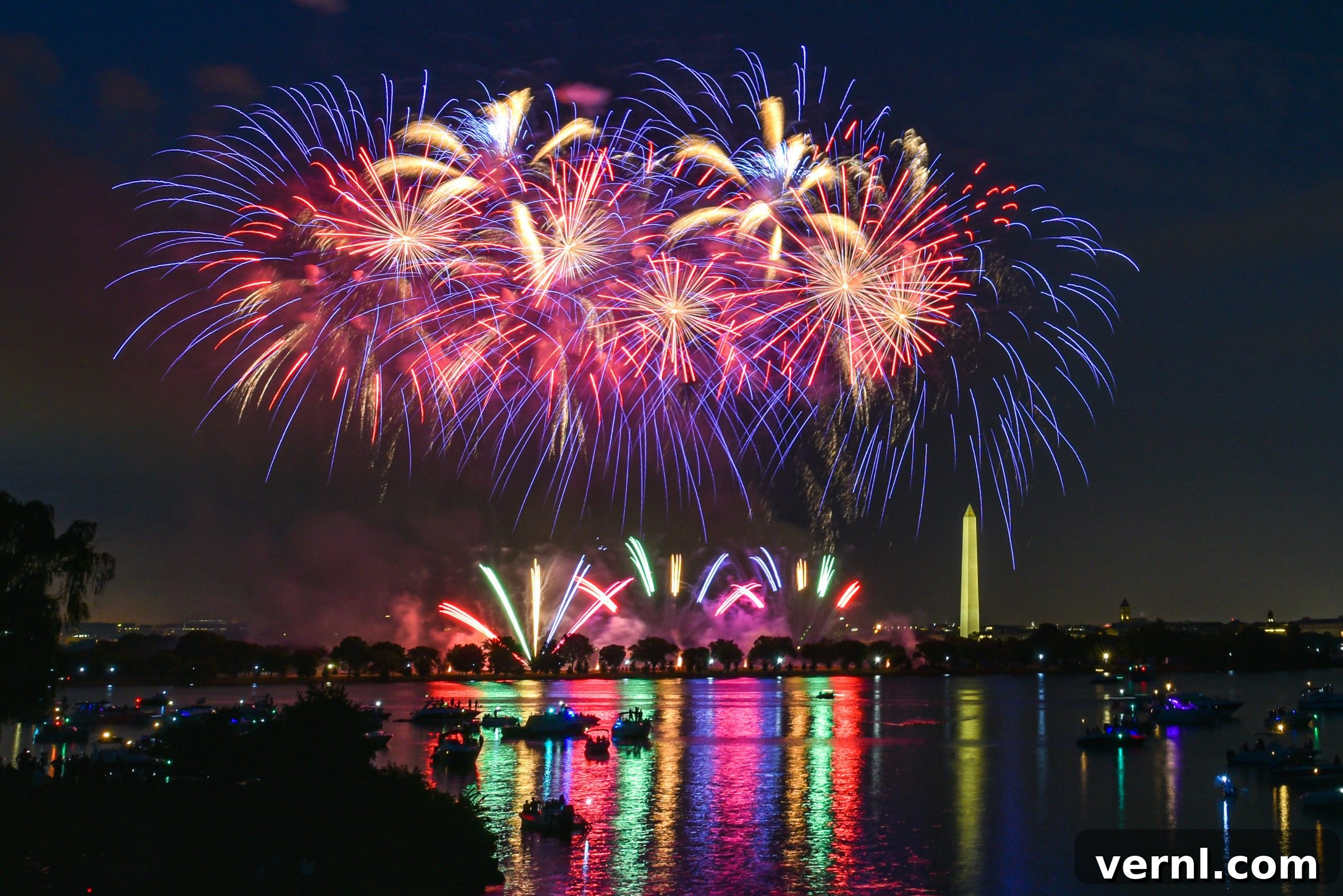
The Fourth of July is a cherished American holiday, synonymous with parades, barbecues, and dazzling fireworks displays. As families and communities gather to celebrate independence, the sky often lights up with vibrant explosions, creating unforgettable memories. However, enjoying this tradition safely and legally requires a clear understanding of the rules governing fireworks in each state. While the allure of personal pyrotechnics is strong, navigating the varying state and local regulations can be complex. This comprehensive guide aims to illuminate the legal landscape of fireworks across the United States, ensuring you can celebrate responsibly and avoid potential legal troubles. From outright bans to specific types of consumer fireworks permitted, we’ll delve into the nuances of state laws, helping you prepare for a festive and compliant Independence Day celebration.
Understanding Fireworks Legality Across the United States
The legality of fireworks in the U.S. is not a one-size-fits-all matter. Instead, it’s a patchwork of state-specific laws, with each jurisdiction defining what is permissible, when, and under what conditions. The American Pyrotechnics Association (APA), a leading advocate for the safe display and use of fireworks, serves as an invaluable resource for understanding these varied regulations. Their comprehensive state-by-state map clearly illustrates the general legal status of consumer fireworks, revealing a landscape where only one state completely prohibits their personal use, while the vast majority (49 states and Washington, D.C.) permit them in some capacity.
These regulations are often influenced by a myriad of factors, including public safety concerns, fire risks, population density, and historical precedents. It’s crucial for enthusiasts to not only be aware of state laws but also to investigate local ordinances, as many cities and counties impose additional restrictions that can supersede or further limit state-level permissions. For example, a state might allow the sale and use of certain fireworks, but a specific municipality within that state could prohibit their discharge within city limits, especially during periods of high fire danger or in densely populated areas. The APA also provides a detailed directory, making it straightforward to check the precise regulations applicable to your specific location.
The types of fireworks permitted can vary significantly. Some states may allow only “novelty” items like sparklers and snappers, while others embrace a broader range, including aerial devices, Roman candles, and firecrackers. Understanding these classifications is key to responsible celebration. For instance, while Ohio permits the sale of consumer fireworks year-round, offering residents ample opportunity to purchase their celebratory items, California takes a more restrictive approach, limiting sales to a specific window from June 28 to July 6. This stark contrast highlights the importance of checking local statutes well in advance of any planned festivities.
States Where Most Consumer Firework Types Are Legal
A significant majority of the United States, encompassing Washington, D.C., and 47 individual states, permit a wide array of “some or all types of consumer fireworks permitted by federal regulations,” as classified by the APA. This broad allowance generally includes items beyond simple novelties, often extending to aerial devices, ground devices, and firecrackers that meet federal safety standards. These states typically have established guidelines for sale, storage, and usage, focusing on ensuring public safety through responsible handling rather than outright prohibition of most consumer items.
The states within this category understand the cultural significance of fireworks and aim to balance this tradition with necessary safety precautions. While they allow a more extensive selection of pyrotechnics, users are still expected to exercise extreme caution, follow manufacturer instructions, and be mindful of their surroundings. This often means having water readily available, maintaining a safe distance from structures and dry vegetation, and ensuring children are always supervised by adults. The specific definitions of “consumer fireworks” and the exact items permitted can still vary slightly from state to state, so consulting the APA’s directory or your state’s official government website remains the best course of action.
The states in this category include:
- Alabama
- Alaska
- Arkansas
- Arizona
- California
- Colorado
- Connecticut
- Delaware
- Florida
- Georgia
- Hawaii
- Idaho
- Iowa
- Indiana
- Kansas
- Kentucky
- Louisiana
- Maine
- Maryland
- Michigan
- Minnesota
- Mississippi
- Missouri
- Montana
- Nebraska
- Nevada
- New Hampshire
- New Mexico
- New York
- New Jersey
- North Carolina
- North Dakota
- Ohio
- Oklahoma
- Oregon
- Rhode Island
- Pennsylvania
- South Carolina
- South Dakota
- Tennessee
- Texas
- Utah
- Virginia
- Washington
- West Virginia
- Wisconsin
- Wyoming
- District of Columbia
States Where Fireworks Are Legal With Specific Limitations
Amidst the broad allowances of many states, two states stand out for their significantly more restrictive approach to personal fireworks: Illinois and Vermont. These states limit legal consumer fireworks primarily to “wire or wood stick sparklers and other novelty items.” This classification typically refers to items that produce minimal light and sound, pose a lower fire risk, and do not launch into the air. Examples often include party poppers, snappers, smoke balls, and small, non-aerial fountains, in addition to the classic sparkler.
The rationale behind such stringent limitations often centers on heightened public safety concerns and a desire to minimize fire hazards, particularly in areas with dense populations or susceptible natural landscapes. While sparklers might seem innocuous, they can still burn at extremely high temperatures and pose a significant risk, especially to children. Therefore, even in states with limited allowances, responsible adult supervision and adherence to safety guidelines are paramount. Residents in Illinois and Vermont wishing to enjoy more elaborate pyrotechnic displays are encouraged to attend professional, licensed fireworks shows, which are specifically designed and executed for maximum public safety and spectacle.
- Illinois
- Vermont
The Sole State Where Personal Fireworks Are Illegal
In stark contrast to the rest of the nation, Massachusetts maintains a complete prohibition on personal fireworks displays. This makes it the only state in the U.S. where all consumer fireworks are outright illegal, regardless of type or perceived safety level. The law is explicit and strictly enforced: “Massachusetts law prohibits the possession, use, and sale of fireworks without a permit and certification.” This prohibition extends even to fireworks legally purchased in a neighboring state where they might be permissible. The state’s official website, Mass.gov, strongly advises residents to “leave fireworks to the professionals,” underscoring the severity of their stance.
The rigorous ban in Massachusetts is rooted deeply in public safety concerns, aiming to prevent injuries, property damage, and widespread fires that can result from amateur use. Historically, fireworks have been a significant cause of emergency incidents, and Massachusetts has prioritized minimizing these risks through a zero-tolerance policy for personal use. Instead of individual displays, the state encourages its citizens to enjoy the many public, professionally orchestrated fireworks shows, which offer breathtaking spectacles under controlled and safe conditions. Violating Massachusetts fireworks laws can lead to severe penalties, including fines and potential incarceration, emphasizing the state’s commitment to this critical safety measure.
Beyond Legality: Prioritizing Safety and Responsibility
While understanding the legal framework is essential, responsible fireworks use extends far beyond mere compliance with the law. Safety should always be the paramount concern, whether you’re in a state with broad allowances or one with strict limitations. Each year, thousands of injuries and numerous fires are attributed to fireworks, many of which could be prevented with proper precautions and awareness.
Essential Safety Tips for Fireworks
- Read and Follow Instructions: Always adhere to the manufacturer’s instructions on each firework device. These instructions are designed to ensure safe operation.
- Designate a Sober Adult: A responsible adult who has not consumed alcohol should be in charge of all fireworks activities.
- Clear the Area: Choose a clear, open outdoor area away from homes, dry grass, trees, and other flammable materials. Ensure spectators are at a safe distance.
- Keep Water Nearby: Have a garden hose or a bucket of water readily available to extinguish stray sparks or malfunctioning fireworks.
- Never Relight “Duds”: If a firework fails to ignite, do not attempt to relight it. Wait 15-20 minutes, then douse it with water and dispose of it safely.
- Protect Your Eyes: Always wear protective eyewear when handling and igniting fireworks.
- Never Hold or Throw: Never hold lit fireworks in your hand or throw them at others.
- Proper Disposal: After use, soak all spent fireworks in water for several hours before disposing of them in a trash can.
- Supervise Children: Children should never handle fireworks, including sparklers, without close adult supervision. Sparklers, despite their seemingly innocent appearance, can reach temperatures hot enough to melt certain metals and cause severe burns. For more on how to keep pets safe during fireworks, especially as dogs are often scared of fireworks, it’s advisable to create a secure, quiet space for them indoors.
Enjoying the Spectacle: Professional Displays and Community Events
For those in states with tight restrictions, or for anyone who prefers a safer and often more spectacular experience, attending professional fireworks displays is an excellent option. These events are meticulously planned, legally permitted, and executed by certified pyrotechnicians who adhere to rigorous safety protocols. They offer a grander scale of display, often synchronized with music, and provide a communal experience that embodies the spirit of celebration without the inherent risks of personal fireworks.
Many communities across the nation host professional fireworks shows for holidays like the Fourth of July, New Year’s Eve, and various festivals. These events are not only safer but also contribute to local economies and foster a sense of community. Checking your local city or county government website, or community event listings, can provide details on nearby professional displays. Supporting these public events is a fantastic way to enjoy the dazzling beauty of fireworks while ensuring the safety of yourself, your family, and your neighbors.
The Cultural and Economic Significance of Fireworks
Fireworks are more than just explosive devices; they are a deep-rooted part of American culture, symbolizing celebration, freedom, and national pride. Their history dates back centuries, evolving from ancient Chinese inventions to the sophisticated pyrotechnics we see today. In the United States, they became intrinsically linked with Independence Day, providing a vivid and exciting way to commemorate the birth of the nation.
Economically, the fireworks industry is substantial. It generates billions of dollars in revenue annually, supporting jobs in manufacturing, distribution, and retail. For many small businesses, the few weeks leading up to the Fourth of July represent a significant portion of their yearly income. This economic impact, coupled with the strong cultural tradition, contributes to the widespread legality and acceptance of fireworks in most states, despite the associated risks.
Conclusion: Celebrate Smart, Celebrate Safe
The Fourth of July and other festive occasions offer wonderful opportunities for celebration, and fireworks often play a central role in these joyous events. However, the key to a memorable and safe experience lies in awareness and responsibility. Before lighting any fuse, always take the time to research and understand the specific fireworks laws in your state, county, and city. Remember that legality does not equate to absolute safety, and adherence to best safety practices is crucial for preventing injuries and fires. Whether you choose to light your own consumer fireworks where permitted, or opt for the breathtaking grandeur of a professional display, make safety your priority. By doing so, you can ensure your celebrations are not only spectacular but also secure and free from unwelcome incidents, allowing you to fully embrace the spirit of the occasion.
Sources
- Leave Fireworks to the Professionals, Mass.gov.
- State Fireworks Control Laws, American Pyrotechnics Association, 2021.
RELATED ARTICLES
- The 5 States Where Winter Driving Is Most Dangerous
- Which States Have the Highest and Lowest Property Taxes?
- The Biggest Home in Each State That Will Stun You