
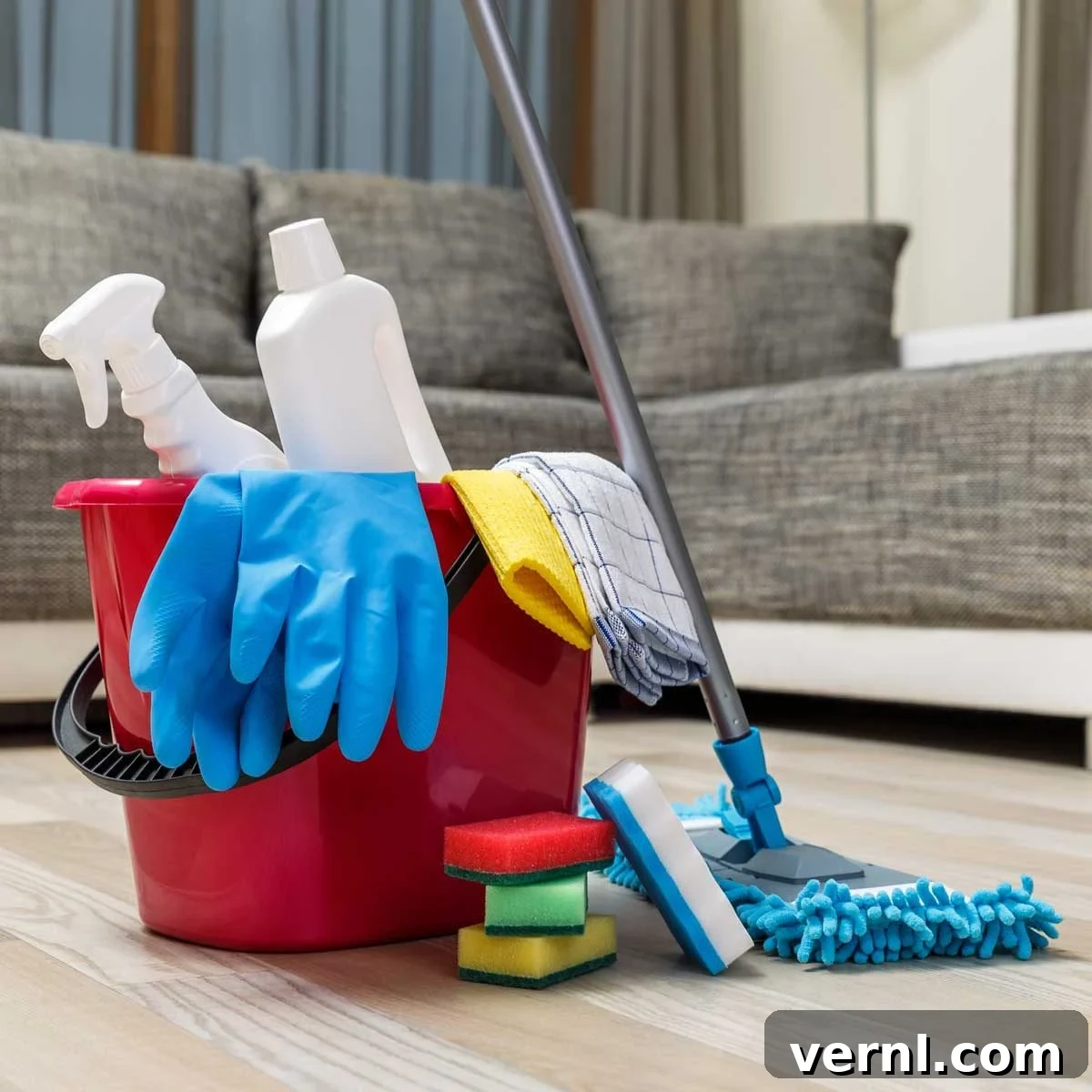
Understanding the fundamental distinction between simply “clean” and truly “disinfected” is paramount for cultivating a genuinely healthy and hygienic living space. While a cursory glance is usually sufficient to determine if a surface is free from visible dirt, dust, and debris, ascertaining whether it has been properly disinfected poses a far greater challenge. Disinfection transcends mere aesthetic cleanliness; it involves a meticulous process specifically designed to eliminate microscopic germs, bacteria, and viruses that can silently pose significant risks to our health.
This critical difference becomes particularly pronounced when we consider the persistent threat of viruses. Many viral pathogens possess a remarkable ability to remain viable and infectious on various surfaces for hours, and sometimes even days, as consistently highlighted by expert guidance from the Centers for Disease Control and Prevention (CDC). To effectively combat these threats, the CDC strongly advocates for a precise, two-step approach: first, thoroughly clean visibly dirty surfaces with soap and water to remove organic matter that can shield germs; then, proceed with disinfection to actively kill any lingering pathogens. This diligent process is absolutely vital in preventing and curbing the spread of infectious diseases, including common viral respiratory illnesses and other communicable ailments, within both private households and broader community settings.
Yet, how can homeowners confidently navigate the extensive array of products and methodologies available to achieve effective disinfection? What are the most efficacious, safest, and officially recommended practices to ensure your home is not only clean but also robustly disinfected against harmful microorganisms? This comprehensive guide aims to demystify the process, drawing upon authoritative insights from the CDC, the U.S. Environmental Protection Agency (EPA), and other trusted health and safety organizations. By empowering you with expert-backed knowledge, we aim to help you create a consistently healthier and safer home environment for yourself and your loved ones.
Understanding the Core Definitions: Cleaning, Sanitizing, and Disinfecting
Before delving into specific products and application methods, it is essential to clarify the distinct meanings of terms often used interchangeably, yet carrying different implications for germ control:
- Cleaning: This is the foundational first step. Cleaning involves the physical removal of germs, dirt, and other impurities from surfaces or objects. It typically employs soap or detergent and water, along with mechanical action like scrubbing or wiping. While cleaning doesn’t necessarily kill germs, it significantly lowers their numbers by physically removing them, thereby reducing the risk of spreading infection.
- Sanitizing: This process reduces the number of germs on surfaces or objects to a safe level, as determined by public health standards or requirements. Sanitizing agents usually involve chemicals or heat. It’s generally less potent than disinfection, aiming to significantly lower, rather than completely eliminate, all specified germs. Sanitizing is common in food service settings.
- Disinfecting: This is the most potent level of germ control discussed here. Disinfection involves the use of specialized chemicals (disinfectants) to actively kill germs on surfaces or objects. It doesn’t inherently clean a dirty surface or remove germs, but by killing pathogens on a pre-cleaned surface, it drastically lowers the risk of spreading infection. For combating viruses and bacteria in a household setting, disinfection is typically the recommended and most effective approach after initial cleaning.
For optimal protection against viruses, integrating disinfection as the second step after thorough cleaning provides the most robust defense.
Reliable Household Disinfectants: Bleach and Alcohol Explained
When it comes to effectively eliminating a wide spectrum of viruses and bacteria from surfaces within your home, two of the most potent, widely available, and CDC-recommended chemical agents are diluted household bleach and high-concentration alcohol. Each offers unique advantages and necessitates specific application methods, alongside stringent safety protocols, to ensure both maximum efficacy and user well-being.
Bleach: An Economical and Powerful Germ-Killer
Household liquid chlorine bleach stands as an exceptionally powerful and cost-effective disinfectant, explicitly endorsed by the CDC for its broad-spectrum germ-killing capabilities, including effectiveness against many viruses. However, its use demands precise attention to correct concentration, surface compatibility, and essential safety measures to guarantee optimal results and protect health.
- Precision in Dilution is Paramount: To prepare an effective disinfectant solution, the CDC advises mixing five tablespoons (approximately 1/3 cup) of regular, unscented household liquid chlorine bleach per gallon of water. For smaller applications, an equivalent ratio is four teaspoons of bleach per quart of water. It is absolutely critical to use only plain, unscented, liquid chlorine bleach. Varieties such as “splash-less” or “color-safe” bleaches typically contain additives that diminish their disinfecting potency, rendering them unsuitable for this purpose.
- Verify Expiration Dates: Bleach is not indefinitely stable; its active chemical component, sodium hypochlorite, degrades over time. Always inspect the expiration date on the bottle. Using bleach past its prime significantly reduces its germ-killing effectiveness, making your disinfection efforts less reliable.
- Application and Crucial Contact Time: Once your solution is freshly mixed, it can be safely applied to a variety of non-porous surfaces such as floors, countertops, and hard bathroom fixtures. For the bleach solution to effectively disinfect, the treated surface must remain visibly wet for a minimum of 10 minutes. This essential “contact time” allows the active chemical agent sufficient duration to penetrate and inactivate pathogens. After the recommended contact time has elapsed, wipe the area down thoroughly with a clean, disposable paper towel or a designated clean cloth. For surfaces that directly contact food or children’s mouths (e.g., toys), a final rinse with clean water is highly advisable to remove any residual bleach.
- Indispensable Safety Precautions: Always ensure you are working in a well-ventilated area when using bleach to prevent the inhalation of potentially irritating fumes. Under no circumstances should bleach be mixed with ammonia, vinegar, toilet bowl cleaners, or any other household cleaning products, as this can generate dangerous and toxic gases that are extremely harmful. Wear disposable gloves or a pair of gloves specifically reserved for chemical cleaning tasks to protect your skin. Store diluted bleach solutions in opaque, clearly labeled containers, securely out of reach of children and pets. Always prepare fresh solutions daily, as diluted bleach degrades quickly and loses its effectiveness.
Alcohol: A Versatile and Rapid-Evaporating Disinfectant
Alcohol-based disinfectants offer significant versatility and the benefit of rapid evaporation, making them particularly well-suited for a broad range of surfaces, including sensitive electronics. The two primary types of alcohol utilized for disinfection are ethanol (also known as ethyl alcohol) and isopropyl alcohol (commonly found in rubbing alcohol). While they differ slightly in their chemical structures, both perform essentially the same critical function in terms of germicidal action.
- Optimal Concentration is Key: The CDC specifically recommends using alcohol solutions with at least a 70 percent concentration for effective virus inactivation. This precise concentration is crucial because the presence of water (e.g., 30% water in a 70% alcohol solution) helps the alcohol penetrate the cell walls of germs more effectively and slows its evaporation, allowing for maximum kill power. Alcohols with concentrations below 70% are significantly less effective and should not be relied upon for disinfection.
- Direct Application Method: Unlike bleach solutions, alcohol at 70% concentration or higher can often be used at full strength without further dilution. Apply it directly to the surface using a clean, soft cloth or via a spray bottle, ensuring the surface remains thoroughly wet for the recommended contact time. While alcohol generally has a shorter contact time than bleach, it is still essential (always refer to product labels, but typically 30 seconds to several minutes for virus kill).
- Why Common Liquor is Ineffective: Despite popular misconception and common myths, alcoholic beverages such as vodka or other spirits are generally ineffective as disinfectants. Most liquors typically contain alcohol concentrations well below the critical 70 percent threshold (often 40-50%), making them insufficient to reliably kill viruses and bacteria. For disinfection, always stick to medical-grade rubbing alcohol or ethanol-based disinfectants clearly labeled with at least 70% concentration.
- Broad Range of Applications: Alcohol is exceptionally well-suited for disinfecting high-touch surfaces that may not tolerate excessive water or strong chemicals, such as light switches, doorknobs, remote controls, and various electronic devices. For certain textiles and upholstery, always perform a discreet spot-test first, as alcohol can occasionally cause discoloration or damage. You can find more specific guidance on whether you can disinfect your bed by spraying alcohol, though caution and adherence to manufacturer guidelines for textiles are always paramount.
Commercial Household Cleaners and EPA-Registered Disinfectants
Beyond the fundamental options of bleach and alcohol, the market offers a vast selection of commercial household cleaning products that carry disinfecting claims. In the United States, the U.S. Environmental Protection Agency (EPA) plays a pivotal role in rigorously regulating these products, ensuring that any item marketed or labeled as a “disinfectant” has undergone stringent testing and proven its efficacy against the specific pathogens claimed on its label.
- Understanding EPA Registration: For a product to be legally sold as a disinfectant in the U.S., it must successfully complete a comprehensive EPA registration process. This signifies that the manufacturer has submitted extensive data demonstrating its effectiveness against the germs it claims to kill. Every EPA-registered disinfectant will prominently feature an EPA registration number on its label, typically presented as a two-part number (e.g., EPA Reg. No. 12345-67).
- Identifying Active Ingredients: The EPA mandates that all disinfectants clearly list their active ingredients on the product label. These are the specific chemicals responsible for the germ-killing action. Common active ingredients found in commercial disinfectants include quaternary ammonium compounds (often referred to as “quats”), hydrogen peroxide, citric acid, and sometimes diluted forms of bleach or alcohol. Understanding these active components can assist consumers in selecting the most appropriate product for their specific needs, considering sensitivities or targeted pathogens.
- Leveraging the EPA’s List N: During public health emergencies, such as the COVID-19 pandemic, the EPA proactively compiles and regularly updates a crucial resource known as “List N: Disinfectants for Coronavirus (COVID-19).” This invaluable resource provides a comprehensive and up-to-date list of EPA-registered disinfectants that have met the agency’s criteria for effectiveness against the specific virus of concern. The list includes many popular brands like Clorox Multi-Surface Cleaner + Bleach and Lysol Disinfecting Wipes, among numerous others. To ensure your chosen product is approved for your specific disinfection needs, always cross-reference the EPA registration number found on your product label with the entries on List N.
- Strict Adherence to Label Directions is Non-Negotiable: This instruction cannot be overemphasized: always meticulously read and strictly follow the manufacturer’s directions provided on the product label. This includes critical information such as the required “contact time” (the precise duration the surface must remain visibly wet with the disinfectant for it to be effective), any necessary ventilation requirements, and all safety warnings. Failing to follow these instructions precisely can significantly compromise the product’s effectiveness, making your disinfection efforts futile, or even lead to unsafe usage.
Essential Disinfection Cleaning Tips for Maximized Efficacy and Safety
Effective disinfection is a systematic process that goes far beyond merely spraying a product onto a surface. Adhering to proper techniques and implementing crucial safety measures ensures that you are not only truly eliminating germs but also protecting your own health and the well-being of your household.
- The Golden Rule: Always Clean First: This is the cornerstone of effective disinfection. You must always clean visibly dirty surfaces with soap and water (or an appropriate general cleaning solution) before applying a disinfectant. Dirt, grime, grease, and other organic matter can physically create a barrier, preventing disinfectants from reaching and killing germs. Furthermore, some organic materials can even inactivate certain chemical disinfectants, rendering them ineffective.
- Wear Appropriate Protective Gear: When handling cleaning chemicals and disinfecting, wearing disposable rubber gloves or a pair of gloves specifically designated for cleaning tasks is essential. These protect your hands from harsh chemicals and direct contact with potentially contaminated surfaces. Always remember to wash your hands thoroughly with soap and water immediately after removing your gloves.
- Observe Contact Time Diligently: This is arguably the most frequently overlooked, yet critically important, aspect of disinfection. Every disinfectant product has a specified “contact time” – this is the precise duration a surface must remain visibly wet with the disinfectant for it to effectively kill the stated pathogens on its label. This vital information is always found on the product label. Shortening this contact time means the germs may not be fully eliminated, rendering your efforts less effective.
- Ensure Adequate Ventilation: Always work in a well-ventilated area when using disinfectants to minimize the inhalation of chemical fumes. Opening windows, activating exhaust fans, or using portable fans can help ensure good air circulation.
- Allow Surfaces to Air Dry or Rinse When Necessary: After the required contact time has been observed, allow surfaces to air dry naturally whenever possible. For surfaces that come into direct contact with food (e.g., kitchen countertops, cutting boards) or children’s toys, it is highly recommended to rinse them thoroughly with clean water after disinfection to remove any chemical residue, particularly if bleach or strong commercial disinfectants were used. The American Cleaning Institute also underscores the importance of allowing surfaces to fully dry after disinfection.
- Store Products Safely and Responsibly: Always store disinfectants in their original, clearly labeled containers in a cool, dry place, securely out of reach of children and pets. Never transfer disinfectants to unlabeled bottles, as this can lead to dangerous mix-ups and accidental exposure.
Special Considerations for Disinfecting Soft Surfaces
Soft surfaces, such as rugs, carpets, upholstered furniture, and curtains, present a different challenge for disinfection compared to hard, non-porous materials. While these materials can certainly harbor germs, direct application of harsh chemical disinfectants can potentially damage fabrics, cause discoloration, or leave undesirable residues.
- Initial Cleaning Protocols: For soft surfaces, the CDC recommends beginning with thorough cleaning using soap and water or cleaning solutions specifically formulated for those particular materials. This typically involves regular vacuuming to remove loose dirt and debris, followed by spot-cleaning stains with an appropriate fabric cleaner, strictly adhering to the product’s instructions.
- EPA-Registered Disinfectant Sprays for Soft Surfaces: After initial cleaning, you can follow up with an EPA-registered household disinfectant spray that is specifically designed for use on soft surfaces, such as Lysol Disinfectant Spray. Always check the product label for specific instructions regarding fabric compatibility and ensure it’s safe for your material type by performing a discreet spot-test in an inconspicuous area first. Allow the product to air dry completely after application.
- Comprehensive Laundry Procedures for Washable Items:
- Handling Contaminated Laundry: When handling laundry, especially items from sick individuals, it is advisable to wear disposable gloves. Avoid shaking laundry items vigorously, as this can disperse viruses and bacteria into the air, potentially spreading contamination.
- Washing Instructions and Water Temperature: Wash all items strictly according to the manufacturer’s directions found on the care label. Whenever possible and appropriate for the fabric, use the warmest allowable water setting. For many items, hot water (e.g., 140°F or 60°C) is generally more effective at killing a broader range of germs.
- Detergent and Enhanced Additives: While regular laundry detergent is highly effective for cleaning and removing dirt, for enhanced germ-killing on items like towels, bedding, or clothing from sick individuals, consider incorporating a product with activated oxygen bleach (such as OxiClean or similar brands) or a dedicated laundry sanitizer. As noted by Charles Gerba, a professor of environmental science at the University of Arizona, germs can indeed survive standard detergent washes, so these additives provide an extra layer of protection, particularly for frequently used or contaminated items.
- Thorough Drying: Ensure all items are dried thoroughly, ideally using the highest heat setting appropriate for the fabric. The heat generated by clothes dryers also plays a significant role in helping to kill remaining germs.
- Frequency of Washing: Items like towels accumulate germs rapidly due to moisture and frequent use. Wash towels frequently, ideally every two to three days, especially hand towels and bath towels.
- Don’t Forget Hampers and Baskets: Clothing hampers and laundry baskets can also become reservoirs for germs, especially if they’ve held soiled or contaminated laundry. Regularly clean and disinfect these items. A diluted bleach solution or an EPA-registered spray can be used, ensuring proper contact time and thorough rinsing if necessary, especially for plastic bins.
Safely Disinfecting Electronics: Screens, Keyboards, and Beyond
Electronic devices are ubiquitous high-touch surfaces in our daily lives, yet they are frequently overlooked during routine cleaning and disinfection efforts. However, these devices require a very specific and cautious approach due to their delicate components, sensitive screens, and varying material compositions.
- Always Consult Manufacturer’s Instructions First: The absolute first and most critical step before attempting to clean or disinfect any electronic device is to consult the manufacturer’s specific instructions. Many electronics come with explicit guidelines or warnings about which cleaning agents to use or, more importantly, to avoid. Adhering to these instructions is paramount to prevent potential damage to the device and to avoid voiding any warranties.
- Utilize Alcohol-Based Wipes or Sprays (Minimum 70% Alcohol): If the manufacturer provides no specific cleaning guidance, the CDC recommends using alcohol-based wipes or sprays containing at least 70 percent alcohol. This concentration is highly effective against viruses and bacteria, and crucially, it evaporates quickly, thereby minimizing the risk of moisture-related damage to sensitive electronic components.
- Proper Application Techniques for Electronics:
- Power Down and Unplug: Before commencing any cleaning, always ensure the device is powered off and unplugged from any power source.
- Use a Soft, Lint-Free Cloth: Rather than directly spraying the disinfectant onto the device, apply the alcohol solution to a soft, lint-free cloth, such as a microfiber cloth. This prevents excess moisture from seeping into openings or sensitive areas.
- Gently Wipe Surfaces: Gently wipe all surfaces of the device. Avoid excessive scrubbing, applying too much pressure, or saturating the cloth to prevent liquid intrusion.
- Allow to Air Dry Completely: After wiping, ensure the surface is thoroughly dry before powering the device back on. While alcohol evaporates rapidly, allowing it to air dry ensures no residual moisture remains.
- Specific Device Considerations:
- Smartphones and Tablets: These are exceptionally high-contact items. Utilize 70% isopropyl alcohol wipes or a lightly dampened microfiber cloth with 70% alcohol. Avoid abrasive materials or harsh window cleaners that can damage screen coatings.
- Keyboards and Mice: These peripherals accumulate significant grime and germs. First, turn them over and gently shake out any loose debris. Then, use alcohol wipes or a cloth for surface disinfection, paying close attention to crevices between keys.
- Remote Controls: Frequently touched but often overlooked, remote controls are prime germ carriers. Wipe them down thoroughly with an alcohol-dampened cloth.
- Touch Screens (Laptops, Monitors): For larger touch screens, stick to wipes specifically designed for electronics or a microfiber cloth lightly dampened with 70% alcohol. Avoid harsh chemicals or ammonia-based cleaners, which can strip anti-glare coatings or cause permanent damage.
- Frequency of Electronic Disinfection: Given their constant handling, personal electronics like smartphones should ideally be disinfected daily, particularly after being used in public spaces or by multiple individuals. Shared electronics within a household should also be disinfected regularly, especially after being handled by different family members.
By diligently applying these expert-backed disinfection strategies, you can significantly reduce the presence of harmful germs and viruses in your home, fostering a safer, cleaner, and ultimately healthier environment for everyone who lives there.