
Eco-Conscious Lawn Care: Nurturing a Beautiful Yard While Protecting Our Waterways
Achieving a lush, vibrant lawn and garden is a common goal for many homeowners. However, when your property borders a lake, stream, or river, the methods you choose for weed control and fertilization carry a heightened responsibility. The chemicals traditionally used to banish stubborn weeds can pose significant threats not just to unwanted plants, but also to human health, beloved pets, diverse wildlife, and the delicate balance of aquatic ecosystems. This comprehensive guide, informed by insights from environmental experts, will walk you through best practices for maintaining a stunning yard that coexists harmoniously with clean, healthy water.
Understanding the Impact of Conventional Lawn Care on Water Quality
The core challenge in waterway-adjacent lawn care lies in preventing the migration of lawn chemicals and organic matter into aquatic environments. As Kirsten Barta, an aquatic biologist and program coordinator for the Minnesota Pollution Control Agency, emphasizes, “Generally, the biggest issue is you don’t want chemicals and physical items such as clippings or leaves to be in the water body.”
The problem is complex and far-reaching. Barta explains, “The chemicals tend to be very water-soluble and contain toxic compounds that directly harm aquatic life, as well as nutrients (phosphorus and nitrogen) that will increase algae/plant growth.” This chain reaction is known as eutrophication. When these excess nutrients enter a body of water, they fuel explosive growth of algae and other aquatic plants, often visible as a thick, green “pea-soup” layer on the water’s surface. While seemingly harmless, this dense growth blocks sunlight from reaching beneficial underwater plants, which then die. As the vast quantities of algae and dead plant matter decompose, bacteria consume large amounts of dissolved oxygen in the water. “That growth then dies and the bacteria breaking it down take all the oxygen out of the water, killing fish and other organisms,” Barta warns. Many aquatic species, particularly fish and invertebrates, are incredibly sensitive to changes in their environment, and “it doesn’t take a large amount of change to kill them,” she adds.
Beyond the direct harm to aquatic life, these chemicals present risks to human health. Nitrogen, often found in fertilizers, and various pesticides can contaminate groundwater and drinking water sources, especially shallow or sandpoint wells. Consuming contaminated water can lead to serious health issues, underscoring the critical need for a more conscientious approach to lawn maintenance.
Why Eco-Friendly Weed Killers are Essential Near Lakes and Rivers
The proximity to a waterway magnifies the importance of every lawn care decision. “Pretty much any improperly or over-applied lawn care product can harm the environment, even non-toxic ones,” Barta notes. The key is not just choosing “green” products, but also applying them judiciously and only when necessary.
A fundamental step in responsible lawn care is conducting a soil test. This simple procedure provides invaluable information about your soil’s composition, pH level, and existing nutrient deficiencies. By understanding your soil’s specific needs, you can avoid the overuse or misuse of fertilizers and herbicides. “The key is to use the bare minimum, if any at all,” advises Steve McComas, known as The Lake Detective and owner of Blue Water Science. A soil test helps you tailor your approach, ensuring you’re not adding unnecessary chemicals that could ultimately wash into waterways.
Products and Chemicals to Avoid Near Waterways
To safeguard our aquatic environments, certain common lawn care products and chemicals should be avoided entirely if you live near a lake, stream, or river. Kirsten Barta highlights the following:
- RoundUp (Original Formula with Glyphosate): While widely used, many formulations of this product are not federally approved for use near water dueables. Its active ingredient, glyphosate, is readily water-soluble and can quickly contaminate drinking water sources. Beyond killing weeds, it can also devastate beneficial shoreline plants that play a crucial role in preventing erosion and filtering runoff. While specific “aquatic” formulations exist, general-purpose Roundup should be strictly avoided.
- Any Fertilizer Containing Phosphate (Phosphorus): Phosphorus is a primary culprit in harmful algal blooms. Even small amounts of phosphate runoff into lakes and streams can trigger rapid, unchecked algae growth, leading to oxygen depletion and the death of fish and other aquatic organisms. Many areas have regulations restricting or banning phosphorus in lawn fertilizers, so always check local guidelines.
- Weed-and-Feed Products: These convenient, all-in-one products combine fertilizer with herbicides. However, they generally apply far more fertilizer and herbicide than your lawn actually needs or that is appropriate for specific weed issues. Both components are often highly water-soluble, making them prone to runoff and contamination of nearby waterways. They represent a blanket approach that lacks the precision required for eco-friendly care.
- Glyphosate (General Herbicides): Beyond Roundup, glyphosate is a common active ingredient in many broad-spectrum herbicides. The danger lies in its non-selective nature; it kills virtually all plants it contacts. Near waterways, this means it can eliminate not only nuisance weeds but also important native aquatic plants and shoreline vegetation vital for ecosystem health and stability.
- 2,4-D: A frequent ingredient in broadleaf weed killers and weed-and-feed products, 2,4-D is classified as a known carcinogen and is highly toxic to aquatic life. Its presence in water bodies can have long-term adverse effects on fish, amphibians, and other organisms, disrupting reproductive cycles and overall ecosystem health.
For more detailed information and guidance on pesticides, Barta recommends consulting the National Pesticide Information Center (NPIC).
Best Practices for Safely Managing Weeds Near Water
Maintaining a beautiful, weed-free lawn doesn’t have to come at the expense of environmental health. There are numerous effective and safe methods, ranging from age-old techniques to mindful application of specialized products.
Embrace Manual and Natural Weed Control
- Good Old Hand-Pulling: As Steve McComas sagely advises, “Good old hand-pulling is always a good option.” This method is the most environmentally friendly, precise, and ensures no chemicals enter the water. It’s particularly effective for newly emerging weeds or smaller patches. Regular weeding sessions, especially after rain when the soil is soft, can keep invasive species at bay. Consider investing in a good weeding tool for leverage and comfort.
- Mulch and Weed Suppression Mats: Instead of relying on herbicides for landscaping beds, utilize physical barriers. Lay down a generous layer of mulch (wood chips, shredded bark, straw, or compost) around plants. Mulch blocks sunlight, suppressing weed growth, retaining soil moisture, and regulating soil temperature. For more persistent weeds, or in areas where a very clean look is desired, install weed suppression mats or landscape fabric beneath the mulch layer. These barriers are highly effective and completely chemical-free.
- Let Your Grass Grow Taller: A simple yet powerful strategy is to raise your mower deck. Allowing your grass to grow a little taller—about three inches is ideal for most kinds of lawn grasses—creates a dense canopy that shades out weed seeds, preventing them from germinating. Taller grass also develops deeper, stronger root systems, making it more resilient to droughts, heat stress, and pest infestations, thereby reducing the overall need for chemical treatments.
- DIY Vinegar-Based Weed Killer: For targeted weed control, a homemade solution can be highly effective. Combine one gallon of standard white vinegar (5% acetic acid), one cup of salt (table salt or Epsom salt), and one tablespoon of liquid dish soap. Stir the vinegar and salt until the salt completely dissolves, then add the dish soap. The soap acts as a surfactant, helping the solution adhere to the plant leaves. Pour the mixture into a spray bottle and liberally spritz it directly onto the weeds. Barta notes that it typically takes two to three days for this solution to work, depending on the weed species and environmental conditions. Be mindful that vinegar can also harm desirable plants, so apply it carefully only to the target weeds.
Mindful Application of Herbicides and Fertilizers (When Absolutely Necessary)
If you determine that an herbicide or fertilizer is absolutely essential for a specific problem, Barta offers critical advice:
- Choose the Lowest Toxicity: Opt for products with the lowest possible toxicity rating. Look for labels that explicitly state they are safe for use near water, or consider organic and natural formulations that pose minimal risk. Always thoroughly research product ingredients and their environmental impact.
- Allow Ample Time to Work: Not all herbicides work immediately. Apply the product according to package directions and wait the entire recommended time frame for it to take effect. Resist the urge to reapply prematurely, as this only increases the chemical load on your environment.
- Avoid Application Before Rain or on Slopes: This is paramount for preventing runoff. Never apply herbicides or fertilizers if rain is predicted within 24-48 hours. Rainfall will wash these chemicals directly into storm sewers, ditches, and ultimately, your nearby waterway. Be especially aware of properties with slopes; gravity will naturally carry chemicals downwards into sensitive areas.
- Focus on Spot Treatment: Instead of broadcasting chemicals over your entire lawn, employ spot treatment for individual weeds or small patches. This significantly reduces the total amount of chemicals introduced into the environment.
- Embrace Organic and Natural Ingredients: Many products now feature organic or natural active ingredients. While generally safer, it’s crucial to remember that even natural compounds can be harmful if over-applied or if they directly enter water bodies or wellheads. Always follow application instructions diligently.
Comprehensive Waterway-Friendly Lawn Care Practices
Beyond weed control, a holistic approach to lawn and yard maintenance can significantly reduce your environmental footprint and protect water quality. Kirsten Barta suggests these additional practices:
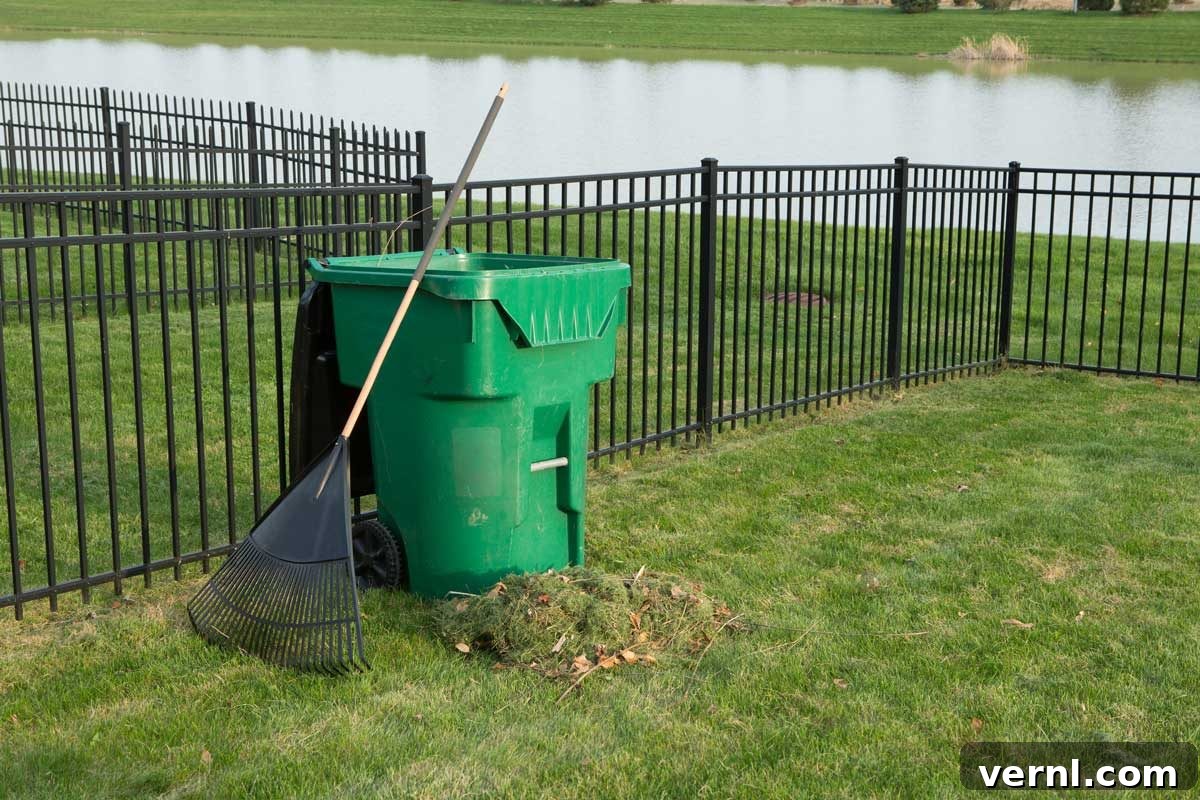
- Properly Manage Grass Clippings and Leaves: These organic materials are rich in nutrients. If left on hard surfaces or allowed to wash into storm drains, they will decompose in the water, releasing phosphorus and nitrogen, mirroring the effects of fertilizer runoff.
- Collect and Dispose: Collect grass clippings and leaves to properly dispose of them as yard waste. Check with your local waste management services for composting or collection programs.
- Compost: Adding grass clippings and leaves to a compost pile is an excellent way to recycle nutrients and create valuable soil amendment for your garden.
- Mulch on Land: You can use clippings as a natural mulch layer in garden beds, or place them atop newspaper or paper bags in weedy areas as a short-term weed suppressor.
- Avoid Burning: Burning leaves creates toxic smoke and air pollution, contributing to respiratory issues and environmental harm.
- Pick Up and Dispose of Pet Waste: Pet waste is a significant source of bacterial contamination (E. coli, giardia, salmonella) and nutrient pollution in waterways. These pathogens pose serious human health hazards, and the nutrients contribute to algae blooms. Always carry bags and properly dispose of pet waste in the trash.
- Cultivate a Native Plant Buffer Zone: One of the most effective strategies for protecting waterways is to establish a buffer of native plants or tall grasses along your shoreline. This “no-mow” zone offers multiple benefits:
- Pollutant Filtration: The dense root systems of native plants act as a natural filter, trapping sediment, phosphorus, nitrogen, and other pollutants from runoff before they reach the water.
- Erosion Control: Their deep, extensive root systems stabilize the soil, preventing erosion of the shoreline, which is crucial for maintaining water clarity and habitat.
- Wildlife Habitat: Native plants provide essential food, shelter, and breeding grounds for a wide array of local wildlife, including birds, butterflies, and beneficial insects, enhancing biodiversity.
- Reduced Maintenance: Once established, native plant buffers require very little maintenance, eliminating the need for mowing, fertilizing, or chemical treatments in these sensitive areas.
- Natural Beauty: Native plants are adapted to local conditions and offer unique beauty throughout the seasons.
- Consider a Rain Garden: For properties with significant runoff, installing a rain garden can be a highly effective solution. Rain gardens are shallow depressions planted with water-loving native plants that are designed to capture, hold, and slowly absorb stormwater runoff from impervious surfaces like roofs, driveways, and lawns. This prevents pollutants from reaching waterways and recharges groundwater.
Frequently Asked Questions (FAQ)
What is the best weed killer that won’t kill grass?
Finding a weed killer that selectively targets weeds without harming your grass depends heavily on the type of weed you’re dealing with and your specific grass type. Generally, weed killers are categorized as “broadleaf” or “grassy” weed killers. For instance, products like Ortho Weed B Gon Max and Ferti-lome Weed Out Lawn Weed Killer are formulated to effectively control broadleaf weeds (like dandelions, clover, and plantain) while leaving most common lawn grasses unharmed. For grassy weeds (like crabgrass or sedge), some specialized products exist, such as certain formulations of Roundup For Lawns that are specifically designed for use on particular grass types without killing them. However, for properties near waterways, the safest “weed killer” is prevention. Focus on manual removal, establishing healthy, dense turf through proper mowing and watering, and using natural solutions like corn gluten meal (a pre-emergent for some weeds) or the vinegar-salt-soap mixture for spot treatment.
How do I control weeds safely near a lake?
The safest and most effective approach to weed control near a lake prioritizes prevention and natural methods. The best practice begins with promoting a healthy lawn that naturally crowds out weeds – this includes proper mowing height (at least 3 inches), adequate watering, and consistent soil health maintenance (informed by soil tests). When weeds do appear, manual removal by hand or with weeding tools is the absolute safest option, ensuring no chemicals enter the water. If manual removal is impractical for extensive areas, consider natural weed killers such as corn gluten meal (a pre-emergent for many weeds) or the homemade vinegar-salt-soap solution for direct spot treatment. Only as a last resort, and after careful consideration, should you choose a low-toxicity herbicide specifically labeled as safe for aquatic environments, applied with extreme precision, avoiding slopes and imminent rainfall. Establishing a native plant buffer along the shoreline is also a highly effective long-term strategy to naturally manage unwanted vegetation and filter runoff.
About Our Experts
- Kirsten Barta is a dedicated Program Coordinator at the Minnesota Pollution Control Agency. In this vital role, she oversees the water quality certification program, working to ensure the health and safety of Minnesota’s precious water resources. Her extensive background includes experience as an environmental review project manager and previous work on projects focused on soil and water conservation, as well as a period serving as a fish biologist.
- Steve McComas, widely revered as The Lake Detective, is the founder and owner of Blue Water Science. He stands as a leading expert in the field of lake and pond restoration. With an impressive career spanning over 40 years, McComas has authored numerous authoritative handbooks and conducted hundreds of in-depth ecological studies on diverse aquatic systems, contributing significantly to our understanding and preservation of these natural treasures.
Sources
- North Shore Land Alliance: “Water Friendly Lawn Care Tips”
- NPIC: “National Pesticide Information Centre”
- Facebook: “Blue Water Science | Saint Paul MN”