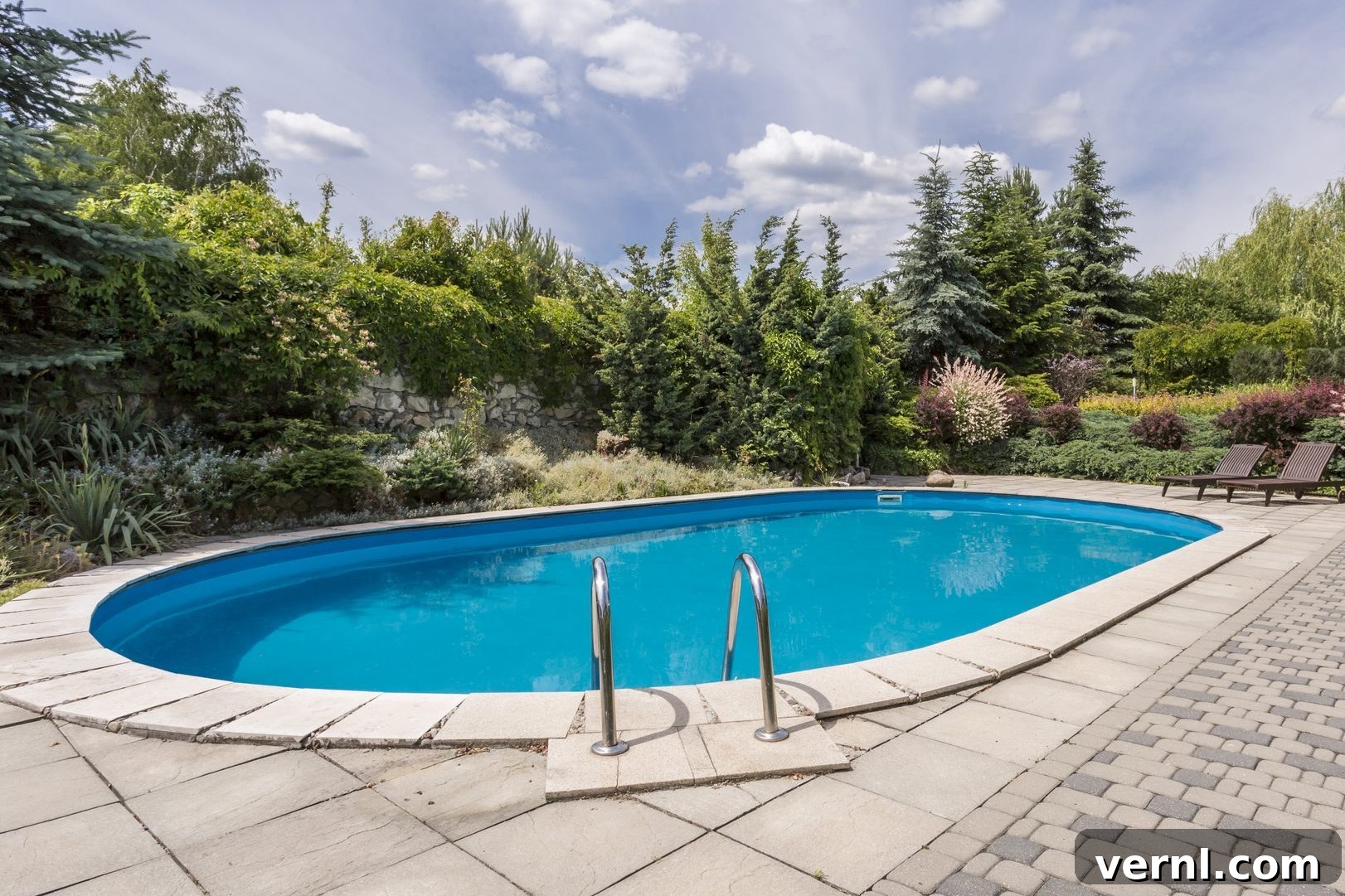
For many homeowners across the U.S., the colder months signify a temporary farewell to outdoor pool enjoyment. However, the end of swimming season doesn’t mean the end of pool care. Proper pool winterization is a critical process that ensures your pool remains in excellent condition through the off-season and is ready for a sparkling clean opening next spring. A key component of this process, and indeed year-round pool maintenance, involves meticulous attention to your filtration system.
Maintaining a healthy pool environment extends beyond just balancing chemicals; it also includes regular cleaning of your filters. While various agents like baking soda are commonly used to assist in general pool upkeep, the mechanical filtration system is the frontline defense against impurities.
There are three primary types of pool filtration systems: sand, diatomaceous earth (DE), and cartridge. Each offers distinct advantages and disadvantages in terms of performance and maintenance. Among these, cartridge filtration systems are widely recognized for their effective filtration capabilities and relative ease of maintenance, often requiring minimal technical expertise. Their simple design makes them a popular choice for many pool owners seeking a straightforward approach to keeping their water pristine.
This comprehensive guide will walk you through the essential steps and best practices for cleaning your pool filter cartridge system, ensuring optimal performance and extending the life of your pool equipment.
Why Regular Pool Filter Cartridge Cleaning is Essential for a Healthy Pool
To truly appreciate the importance of a clean pool filter cartridge, consider how similar filtration systems operate in your daily life. An air conditioner filters airborne particles to improve indoor air quality, an air purifier captures allergens and contaminants, and even a simple coffee filter separates grounds from your brew. In each case, a medium allows one substance to pass through while trapping unwanted elements.
A pool filter cartridge functions on the same principle, but with water as its medium. Water from your pool is drawn by the intake pump, pushed through the cartridge’s intricate filtration material, and then returned to the pool significantly cleaner. This continuous cycle is vital for maintaining water quality.
Pool cartridges are typically round and cylindrical, constructed from a durable, accordion-pleated polyester fabric that resembles paper but is engineered for harsh aquatic environments. These pleats create an enormous surface area designed to trap a wide spectrum of impurities. They effectively capture larger debris such as leaves, twigs, and dead insects, preventing them from recirculating. More impressively, they are capable of filtering out microscopic particulate matter and bacteria as small as 10 to 15 microns. To put that into perspective, one millimeter contains 1,000 microns, highlighting the incredibly fine level of filtration these cartridges provide.
Depending on the size of your pool and the design of your filtration system, your setup might feature a single large filter cartridge or multiple smaller, stacked cartridges. Regardless of the configuration, the principle remains the same: the more efficiently the filter operates, the cleaner your pool water will be.
The frequency and intensity of pool use directly correlate with how quickly your filter cartridges accumulate debris. A heavily used pool, especially during peak swimming season, will naturally dirty its filter much faster than one used sparingly. Allowing a filter to become excessively dirty or clogged leads to a cascade of problems that compromise both water quality and equipment longevity:
- Cloudy Water: A dirty filter cannot effectively remove fine suspended particles, leading to murky or cloudy water that is not only unappealing but also difficult to see through, posing a safety risk.
- Germs and Bacteria Buildup: Inefficient filtration allows bacteria, viruses, and other microorganisms to proliferate, creating an unhealthy swimming environment despite chemical treatments.
- Algae Growth: A clogged filter cannot remove the microscopic spores and nutrients that feed algae. This, combined with poor circulation, creates ideal conditions for unsightly and stubborn algae blooms.
- Scale Buildup: Minerals like calcium and magnesium can accumulate on the filter media, forming scale. This further reduces filtration efficiency and makes the cartridge harder to clean.
- Increased Pump Strain and Damage: Perhaps the most severe consequence of a dirty, clogged filter is the stress it places on your pool pump. The pump has to work much harder to push water through the restricted filter media, leading to increased energy consumption, accelerated wear and tear on the motor, and potentially costly damage or premature failure of the pump itself.
Regular and thorough cleaning of your pool filter cartridges is therefore not just a chore, but a fundamental aspect of maintaining a safe, clean, and cost-efficient swimming pool. It ensures maximum filtration efficiency, protects your valuable pool equipment, and guarantees a more enjoyable swimming experience.
Comprehensive Guide: How to Clean a Pool Filter Cartridge Effectively
Maintaining a clean pool filter cartridge is paramount for optimal pool health and longevity. The cleaning schedule can vary significantly based on whether your pool is in active use, running consistently through the winter, or fully winterized. For instance, if you are completely closing and covering your pool for the winter, a thorough cleaning of your filter cartridges before shutdown is essential. However, if you keep your pump running for a few hours daily during winter (without using the pool), aim to clean your filter cartridges approximately once every three months to prevent debris accumulation. It’s important to note that pools in active use, especially those with heavy bather loads, require much more frequent cleaning – at least once a month, or even more often during peak season.
Follow these detailed steps to clean your filter cartridges and ensure your pool remains healthy, whether it’s preparing for winter or sparkling for summer.
1. Prioritize Safety: Turn Off the Pump and Relieve Pressure
Before you begin any work on your filtration system, safety is paramount. Always start by ensuring your pool pump is completely switched off at the circuit breaker to prevent accidental startup. This eliminates any risk of electrical shock or injury from moving parts. Next, locate and open the air relief valve, usually a small knob or lever at the top of the filter tank. You will hear a hiss as trapped air and pressure are released from the system. Wait until all air has escaped and the pressure gauge reads zero before proceeding. This step is crucial for safely opening the filter tank without potential hazards from pressurized water.
2. Carefully Remove the Cartridge(s)
With the pump off and pressure relieved, you can now safely open the cylindrical filter tank. The method for opening varies slightly between models, but typically involves unclipping a band clamp or unscrewing a large lid. Once open, carefully lift out the filter cartridge or cartridges. Depending on your system, you might have one large cartridge or several smaller ones stacked together. Take a moment to visually inspect the cartridges as you remove them; note any obvious signs of damage or excessive debris. Gently shake off any loose leaves or large debris before proceeding to the cleaning stage.
3. Efficient Cleaning with a Garden Hose
A standard garden hose equipped with a focused nozzle sprayer attachment is your most effective tool for routine pool filter cartridge cleaning. While seemingly simple, mastering the technique ensures a truly clean filter:
- Setup: Place the filter cartridge on a flat, stable surface that allows water and dislodged debris to drain away easily. A concrete patio, driveway, or grassy area away from your pool are suitable options.
- First Pass: Begin at the top of the filter. Point the hose nozzle directly into each pleat, working your way around the entire circumference of the cartridge. The powerful stream of water should effectively dislodge dirt, oils, and other accumulated debris. You should clearly see the contaminants washing away from between the pleats.
- Second Pass and Repetition: Once you’ve completed a full circuit, flip the filter over and repeat the process, working from the opposite end. You’ll often find that the water pressure pushes dirt from one section into another during the initial rinse. Therefore, this process usually requires several rounds of rinsing and flipping until the water running off the cartridge appears clear.
- Specialized Tools: For enhanced cleaning, consider investing in a hose attachment specifically designed for pool filters. These attachments often have multiple nozzles that spray water into several pleats simultaneously, significantly speeding up and improving the cleaning process.
4. Alternative Cleaning: Utilizing an Air Compressor
In situations where water conservation is a concern, or if you prefer to avoid getting wet, an air compressor can be an effective alternative for cleaning your pool filter. However, caution is advised. Do not set the compressor to a high pounds per square inch (psi) setting, as excessive air pressure can potentially damage the delicate pleats of the filter cartridge. Start with a low psi setting for a test run, then gradually increase to a medium setting that effectively dislodges debris without causing damage. While an air compressor can be excellent for removing dry debris, you may still find a light hose rinse necessary afterward to fully remove any fine particulate matter and ensure thorough cleaning.
5. For Winterization: Deep Soak for Comprehensive Cleaning
When you are preparing your pool for its winter slumber, a simple hose rinse might not be sufficient to remove all accumulated oils, greases, and calcification. For a truly pristine winterized filter, a chemical soak is highly recommended. This process ensures your filter is completely free of stubborn residues, allowing it to perform optimally from day one next season. To perform a deep soak, you will need a non-corrosive bucket or container that is taller than your filter cartridge. For extra-large cartridges, a clean plastic garbage can might be necessary.
The choice of cleaning solution and soaking time will depend on the type and extent of buildup:
- Household Vinegar Solution: For lighter organic buildup and a more eco-friendly option, a solution of one part household white vinegar to one part water, with an overnight soak, can be very effective. This natural acid helps break down organic contaminants.
- Muriatic Acid Solution: For stubborn mineral deposits, scale, and calcification, a diluted muriatic acid solution is highly potent. Mix one part muriatic acid to 20 parts water. Immerse the cartridge for approximately one hour. EXTREME CAUTION IS ADVISED: Muriatic acid is a corrosive chemical. Always wear appropriate personal protective equipment, including chemical-resistant gloves and eye protection. Work in a well-ventilated area, and always add acid slowly to water (never water to acid) to prevent a dangerous exothermic reaction. Rinse the cartridge thoroughly with water after soaking.
- Prepared Pool Filter Cleaning Solutions: Many reputable brands offer specialized pool filter cleaning solutions. These formulations are designed to tackle specific contaminants like oils, greases, and scale. Always follow the manufacturer’s instructions precisely regarding dilution ratios and soaking times for optimal results and safety.
- Spray and Rinse Cleaners/Degreasers: As an alternative, specialized spray-on, rinse-off cleaners and degreasers can be applied directly to the cartridge. These are often effective for removing suntan lotions, body oils, and other greasy residues.
After any chemical soak, it is imperative to thoroughly rinse the cartridge with a garden hose until no cleaning solution remains. This prevents chemicals from re-entering your pool water.
6. Reassembly and System Restart
Once you are completely satisfied that the filter cartridges are clean and thoroughly rinsed, it’s time to reassemble your filtration system. Carefully reinsert the cartridges into the tank, ensuring they are properly seated and aligned. If you have multiple cartridges, make sure they are stacked correctly according to your system’s design. Close the filter tank, making sure the lid is securely fastened and any pressure lock mechanisms are engaged. Check that the O-ring is properly seated to prevent leaks. Then, close the air release valve you opened earlier. Finally, return to your circuit breaker and turn the pump back on. Briefly open the air relief valve one last time to purge any remaining trapped air from the system, then close it once the water starts flowing steadily. Monitor your pressure gauge; it should rise to its proper operating range. Once stable, your pool filtration system is ready to operate efficiently for the winter or the upcoming swimming season, ensuring clean and clear water.
When is it Time to Replace Your Pool Filter Cartridges?
While regular cleaning significantly extends the life of your pool filter cartridges, they do not last forever. Typically, pool filter cartridges have an operational lifespan of approximately 2,000 running hours, which often translates to about one to two years of regular use. However, this is merely an estimate. Various factors can accelerate wear and tear, necessitating more frequent replacement. A busy pool, for instance, with many swimmers and a high concentration of body oils, sunscreen, and other contaminants, will degrade cartridges much faster than a lightly used one.
It’s a good practice to perform a quick visual inspection of your cartridges every time you disassemble your filter housing for cleaning. This routine check can help you identify early signs of wear before they compromise your filtration system’s performance. Here are key indicators that it’s time to invest in new filter cartridges:
- Cracked End Caps or Frame: The plastic components at the top and bottom of the cartridge, known as end caps, provide structural integrity. If these show cracks or damage, the cartridge cannot hold its shape or seal properly within the filter housing, allowing unfiltered water to bypass the media.
- Torn or Frayed Pleats: The delicate pleated material is the heart of the filtration system. If you observe any tears, rips, or significant fraying in the pleats, the filter’s ability to capture fine particles is severely compromised. These damaged areas create direct pathways for debris to pass through.
- “Wilted” or Flattened Pleats: Over time, the pleats can lose their rigidity, becoming flattened or “wilted.” This reduces the effective surface area available for filtration, leading to decreased efficiency and increased pressure readings even after cleaning.
- Persistent Dirtiness After Cleaning: If, despite thorough hose rinsing and chemical soaking, your filter cartridge never truly comes clean and retains a permanent discoloration or greasy feel, it indicates that the media is saturated and no longer capable of releasing trapped contaminants.
- Consistent High-Pressure Readings: A significant and persistent increase in pressure on your filter gauge, even immediately after cleaning, suggests that the filter is no longer allowing water to flow freely. This indicates the media is permanently clogged or has lost its permeability.
- Decreased Water Flow and Clarity: If you notice a consistent reduction in water flow back to the pool, or if your pool water struggles to remain clear despite proper chemical balancing and pump operation, a failing filter cartridge is often the culprit.
Replacing worn-out filter cartridges promptly is a wise investment. It ensures your pool pump doesn’t overwork, maintaining its efficiency and extending its lifespan. More importantly, it guarantees that your pool water remains consistently clean, healthy, and inviting, allowing you to fully enjoy your swimming haven without concerns about water quality or equipment malfunction.
[cf]skyword_tracking_tag[/cf]