With grocery prices soaring and many households facing economic challenges, including delays in SNAP benefits, the issue of food waste has become more critical than ever. In this climate, a curious market trend—selling food past its official date—has gained traction, offering unbeatable prices and a compelling argument against needless waste. But the crucial question remains: is consuming items past their printed dates truly safe? This question resonates with many, especially as we seek ways to stretch our budgets and contribute to a more sustainable food system.
“If stored properly, many foods can be safely consumed long past the date on the label,” reassures Brian Labus, a distinguished food safety expert at the University of Nevada. He emphasizes, “Over time, the taste, texture or color of the foods might change, but that doesn’t mean it will make you sick.” This insight challenges a common misconception that often leads to significant, unnecessary food disposal. Understanding the nuances of these dates is key to both safeguarding your health and making informed decisions about food consumption.
Whether you’re pondering the safety of opening that expired can of beans, a package of frozen burgers from last season, or a carton of eggs that’s been in the fridge a bit too long, this comprehensive guide will equip you with the knowledge needed to navigate the often-confusing world of food expiration dates and make confident choices in your kitchen.
Understanding Food Expiration Dates: More Than Just a Number
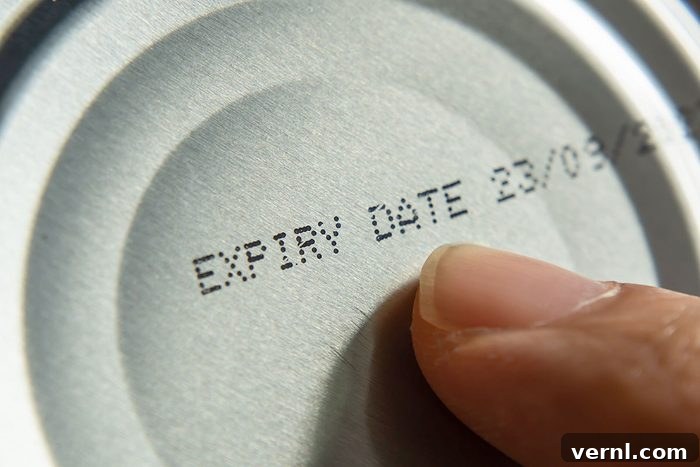
Contrary to popular belief, most food labels displaying a “date” aren’t actually about safety. With the notable exception of infant formulas, the U.S. government does not mandate expiration dates on food products. This revelation often surprises consumers, who typically assume these dates are strict indicators of a product’s edibility.
“Unfortunately, many people assume that once that date passes, the food is unsafe, and that misconception leads to tons of unnecessary food waste each year,” explains Melissa Vaccaro, a senior food safety program specialist at the National Environmental Health Association. This misunderstanding contributes to a staggering amount of food waste, estimated to be billions of pounds annually, costing consumers money and putting a strain on environmental resources. It highlights a significant disconnect between what these dates truly signify and how they are commonly interpreted by the public.
How Are Food Expiration Dates Determined?
The process of setting product dates is largely an internal decision made by food manufacturers, though they often follow testing guidelines provided by regulatory bodies like the FDA, USDA, and various state jurisdictions. These guidelines help ensure a degree of consistency and scientific rigor in determining a product’s shelf life.
Shelf-life tests are rigorous scientific assessments that measure how food products evolve over time under typical storage conditions. These tests meticulously examine several critical factors:
- Microbial Growth: This aspect focuses on how quickly undesirable microorganisms, such as bacteria, yeasts, and molds, can multiply in a product, leading to spoilage and potential health risks. Manufacturers seek to determine the point at which microbial counts could become problematic.
- Chemical Changes: Foods undergo various chemical transformations over time. These can include oxidation, which affects fats and oils, leading to rancidity, or the degradation of vitamins and other nutrients, diminishing the product’s nutritional value.
- Quality Degradation: Beyond safety, manufacturers also assess changes in sensory attributes. This includes evaluating shifts in taste (e.g., staleness, souring), color (e.g., fading, browning), and texture (e.g., softening, hardening, drying out). These factors determine when a product no longer offers the premium quality expected by consumers.
Deciphering the Labels: Expiration vs. Best By Date and More
The absence of strict legal definitions for most dating phrases means manufacturers have some latitude in their terminology. However, generally accepted meanings have emerged for the various labels you’ll find on your groceries. Understanding these distinctions is crucial for smart shopping and waste reduction.
“Best If Used By” and “Best Before”
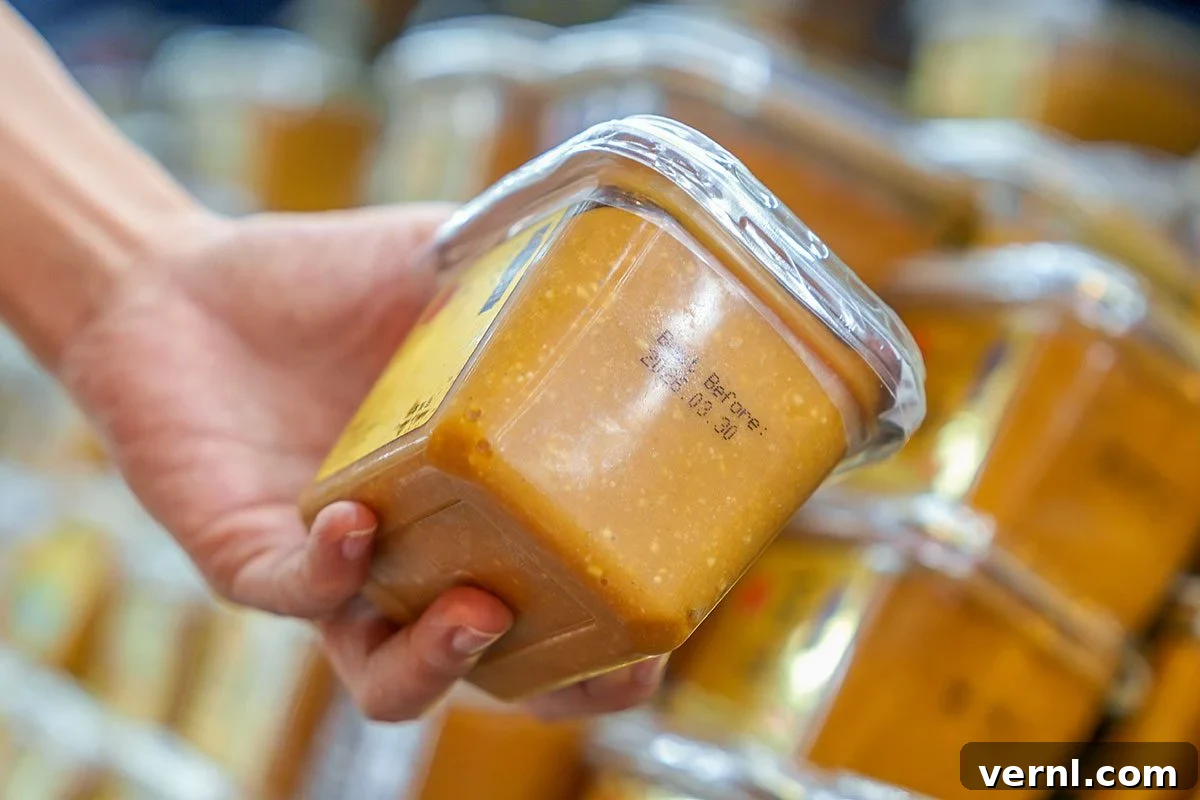
These labels are primarily indicators of a product’s peak quality. Foods are freshest and taste best before these dates, but critically, they often remain perfectly safe for consumption afterward. Brian Labus illustrates this with the example of diet soda: “If you drink a diet soda that sat in the back of the fridge for a year, it isn’t going to be sweet anymore and may even taste terrible, but it isn’t going to make you sick.” Other examples include crackers that might become stale, coffee that loses its robust aroma, or spices that diminish in potency. While the sensory experience might be compromised, the food usually poses no health risk.
“Sell By”
This date serves a completely different purpose: it’s a guide for retailers. “Sell by dates are more for the retailer to figure out how to move product off the shelves from a business standpoint,” explains food scientist Brian Chau. This date helps stores manage their inventory, ensuring products have sufficient shelf life remaining for consumers to use at home. It’s not an indication of food safety for the consumer, but rather a tool for stock rotation to ensure optimal freshness upon purchase.
“Use By”
This particular date can sometimes indicate the manufacturer’s recommendation for peak quality, but it can also signify a safety limit, especially for highly perishable items. “This is the one you should consider the drop-dead date for a product, especially for perishable foods like prepared salads, fresh pasta and so on,” advises consumer protection attorney Vineet Dubey. For these types of foods, where bacterial growth can accelerate quickly, adhering to the “Use By” date is a more conservative and safer practice.
“Expiration”
The term “Expiration” or “Exp.” is most commonly and strictly applied to baby formula and certain dietary supplements. For these products, the date signals when the nutritional content or potency might decline, or, more importantly, when the product’s safety might be compromised. The precise formulation and nutrient levels in infant formula are critical for a baby’s development, making this a true “do not use past” date.
Is It Safe to Eat Food Past the Expiration Date? Key Considerations and Food Categories
The safety of consuming food past its date hinges significantly on the type of food and, critically, how it has been stored. “If food was stored in a hot garage, the freezer lost power or the fridge door was left open frequently, the labelled date may no longer be reliable,” warns Vaccaro. Always trust your senses—sight, smell, and touch—as primary indicators of spoilage, regardless of any printed date.
Canned Food
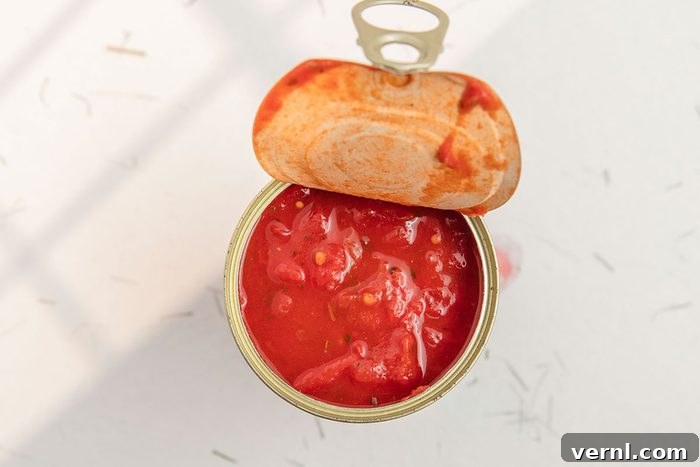
Canned goods are champions of longevity. If stored correctly, they can last indefinitely due to the airtight seal and heat treatment that eliminates microorganisms. However, their taste and texture may degrade over extended periods. Always inspect cans carefully: never consume contents from cans that are bloated, leaking, severely dented, or that spew liquid or foam upon opening. A bad smell can be a serious red flag for botulism, a potentially deadly toxin that cannot be destroyed by cooking. If in doubt, toss it out.
Storage tip: Store cans in a cool, dry place, ideally between 50-70°F (10-21°C), away from extreme heat, direct sunlight, or freezing temperatures, which can compromise the can’s integrity.
Frozen Food
Foods kept consistently frozen at 0°F (-18°C) or below can theoretically last forever, as the freezing process halts microbial growth. However, quality, not safety, is the concern over time. Freezer burn and ice crystals, caused by moisture loss and refreezing, can significantly impact taste and texture, making the food less appealing. Frozen dinners and double-packed items often fare better than delicate items like berries, fish, and meat.
Dubey suggests, “Generally, try to get through those in six to eight months to get the best taste from them.” While safe, a year-old frozen steak might not be as tender or flavorful as a fresh one. Ensure your freezer maintains a consistent temperature to minimize freezer burn.
Storage tip: Wrap foods tightly in freezer-safe bags or containers to prevent exposure to air and minimize freezer burn. Label items with the date they were frozen for better inventory management.
Fresh Produce
Nature provides clear signals when fresh produce is past its prime. “It will get mushy, slimy or smell bad,” says Labus. Signs like discoloration, mold growth, or an off-odor are definitive indicators to discard the item. “Let your eyes and nose be your guide when it comes to deciding if the produce is still edible.” Wilted greens might be salvageable with an ice bath, but any signs of rot or mold mean it’s time to say goodbye.
Storage tip: Maintain your refrigerator at or below 40°F (4°C). Store delicate greens in the high-humidity drawer to extend their crispness, and fruits that ripen faster (like bananas, apples) separately from those that spoil quickly once cut.
Dairy
Products like yogurt, milk, and cottage cheese often remain safe for a few days past their “Best By” or “Sell By” dates, but they can also spoil before the printed date if not stored optimally. “Smell and visual tests are good indicators,” notes Chau. Look for curdling, unusual discoloration, or a sour, pungent odor. Mold on hard cheeses can often be cut off, but soft cheeses with mold should be discarded entirely.
Storage Tips: Keep your fridge temperature below 40°F (4°C). Avoid storing dairy products in the refrigerator door, as this area experiences the most temperature fluctuations, accelerating spoilage.
Meat and Poultry
For raw meat and poultry, “Sell By” and “Use By” dates are critical safety indicators and should be strictly followed. These products are highly susceptible to rapid bacterial growth, even under refrigeration. “Experts recommend tossing these items if they’re [expired], or if you’re unsure about storage conditions,” advises Vaccaro. Bacteria multiply quickly, and consuming spoiled meat can lead to serious foodborne illness. If there’s any doubt about freshness, it’s best to err on the side of caution.
Storage tip: Freeze what you don’t plan to use immediately. For optimal safety and longevity, store meat in vacuum-sealed bags to prevent bacterial growth and freezer burn. Ensure proper thawing in the refrigerator, not at room temperature, as recommended by chef Chuck Hayworth.
Eggs
Eggs generally have a longer shelf life than many consumers realize. They are typically safe to eat until they develop a distinct, unpleasant sulfurous odor. Other clear indicators of spoilage include pink or iridescent discoloration within the egg, or if the shell is cracked (which allows bacteria to enter). Beyond safety, using older eggs primarily affects cooking convenience, as the yolk membrane weakens after four to five weeks. “If you are scrambling them it won’t matter,” says Labus. “But it might be harder to keep the yolks from breaking if you are cooking them over-easy.” A simple float test can also help: fresh eggs sink, while older eggs that have lost moisture and accumulated air will float.
Storage tip: Keep eggs in their original carton in the main, colder part of the fridge, rather than the door, to protect them from temperature fluctuations and absorb unwanted odors.
Dry Goods
When stored correctly, dry goods such as grains, beans, spices, flours, pasta, crackers, and cereal boast impressive longevity. They can last for years and remain safe to eat, even if they become stale or lose some flavor. “The important word here is ‘dry’,” emphasizes Labus. “Moisture is a major enemy in trying to keep food safe to eat over time,” as it encourages mold and bacterial growth. Exposure to air can also diminish flavor and alter texture.
Additionally, be vigilant for pantry pests. “You may have the cleanest home around, but weevils will still find their way into that four-year-old bucatini you’ve been saving,” warns Dubey. Inspect dry goods for any signs of insect activity before use.
Storage tips: Store dry goods in airtight containers made of glass or heavy-duty plastic, away from heat, humidity, and direct sunlight. Consider freezing grains and flours for a few days after purchase to kill any potential insect eggs.
Oils and Condiments
Over time, exposure to light, oxygen, and heat can cause oils to go rancid. Rancid oil will develop an unpleasant smell, often described as metallic or waxy, and a bitter taste. If it smells bad, it’s best to discard it. “Although it’s not likely to make you sick, it shouldn’t be used in cooking because it will ruin the taste of your food,” advises Labus. While not dangerous, it will impart an off-flavor to your dishes.
As for condiments, major commercial brands typically contain preservatives that give them a very long shelf life, even after opening. However, “If homemade or artisanal, the shelf life might be shorter depending on the components of the ingredients,” explains Chau. Always perform a smell test and check for mold around the lid or neck of the bottle, especially for less processed or homemade varieties.
Storage tips: Store oils in dark glass bottles in a cool, dark place away from heat and light. For extended longevity, some oils, particularly those high in polyunsaturated fats (like flaxseed oil), can be stored in the fridge, though this might cause them to solidify temporarily.
Foods You Should Always Avoid Eating Past Their Expiration Date
While many foods offer flexibility with their dates, a few categories pose higher risks and should be approached with extreme caution or simply discarded if past their “Use By” or “Expiration” date. These items are more prone to rapid bacterial growth or loss of critical effectiveness:
- Infant formula: As mentioned, this is a strict expiration date due to crucial nutritional content and safety standards.
- Raw meat, poultry, and seafood: These are highly perishable and can harbor dangerous bacteria even before visual signs of spoilage appear.
- Ready-to-eat meats (deli slices, hot dogs): Listeria is a particular concern with these products, and its growth is not always apparent.
- Soft cheeses and some dairy products: Soft cheeses (like brie, ricotta) and certain yogurts can quickly develop harmful mold or bacteria throughout the product.
- Bagged salads and pre-cut produce: The processing of these items can create an environment for faster bacterial growth, and visible spoilage might indicate widespread contamination.
- Ready-to-eat refrigerated foods (potato salad, tuna salad): These items are often mixtures of ingredients, providing multiple opportunities for bacterial growth.
- Any food that shows clear signs of spoilage, regardless of the date: Trust your senses. If it smells off, looks moldy, or has a strange texture, discard it.
- Medications: While not food, it’s crucial to mention that medications can lose their potency over time and, in rare cases, even become toxic after their expiration date. Always follow pharmaceutical guidelines.
Conclusion: Empowering Your Food Choices and Fighting Waste
Understanding the true meaning behind food expiration dates is a powerful tool for consumers. It empowers us to reduce the vast amounts of edible food that are needlessly discarded each year, thereby saving money and lessening our environmental footprint. While “Best By” and “Sell By” dates are primarily about quality and inventory, “Use By” and “Expiration” dates, especially for perishable items and infant formula, should be taken more seriously.
Ultimately, a combination of knowing the different date labels, practicing proper food storage, and critically, trusting your senses—sight, smell, and touch—will be your best guide. By becoming more informed and discerning, we can all contribute to a smarter, safer, and less wasteful approach to food in our homes and communities.
About the Experts
- Melissa Vaccaro, MS, CP-FS, PCQI, is a senior food safety program specialist at the National Environmental Health Association, and an expert in retail food safety and processed food systems. She frequently trains regulators across the United States on the intersection of food safety, environmental health and emergency preparedness.
- Brian Labus is an infectious disease epidemiologist with over 25 years of experience in outbreak investigation, disease surveillance and food safety. He is an associate professor of epidemiology and biostatistics at the University of Nevada, Las Vegas, School of Public Health.
- Brian Chau is a food scientist, fungal fanatic and food systems analyst who runs Chau Time, an F&B R&D and Ops consulting firm. He has helped launch more than 500 SKUs across 13 categories including shelf stable foods from jams and jellies to pickles and sauces.
- Vineet Dubey is a Los Angeles-based attorney at Custodio & Dubey LLP. He specializes in product liability and consumer protection.
- Chuck Hayworth is a private chef and medical meal specialist who helps post-op patients, professional athletes and others. He runs The Resort Chef, in North Carolina.