My initial immersion into the world of car detailing began quite unusually. Living near a spiritual teacher with an impressive collection of luxury vehicles in the 1980s, I witnessed firsthand the meticulous care required to maintain such a fleet. My specific role involved polishing the intricate metal trim, a task that demanded precision and patience after the parts were brought to the carpentry shop where I worked. This early experience, though specialized, opened my eyes to the extraordinary effort involved in keeping a vehicle in pristine condition.
While most car enthusiasts and professional detailers, like my brother who is a devoted Jaguar fanatic, might not manage a fleet of Rolls-Royces, the dedication to vehicle aesthetics and preservation remains the same. The work performed during a comprehensive car detailing session goes significantly beyond what a standard automatic car wash can offer. Detailing a car is akin to restoring the original, untouched beauty of a cherished antique furniture piece; it’s a painstaking, labor-intensive process that dramatically elevates the vehicle’s appearance, making it truly stand out from the crowd.
Many owners of vintage or high-end cars, much like my brother, find immense satisfaction in performing their own detailing as a rewarding weekend pursuit. It’s a hobby that allows them to connect with their vehicle on a deeper level. However, for those with demanding schedules or seeking professional-level results, convenient options are readily available. Most communities boast at least one dedicated professional detailing shop, and a growing number of mobile detailing services bring the expertise directly to your driveway, offering ultimate convenience.
Anyone can attempt basic car cleaning, but achieving truly outstanding detailing results, especially within a reasonable timeframe, demands years of experience, a keen eye for imperfections, and the utilization of the right tools and premium products. It’s a craft that combines art and science, transforming a worn vehicle into a gleaming masterpiece.
What Is Car Detailing?
Car detailing is a comprehensive, meticulous cleaning and restoration process that aims to make a car look as close to new as possible, both inside and out. Unlike a typical car wash that focuses on surface-level cleaning, detailing delves deeper, addressing imperfections, protecting surfaces, and rejuvenating the entire vehicle. While it might begin with an automated wash for initial dirt removal, the essence of detailing lies in the subsequent, detailed handwork. This involves a precise combination of specialized tools, high-quality cleaning supplies, and advanced techniques.
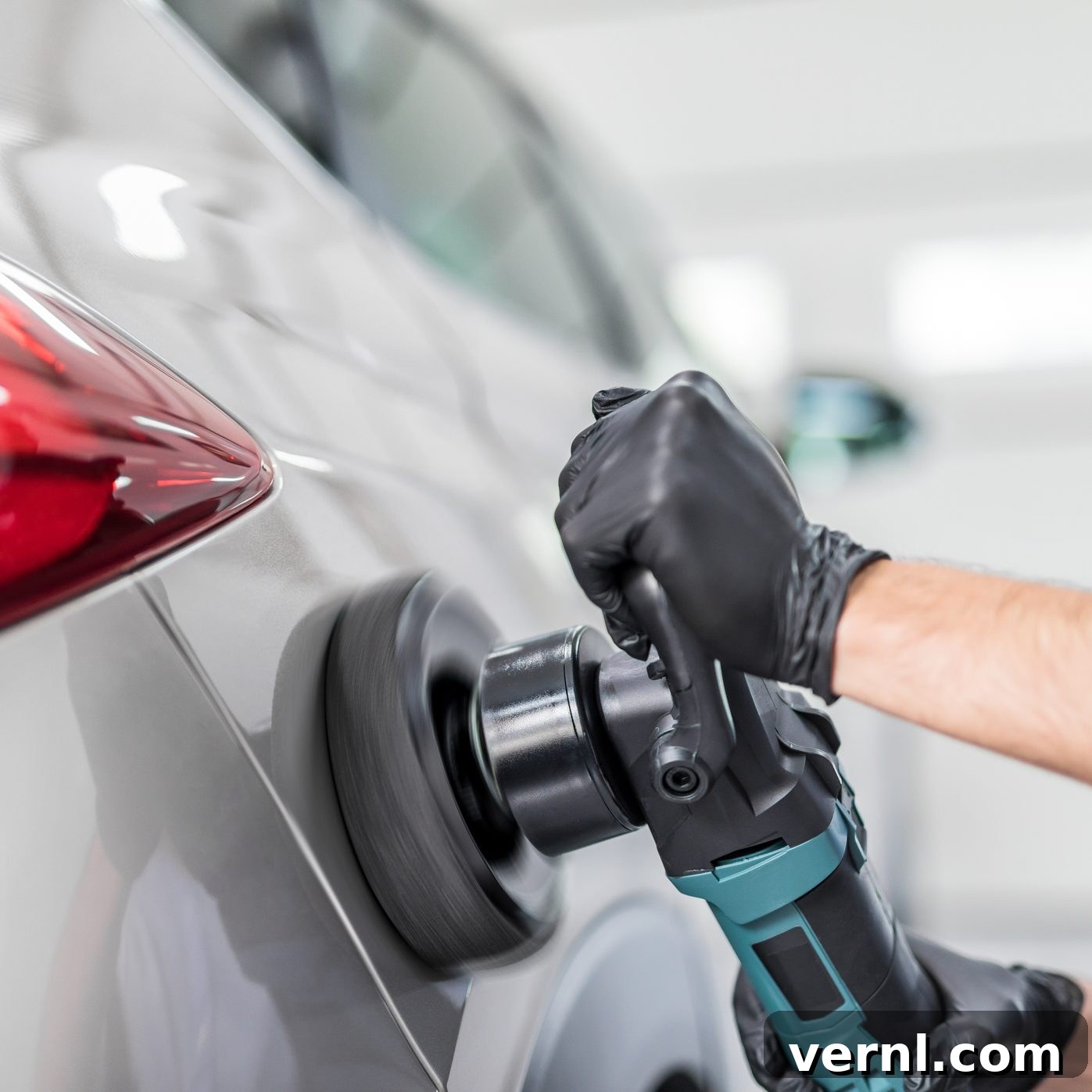
Key tools often include powerful vacuums with various attachments for reaching every crevice, specialized rotary and orbital polishers for paint correction, and an array of soft-bristled brushes. The cleaning arsenal is equally sophisticated, featuring premium microfiber cloths, clay bars to remove embedded contaminants, potent degreasers for stubborn grime, and high-grade waxes and sealants for long-lasting protection and shine. Each product and tool is selected for a specific purpose to ensure optimal results without causing damage to delicate surfaces.
A standard car detailing service typically encompasses a series of thorough procedures for the vehicle’s exterior:
- Pre-wash and Hand-wash: The process begins with a meticulous pre-rinse to loosen surface dirt, followed by a gentle yet effective hand-wash using pH-neutral car shampoos and the two-bucket method to prevent swirl marks. This ensures that all loose dirt and grime are safely removed before further steps.
- Drying: After washing, the vehicle is carefully dried using ultra-plush microfiber towels or an air blower to prevent water spots and achieve a streak-free finish.
- Contaminant Removal (Clay Bar Treatment): This crucial step involves using a clay bar to safely lift and remove embedded contaminants from the paint surface that a regular wash cannot. These can include industrial fallout, tree sap, road tar, and brake dust, which leave the paint feeling rough. The clay bar leaves the paint perfectly smooth and ready for polishing.
- Paint Correction and Polishing: This is where the vehicle’s true shine is restored. Professional detailers use compounds and polishes with orbital buffers to safely remove swirl marks, light scratches, oxidation, and other paint defects. Polishing revitalizes the paint’s color and depth, bringing back its original luster.
- Protection (Wax or Sealant Application): To preserve the newly restored finish, a high-quality wax, synthetic sealant, or even a ceramic coating is applied. These protective layers shield the paint from UV rays, environmental pollutants, and minor abrasions, while also enhancing its gloss and making future cleaning easier.
- Wheel and Tire Detailing: Wheels are thoroughly cleaned to remove brake dust and road grime, often requiring specialized brushes and iron removers. Tires are cleaned and then conditioned with a dressing that protects them from cracking and gives them a deep, rich black finish.
On the inside, standard detailing involves an equally meticulous approach:
- Thorough Vacuuming: All interior surfaces, including seats, carpets, floor mats, and the cargo area or trunk, are extensively vacuumed. This often involves using various attachments to reach tight spaces, under seats, and into console crevices. For tough stains and ingrained dirt, steam-cleaning or hot water extraction may be employed to deep clean and sanitize upholstery and carpets.
- Surface Wiping and Cleaning: The dashboard, center console, door panels, and other hard surfaces are carefully wiped down and cleaned using appropriate interior cleaners. Different materials—such as plastic, vinyl, wood trim, or carbon fiber—require specific products to avoid damage and achieve a pristine finish.
- Glass Cleaning: All interior glass, including the windshield, windows, and rearview mirrors, is cleaned to a streak-free clarity using ammonia-free glass cleaners. This significantly improves visibility and the overall aesthetic.
- Leather Care: Leather upholstery and trim are gently cleaned to remove dirt and oils, followed by conditioning. Leather conditioners hydrate the material, preventing cracking and fading, and preserving its supple feel and luxurious appearance.
- Odor Elimination and Deodorizing: The vehicle is thoroughly deodorized to remove any lingering unpleasant smells. This often involves using specialized odor eliminators, not just masking agents, followed by the application of a subtle, pleasant scent to give it that coveted “new car” smell, enhancing the overall driving experience.
- Detailing Vents and Crevices: Small brushes and air tools are used to clean dust and debris from air vents, buttons, and other intricate areas often overlooked in a regular cleaning.
Beyond the surface, some comprehensive detailing services also include engine bay cleaning, which not only improves aesthetics but can also help identify potential leaks or issues, and undercarriage cleaning to protect against rust and corrosion.
Learn more essential tips for maintaining impeccably clean car interiors.
When Is Car Detailing Important?
Car detailing is more than just a luxury; it’s an essential part of vehicle maintenance that offers numerous practical benefits. If you appreciate driving a vehicle that looks and feels new, consistent detailing is the only way to maintain that high standard of appearance and comfort. Even beyond pure aesthetics, detailing plays a crucial role in several key scenarios:
- For a More Comfortable and Healthier Ride: A detailed interior goes beyond just looking good. Detailers thoroughly remove dirt, dust, allergens, and odors that accumulate over time. This includes vacuuming pet hair, sanitizing surfaces, and cleaning the air vents, contributing to improved air quality and a more pleasant, hygienic driving environment. Clutter is removed, glass is sparkling clean for optimal visibility, and unwanted odors are eliminated, making every journey more enjoyable.
- Maximizing Resale Value: When preparing to sell your car, detailing is one of the most cost-effective investments you can make. A well-detailed car creates an immediate positive impression, signaling to potential buyers that the vehicle has been cared for. A gleaming exterior and a spotless, fresh interior can significantly increase a car’s perceived value and expedite the sale process, often resulting in a higher selling price and a quicker transaction.
- Addressing and Preventing Finish Damage: Over time, a car’s exterior is exposed to harsh elements like UV radiation, acid rain, bird droppings, road salt, and industrial fallout, all of which can damage the paint finish. Restorative detailers are experts at correcting defects such as swirl marks, oxidation, and minor scratches. Following paint correction, a protective coating (like wax, sealant, or ceramic coating) is applied to prevent further damage, preserving the paint’s integrity and vibrancy for years to come.
- Lengthening the Overall Life of Your Car: Beyond the visible surfaces, some comprehensive detailing packages offer services like underbody and engine cleaning. Cleaning the engine bay removes grime and corrosive substances that can degrade hoses, belts, and electrical components. It also makes it easier to spot potential issues such as oil leaks or damaged wires early, allowing for timely repairs and preventing more significant, costly problems down the road. Protecting the undercarriage from rust and corrosion is also vital for the long-term health of the vehicle’s structure.
- Preserving Vintage and Classic Vehicles: For owners of vintage or classic cars, detailing is not just maintenance; it’s an act of historical preservation. Without regular, specialized detailing, an old car simply looks its age, potentially degrading its value and appeal. With expert detailing, however, a vintage vehicle can be restored to its original glory, transforming it into a cherished collector’s item or a stunning showpiece, maintaining its authenticity and investment value.
- Post-Travel or Seasonal Maintenance: After long road trips, especially through varied weather conditions, or at the change of seasons, detailing can remove accumulated grime, salt, bugs, and other contaminants that can damage the vehicle if left unattended. Seasonal detailing prepares your car for the upcoming environmental challenges, whether it’s protecting against harsh winter elements or intense summer sun.
Types of Car Detailing Services
The quality and depth of car detailing services truly lie in the “details.” The more comprehensive and intricate the processes a detailer addresses, the superior the final results and, naturally, the higher the associated cost. Understanding the different types of services available helps car owners choose the best option for their needs and budget.
While not all detailing companies offer every single service, there are generally five distinct categories. You don’t always need the most expensive option; often, a targeted approach is sufficient to achieve desired results.
- Standard Exterior Detailing: This service focuses exclusively on the outside of your vehicle. The quality and scope can vary significantly. At its most basic, it might involve an enhanced hand-wash and quick polish after an automatic car wash. However, a more extensive and recommended standard exterior detail will include a thorough, complete hand washing using the two-bucket method, meticulous cleaning of wheel rims, tires, and wheel wells, paint decontamination through a clay bar treatment to remove embedded impurities, a light machine polish to restore gloss, and the application of a high-quality wax or sealant to protect the finish and enhance shine.
- Standard Interior Detailing: This service targets the inside of your car. Basic interior detailing typically involves a comprehensive vacuuming of all mats, carpets, and upholstery, a thorough wiping down of the dashboard, center console, and door panels, and a streak-free cleaning of all interior windows and mirrors. A more advanced standard interior service might incorporate steam-cleaning for deeper carpet and upholstery cleaning, extensive stain removal, deodorizing to eliminate odors, and disinfecting high-touch surfaces for improved hygiene.
- Full Car Detailing: As the name suggests, this is a comprehensive package that combines both the standard interior and standard exterior detailing services. It’s designed to give your entire vehicle a complete refresh, making it look and feel significantly cleaner and more appealing from bumper to bumper, inside and out. This is the most common choice for those seeking an all-around rejuvenation of their vehicle.
- Restorative Detailing (Corrective Detailing): This highly specialized and labor-intensive service primarily focuses on the exterior, specifically addressing significant paint defects and cosmetic damage. Restorative detailing aims to correct issues like deep swirl marks, heavy oxidation, moderate scratches, paint hazing, and flaking or fading paint. It involves multi-stage paint correction processes, using various grades of compounds and polishes with machine buffers to safely remove a thin layer of the clear coat, leveling the surface to eliminate imperfections. This process can take several days to complete, requiring immense skill, specialized equipment, and a detailer’s keen eye. Consequently, it is a considerably more expensive service. However, the results are often transformative; when completed, the car’s finish frequently looks better than it did when it was brand new, with a deep gloss and mirror-like reflection.
- Show-Car Detailing (Concours Detailing): This represents the pinnacle of detailing services, often referred to as the “Rolls-Royce of detailing.” It is specifically reserved for high-end collector cars, exotic vehicles, or vehicles being prepared for prestigious car shows (concours d’elegance) where every minute detail is judged. Show-car detailing goes beyond perfection, involving meticulous attention to even the most obscure areas – from individually polishing exhaust tips to detailing every bolt in the engine bay. It utilizes the most advanced techniques, specialized tools, and premium, often bespoke, products to achieve an absolutely flawless finish that is often enhanced with multiple layers of ceramic coatings or rare waxes. These vehicles seldom see typical road conditions, and the detailing process can span weeks, focusing on absolute perfection and preservation.
DIY Car Detailing vs. Hiring a Pro
The decision between detailing your car yourself and entrusting it to a professional often comes down to a balance of time, budget, desired results, and your personal interest in car care. For many car enthusiasts, like my brother, spending a weekend meticulously detailing their vehicle is not just a chore but an enjoyable hobby. For basic cleaning and protection, there’s absolutely no reason not to embrace the DIY approach.
The DIY Advantage:
One of the most compelling reasons to detail your car yourself is the significant cost savings. Depending on the quality and depth of service, professional car detailing can cost anywhere from $50 for a basic clean to upwards of $500 or more for comprehensive services, and thousands for restorative work. By taking on the task yourself, you can save a substantial amount of money. While there is an initial investment in purchasing the necessary tools and products—such as a good quality car wash soap, microfiber towels, a bucket system, a car vacuum, interior cleaners, wax, and possibly a polisher—these items can be reused for many detailing sessions, making the long-term cost very attractive.
DIY detailing also offers a sense of accomplishment and a deeper connection with your vehicle. It allows you to learn about your car’s surfaces, understand the products, and develop skills in car care. For routine washes, interior tidying, and applying waxes or sealants, DIY is an excellent and satisfying option.
When to Call a Professional:
However, there are crucial scenarios where hiring a professional detailer is not just recommended, but often essential. Foremost among these is restorative detailing, also known as paint correction. This highly skilled process involves using abrasive compounds and polishes with specialized machine buffers to safely remove swirl marks, scratches, oxidation, and other significant paint defects by leveling the clear coat. Without the necessary training, specific tools, and a deep understanding of paint systems, attempting restorative detailing yourself can easily lead to irreversible damage, such as burning through the clear coat or creating worse imperfections.
A professional’s expertise is invaluable for achieving a truly flawless finish. They possess the knowledge to accurately assess paint conditions, select the correct products and techniques, and apply them with precision. Matching paint color for minor touch-ups or achieving the exact sheen across the entire vehicle requires an experienced eye and steady hand. Botching this crucial step could necessitate an expensive repaint of the entire car, far exceeding the cost of professional detailing.
Furthermore, professionals have access to industrial-grade equipment and premium products not readily available to the average consumer. They can perform services like ceramic coating applications, deep interior steam cleaning, odor elimination, headlight restoration, and engine bay detailing with superior results and efficiency. Hiring a pro saves you time, eliminates the need for you to purchase specialized equipment, and guarantees a high-quality outcome, especially for complex or time-consuming tasks.
Ultimately, the choice depends on your comfort level, the extent of work required, and your desired outcome. For routine care, DIY is rewarding. For significant imperfections, long-lasting protection like ceramic coatings, or achieving a showroom-quality finish, a professional detailer is an investment that truly pays off.