Is It Safe to Do Laundry During a Thunderstorm? Protecting Your Home and Family
Life’s demands often leave us struggling to keep up with household chores. While catching up on tasks like laundry can feel urgent, especially when a storm is brewing, safety should always come first. Many of us grew up hearing warnings about using appliances or showering during thunderstorms due to the risk of electrical shocks and fire. But how much of this is myth, and how much is reality? Let’s delve into whether it’s truly safe to run your laundry machines when lightning strikes, consulting expert advice from the National Weather Service (NWS) and the Centers for Disease Control and Prevention (CDC) to provide a comprehensive understanding of the risks and precautions.
Understanding the Risks: Can You Do Laundry During a Thunderstorm?
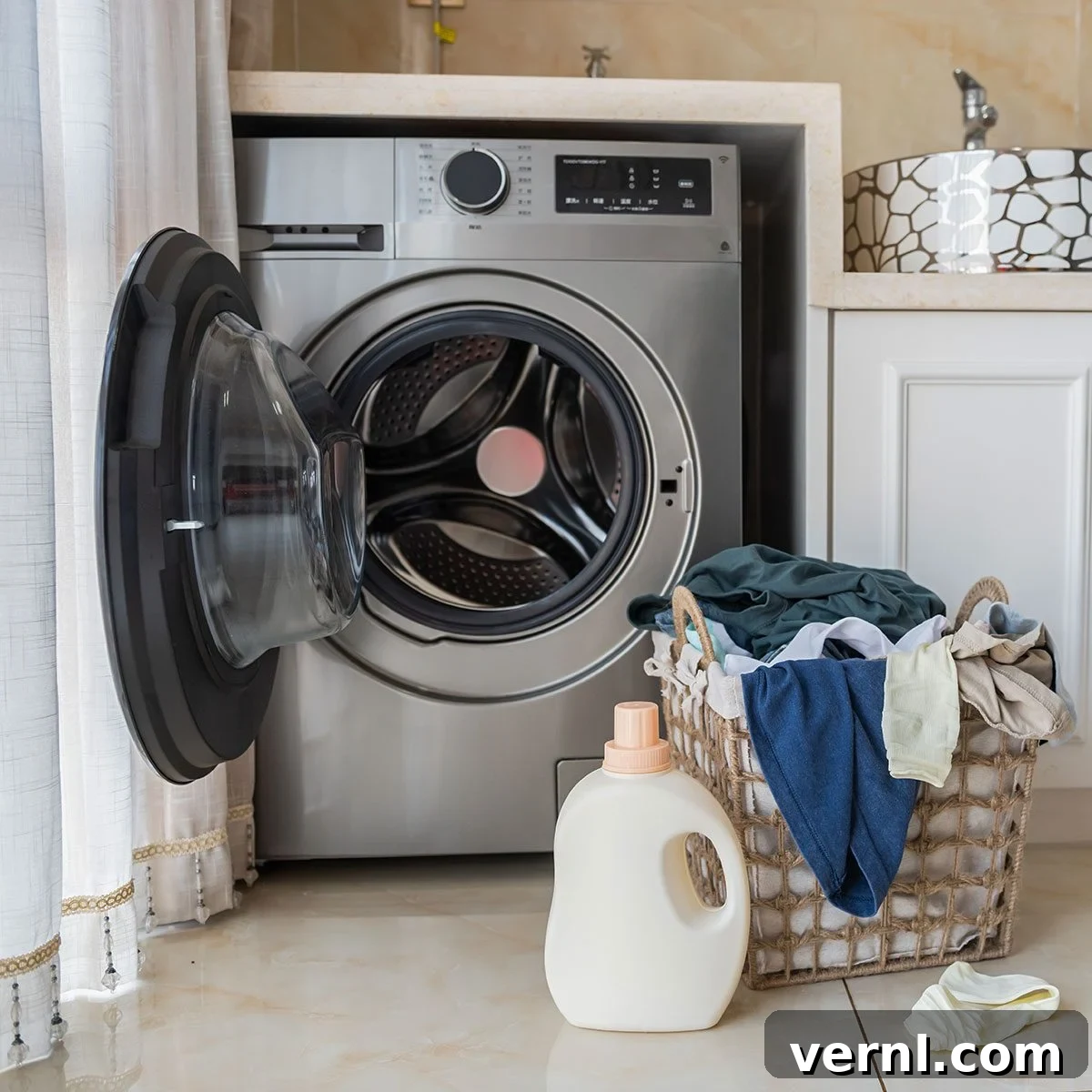
The definitive answer is no; it’s strongly advised against doing laundry during a thunderstorm. According to the NWS, any device powered by electricity, including washers and dryers, becomes vulnerable during a lightning storm. These appliances can become conductors of electricity if lightning strikes nearby, potentially leading to dangerous situations.
The NWS explicitly warns against using anything connected to an electrical outlet, highlighting computers, laptops, gaming systems, washing machines, dryers, and stoves as examples. These devices can create a pathway for lightning to enter your home, posing a significant risk to anyone in contact with them.
Why Is Doing Laundry During a Thunderstorm Dangerous?
The CDC emphasizes that lightning can travel through various systems within a building, including electrical systems, radio and television reception systems, and even metal wires or bars embedded in concrete walls and flooring. Considering that laundry machines are connected to electrical outlets, they present a clear hazard. If your washing machine or dryer is running when lightning strikes your home, it can easily conduct electricity, potentially causing electrical shocks or fires.
The danger extends beyond electrical appliances. Even gas-powered appliances can pose risks during a thunderstorm. While your laundry machines might not be directly connected to the electrical system, the washing machine still relies on water to clean your clothes. Although the CDC notes that the risk of lightning traveling through plumbing might be lower with plastic pipes compared to metal pipes, the possibility still exists.
Therefore, it’s crucial to avoid any contact with plumbing and running water during a lightning storm to minimize the risk of being struck. The NWS supports this advice, noting that both metal plumbing and the water inside are excellent conductors of electricity. Therefore, activities like washing your hands, showering, or doing laundry should be postponed until the storm has completely passed.
Protecting Yourself and Your Home: Essential Safety Measures
While it’s impossible to eliminate all risks associated with lightning, there are several proactive steps you can take to significantly reduce your chances of being struck and protect your home. The primary and most important measure is to seek shelter indoors. The NWS clearly states that “being inside a house or other building with electrical wiring and plumbing is your safest option during a thunderstorm.”
However, being indoors does not guarantee complete safety. It’s essential to follow specific safety guidelines while inside your shelter to further minimize your risk. Taking the following precautions can make a significant difference:
Electricity Safety
One of the most effective ways to protect your appliances is to install whole-house surge protectors, as recommended by the CDC. These devices can help divert excess voltage caused by lightning strikes away from your appliances, preventing damage and reducing the risk of electrical fires. The NWS also advises unplugging certain appliances or electronics, but it’s crucial to do this before the storm arrives to avoid putting yourself at risk during the height of the storm.
Consider these specific electricity-related safety measures:
- Install Whole-House Surge Protectors: Protect your appliances from power surges caused by lightning.
- Unplug Sensitive Electronics: Before a storm, unplug computers, TVs, and other sensitive electronics to prevent damage.
- Avoid Contact with Electrical Cords: During the storm, stay away from electrical cords and outlets.
Plumbing Safety
The CDC advises against bathing, showering, washing dishes, or having any other contact with water during a thunderstorm. Lightning can travel through a building’s plumbing, making these activities dangerous. The NWS reinforces this advice, specifically mentioning that washing your hands and doing laundry are risky during a storm. Wait until the storm has completely passed before resuming any activities involving water.
Here are additional plumbing safety tips to keep in mind:
- Avoid Using Water: Refrain from showering, washing dishes, or doing laundry during the storm.
- Stay Away from Faucets and Pipes: Keep a safe distance from metal faucets and pipes.
- Consider Plastic Pipes: While not foolproof, plastic pipes may offer slightly better protection than metal pipes.
Additional Safety Tips During a Thunderstorm
Besides electrical and plumbing safety, consider these extra tips during a thunderstorm:
- Stay Indoors: Remain inside a sturdy building until the storm has passed.
- Avoid Windows and Doors: Keep away from windows and doors during the storm.
- Monitor Weather Updates: Stay informed about weather conditions using a reliable weather app or radio.
- Secure Outdoor Objects: Bring in or secure any outdoor objects that could be blown around by strong winds.
- If Outdoors, Find Low Ground: If you can’t reach shelter, find a low-lying area away from trees and metal objects.
When Is It Safe to Resume Activities?
It’s important to wait at least 30 minutes after the last clap of thunder before resuming outdoor activities or using appliances. Lightning can still strike even after the visible storm has passed. Staying vigilant and patient ensures your safety and the safety of your loved ones.
By following these guidelines and taking proactive measures, you can significantly reduce your risk of lightning-related injuries and protect your home from potential damage. Remember, safety should always be a top priority during a thunderstorm. Delaying your laundry or other chores is a small price to pay for peace of mind and protection.
Staying Informed: Reliable Resources
For more detailed information and updates on lightning safety, refer to these trusted sources:
- National Weather Service (NWS): Regularly updates weather alerts and safety guidelines.
- Centers for Disease Control and Prevention (CDC): Provides comprehensive health and safety information.
- Local News Outlets: Offer real-time weather updates and safety tips specific to your area.
Conclusion: Prioritizing Safety During Thunderstorms
While the desire to catch up on household tasks is understandable, it’s crucial to prioritize safety during a thunderstorm. Running laundry machines or engaging in activities that involve electricity or plumbing can expose you and your home to unnecessary risks. By following the guidelines provided by the NWS and CDC, you can significantly reduce these risks and protect yourself, your family, and your property. Taking the time to prepare and take precautions ensures that you can weather any storm safely and confidently.
Sources
- Lightning Safety Awareness Week, National Weather Service
- Safety Guidelines: Lightning, Center for Disease Control
Related Articles
- The Real Reason Aluminum Foil Has a Shiny Side and a Dull Side
- Think Adirondack Chairs Are Uncomfortable? You’re Using Them Wrong
- Why You Shouldn’t Crush Aluminum Cans Before Recycling