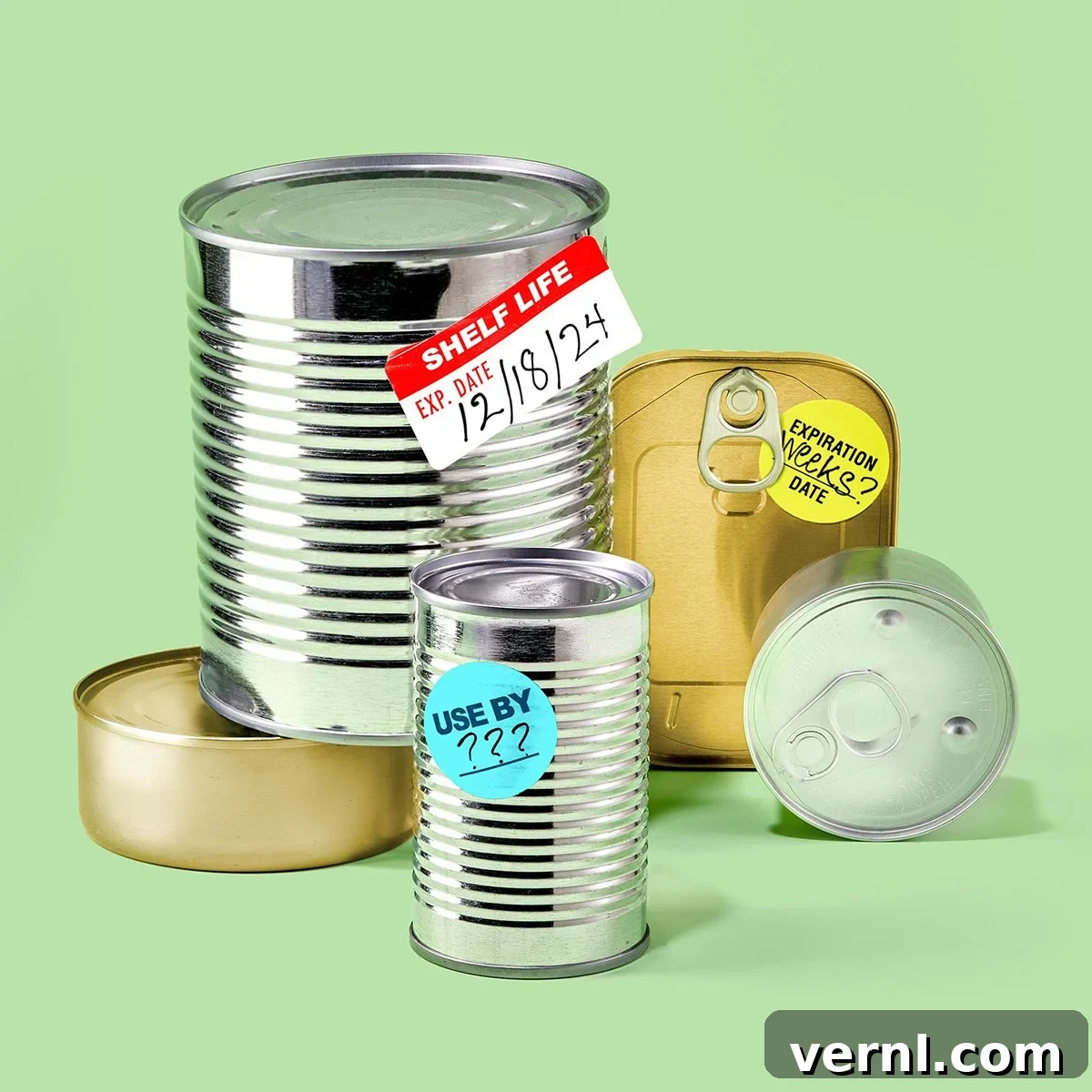
Decoding Canned Food Expiration Dates: Safety, Storage, and Shelf Life
Do you ever find yourself with an abundance of canned goods, only to realize their expiration dates have passed? Many people, especially those living in areas prone to weather-related disruptions, tend to overstock their pantries. But what happens when you can’t consume everything before the dates printed on the cans? Throwing them away seems like the only option, but often, it’s simply a waste of perfectly good food. Especially now, with grocery prices constantly on the rise, understanding the reality behind those dates can save you money and reduce food waste.
According to infectious disease epidemiologist Brian Labus, “Dates on cans are about maintaining the quality of the product, not food safety. If the cans have been stored properly, they should be edible long past that date.” This insight offers a much-needed perspective on how we perceive and handle canned goods.
If you’ve discovered a stash of canned goods with past-due dates in your pantry, don’t panic! This guide will help you determine whether they’re still safe to eat, providing you with the knowledge to make informed decisions about your food storage.
Understanding Canned Food Shelf Life
Commercially canned foods, when stored correctly and free from damage, generally remain safe to eat well beyond their expiration dates. However, it’s important to remember that “this doesn’t mean that the quality of those products will remain high forever,” explains Labus. “The sooner you consume them, the better they will be.” While safety isn’t always a concern, the flavor and texture of the food can degrade over time, affecting your overall eating experience.
Once a can is opened, the contents should be consumed promptly, similar to any other leftovers in your refrigerator. Opened canned goods are susceptible to spoilage once exposed to air and potential contaminants.
Average Shelf Life by Type of Canned Food
The shelf life of canned goods can vary depending on the type of food they contain. Acidity levels play a significant role in determining how long a canned product remains at its best. Here’s a breakdown by food category:
Fruit
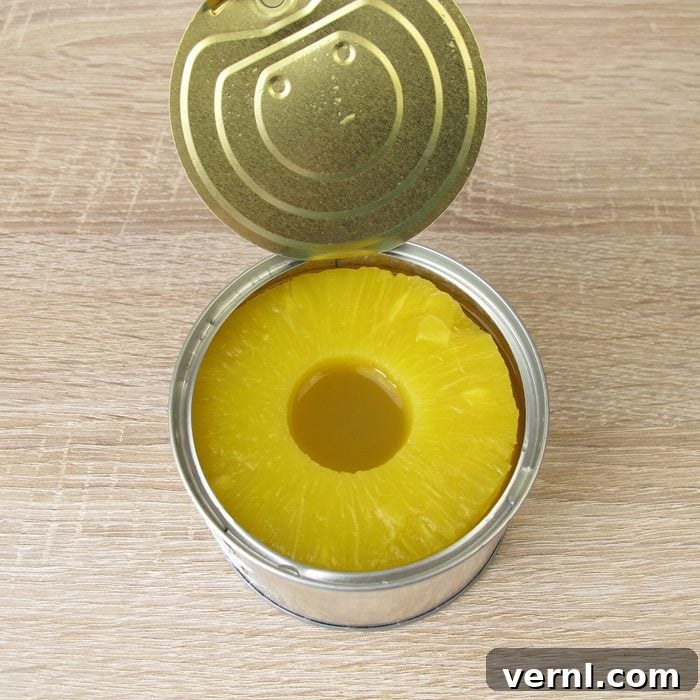
Fruits processed into jams, jellies, and preserves are usually given a 12-month shelf life. These products often contain acidic ingredients like lemon juice concentrate or citric acid, which help in the preservation process. Labus recommends consuming these items, along with naturally acidic fruits like pineapple and tomatoes, within 12 to 18 months of the date printed on the can. Beyond this timeframe, the acid can start to react with the metal lining of the can, potentially affecting the food’s quality and taste.
Meat and Fish
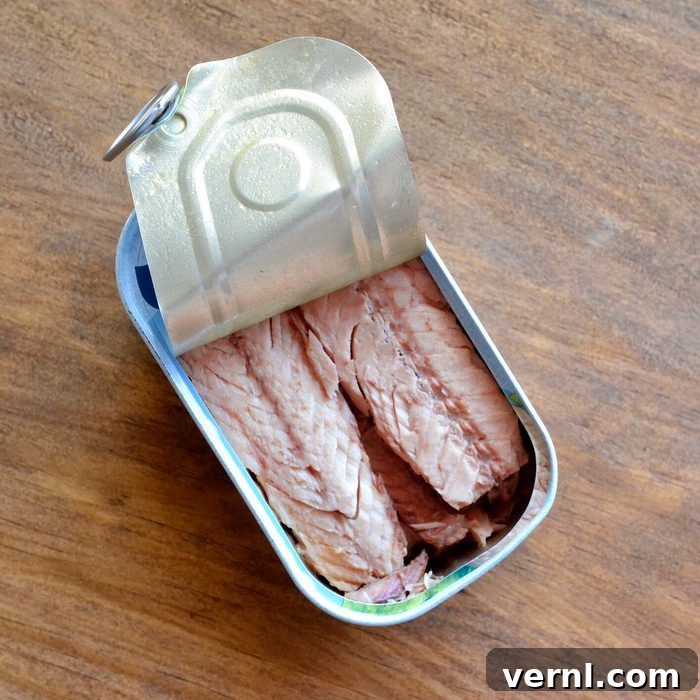
Meats and fish, generally low in acid, tend to have a longer shelf life, often extending to 18 months or more. They are typically canned using a retort process, which resembles pressure-cooking. Food scientist Brian Chau explains, “The time and temperature ensure food safety,” effectively eliminating harmful bacteria and preserving the contents. This process allows for a more extended period of safe consumption.
Soups and Vegetables
Most soups and vegetables are also low in acidity, contributing to a longer shelf life. Labus suggests consuming these items within two to five years of the date on the can. “After this, the taste, texture, or color of these products may decline, although that doesn’t mean they will make you sick,” he clarifies. While the food might not be at its peak quality, it’s usually still safe to eat.
Tomato-Based Foods
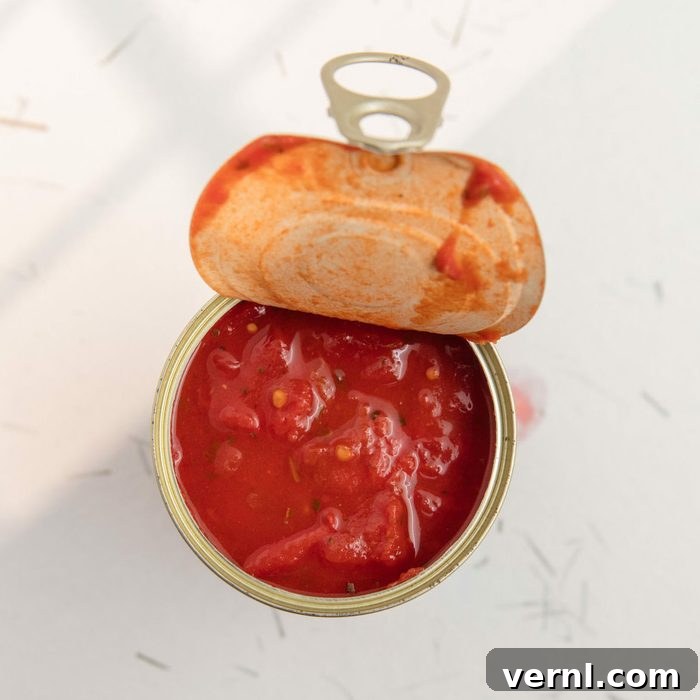
Tomato-based products, including salsa, Bloody Mary mix, pasta sauce, and pickled green tomatoes, contain acid and are often further acidified during the canning process. Similar to fruit, these items are best consumed more quickly to maintain their optimal quality. It’s generally advisable to use them within 12-18 months of the canning date.
How to Tell if Canned Food Has Gone Bad
While expiration dates provide a guideline, it’s crucial to inspect the can and its contents for signs of spoilage. Here are some warning signs to watch out for:
- Unusual Odor: If the food smells bad or off, discard it immediately.
- Bloated or Bulging Can: A bloated or bulging can indicates gas production, a sign of bacterial contamination.
- Leaking Can: Any leakage suggests a compromised seal, allowing bacteria to enter.
- Squirting Liquid: If liquid spurts out when you open the can, it’s another sign of gas production and potential spoilage.
- Damaged, Rusted, or Heavily Dented Can: Avoid eating food from cans that are damaged, rusted, or heavily dented, especially along the seam. These imperfections can compromise the can’s integrity and allow contaminants to enter.
If you observe any of these signs, do not eat the food. It could make you very sick.
Factors That Affect Shelf Life
Several factors influence the shelf life of canned goods, including storage conditions and the composition of the food itself.
Proper storage is paramount. The ideal environment for canned goods is cool and dry, such as a pantry. “It’s all about keeping cans from being damaged,” says Labus. “This means keeping them away from moisture, which can cause rust, physical damage, and other factors like temperature fluctuations, which can affect the quality.”
The food’s composition also plays a significant role. Canned goods with a higher water content are more susceptible to microbial growth. Conversely, ingredients like smoke, alcohol, cultured dextrose, and artificial preservatives such as sodium benzoate or potassium sorbate can help inhibit microbial growth, as explained by Chau.
Sugar and salt also act as natural preservatives by decreasing microbial activity. “Syrups like honey or maple have a longer shelf life because of the amount of sugar bound to the water that makes it a syrup,” Chau adds.
FAQ
Does refrigeration or freezing extend the life of canned goods?
Not really. Refrigeration can slightly extend the shelf life, but freezing cans is not recommended. Freezing can cause the water inside to expand, potentially damaging the seal and compromising the can’s integrity. “Canned goods are called ‘shelf stable’ for a reason,” says Labus. “They are designed so that they do not need to be refrigerated to maintain safety or quality.”
How should I store canned foods to maximize their shelf life?
Store canned goods in a cool, dry place to protect them from damage and maintain food quality. “Don’t store them in places where the temperature can vary considerably, like in your garage or next to the oven, or under the sink, where they can get wet,” advises Labus. Consistent temperature and humidity levels are crucial for preserving the quality and safety of canned foods.
About the Experts
- Brian Labus is an infectious disease epidemiologist with over 25 years of experience in outbreak investigation, disease surveillance, and food safety. He is an associate professor of epidemiology and biostatistics at the University of Nevada, Las Vegas, School of Public Health.
- Brian Chau is a food scientist, fungal fanatic, and food systems analyst who runs Chau Time, an F&B R&D and Ops consulting firm. He has helped launch more than 500 SKUs across 13 categories, including shelf-stable foods from jams and jellies to pickles and sauces.
Related Articles
- Understanding the Different Types of Food Preservation
- Best Practices for Pantry Organization and Storage
- How to Reduce Food Waste in Your Kitchen