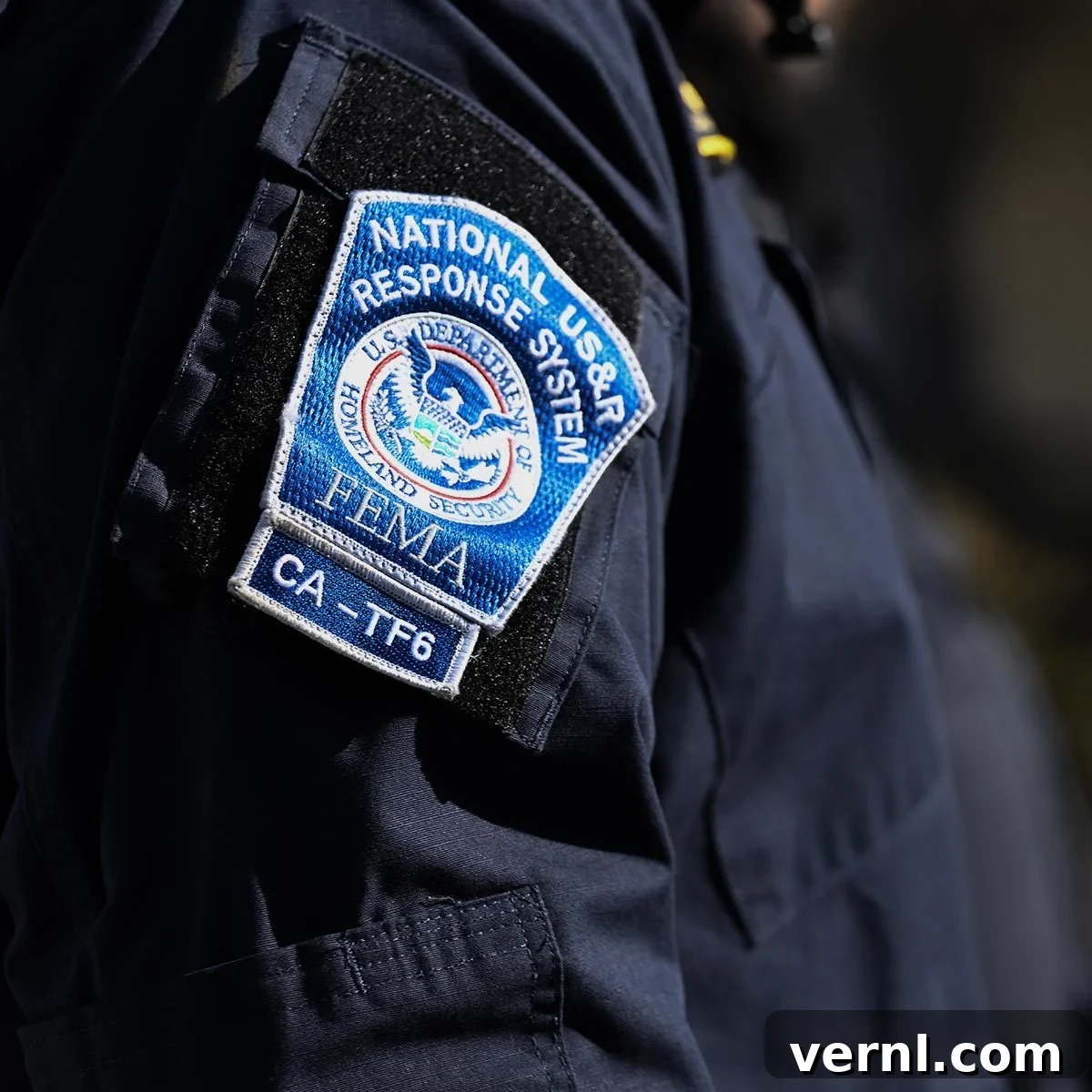
Navigating Disaster Recovery: Essential Guide to Avoiding FEMA Scams
The aftermath of natural disasters, such as the recent devastating wildfires sweeping across California, marks an incredibly challenging period for affected communities. While some families impacted by blazes like the Eaton fire may soon begin the long process of returning home, many displaced by the Palisades fire and similar catastrophes face a more protracted and uncertain journey. In these trying times, the Federal Emergency Management Agency (FEMA) stands as a beacon of hope, promising vital aid to those who have lost their homes, possessions, or otherwise suffered immense devastation. However, just as unscrupulous contractor scams frequently emerge in the wake of emergencies, a parallel threat exists: FEMA scams. Recognizing these deceptive ploys is not merely advisable; it is absolutely crucial for protecting your financial stability and personal information during an already vulnerable period.
The process of regrouping and rebuilding after a disaster is inherently fraught with difficulty, compounded by the urgent need for swift action. Families are often still reeling from shock, grief, and trauma, needing precious time to breathe, process their losses, and formulate a plan for the future. Yet, the realities of recovery demand immediate attention to critical tasks such as securing temporary housing, filing complex insurance claims, and applying for every available form of aid. This compressed timeline, unfortunately, creates fertile ground for fraudsters to exploit the desperation and confusion of victims, making it challenging to differentiate legitimate assistance from malicious schemes.
Under normal circumstances, unsolicited calls demanding quick action or immediate submission of personal information would reasonably trigger significant red flags. But when individuals are grappling with the immense burden of finding shelter for their loved ones, researching every potential avenue for relief, and initiating the arduous process of rebuilding their lives – all while still navigating emotional shock or profound grief – their capacity for critical discernment is severely compromised. In this highly stressed state, it becomes significantly harder to distinguish genuine applications for assistance from elaborate scams designed to exploit their vulnerability.
Common FEMA Scams: What to Watch Out For
During a disaster, the information landscape becomes muddled, and disinformation can be incredibly difficult to sift through. Scammers expertly leverage this environment of confusion and misinformation to make their ploys appear more convincing and legitimate. Understanding the typical tactics employed by these fraudsters is your first line of defense. The most prevalent FEMA scams often revolve around demands for hefty application fees or promises of immediate, expedited aid. Sometimes, the primary goal of these scammers is simply to defraud you of money; other times, they seek to harvest your sensitive personal details, opening the door to devastating identity theft and further financial exploitation.
FEMA actively combats these fraudulent activities by maintaining a regularly updated list of widely reported scams and rumors. This essential resource debunks false claims with accurate information, empowering you to protect yourself and your community. Key indicators of potential scams include:
- Receiving instructions to call a specific, unofficial phone number to receive immediate cash payments or expedited relief funds.
- Being encouraged to contact a particular phone number to secure immediate financial assistance for hotel accommodations, especially if it requires upfront payment or personal financial details.
- Any request for payment or a “processing fee” to apply for legitimate federal financial relief programs.
- Individuals falsely claiming to be FEMA inspectors or officials, demanding payment for services or attempting to gain unauthorized access to your property.
- Unsolicited emails, texts, or social media messages containing suspicious links or requesting personal information, falsely claiming to be from FEMA.
As a steadfast general rule of thumb, if you are ever directed to pay a fee, provide sensitive personal financial information over the phone or via unofficial channels, or apply for assistance anywhere other than the official FEMA website, `www.fema.gov`, you are almost certainly being targeted by a scammer.
Understanding FEMA’s Legitimate Processes and How to Apply for Aid
FEMA’s mission is to support citizens and first responders to ensure that as a nation, we work together to build, sustain, and improve our capability to prepare for, protect against, respond to, recover from, and mitigate all hazards. When disaster strikes, FEMA coordinates the federal government’s role in preparing for, preventing, mitigating the effects of, responding to, and recovering from all domestic disasters, whether natural or man-made. This includes providing individual assistance to help eligible survivors meet immediate needs and regain stability.
Crucially, applying for FEMA assistance is always free. There are no fees associated with registration, application processing, or inspections. Official FEMA representatives will never ask for money or charge fees. All legitimate applications for disaster aid must be submitted through official channels, primarily via the FEMA website, by calling their official helpline, or visiting a designated Disaster Recovery Center (DRC).
For those in need of specific FEMA California Wildfire Assistance, the legitimate application and comprehensive information can be found directly on the official FEMA website. Remember, there is absolutely no fee whatsoever to apply for any form of FEMA disaster relief.
Proactive Measures to Safeguard Against Fraud
Protecting yourself and your family during the vulnerable post-disaster period requires active vigilance and an understanding of key protective strategies:
- Verify Identity: Always ask for official identification from anyone claiming to be a FEMA representative, inspector, or contractor. Legitimate FEMA personnel will carry official laminated IDs with a photo. If in doubt, call the official FEMA helpline (1-800-621-FEMA) to verify their credentials. Do not use a phone number provided by the individual; look up the official number yourself.
- Use Official Channels Only: Bookmark and always use `www.fema.gov` for all applications, information, and status checks. Avoid clicking on links in unsolicited emails or text messages, which could lead to phishing sites designed to steal your information.
- Never Pay for Assistance: This cannot be stressed enough. FEMA does not charge application fees, inspection fees, or any fees whatsoever for its disaster assistance programs. Any request for money is an immediate red flag.
- Guard Your Personal Information: Be extremely cautious about sharing sensitive data like your Social Security Number, bank account details, credit card numbers, or dates of birth over the phone, via email, or with door-to-door solicitors. FEMA will request necessary information during the official application process, but will generally not ask for full bank account numbers over the phone or in person unless it’s for direct deposit purposes within a secured process.
- Be Wary of “Guaranteed” or “Immediate” Aid: Scammers often promise quick money or guaranteed approval to pressure victims. Legitimate disaster assistance takes time to process, and eligibility is determined based on specific criteria.
- Report Suspected Fraud: If you suspect you’ve been targeted by a scam or encounter fraudulent activity, report it immediately. Contact local law enforcement, the FEMA Fraud Hotline (1-866-223-0814), or the Federal Trade Commission (FTC) at `ReportFraud.ftc.gov`. Reporting helps protect others and aids authorities in apprehending criminals.
- Stay Informed: Regularly check FEMA’s official website, especially their rumor control page, for updates on common scams and how to avoid them. Knowledge is your most powerful defense.
- Seek Local Support: Reach out to trusted local non-profit organizations, community leaders, or local government agencies for guidance. They can often provide vetted information about legitimate aid programs and local resources.
The Broader Impact of Disaster Scams
The proliferation of scams after a disaster extends far beyond the immediate financial loss for individual victims. These fraudulent schemes erode public trust in vital relief efforts, making legitimate aid organizations and government agencies face increased skepticism. They divert critical resources – both financial and human – away from genuine recovery operations towards investigating and mitigating fraud. Furthermore, the emotional toll on scam victims, who are already grappling with trauma and loss, can be profound, leading to increased stress, feelings of betrayal, and a delayed recovery process.
Conclusion
The journey to recovery after a disaster is undoubtedly one of the most challenging experiences any individual or family can face. While the promise of assistance from agencies like FEMA offers a crucial lifeline, the unfortunate reality is that this vulnerable period also attracts opportunistic fraudsters. By understanding the common tactics of FEMA scams, leveraging official resources, and adopting a cautious approach to unsolicited offers, you can significantly reduce your risk of becoming a victim. Staying informed, vigilant, and proactive is not just about protecting your finances; it’s about safeguarding your peace of mind and ensuring that your efforts to rebuild are supported by genuine help, not hindered by deception. Let’s work together to protect our communities and ensure that aid reaches those who truly need it.
Sources
- California Wildfires and Straight-line Winds, Federal Emergency Management Agency.
- Rumors, Federal Emergency Management Agency.