

How Temperature Changes Affect Your Car: A Comprehensive Guide
In regions with fluctuating temperatures, like Colorado where daily swings from freezing to 50 degrees are common, your car faces unique challenges. Such variations, even seemingly minor ones, can significantly impact various components and systems. Don’t underestimate the impact of these environmental shifts on your vehicle’s overall health and performance. Being proactive and informed is key to keeping your car running smoothly and avoiding costly repairs.
“If you live in a region with quick weather changes, don’t ignore new smells, sounds or anything unusual under the hood,” advises Duane “Doc” Watson, a technical trainer at Bosch Mobility Aftermarket. “This is a good time to be extra observant. Pop the hood periodically for a visual check and look under the vehicle for any signs of leaks.”
This comprehensive guide explores the specific ways temperature changes affect your car, offering practical advice and expert insights to help you maintain your vehicle in top condition.
Engine Performance and Temperature Sensitivity
Engine oil’s viscosity is directly affected by temperature. In colder conditions, oil thickens, potentially causing sluggish engine performance during startup until it warms up. To mitigate this, allow your engine to idle for a brief period (around a minute) before driving. This allows the oil to properly circulate and lubricate critical engine parts, preventing wear and tear. Furthermore, using the manufacturer-recommended engine oil weight for your specific vehicle model and seasonal conditions is crucial. A fresh set of spark plugs can also improve cold-weather starting and overall engine efficiency.
Overheating Risks in Fluctuating Climates
Rapid shifts between hot and cold temperatures can strain your car’s cooling system. Components expand in warm weather and contract in the cold, which can weaken older hoses and cause brittle parts to break down. During sudden warm spells, the radiator, thermostat, coolant, and fan are forced to work harder to regulate the increased heat. If these components are compromised, you might experience overheating, steam emanating from under the hood, or coolant loss. Regular cooling system inspections are essential, particularly before the onset of extreme weather.
Battery Health and Temperature Extremes
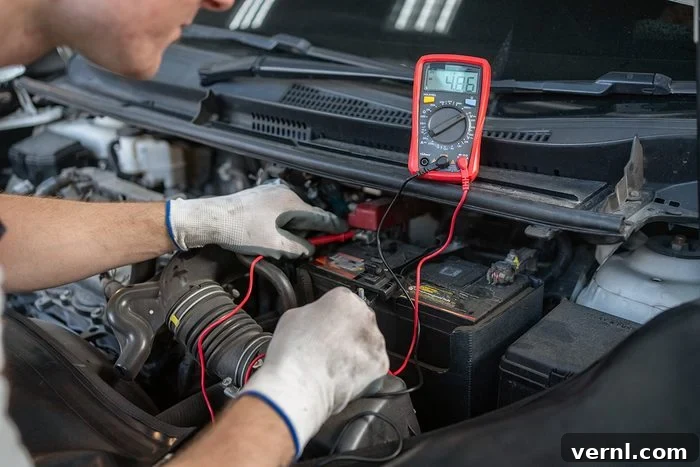
Car batteries are highly sensitive to temperature fluctuations, which can accelerate the chemical breakdown process within the battery. Cold weather slows down chemical reactions, reducing the battery’s power output. Conversely, hot weather speeds up these reactions, potentially leading to corrosion and shortening the battery’s lifespan. As a battery ages, its susceptibility to failure increases significantly.
“Slow cranking, dim lights or any electrical issues are early warning signs to take seriously,” advises Watson. “No one likes dealing with a dead battery, and it’s especially miserable when you’re stuck outside in the cold.”
To maintain optimal battery health, regularly clean any corrosion from the battery terminals, ensure connections are secure, and have the battery tested before the onset of cold weather. Consider investing in a battery maintainer, especially if you frequently park your car outdoors in extreme temperatures.
Tire Pressure and Handling Considerations
Tire pressure is directly affected by ambient temperature, typically changing by about one PSI (pound per square inch) for every 10 degrees Fahrenheit. This means that on cold days, your tires are likely under-inflated, while on hot days, they may be over-inflated. Incorrect tire pressure can negatively impact fuel economy, traction, handling, and tire wear.
To maintain safe and optimal tire pressure, check it at least once a month, as well as after significant weather changes. If you live in an area with frequent and extreme temperature fluctuations, consider using all-weather tires, which offer better performance and handling consistency compared to winter tires in variable conditions, according to Alan Gelfand, owner of German Car Depot.
The Importance of Fluids and Lubrication
Beyond engine oil, most other fluids in your car also thicken in cold weather. This increased viscosity can strain components. To prevent damage, use coolant, transmission fluid, power steering fluid, brake fluid, and windshield washer fluid that are rated for winter temperatures in cold climates. “Fast temperature changes will produce small leaks and performance issues, which result in stiff steering during cold mornings and reduced braking power,” says Gelfand. Regularly inspecting fluid levels and condition is vital for preventing these issues.
Windshield Wipers: Rubber’s Response to Temperature
Windshield wipers, being made of rubber, are susceptible to both cold and hot weather extremes. Cold temperatures can cause the rubber to harden, while hot temperatures can soften it. These effects can lead to warping, reducing the wiper blades’ contact with the windshield and impairing visibility. If wipers freeze to the windshield, this can also cause damage.
When parking in freezing weather, lift the wipers away from the windshield to prevent them from freezing to the glass. “If your blades streak, chatter or show signs of cracking, or if it’s been a year since you last replaced them, it’s time for new ones,” says Watson. For snowy regions, investing in a set of winter wiper blades is highly recommended. Winter blades are designed to withstand harsh conditions and resist snow and ice buildup.
Air Filters and Environmental Debris
Temperature swings can stir up dust, pollen, road salt, and other debris, causing air filters to become clogged more quickly. “Because clogged filters impact engine health and fuel economy, it’s important to stay on top of this routine maintenance,” says Watson. Regularly replacing air filters ensures proper airflow to the engine, improving performance and fuel efficiency. Consider using HEPA cabin filters to further reduce allergens, dust, and other particles entering the passenger cabin, improving air quality.
Sensor Sensitivity and External Factors
Modern vehicle safety systems, such as parking assist and lane departure warnings, rely on sensors that can be affected by ice, caked-on dirt, or condensation. When these contaminants accumulate on the sensor lenses, the systems may become nonfunctional. Familiarize yourself with the location of your vehicle’s sensors and clean them properly before driving on icy or dirty days.
Protecting Interior Components and Exterior Finish
Temperature changes can contribute to cracks in interior materials, including the dashboard and seat upholstery, as well as create stress patterns on exterior paint and clear-coated surfaces. “Paint surfaces will develop fine cracks, and oxidation will speed up when your car experiences direct sunlight after being in snow,” says Gelfand.
To help prevent exterior damage, apply UV-protective wax or ceramic coatings and park in the shade whenever possible. Inside the car, condition leather seats regularly and use a windshield shade to protect the dashboard and other front-seat components from prolonged sun exposure. These measures help preserve the appearance and longevity of your vehicle’s interior and exterior.
Safe Driving in Variable Temperatures
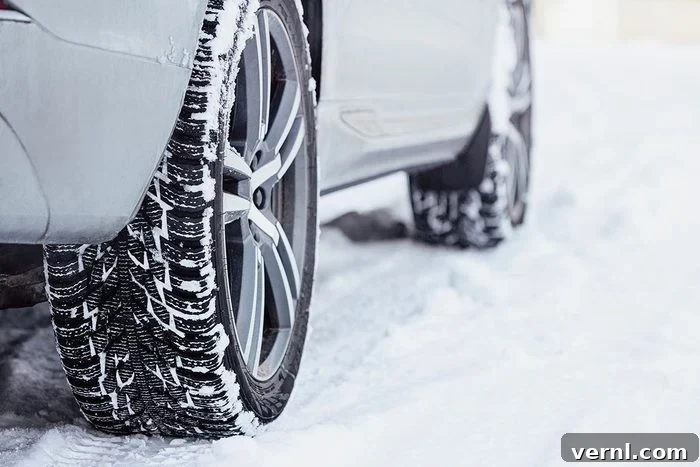
A rapid drop in temperature can create dangerous black ice, particularly on bridges and overpasses, which freeze more quickly than the rest of the road. “Cold tires also have less grip until they warm up, so be mindful when you first start driving in winter conditions,” says Watson. Allow extra time for braking and maneuvering, especially during the initial part of your drive.
When driving, as temperatures approach freezing, avoid quick turns, increase your following distance, and accelerate and brake more gradually. “The safety features of ABS and stability control systems provide assistance, but they cannot defeat the fundamental laws of physics,” says Gelfand. Always drive defensively and adjust your driving style to the prevailing weather conditions.
Mitigating Temperature-Related Car Issues
To minimize the impact of temperature fluctuations on your car:
- Stay proactive with vehicle maintenance, especially as temperatures decrease. Regular inspections and timely repairs are crucial.
- Switch to winter-rated oil, coolant, washer fluid, and other fluids. This provides better performance and protection in cold conditions.
- Test your battery before it gets too cold to ensure it has sufficient power for winter starts. A weak battery can leave you stranded.
- Monitor tire pressure closely, especially when temperatures drop suddenly. Maintain the recommended tire pressure for optimal handling and fuel efficiency.
- Give your car a brief warm-up in cold weather to allow oil to circulate. However, “Idling for a long time isn’t necessary with most modern cars and will only waste fuel,” says Watson. A minute or two is usually sufficient.
“And most importantly, don’t ignore new sights, sounds or smells,” advises Watson. “Addressing issues early can prevent much larger, more expensive problems down the road.”
About the Experts
- Duane “Doc” Watson is a technical trainer at Bosch Mobility Aftermarket. He brings over 45 years of automotive repair experience, has trained thousands of technicians, and has received numerous industry accolades.
- Alan Gelfand has owned German Car Depot for more than 30 years. His business is an independent automotive service center located in Hollywood, Florida, specializing in the service and repair of German vehicles.