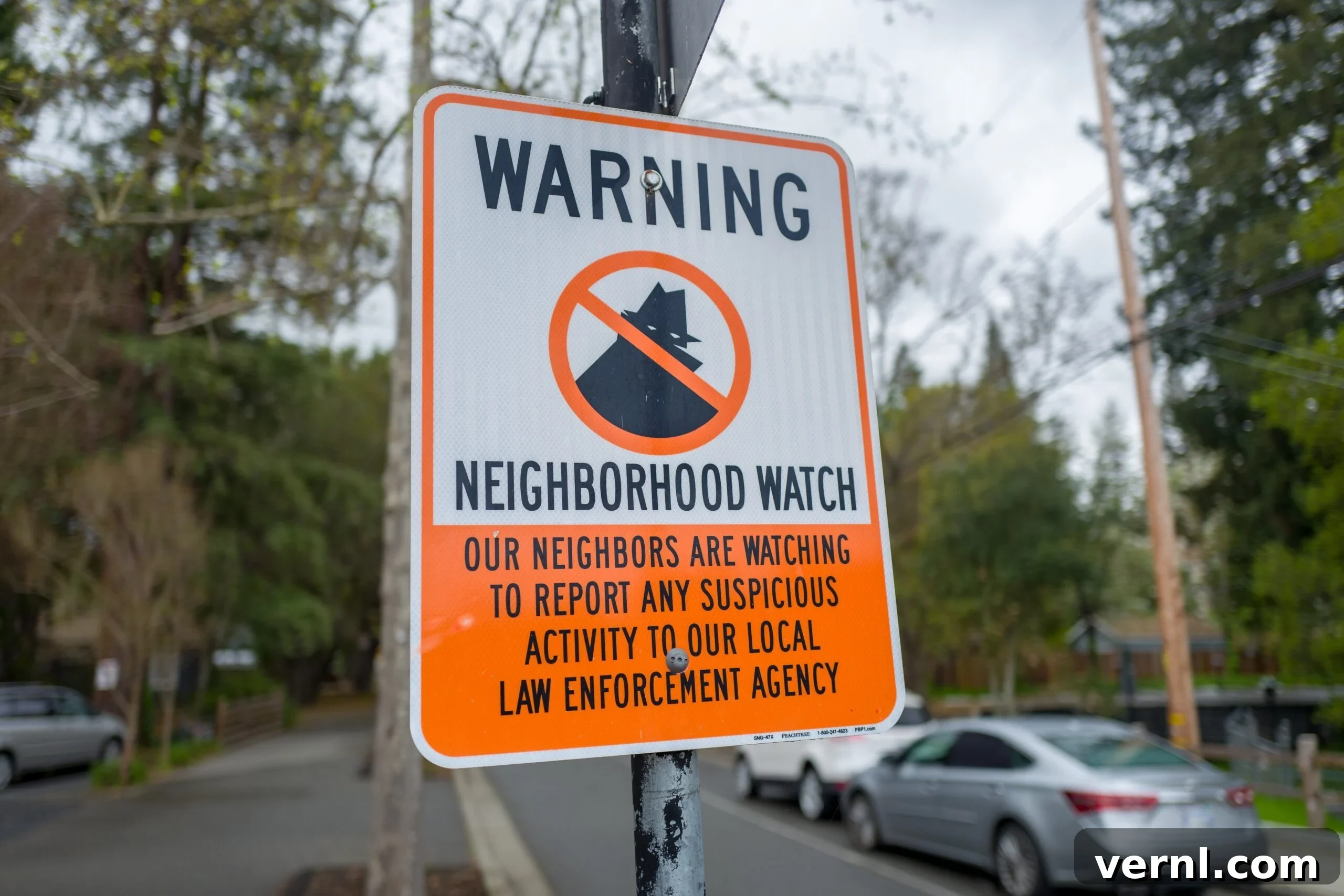
Neighborhood Watch: Benefits, Risks, and How to Start One
In a world where community safety is paramount, neighborhood watch groups have emerged as a popular initiative. These groups empower residents to actively participate in crime prevention and foster a stronger sense of community. But are neighborhood watches always beneficial? While many success stories highlight their positive impact, some instances reveal potential drawbacks. This article explores the multifaceted nature of neighborhood watch programs, delving into their advantages, disadvantages, legal considerations, and best practices for effective implementation. We’ll examine how to set up a neighborhood watch for success, emphasizing proper training, communication, and collaboration with law enforcement. Whether you’re considering joining or starting a watch group, or simply curious about their role in modern society, this comprehensive guide provides valuable insights.
Corey English, a dedicated member of his neighborhood watch, experienced firsthand the positive outcomes when his community faced a surge in catalytic converter thefts. The group’s diligent observations played a crucial role in assisting the police in launching a successful sting operation. This victory is just one example among the countless success stories originating from the over 25,000 neighborhood watch groups across the United States. However, not all experiences are positive. It is crucial to understand how to mitigate the risks and ensure that the program benefits everyone involved.
Joshua Branch, a personal injury attorney, warns against the potential for neighborhood watch groups to backfire, leading to detrimental consequences. “I’ve seen cases turn into neighbor-on-neighbor encounters, when good-intentioned people take matters into their own hands instead of calling law enforcement,” Branch cautions. “Assault charges and civil lawsuits are no joke when things escalate poorly.”
If you’re considering starting a neighborhood watch, it’s essential to prioritize proper member training. This article dives into the pros and cons of neighborhood watches, along with best practices to ensure their success and safety for everyone involved.
What Is a Neighborhood Watch?
A neighborhood watch is a collective effort by residents to proactively prevent crime by closely monitoring their surroundings and promptly reporting any suspicious activities to local law enforcement agencies. It’s a collaborative approach to safety, security and community well-being.
English, a seasoned veteran of the security industry, emphasizes the positive impact of well-managed neighborhood watches. “When they’re run with care, consistency, and respect, neighborhood watches work,” he asserts. “Crime decreases, communication improves, and trust grows. But more than anything, people feel connected.” This connection is crucial for creating a cohesive and supportive community.
Are Neighborhood Watches Legal Everywhere?
The legality of neighborhood watches is generally widespread, but specific regulations may vary depending on the state and city. Generally, as long as the group’s actions are limited to observing and reporting, they operate within legal boundaries.
“Residents can always observe what’s happening around them and call for help,” explains English. “What they cannot do is stop people, detain them, or use force. The moment a watch crosses into that territory, it stops being legal and starts becoming dangerous.” It’s crucial to understand and adhere to these limitations to avoid legal complications.
Pros and Cons of Neighborhood Watch?
Pros
- Improved Neighborhood Safety: A vigilant neighborhood watch can deter criminal activity and create a safer environment for all residents.
- Community Trust and Cooperation: Working together towards a common goal fosters trust and cooperation among neighbors, strengthening community bonds.
- Better Neighborhood Communication: Neighborhood watches facilitate communication channels, allowing residents to share information and address concerns effectively.
Cons
- Discrimination: There’s a risk of bias and discrimination if watch members target individuals based on race, ethnicity, or other protected characteristics.
- Vigilantism: A poorly managed watch can lead to vigilantism, where members take the law into their own hands, resulting in dangerous and illegal actions.
- Physical Harm: Confrontations with suspected criminals can escalate and result in physical harm to watch members or innocent individuals.
- Legal Liabilities: Excessive use of force, battery, and false imprisonment can lead to significant legal liabilities for both individual members and the neighborhood watch organization.
English highlights the potential dangers of poorly run neighborhood watches. “Poorly run neighborhood watches can cause real harm,” he says, “especially if they’re led by people trying to play hero or who are driven by fear. Innocent people can be unfairly targeted. A watch should make everyone safer, not make people feel watched.” The focus must always be on community well-being and responsible action.
How to Start a Neighborhood Watch
- Speak to your neighbors to gauge their interest: Before launching a neighborhood watch, assess the level of interest and support within your community.
- Choose a coordinator: Select a responsible and organized individual to serve as the primary coordinator for the watch group.
- Choose a block captain (or leader): Appoint block captains, preferably individuals with experience in law enforcement or long-time residents with a deep understanding of the neighborhood. “They recognize patterns, routines, and subtle changes,” says English.
- Meet with local police to obtain guidance: Collaborate with local law enforcement to obtain guidance on legal boundaries, training resources, and best practices.
- Invite community members to a meeting: Organize a community meeting to inform residents about the neighborhood watch and encourage their participation.
- Continue to meet consistently: Establish a regular meeting schedule (e.g., the first Monday of each month) to maintain momentum and address ongoing issues, being mindful of preventing burnout.
- Continue coordinating with the police and, ideally, with the local government: Maintain open communication channels with the police and local government to ensure alignment and support.
- Keep community members involved to promote inclusion: Actively engage community members in the watch’s activities to foster a sense of ownership and inclusivity. A small neighborhood newsletter can be an effective way to keep everyone informed, says English.
- Choose communication tools: Select appropriate communication tools, such as group texts, email lists, or neighborhood apps, to facilitate information sharing and emergency alerts.
English emphasizes that neighborhood watches extend beyond crime prevention. “And it’s not just about crime,” he says. “We talk about everyday quality-of-life issues, too, like burned-out streetlights, broken sprinkler heads, graffiti, and even skunks and coyotes. These things affect how safe and livable a neighborhood feels, and when they’re shared, they get addressed faster.” Addressing these issues contributes to a more pleasant and secure living environment.
Training Best Practices for Neighborhood Watch
Comprehensive training is essential for ensuring the safety and effectiveness of neighborhood watch members. Emphasize the cardinal rules: “Observe, don’t engage. Report, don’t pursue,” says English. Training should also cover the following areas:
- Be observant and understand what truly suspicious behavior looks like: Train members to identify and differentiate between normal activity and genuine suspicious behavior.
- Document what’s seen in detail: Teach members how to accurately and comprehensively document their observations, including descriptions, times, and locations.
- Record notes in a statistics log that is shared with the police: Establish a system for recording and sharing information with the police to help them identify patterns and trends.
- Know when to call 911 vs. the non-emergency line: Educate members on the appropriate use of emergency and non-emergency phone lines.
- Avoid letting fear or bias drive decisions: Emphasize the importance of objectivity and avoiding decisions based on personal biases or unfounded fears.
- Understand and explicitly stay within legal boundaries: Ensure that all members are fully aware of the legal limitations of their role and avoid actions that could lead to legal repercussions.
Branch warns against the dangers of crossing legal boundaries. “It’s easy to accidentally cross that delicate line between being watchful and becoming a vigilante, and no confrontation is ever worth the criminal charges or lawsuit that will potentially follow,” he says. “Blocking someone in, following them too closely, touching them, or making threats can result in legal liability.”
FAQ
Do neighborhood watches need to coordinate with the police?
Yes. Coordinating with the police is critical for everyone’s safety, and it reduces liability issues, establishes a clear channel of communication, and increases the likelihood that watch reports will be taken seriously, says Branch.
Can renters start or lead a watch?
Yes, but it’s a good idea for renters to coordinate with property management or owners, to let them know what they’re doing. “Safety isn’t tied to homeownership,” says English. “It’s tied to caring about where you live.”
How effective are neighborhood watches actually?
When members of the watch are active and diligent with reporting unusual occurrences, they can be very effective. “Criminals tend to avoid neighborhoods where people pay attention,” says English. Plus, “Communication improves, neighbors feel connected instead of isolated, and small issues get flagged before they grow into serious problems.”
Marcus Skeen, a security solutions expert, cautions against groups that operate under the guise of a neighborhood watch but engage in vigilante behavior. “If it’s a group set up under the pretense of being a neighborhood watch who are just vigilantes patrolling the streets, this can actually be a detriment to the program,” he says.
For more information on neighborhood watches, consult the National Neighborhood Watch organization.
About the Experts
- Corey English is a 28-year veteran of the security industry and serves as senior vice president of strategic relations for GSG Protective Services. He is also actively involved in his local neighborhood watch.
- Joshua Branch is the founder and personal injury attorney at the Law Offices of Joshua W. Branch, where he focuses on public safety and crime prevention.
- Marcus Skeen is CEO of WGS Group, which specializes in security solutions in California and Nevada. He has over 20 years of experience in the security industry.
Sources
- Robert Tsigler is the founder and lead attorney of the Law Offices of Robert Tsigler PLLC.