
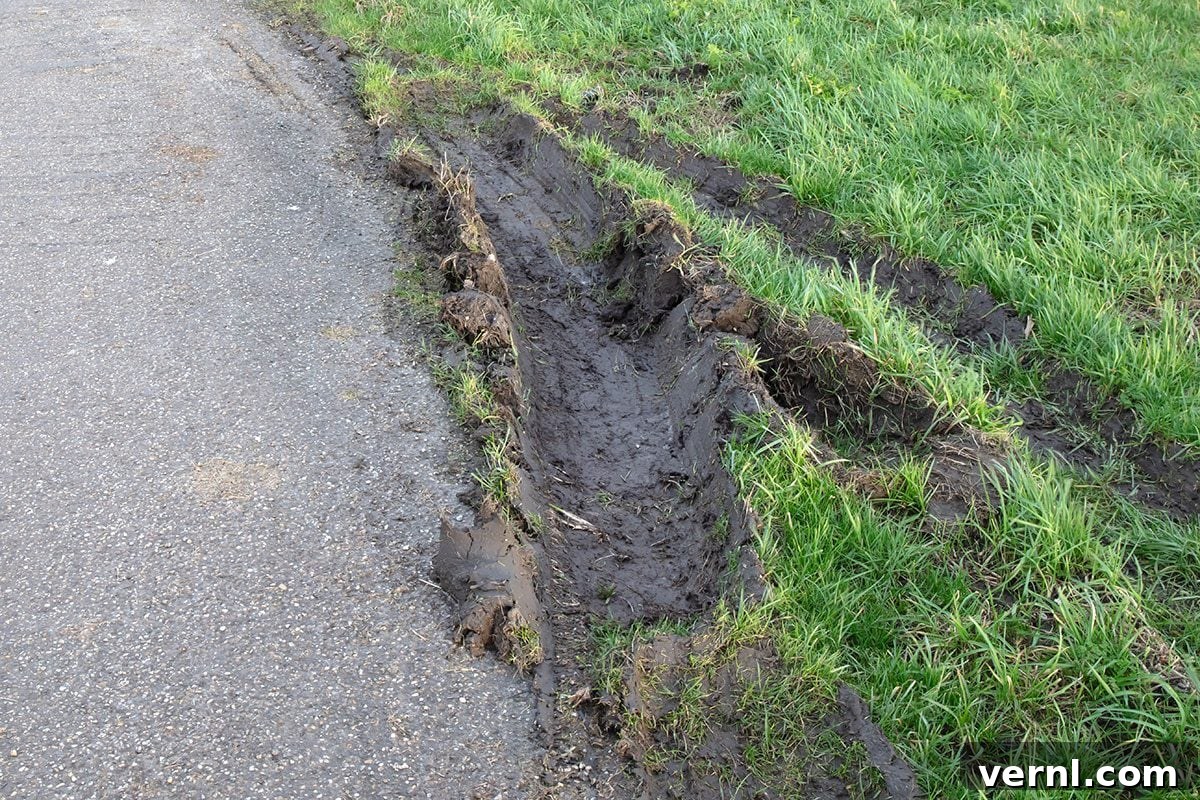
As winter’s icy grip loosens and the snow recedes, many homeowners breathe a collective sigh of relief. However, this relief can quickly turn to dismay when the melted snow reveals the toll taken on their lawns by diligent snow plows. Those indispensable machines, which worked tirelessly to keep sidewalks and driveways clear during the deep freeze, often leave behind significant damage to adjacent grassy areas. What was once a pristine green carpet may now be an unsightly patchwork of torn-up sod, exposed soil, and deep ruts.
The good news is that while the damage might look severe, grass is remarkably resilient. With the arrival of more pleasant spring weather, now is the ideal time to assess the situation and plan for a full lawn recovery. Massachusetts landscaper Greg Cuoco offers an optimistic outlook, stating, “Grass is pretty resilient. How healthy and lush it will grow depends on how healthy it was prior to winter, the extent of the snow plow damage, and how much time and trouble you can spare to see to its well-being.” If you’re ready to give your lawn the attention it needs, our team of lawn care experts is here to guide you through the process, from addressing minor scrapes to tackling extensive damage, ensuring your lawn returns to its vibrant best.
Understanding Why Snow Plows Damage Lawns
The primary reason snow plows tear up lawns is deceptively simple: the plow blade, designed to scrape snow from hard surfaces like sidewalks and driveways, frequently extends beyond the pavement’s edge. This action inadvertently catches and rips out grass and underlying soil. During winter, the ground is often frozen solid, making the soil more brittle and susceptible to damage. Additionally, thick snow cover obscures the precise boundary between the hardscape and the lawn, making it nearly impossible for plow operators to avoid contact with the grass.
Factors that increase the likelihood of damage include the absence of clear demarcation lines, such as landscape edging, gravel buffers, or gulleys, which could provide a visual or physical barrier for plow operators. Lawn expert Steven Corcoran highlights another crucial factor: “When only a small spot is touched by the snow plow, a larger area ends up being damaged because of how it can all stick together more.” This phenomenon occurs because frozen grass, soil, and ice often form a cohesive mass. When the plow blade catches even a small section, it can tear out much larger chunks of turf, sometimes pulling up several feet of healthy lawn in one go. The sheer weight and force of the plow can also create deep compression, leading to compacted soil in undamaged areas, which can hinder future growth.
Will Your Damaged Grass Recover Naturally?
Thanks to its inherent resilience, much of the grass damaged by snow plows will indeed grow back, but the extent of recovery often depends on the severity of the damage and external factors like de-icing salts. While grass has a remarkable ability to rebound, some severe cases will require intervention through reseeding or laying new sod. The key to natural recovery lies in the health of the existing root system.
A significant obstacle to grass recovery is the presence of de-icing salts. These salts, commonly used on driveways and sidewalks, can seep into the adjacent lawn areas, creating a hostile environment for grass. Turf grass specialist Ryan Walts explains that salt dehydrates the soil, making it difficult for roots to absorb moisture and vital nutrients. It also disrupts the delicate nutrient balance in the soil, potentially leading to nutrient deficiencies and stunted growth. Fortunately, there are effective strategies to mitigate salt damage, which we will detail below, ensuring your lawn has the best possible chance to flourish.
Addressing Minor Surface Scrapes and Bruises
For superficial damage, such as minor scrapes or lightly bruised turf where the grass blades are merely bent or matted, immediate action may not be necessary. Lawn care specialist Chrissie Handley advises patience: “Just leave it be until temps warm up to see if it naturally recovers. Grass most often will, especially if the roots are still intact.” Often, these areas will green up on their own as temperatures rise and the grass begins its spring growth cycle. The key indicator for natural recovery is the integrity of the root system. If the roots are still firmly anchored in the soil and show signs of life, the grass has a strong chance of bouncing back.
However, if after a few weeks of warmer weather, you observe patchy growth, yellowing, or bare spots where the grass has not recovered, then overseeding is a simple and effective solution. Overseeding involves spreading new grass seed over existing turf to fill in thin areas and promote denser growth. This encourages rejuvenation without requiring extensive soil work, ensuring the lawn quickly fills in and maintains a uniform appearance.
Repairing Deep Ruts and Exposed Soil
More significant damage, such as deep ruts created by the plow blade or areas where large patches of soil are completely exposed, requires a more hands-on approach. The first crucial step is to restore the grade of your lawn by filling in these depressions with fresh topsoil. This creates a level surface, preventing water from pooling and providing a stable bed for new growth. After adding topsoil, gently rake the area level, ensuring it blends seamlessly with the surrounding lawn.
Once the area is leveled, you’ll need to decide whether to wait for natural regrowth or to reseed. While some grass may sprout from remaining roots, reseeding offers a more reliable and quicker path to recovery. Greg Cuoco outlines a straightforward reseeding procedure:
- Prepare the Area: Begin by thoroughly cleaning the damaged site. Remove any debris, rocks, dead grass, or ice melt pellets that might hinder new growth. Then, use a rake or a small hand cultivator to lightly loosen the top 1-2 inches of soil. This aeration improves seed-to-soil contact and allows for better root penetration.
- Apply Grass Seed: Uniformly scatter the appropriate grass seed over the loosened soil. Choose a high-quality seed blend suitable for your climate and specific lawn conditions (e.g., sun, shade, high traffic). Lightly tamp the seed down with the back of the rake or your foot to ensure good contact with the soil, which is vital for germination.
- Fertilize and Water: Apply a starter fertilizer specifically designed for new grass immediately before or just after planting. Starter fertilizers provide the essential nutrients needed for strong root development. Following fertilization, water the area gently but thoroughly. For the next four to six weeks, maintain consistent moisture; the soil should remain damp, not waterlogged, until the new grass establishes itself. Avoid letting the soil dry out completely during this critical germination period.
- Protect the Area: Keep foot traffic, pets, and children away from the newly seeded area. New grass shoots are fragile and easily damaged. Consider placing temporary barriers or signs to protect the delicate seedlings as they grow and mature. Consistent protection will give the new grass the best chance to thrive and integrate with the existing lawn.
Restoring Completely Torn-Out Sod
When the snow plow has completely ripped out large sections of sod, exposing significant areas of bare earth, you essentially have three main options for comprehensive grass recovery. The best choice depends on the size of the damaged area, the condition of the torn-out turf, and your budget and time constraints.
- Reattach the Original Turf: This is often the quickest and most cost-effective solution if the torn-out sod chunks are still relatively intact. “Check the root system,” advises Cuoco. “If you can see some whole roots that look like they’re growing, put the sod chunks back in areas where it was uprooted from, pressing slightly to re-attach it.” Carefully position the pieces back into their original locations, ensuring they fit snugly. Press them down firmly to ensure good contact between the sod’s roots and the underlying soil. Water these reattached sections immediately and keep them consistently moist for several weeks to encourage re-rooting. This method works best for smaller, recently damaged areas.
- Lay New Sod: For extensive areas of torn-out grass, laying new sod offers an instant solution, providing an established lawn almost immediately. This eliminates the waiting period associated with seeding and offers superior erosion control. “Laying new sod is a quick and easy solution for extensive damage,” says Cuoco, “but also an expensive one.” While the initial cost is higher, the benefit of an instant, mature lawn can outweigh the expense for many homeowners. When laying new sod, ensure proper soil preparation, including leveling and adding compost, for optimal rooting. Water thoroughly after installation and continue daily watering for the first few weeks to help the sod establish.
- Bring in New Topsoil and Reseed: If the torn-out sod is too fragmented or has dried out beyond recovery, or if new sod is cost-prohibitive, then bringing in new topsoil and reseeding remains a viable and durable option. This method follows the same procedure outlined above for deep ruts and exposed soil. It involves preparing the bare ground by loosening the soil, adding a layer of high-quality topsoil, spreading suitable grass seed, applying starter fertilizer, and maintaining a consistent watering schedule. While this option requires more patience than laying new sod, it allows you to select specific grass varieties and is generally more economical for larger areas.
Comprehensive Strategies to Help Grass Recovery
Beyond the immediate repairs, there are several general strategies you can employ to promote robust and healthy grass recovery across your entire lawn, especially after the stresses of winter and plow damage. These practices focus on soil health, nutrient balance, and overall lawn vitality.
Top Dressing for Soil Health
Greg Cuoco strongly recommends top dressing a severely distressed lawn. Top dressing involves spreading a thin layer of organic material over the existing turf. This practice significantly improves soil structure, enhances nutrient retention, helps regulate soil moisture, and introduces beneficial microorganisms. Before applying any top dressing, it’s crucial to test your soil pH. Soil pH affects nutrient availability, so knowing your lawn’s specific needs will ensure you choose the most effective dressing material.
- For Low pH (Acidic Soil): If your soil is acidic, compost is an excellent choice. Compost not only adds vital organic matter and nutrients but also helps to gently raise the pH towards a more neutral level, improving overall soil health.
- For High pH (Alkaline Soil): For alkaline soil, peat moss is a beneficial option. Peat moss helps to lower pH levels while simultaneously improving soil structure and water retention.
“Regardless of the material used, apply no more than a half-inch of any top dressing material and rake it over the area for an even distribution before watering,” Cuoco advises. Applying too much at once can smother the grass. After application, water the lawn thoroughly to help the dressing settle into the existing turf. Consistent watering and keeping pets and children off the freshly dressed areas will allow the soil amendments to integrate properly and support new growth.
Mitigating De-Icing Salt Damage
Lawns exposed to de-icing salt require special attention. As Ryan Walts explained, salt dehydrates the soil and upsets its nutrient balance. To counteract these damaging effects and promote better grass recovery, Walts recommends a three-pronged approach:
- Flush the Area with Water: This is the most critical first step. Heavily water the affected areas to leach excess salt from the soil profile. Apply a significant amount of water over several hours or days, allowing it to penetrate deeply and carry the soluble salts below the root zone. This process effectively dilutes and removes harmful salt concentrations, making the soil more hospitable for grass roots.
- Apply Gypsum: Gypsum (calcium sulfate) is a soil amendment that can help repair salt-damaged soil. Its calcium content displaces sodium ions, allowing them to be flushed away more easily. Gypsum also helps to improve soil structure, especially in compacted or clay soils, making it easier for water and air to penetrate. Apply gypsum according to product instructions, typically at a rate specified for salt remediation, and water it in thoroughly.
- Aerate the Lawn: Aeration is the process of creating small holes in the lawn to alleviate soil compaction. Compacted soil, often exacerbated by snow plow weight and salt damage, restricts root growth and reduces the movement of water, air, and nutrients. Aerating the lawn will significantly improve drainage, increase oxygen flow to the roots, and enhance the effectiveness of subsequent watering and fertilization, thereby promoting deeper, stronger root growth and overall grass recovery.
Ongoing Care for a Thriving Lawn
Beyond these specific interventions, consistent general lawn care practices are vital for full recovery. Ensure your lawn receives adequate water, especially during dry spells. Consider a balanced spring fertilization to provide essential nutrients for vigorous growth. Regularly inspect the repaired areas for signs of new growth or recurring issues. Early detection of problems like weed invasion (which often occurs in bare spots) or insect activity can prevent more extensive damage. By nurturing your lawn with care and attention, you can help it not only recover from winter’s assault but also emerge healthier and more resilient than before.
Frequently Asked Questions About Lawn Recovery
Can compacted soil prevent grass from growing back effectively?
All our experts unequivocally agree with Chrissie Handley’s assertion that compacted soil is a major impediment to healthy grass growth. When soil is compacted, its density increases, reducing the pore space necessary for air and water circulation. This restricts root development, prevents nutrients from reaching the roots efficiently, and leads to poor drainage, which can suffocate grass roots. Handley suggests, “You may want to aerate the area to help improve drainage and airflow in March to improve ground conditions before overseeding.” Aeration is crucial as it physically breaks up the compaction, creating channels for roots to grow deeper and for essential elements like oxygen, water, and nutrients to penetrate the soil effectively. Addressing compaction is a foundational step for any successful lawn recovery plan, especially in areas that experienced heavy snow plow traffic or sitting snow for extended periods.
Who is responsible for lawn damage caused by a city snowplow?
The responsibility for lawn damage caused by municipal snowplows varies significantly depending on the city or county’s specific ordinances and policies. Each public works department has its own set of rules regarding property damage during snow removal operations. In some municipalities, the city may acknowledge and even offer compensation or rehabilitation services if the plow blade visibly skips over the curb or street boundary and directly scrapes the grass. This is typically considered direct damage caused by the plow’s action extending beyond its operational zone. However, if the damage is primarily caused by the piling of snow onto the lawn, leading to compaction, fungal issues, or broken branches, this is often considered normal winter wear and tear and is usually not covered. It’s always best practice to contact your local public works department or municipal office as soon as you notice damage. Document the damage with photos, note the date, and inquire about their specific policies and claims procedures to determine your eligibility for assistance.
What is the ideal time to repair snow plow damage?
The ideal time to repair snow plow damage is in the early spring, as soon as the ground thaws and temperatures consistently rise above freezing. This timing allows you to prepare the soil and plant new grass seed or lay sod when conditions are most favorable for germination and establishment. Spring provides adequate moisture from melting snow and spring rains, along with warming soil temperatures, which are critical for seed viability and root development. Repairing damage in early spring also gives the new grass several months to establish strong roots before the stresses of summer heat and potential drought. Delaying repairs until summer can make it challenging for new grass to survive due to intense heat and the need for constant watering. Fall is also a good time for reseeding, but addressing immediate damage in spring is generally preferred to prevent weeds from colonizing bare spots.
About the Experts
- Greg Cuoco is the CEO of The Difference Landscapes, a reputable landscaping company located in Lee, NH, known for its expertise in lawn care and outdoor transformations.
- Steven Corcoran is the CEO of Lawn Love, a nationally franchised lawn care service that connects customers with top-rated lawn care professionals across the country.
- Ryan Walts serves as the training manager and business coach at Lawn Squad, a national lawn treatment franchise dedicated to providing effective solutions for common lawn issues.
- Chrissie Handley is a knowledgeable lawn care specialist working for Online Turf, a leading supplier of quality turf and lawn care products based in the UK.