
Ceiling Cracks: A Critical Guide to Understanding and Repairing Damage
Homeownership often brings with it a unique set of challenges and unexpected discoveries. Among the most alarming of these can be the sudden appearance of a crack in your ceiling. Far from being a mere cosmetic flaw, a ceiling crack can be a daunting sign of deeper, more serious issues lurking beneath the surface. Homeowners are often left grappling with a whirlwind of questions: How severe is this damage? What kind of professional intervention is required? Is this a DIY project, or does it demand immediate professional attention?
In the insightful premiere episode of At Home With Family Handyman’s highly anticipated series, Ask…Scott McGillivray, real estate and renovation expert Scott McGillivray tackles this precise scenario with his signature blend of practical wisdom and cautionary tales. Scott delves into the critical steps homeowners must take when faced with this common yet potentially dangerous home repair dilemma.
The Hidden Dangers: Why a Crack in Your Ceiling Demands Attention
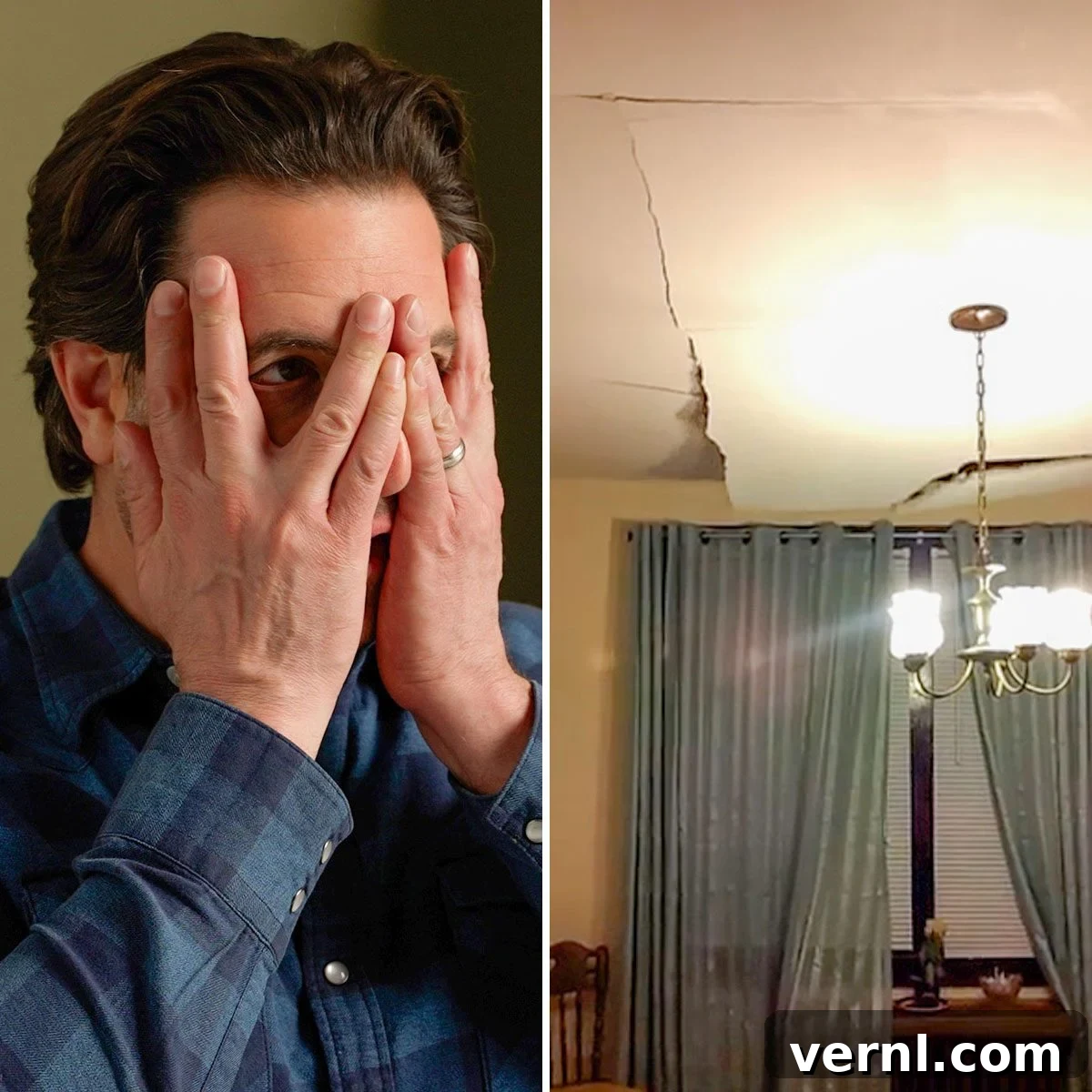
The visible crack in your ceiling might just be the tip of an iceberg, hinting at underlying problems that could compromise the safety and structural integrity of your home. During the premiere episode of Ask… Scott McGillivray, a viewer submitted a startling video that vividly illustrated the grave concerns associated with ceiling damage. The footage revealed extensive cracks spreading across a ceiling, culminating in a catastrophic collapse where a significant portion of the ceiling material gave way. The falling debris caused considerable damage, destroying a microwave and a bookshelf positioned below. In the wake of the incident, the exposed structural beams served as a stark reminder of the hidden complexities and forces at play.
This incident underscored two pressing questions from the concerned viewers, which resonate with countless homeowners:
- Once the initial cracks were noticed, were there any actions that could have been taken to prevent the ultimate collapse of the ceiling?
- Given the damage, what immediate and long-term steps are now necessary to ensure safety and proper repair?
Understanding the implications of different types of ceiling cracks is crucial. While hairline cracks might sometimes be benign, resulting from normal house settling or minor temperature fluctuations, larger, more pronounced cracks – especially those accompanied by sagging, water stains, or a spiderweb pattern – often indicate more severe structural distress, moisture infiltration, or foundation problems. Ignoring these signs can lead to escalating damage, increased repair costs, and, as dramatically shown in the viewer’s video, potential hazards to occupants and property.
Expert Insight: Scott McGillivray’s Definitive Take on Ceiling Cracks
Drawing upon his vast professional experience in real estate and renovation, Scott McGillivray provides a clear and uncompromising answer to the viewer’s questions. He powerfully explains that visible cracks in a ceiling are not isolated incidents but rather critical indicators of deeper, multifaceted problems. Scott eloquently likens the situation to an onion: the visible cracks represent only the outermost layer, obscuring multiple layers of underlying issues that demand immediate investigation. His unequivocal advice is to call in professional help as quickly as possible. Time is of the essence in these situations, as swift action can significantly mitigate further damage and prevent potential dangers.
The Perils of DIY: A Stern Warning from Scott
Scott McGillivray issues a stern warning against homeowners attempting to repair significant ceiling cracks themselves. This is not a task for the enthusiastic DIYer. He recounts a harrowing personal experience from a job site where a similar ceiling issue arose. Despite adhering to all safety protocols and wearing appropriate protective equipment, including a hard hat, Scott faced serious danger. The initial piece of falling ceiling material struck him with enough force to knock off his helmet. A subsequent piece then inflicted a large, painful gouge on the side of his head. This anecdote serves as a potent reminder of the inherent risks involved, even for experienced professionals, and underscores why such repairs are best left to those with specialized training and equipment.
Immediate Action Steps When You Spot a Ceiling Crack
If you discover a crack in your ceiling, Scott advises a series of immediate and crucial steps to prioritize safety and facilitate effective repair:
- Clear the Area: The very first step is to move any furniture, appliances, or valuable possessions out of the affected room. If moving items is not feasible, cover them thoroughly with heavy-duty tarps or plastic sheeting to protect them from potential falling debris, dust, or water.
- Secure the Space: Prevent access to the compromised area, especially for children and pets. This might involve placing caution tape or temporary barriers.
- Call a Professional Immediately: Do not delay. Contact a qualified professional right away. This could be a structural engineer, a reputable general contractor specializing in home repairs, or a specialized drywall and ceiling repair expert. These professionals possess the expertise to accurately assess the damage, identify the underlying cause, and implement a safe and lasting solution.
- Document the Damage: Take clear photographs and videos of the crack from different angles, including any associated water stains, sagging, or other anomalies. This documentation can be invaluable for insurance claims and for the professional assessing the situation.
- Address Water Leaks (If Applicable): If the crack is accompanied by water stains or active dripping, try to identify and temporarily stop the source of the leak (e.g., turning off the water supply to an upstairs bathroom, placing buckets). This is critical to prevent further moisture damage to the ceiling and surrounding structures.
A professional will not only be able to expertly repair the visible damage and install proper drywall but, more importantly, they will thoroughly investigate to uncover and address the root cause of the problem. This is paramount; merely patching a crack without resolving the underlying issue guarantees its recurrence and potential escalation. Remember, the sooner you address the problem comprehensively, the less extensive and costly the damage will be in the long run.
Beyond the Fix: Preventing Future Ceiling Issues
While prompt action on existing cracks is vital, understanding common culprits behind ceiling damage can empower homeowners to undertake preventative measures. Regular home maintenance and vigilance are key:
- Routine Inspection: Periodically check ceilings for any new cracks, discoloration, or sagging, especially after heavy rains or significant temperature changes.
- Moisture Management: Ensure proper ventilation in bathrooms and kitchens to prevent condensation buildup, which can lead to moisture damage. Regularly inspect roofs, attics, and plumbing for leaks.
- Foundation Checks: Be aware of signs of foundation settlement, such as cracks in exterior walls or sticking doors and windows, as these can contribute to ceiling stress.
- Proper Load Distribution: Avoid overloading attic spaces directly above ceilings, as excessive weight can stress joists and cause cracks.
The Professional Ceiling Repair Process: What to Expect
When you engage a professional for ceiling repair, the process typically involves several critical stages:
- Thorough Assessment and Diagnosis: The professional will conduct a detailed inspection to determine the type, extent, and, most importantly, the cause of the crack. This might involve attic inspections, moisture meters, and structural evaluations.
- Safety and Shoring: If structural instability is a concern, the area will be safely shored up to prevent further collapse during the repair process.
- Removal of Damaged Material: Compromised plaster or drywall will be carefully removed, often extending beyond the visible crack to ensure all weak material is eliminated.
- Addressing the Root Cause: This is the most crucial step. Whether it’s fixing a leaking pipe, reinforcing a weak joist, or addressing a foundation issue, the underlying problem must be resolved before proceeding with patching.
- Structural Reinforcement (If Needed): Depending on the diagnosis, this might involve adding sister joists, bracing, or other structural enhancements to prevent recurrence.
- Patching and Repair: New drywall panels or plaster will be meticulously cut and installed. For drywall, this involves taping, mudding, and sanding multiple layers to achieve a seamless finish.
- Texturing and Finishing: Matching existing ceiling textures (e.g., popcorn, knockdown, smooth) requires skill to ensure the repaired area blends perfectly with the rest of the ceiling.
- Painting: The final step involves priming and painting the repaired area, and often the entire ceiling, for a uniform appearance.
By entrusting this complex process to certified professionals, homeowners gain not only a visually restored ceiling but also the assurance that the underlying issues have been competently resolved, safeguarding their home’s long-term integrity and value.
About the Expert: Scott McGillivray
- Scott McGillivray is a highly acclaimed figure in the world of real estate, renovation, and finance, bringing decades of invaluable experience to the field. Recognized as a triple-threat expert, he seamlessly blends his extensive knowledge to provide comprehensive and practical advice. Scott is perhaps best known for hosting the award-winning series Income Property, where he transformed ordinary homes into lucrative rental units. His deep understanding of property value, renovation potential, and financial strategy makes him a trusted authority for homeowners and investors alike. Currently, Scott is the dynamic host of At Home With Family Handyman’s engaging series, Ask… Scott McGillivray, where he shares his unparalleled insights, tackles challenging homeowner questions, and guides viewers through the complexities of home improvement. His direct, no-nonsense approach and wealth of real-world experience make his advice indispensable for anyone looking to navigate the often-tricky waters of home repairs and renovations.
Don’t Miss Out on Expert Home Repair Guidance
Discovering a ceiling crack is undoubtedly a cause for concern, but with expert guidance, it doesn’t have to be a source of panic. Scott McGillivray’s advice emphasizes that while home repairs can be daunting, recognizing the severity of a ceiling crack and knowing when to call in professional help is paramount for your safety and the longevity of your home.
For more epic builds, candid DIY fails, and invaluable pro tips from a seasoned expert who has truly seen it all, make sure to tune in to Ask…Scott McGillivray on At Home with Family Handyman. Equip yourself with the knowledge to protect your most valuable asset and ensure peace of mind for years to come.