
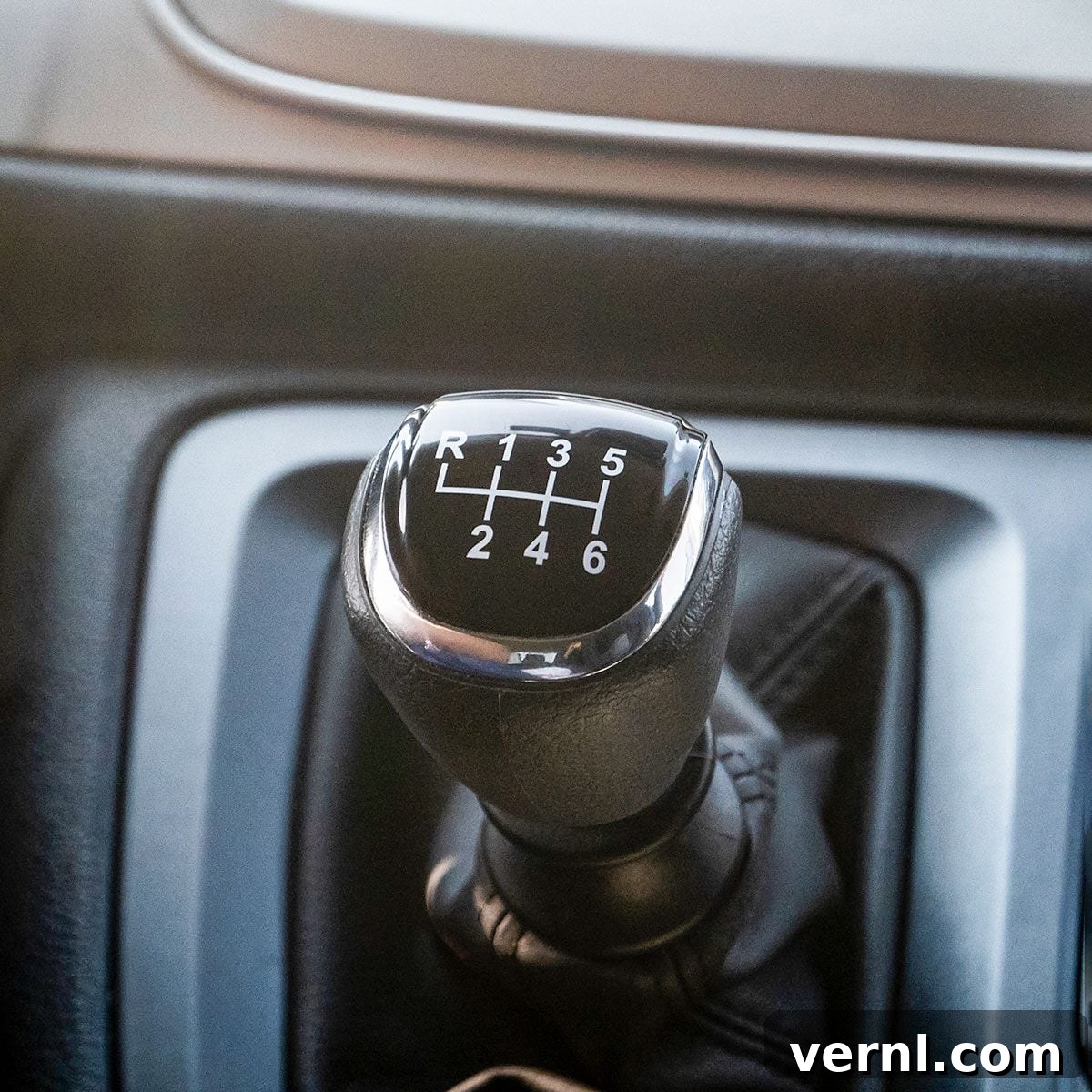
In a rapidly evolving automotive landscape, the shift from manual to automatic transmissions has been dramatic. I recall my father’s anecdotes from his youth; learning to drive a stick shift was not merely a choice but a fundamental rite of passage, a skill that every aspiring driver was expected to master. Back then, manual cars dominated the roads, embodying a direct connection between driver and machine.
By the time I reached driving age, however, the automotive world had undergone a significant transformation. The prevalence of manual transmissions had waned considerably. My father, cautious about the potential fate of his Land Rover’s clutch under the tutelage of a novice driver, initially explored car rental options. His hope was to find a more disposable vehicle for my initial manual driving lessons.
To his dismay, the only manual option available for rent locally was an exorbitantly priced Ferrari. This led to a pragmatic decision: I would first learn the fundamentals of driving with an automatic transmission. Once comfortable with steering, braking, and road awareness, the adventurous world of the Land Rover’s stick shift would open up. This personal journey reflects a broader trend, one that leaves many car enthusiasts, or those who grew up in households steeped in car culture, wondering: what manual cars are still available on the market today?
What Exactly Is a Manual Car? Understanding the Mechanics and Experience
At its core, the defining characteristic of a manual, or stick shift, car lies in how its gears are changed. Unlike an automatic vehicle, where the transmission intuitively selects and shifts gears for the driver, a manual car demands active participation. The driver is solely responsible for engaging and disengaging the engine from the transmission and selecting the appropriate gear ratio for varying speeds and driving conditions.
This engagement is facilitated by a crucial third pedal on the floor, known as the clutch. To change gears, the driver must depress this pedal, which disengages the engine’s power from the wheels, allowing for a smooth transition to a different gear. Simultaneously, the driver manipulates the gear shifter, often located in the center console, to select the desired gear – whether it’s first for starting, higher gears for cruising, or reverse for backing up. Mastering this coordinated dance between the clutch, accelerator, and shifter is what truly defines driving a manual car.
Historically, manual cars were the undisputed standard. Proficiency in operating a stick shift was a widespread expectation for drivers. However, over recent decades, automatic transmissions have steadily risen to prominence, becoming the default choice for the majority of new car buyers. This shift has meant that knowing how to drive a manual car is no longer a mandatory skill for obtaining a driver’s license in many regions. While automatics offer convenience, manual transmissions continue to offer a unique driving experience characterized by greater control, engagement, and a distinct sense of connection to the vehicle.
The Enduring Appeal of Driving a Manual Transmission
Despite the dominance of automatic vehicles, manual cars retain a dedicated following. For many, driving a stick shift is more than just transportation; it’s an art form, a test of skill, and a source of profound satisfaction. The constant interaction with the clutch and gear lever fosters a deeper understanding of the car’s mechanics and the road conditions. Drivers can select the exact gear needed for optimal power delivery, engine braking, or fuel efficiency, leading to a more dynamic and responsive driving experience.
This level of control is particularly cherished by performance enthusiasts, who often find that manual transmissions offer a more direct and exhilarating connection to a sports car’s capabilities. Beyond performance, there’s a nostalgic charm associated with manual driving, a nod to simpler times when cars demanded more from their operators. For some, it’s a therapeutic ritual, a way to disconnect from the digital world and engage fully with the act of driving. This unique blend of control, engagement, and tradition ensures that the manual transmission, while a niche, will likely never entirely vanish from the automotive landscape.
The Shifting Sands: Why Manual Cars Are Becoming a Rarity
The decline of the manual transmission is not an accident but a result of several powerful trends in the automotive industry and consumer preferences. One of the primary drivers is convenience. Automatic transmissions offer effortless driving, particularly in heavy traffic, eliminating the need for constant clutch engagement and gear changes. This ease of use appeals to a vast majority of drivers who prioritize comfort and simplicity in their daily commute.
Technological advancements in automatic transmissions have also played a significant role. Modern automatics, including continuously variable transmissions (CVTs) and dual-clutch transmissions (DCTs), are incredibly efficient, often matching or even surpassing the fuel economy of their manual counterparts. They also provide smoother shifts and faster acceleration, bridging the performance gap that once favored manuals. Furthermore, the integration of advanced driver-assistance systems (ADAS) and autonomous driving features often works more seamlessly with automatic transmissions, which can precisely control gear selection and vehicle speed without human input.
Another factor is the global market. In some regions, like North America, manual cars have been a minority for decades, whereas in parts of Europe and Asia, they historically maintained a stronger foothold. However, even these markets are seeing a gradual shift towards automatics. The increasing cost and complexity of developing and certifying both manual and automatic options for every car model have also made manufacturers lean towards the more popular automatic choice, especially as internal combustion engines themselves face an uncertain future amidst the rise of electric vehicles, which inherently do not use multi-speed transmissions in the traditional sense.
Which Companies Still Make Manual Cars? A Look at 2026 Options
While the market for manual transmission vehicles has undeniably shrunk, it hasn’t disappeared entirely. For those who still crave the engagement and control offered by a stick shift, a dedicated segment of manufacturers continues to cater to this passionate audience. It’s true that many luxury and supercar manufacturers offer manual options, often as a premium choice for driving purists. However, the average driver typically seeks something more accessible and practical.
Finding a new manual car today requires a bit more intentional searching than it once did. The days of manual transmissions being ubiquitous are long gone, but the good news for enthusiasts is that several reputable auto companies are still producing new vehicles with this traditional gearbox. Based on insights from leading automotive publications like Road and Track, as of the 2026 model year, prospective buyers still have a respectable array of choices across various segments. Let’s explore some of the key players keeping the manual tradition alive.
Subaru: Rally Heritage Meets Driver Engagement
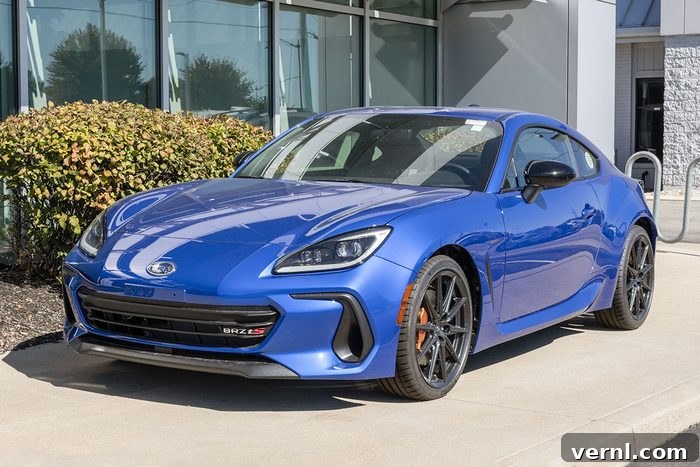
Subaru, known for its all-wheel-drive prowess and rally racing heritage, continues to offer compelling manual options for 2026. Enthusiasts can look to the BRZ, a lightweight, rear-wheel-drive sports coupe co-developed with Toyota, celebrated for its balanced chassis and driver-focused experience. For those seeking a blend of performance and practicality with symmetrical all-wheel drive, the iconic WRX also remains available with a manual transmission, carrying on its legacy of spirited driving.
Porsche: Precision Engineering with a Human Touch
Synonymous with high-performance sports cars, Porsche understands the purist’s desire for an unadulterated driving experience. For 2026, the legendary Porsche 911 continues to offer a manual gearbox option in select trims, allowing drivers to engage directly with its powerful flat-six engine. This commitment to the stick shift underscores Porsche’s dedication to crafting vehicles that are as rewarding to drive as they are thrilling.
Mazda: The Zoom-Zoom Philosophy in Action
Mazda’s “Zoom-Zoom” philosophy, emphasizing driving pleasure, naturally extends to its manual offerings. For 2026, the supremely popular and critically acclaimed MX-5 Miata, often hailed as one of the best affordable sports cars, comes standard with a manual transmission, providing an unparalleled open-top driving experience. Additionally, the stylish and engaging Mazda 3, in certain configurations, also retains a manual option, blending everyday practicality with driver involvement.
BMW: The Ultimate Driving Machine, Manual Edition
BMW, with its long-standing reputation for producing “The Ultimate Driving Machine,” ensures that manual enthusiasts are well-catered for in 2026. Performance-oriented drivers have four exciting manual options: the compact and potent M2, the iconic high-performance sedan M3, the equally capable coupe M4, and the roadster-focused Z4. These models represent BMW’s continued commitment to delivering an engaging, performance-driven experience that only a manual gearbox can truly provide.
Honda: Practicality Meets Performance with a Stick
Honda has a storied history of building engaging and reliable vehicles, and its 2026 lineup continues this tradition for manual drivers. Lovers of the Honda Civic are in luck, as both the high-performance Civic Type R and the sporty Civic Si are available exclusively with manual transmissions, offering thrilling acceleration and precise gear changes that appeal to enthusiasts looking for a practical car with an exhilarating edge.
Cadillac: American Luxury with European Sports Flair
Cadillac’s recent push into high-performance luxury sedans has been well-received, and their commitment to manual transmissions highlights a focus on driver engagement. For 2026, both the formidable Cadillac CT4-V Blackwing and the more powerful CT5-V Blackwing sedans can be specced with a manual gearbox, proving that American luxury and raw, driver-controlled power can indeed coexist beautifully.
Nissan: The Z Car’s Manual Legacy Continues
Nissan’s Z car lineage is intrinsically linked with driver enjoyment, and for 2026, the tradition proudly endures. Enthusiasts looking for a pure, engaging sports car experience will find that the new Nissan Z maintains a manual transmission option, ensuring that the iconic two-door coupe continues to deliver a direct and involving drive.
Hyundai: Surprise Performance with a Manual Kick
Hyundai has made significant strides in the performance car segment with its N division, offering exciting and accessible vehicles. Similar to Nissan, Hyundai provides a compelling manual option for 2026: the spirited Elantra N. This compact performance sedan offers a surprisingly thrilling driving experience, accentuated by its manual gearbox, making it a standout choice for those seeking fun on a budget.
Toyota: Diverse Manual Offerings for 2026
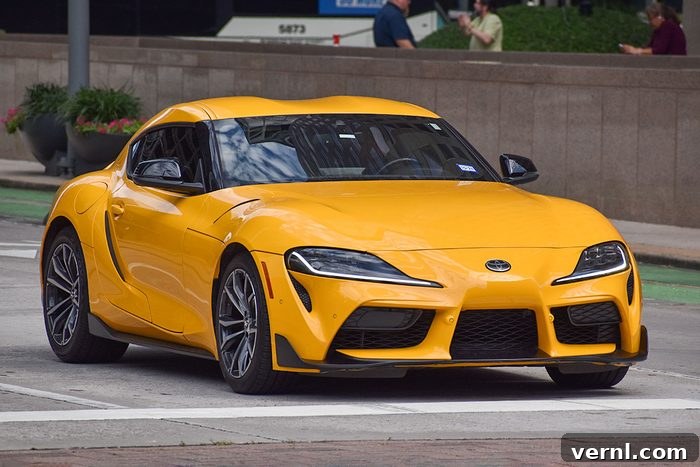
Toyota, known for its reliability and pragmatic engineering, has also embraced the enthusiast market with its GR performance division. In 2026, Toyota offers a diverse range of manual vehicles. The hot hatchback GR Corolla provides a thrilling all-wheel-drive experience, while the adventurous Tacoma pickup truck offers manual versatility for off-road enthusiasts. The spirited GR86 (co-developed with Subaru’s BRZ) and the powerful GR Supra also continue to be available with manual transmissions, catering to different segments of performance car buyers.
Lotus: Lightweight Purity, Manual Gearbox Included
For those who prioritize lightweight construction and unparalleled driving dynamics, Lotus remains a beacon. If you’re set on a truly engaging British sports car experience, the exquisite 2026 Lotus Emira proudly features a manual transmission, reinforcing the brand’s philosophy of driver-centric design and pure mechanical connection.
Acura: Honda’s Luxury Arm Keeps the Manual Alive
Acura, Honda’s luxury and performance division, also offers compelling options for manual aficionados. Acura fans can choose from two engaging manual vehicles for 2026: the sporty Integra and its high-performance variant, the Integra Type S. These models blend luxury amenities with a driver-focused experience, made even more enjoyable with the precise action of a manual gearbox.
Ford: American Icons with Three Pedals
Ford, a titan of the American automotive industry, continues to offer manual options in some of its most iconic vehicles. For 2026, both the legendary muscle car, the Mustang, and the rugged, go-anywhere Bronco SUV can be purchased with a manual transmission, providing a blend of classic driving feel with modern capability, whether on the track or off the beaten path.
Volkswagen: German Engineering with a Manual Twist
Volkswagen has long been a proponent of accessible, engaging cars, and this continues for 2026. The popular and sporty Jetta GLI, a performance variant of the compact sedan, is available with a manual transmission, offering a practical and fun driving experience that harks back to Volkswagen’s GTI heritage.
Jeep: Off-Road Prowess, Driver Controlled
For off-road enthusiasts who demand ultimate control over their vehicle’s power delivery, Jeep maintains its commitment to manual transmissions. The iconic 2026 Jeep Wrangler, renowned for its legendary capability and adventurous spirit, continues to be offered with a manual gearbox, allowing drivers to precisely manage torque and traction in challenging terrain.
The Road Ahead for Manual Transmissions
As we look towards the future, the landscape for manual cars remains intriguing. While they represent a shrinking portion of the overall market, their survival is testament to a passionate community of drivers and a handful of manufacturers dedicated to preserving the art of driving. The shift towards electrification will undoubtedly present new challenges for the traditional manual transmission, as electric vehicles inherently operate without multiple gears in the conventional sense. However, innovations like simulated manual shifts in EVs could emerge, aiming to replicate the engagement without the mechanical necessity.
For now, the manual transmission continues to thrive in niche segments – particularly performance cars, certain robust utility vehicles, and enthusiast-focused models. It serves as a reminder of a bygone era, yet simultaneously offers a driving experience that remains unparalleled for those who seek maximum engagement and control. The list of 2026 models offering a manual gearbox demonstrates that while it might require a bit more effort to find, the joy of driving a stick shift is far from over, offering a tactile connection to the road that automated systems simply cannot replicate.
Source
The Best Cars That Still Offer a Manual Transmission in 2026, Road and Track, 2026.
RELATED ARTICLES:
- Do You Know What That Little Button on Your Seat Belt Is For?
- Decoding Your Backup Camera: What Those Lines Really Mean
- Mysteries Solved: The Purpose of That Small Panel On Your Car’s Front Bumper