Ultimate Guide to Fixing Lumpy Pillows & Extending Their Lifespan
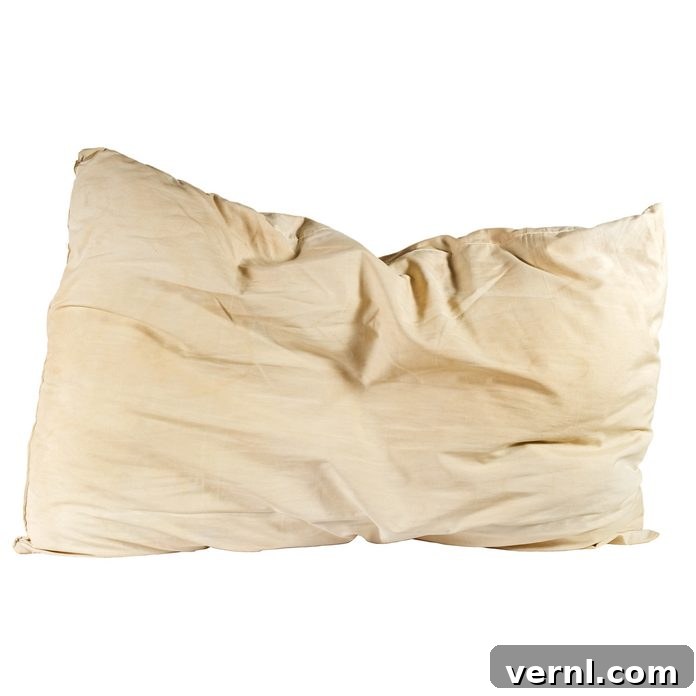
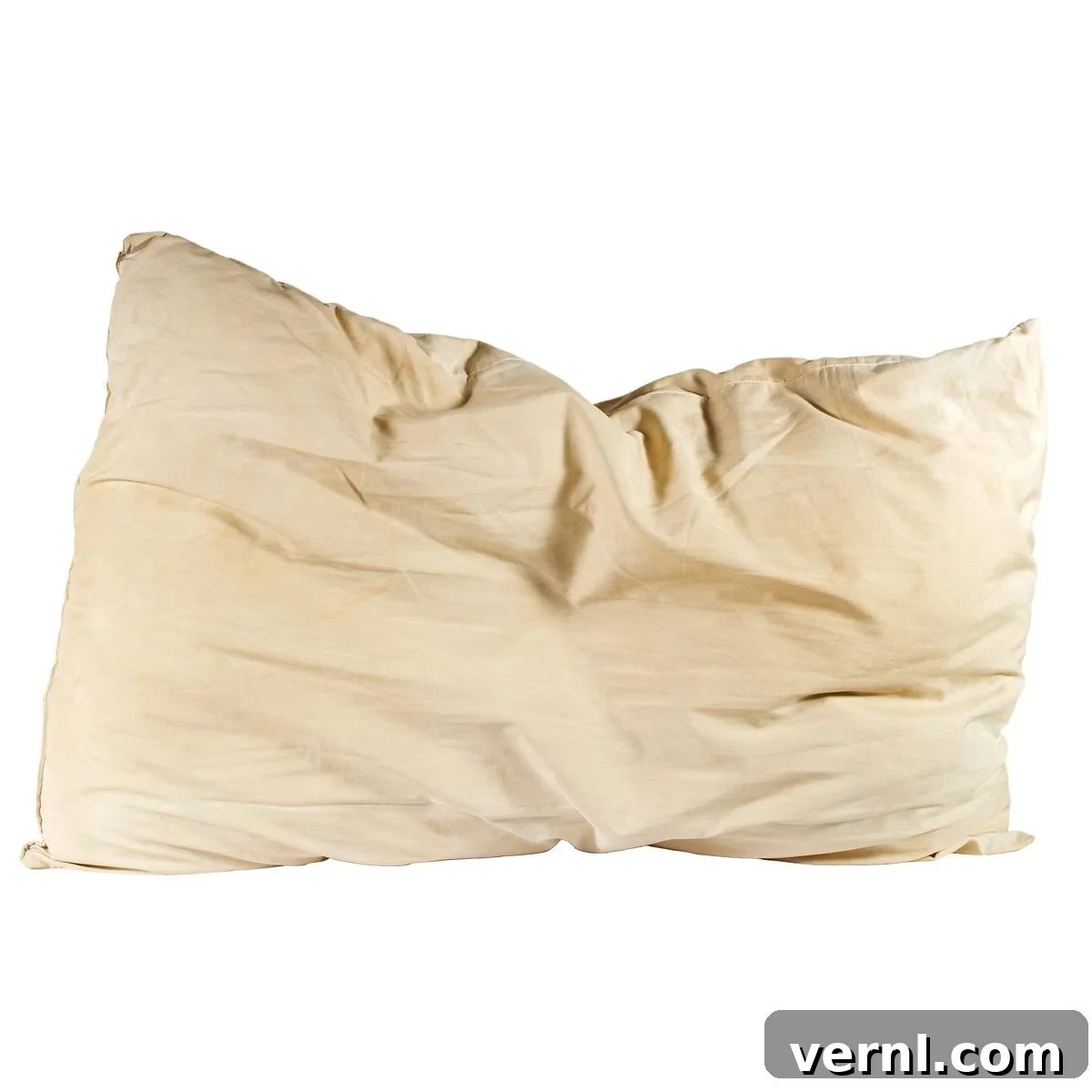
There’s nothing quite like sinking into a comfortable bed after a long day, especially when your head is supported by a perfectly fluffed, cloud-like pillow. However, a lumpy, flat, or misshapen pillow can quickly turn that dream into a nightmare, leading to restless nights, neck pain, and a generally uncomfortable sleep experience. Lumps form when the filling inside your pillow becomes compressed and unevenly distributed, losing its original loft and support. This guide provides comprehensive, practical solutions to restore your pillows to their former glory, keep them in top condition, and significantly extend their lifespan, ensuring you enjoy consistently restful sleep.
Daily Pillow Fluffing: Your First Line of Defense Against Lumps
Transforming your daily routine with a simple act can significantly extend the life and comfort of your pillows: daily fluffing. Much like making your bed, taking a moment each morning to properly fluff your pillows is a crucial, yet often overlooked, step in maintaining their pristine condition. This minor ritual acts as your first and most effective defense against the dreaded problem of lumpy, misshapen pillows.
When we sleep, our body weight, head movements, and natural perspiration compress the filling inside our pillows. Over time, if left unattended, this compression leads to the uneven distribution of stuffing, creating those uncomfortable lumps and valleys that can disrupt sleep quality and even lead to neck pain. Daily fluffing works by redistributing the fill material, whether it’s down, feathers, or synthetic fibers, allowing it to regain its natural loft and volume. This ensures your pillow provides consistent support throughout the night, night after night.
Beyond preventing lumps, regular fluffing offers several other benefits. It helps to air out your pillow, discouraging the buildup of moisture and potentially reducing the habitat for dust mites and allergens. A well-fluffed pillow also simply looks better on your bed, contributing to a more inviting and aesthetically pleasing sleep environment. Incorporating this simple habit into your morning routine takes mere seconds but yields profound results in terms of pillow longevity, hygiene, and ultimately, the quality of your rest.
How to Effectively Fluff Different Pillow Types
While the general principle of fluffing remains the same, specific techniques can be more effective depending on your pillow’s filling. The goal is always to encourage the filling to redistribute evenly and regain its loft.
Fluffing Down and Fiberfill Pillows
For down, feather, and synthetic fiberfill pillows, which are most prone to lumping, a hands-on approach is key:
- The “Punch & Push” Method: Hold the pillow by its shorter sides, one in each hand. Push your hands together firmly, compressing the pillow. Release and repeat this action several times. Next, turn the pillow 90 degrees and repeat the process, pushing the longer sides together. This helps to force air back into the filling and break up any nascent clumps.
- The “Karate Chop” Method: Hold the pillow upright on a flat surface. Use the side of your hand (like a karate chop) to firmly hit the middle of the pillow on both sides. This creates a valley in the center, allowing the filling to loft up on either side, resembling the fluffy pillows you often find in high-end hotels.
- Shaking: After applying the above methods, give your pillow a good shake to further loosen the filling and evenly distribute it across the entire pillow.
Maintaining Memory Foam and Latex Pillows
Memory foam and latex pillows do not “fluff” in the traditional sense as their solid core material doesn’t clump. However, they still benefit from regular care:
- Air Them Out: These pillows can retain body heat and moisture. Airing them out regularly helps to keep them fresh and free from odors. Simply remove the pillowcase and let them breathe for a few hours.
- Spot Cleaning: Follow manufacturer’s instructions for cleaning. Most memory foam and latex pillows cannot be machine washed.
Fix Lumpy Pillows with the Dryer Method: A Monthly Refresh
If daily fluffing isn’t enough, or if your pillows are already showing signs of significant lumping, your dryer can be a powerful tool for restoration. Incorporating a monthly dryer cycle into your pillow care routine can work wonders in restoring their bounce and freshness. This method is particularly effective for down, feather, and synthetic fiberfill pillows.
How to Use Your Dryer to Fix Lumpy Pillows:
- Check Pillow Care Tags: Always start by checking the care label on your pillow. Most pillows (especially synthetic and down) are machine washable and dryable, but some may have specific instructions or be dry-clean only.
- Load Correctly: Place one or two pillows in the dryer at a time. Avoid overcrowding the dryer, as this prevents proper air circulation and can lead to uneven drying.
- Set to Low Heat: Use a low heat or air-fluff setting. High heat can damage synthetic fibers, cause down to clump, or even scorch delicate materials. The goal is gentle heat to remove moisture and restore loft.
- Add Dryer Balls or Tennis Balls: This is the secret weapon! Place two to three clean tennis balls (enclosed in clean socks to prevent color transfer) or specialized dryer balls with your pillows. As the dryer tumbles, these balls will bounce around, beating and breaking up clumps of filling, while also helping to evenly distribute the heat and reduce drying time.
- Cycle and Fluff: Run the dryer for 20-30 minutes, or until the pillows feel completely dry and fluffy. Stop the dryer every 10-15 minutes to manually fluff and reposition the pillows. This ensures thorough drying and prevents heat from concentrating in one area.
The dryer method not only helps to de-lump your pillows but also works to kill dust mites, remove allergens, and evaporate any lingering moisture, leaving your pillows feeling fresh, clean, and hotel-quality soft. For more secrets on how to achieve that luxurious hotel pillow feel, explore expert tips here.

Enhancing the Dryer Method: The Tennis Ball Trick
As mentioned, the tennis ball trick is a highly effective, low-cost solution for revitalizing lumpy pillows and other bedding. The principle is simple yet ingenious: the impact of the tennis balls (or dryer balls) against the tumbling pillows physically agitates the filling, breaking apart clumps and restoring the pillow’s original loft and evenness.
Why the Tennis Ball Trick Works:
- Physical Agitation: The constant bumping and thumping from the tennis balls mimics manual beating, forcing compressed fibers to separate and fluff up.
- Improved Airflow: The balls create space between the pillows and other items, allowing for better air circulation, which reduces drying time and ensures more even heat distribution.
- Faster Drying: By helping to separate the fill, the balls allow moisture to evaporate more quickly, preventing mildew and odors.
Best Practices for Using Tennis Balls:
- Use Clean Tennis Balls: Ensure the tennis balls are clean and new to avoid transferring dirt, grass stains, or chemical residues to your pillows. For extra caution, placing them inside clean socks can add a layer of protection and dampen the noise.
- Specialized Dryer Balls: If you don’t have tennis balls, wool dryer balls or plastic dryer balls with nubs are excellent alternatives. They offer similar benefits without the potential for noise or residue. Wool dryer balls also naturally soften fabrics and reduce static.
- Ideal for Comforters and Duvets: This trick isn’t just for pillows! It’s equally effective for fluffing up comforters, duvets, and sleeping bags that have lost their loft. The larger items benefit even more from the vigorous agitation the balls provide.
Embrace Natural Drying: Air Out and Air Dry Regularly
While machine drying offers convenience, air drying provides a gentle, complete drying process that can significantly benefit your pillows’ freshness and longevity. It’s an excellent method for removing lingering odors, killing bacteria with natural sunlight, and restoring a fresh, clean feel. Integrating regular air drying into your pillow maintenance routine can prevent the buildup of moisture that leads to mold, mildew, and unpleasant smells.
How to Effectively Air Dry Your Pillows:
- Choose the Right Spot: Select a clean, dry area with good air circulation. Outdoors, a clothesline or a clean, flat surface like a patio table works well. Indoors, a drying rack near an open window or fan is ideal.
- Sunshine Benefits: Direct sunlight is a natural disinfectant. The UV rays can help kill dust mites and bacteria, while the heat aids in moisture evaporation. However, be cautious with dark-colored pillows or delicate fabrics, as prolonged direct sun can cause fading.
- Fluff and Turn Frequently: As your pillows air dry, make sure to fluff them several times. Turn them over and reposition them every few hours to ensure even drying and prevent moisture from getting trapped. This also helps to redistribute the filling and prevent lumps from forming during the drying process.
- Check for Dryness: Ensure your pillows are completely dry before putting them back on your bed. Even a slight amount of residual moisture can lead to mildew growth and unpleasant odors. This might take several hours or even a full day, depending on humidity and pillow thickness.
Air drying not only saves energy but also imparts a natural, fresh scent to your pillows that can’t be replicated by a machine. It’s a particularly good option for pillows with delicate fillings or those you prefer not to expose to machine heat.
Manual Stuffing Adjustment: When All Else Fails
For pillows with persistent, stubborn lumps that resist fluffing and drying, a more direct approach might be necessary: manually adjusting or redistributing the internal stuffing. This method requires a bit more effort and some basic sewing skills, but it can be incredibly effective for revitalizing older pillows or those with particularly compressed filling.
Steps to Manually Adjust Pillow Stuffing:
- Locate the Seam: Most pillows have a stitched seam along one side. Carefully locate this seam.
- Open the Seam: Using a seam ripper or small scissors, carefully remove the stitching from a section of the seam, creating an opening large enough for your hand to fit through. Start with a smaller opening (4-6 inches) to avoid completely deconstructing the pillow.
- Assess and Rearrange: Reach inside the pillow and feel for lumps and areas where the stuffing has become matted or thin. Gently pull apart any clumps of filling with your fingers. Spread the stuffing evenly throughout the pillow, pushing it into corners and thin spots. You might also want to shake and fluff the pillow from the outside as you work to help the stuffing settle.
- Remove or Add Stuffing (Optional): If the pillow feels too firm or too full, you can remove a small amount of stuffing. Conversely, if it feels too flat, this is an opportune moment to add new polyester fiberfill (more on this below).
- Test for Comfort: Once you’ve rearranged the stuffing to your satisfaction, temporarily close the opening with pins and test the pillow. Lie on it to see if the support and comfort are improved. Adjust as needed.
- Sew It Up: Once you’re happy with the pillow’s new shape and firmness, carefully hand-sew the opening back together. Use a sturdy thread and a needle, employing a simple ladder stitch or whipstitch for a neat, secure finish.
This method allows for precise control over the pillow’s internal structure, making it a powerful tool for customization and extending the life of your beloved pillows.

Understanding Pillow Fillings: What’s Inside Your Pillow?
The type of material inside your pillow significantly impacts its feel, support, maintenance, and susceptibility to lumping. Understanding these differences can help you care for your current pillows better and make informed decisions for future purchases.
- Down and Feather: Often considered the epitome of luxury, down pillows (made from the soft clusters beneath a bird’s feathers, typically geese or ducks) are incredibly soft, lightweight, and moldable. Feather pillows offer similar softness with a bit more firmness due to the quill. Both can be prone to clumping if not fluffed regularly and require careful washing and drying. Down pillows are excellent for stomach and back sleepers due to their adjustability.
- Synthetic Fiberfill (Polyester): This is one of the most common and affordable pillow fillings. Made from spun polyester fibers, it mimics the feel of down but is hypoallergenic and easier to care for. However, synthetic fiberfill is notorious for compacting and forming lumps over time, making regular fluffing and machine drying with dryer balls essential. It’s a good choice for those with allergies and a preference for a softer, medium-firm feel.
- Memory Foam: Made from viscoelastic polyurethane, memory foam contours to the shape of your head and neck, offering excellent pressure relief and support. It comes in solid blocks or shredded forms. Solid memory foam pillows do not clump but can retain heat and are not “fluffed.” Shredded memory foam offers more adjustability and better airflow, and can be gently manipulated to redistribute filling, though traditional “lumping” is rare.
- Latex: Derived from rubber trees, latex pillows are durable, breathable, and provide a buoyant, supportive feel. They come in solid or shredded forms and are naturally hypoallergenic and resistant to dust mites and mold. Like memory foam, solid latex pillows do not lump, but shredded latex can be adjusted. They offer consistent support and are often firmer than down or fiberfill.
- Buckwheat Hulls: These pillows are filled with the outer casings of buckwheat seeds. They offer firm, adjustable support as the hulls conform to your head and neck. They are breathable and durable but can be heavy and make a rustling sound. Buckwheat pillows do not lump; instead, they shift, and you can add or remove hulls to adjust firmness.
Sustainable Choices: Recycling and Repurposing Old Pillows
When your pillows have reached the end of their useful life and can no longer be salvaged, proper disposal or repurposing becomes important. Unfortunately, pillows are generally not accepted in curbside recycling programs due to their mixed materials and hygiene concerns. Most thrift stores and charitable organizations also decline used pillows for similar reasons.
Why Pillows Aren’t Easily Recycled:
- Mixed Materials: Pillows are often made from a combination of fabric covers (cotton, polyester) and various fillings (down, synthetic fibers, foam), which are difficult to separate for recycling.
- Hygiene Concerns: Used pillows can harbor allergens, dust mites, skin cells, and bodily fluids, making them unsuitable for donation or conventional recycling.
Creative Ways to Repurpose Old Pillows:
Rather than simply tossing them, consider giving your old pillows a second life:
- Pet Beds: This is a classic and practical repurpose. Your old pillow can be slipped into a new cover or a DIY fabric casing to create a comfortable bed for your dog or cat.
- Draft Stoppers: Cut the pillow in half or quarters, stuff the filling into a long fabric tube, and use it to block drafts under doors or windows, helping to insulate your home.
- Packing Material: If you’re moving or shipping fragile items, the stuffing from old pillows can serve as excellent cushioning material.
- Garden Kneeler: Place an old pillow inside a waterproof bag or cover to create a comfortable kneeler for gardening tasks.
- Craft Projects: The fiberfill from synthetic pillows can be used for various craft projects, such as stuffing for toys, decorative pillows, or poufs.
- Cleaning Rags: If the fabric cover is cotton, it can be cut into smaller pieces and used as absorbent cleaning rags.
For more ingenious ideas on repurposing everyday household items, explore a wealth of creative suggestions here. Otherwise, if repurposing isn’t an option, dispose of them with your regular household waste, but always check with your local waste management facility for specific guidelines.
How Often Should You Replace Your Pillows?
Even with the best care, pillows don’t last forever. Knowing when to replace your pillows is crucial for maintaining proper support, hygiene, and ultimately, a good night’s sleep. While proper maintenance can extend their life, there comes a point when a pillow simply can’t offer the support it once did.
General Guidelines for Pillow Replacement:
- Synthetic Pillows: Generally, these should be replaced every 6 months to 2 years. They tend to break down and clump faster than other types.
- Memory Foam and Latex Pillows: These are more durable and can last between 2 to 4 years, sometimes even longer with good care. They maintain their shape better but can still degrade over time, losing their supportive qualities.
- Down and Feather Pillows: With excellent care, including daily fluffing, regular washing, and protectors, high-quality down pillows can surprisingly last for 5 to 10 years, and some even up to 20 years.
Signs It’s Time to Replace Your Pillow:
- The Fold Test: Fold your pillow in half. If it doesn’t spring back to its original shape, it’s likely time for a new one. For larger pillows, fold it into thirds.
- Persistent Lumps and Flatness: If fluffing and drying no longer restore its loft and it remains lumpy or flat, its internal structure is compromised.
- Neck or Shoulder Pain: If you wake up with aches and pains, especially in your neck or shoulders, your pillow might not be providing adequate support.
- Stains and Odors: Unwashable stains or persistent unpleasant odors (even after cleaning) indicate bacterial buildup or mold, which is unhygienic.
- Allergy Flare-Ups: An old pillow is a breeding ground for dust mites and allergens. If your allergies worsen at night, a new pillow might help.
Regular washing is also a critical part of pillow hygiene and can influence their longevity. Discover how often you should wash your pillows, and specific techniques, as you might be surprised by the recommended frequency. For down pillows, in particular, it’s best to run them through two rinse cycles to ensure all soap residue is removed, followed by two spin cycles to extract as much water as possible before drying them on a low heat setting, fluffing every 20 minutes.
Adding New Stuffing: Revitalizing Flat Pillows
If your pillow is still structurally sound but has lost significant loft, especially synthetic fiberfill pillows, adding new stuffing can be a cost-effective way to restore its plumpness and support. This is a great alternative to buying an entirely new pillow, particularly for decorative pillows or those with unique covers you wish to keep.
Where to Find Pillow Stuffing:
The most common and versatile material for stuffing pillows is polyester fiberfill. You can find it readily available:
- Online Retailers: Websites like Amazon offer a wide selection. For instance, this is often Amazon’s best-selling Poly-Fil Premium Fiber.
- Arts and Crafts Stores: Major craft retailers like Jo-Ann, Hobby Lobby, or Michaels typically stock various types of fiberfill, sometimes even organic or recycled options.
- Fabric Stores: Specialized fabric stores will also carry pillow stuffing.
Steps to Stuff a Pillow Evenly:
- Prepare the Pillow: Similar to the manual adjustment method, carefully remove the stitching from one end of your pillow to create an opening. Make it wide enough to comfortably work through.
- Tease Apart the Filling: New fiberfill often comes compressed. Before inserting it, pull it apart gently with your hands, teasing it into smaller, fluffier clumps. This prevents large, dense lumps from forming inside the pillow.
- Insert Gradually: Begin stuffing the pillow in small sections, starting with the corners. Push the teased fiberfill firmly into place, ensuring there are no empty spots.
- Distribute Evenly: As you add more stuffing, continuously fluff and pat the pillow from the outside. Use your hands to feel for any unevenness or potential lumps forming internally. Work your way across the pillow, adding small amounts of fiberfill until the desired plumpness is achieved.
- Avoid Overstuffing: While you want a full pillow, avoid overstuffing, which can make it too firm and uncomfortable. Aim for a balance that provides good support without feeling rigid.
- Secure the Seam: Once satisfied with the pillow’s density and evenness, hand-sew the opening back together neatly and securely.
This process gives your pillow a new lease on life, restoring its comfort and extending its usability.
Maximizing Pillow Longevity: How Long Should a Pillow Last?
The lifespan of a pillow varies greatly depending on its filling material, quality, and, most importantly, the level of care it receives. Investing in a good pillow is a start, but proper maintenance is what truly determines how long it will remain supportive and comfortable.
Factors Affecting Pillow Lifespan:
- Material Quality: Higher quality materials, like premium down or durable latex, inherently last longer than cheaper synthetic alternatives.
- Filling Type: As discussed, different fillings have different lifespans and degradation rates. Down and latex generally outlast synthetic fibers.
- Usage: Pillows used nightly will wear out faster than guest pillows or decorative ones.
- Body Weight and Sleep Style: Heavier individuals or those who are restless sleepers may compress pillows more quickly.
Extending Your Pillow’s Life:
The secret to maximizing your pillow’s lifespan lies in consistent, proactive care:
- Pillow Protectors: This is arguably the most crucial step. A zippered pillow protector creates a barrier against dust mites, allergens, moisture, and stains. It keeps the actual pillow cleaner and extends its life significantly. Always use a pillow protector underneath your decorative pillowcase.
- Regular Washing: Follow washing instructions for your specific pillow type. Washing removes oils, sweat, and allergens that can break down the filling over time.
- Daily Fluffing: Prevents compaction and maintains loft, as detailed earlier.
- Monthly Dryer Refresh: Helps to re-fluff and sanitize, as outlined above.
- Air Them Out: Regular exposure to fresh air keeps pillows smelling clean and free of moisture.
By diligently following these care tips, you can significantly prolong the life of your pillows, ensuring they provide optimal comfort and support for years to come. For instance, a high-quality down pillow, when properly cared for with a zippered pillow protector and regular cleaning, can genuinely last up to 20 years, making the initial investment worthwhile.
Every product is independently selected by our editors. If you buy something through our links, we may earn an affiliate commission.