
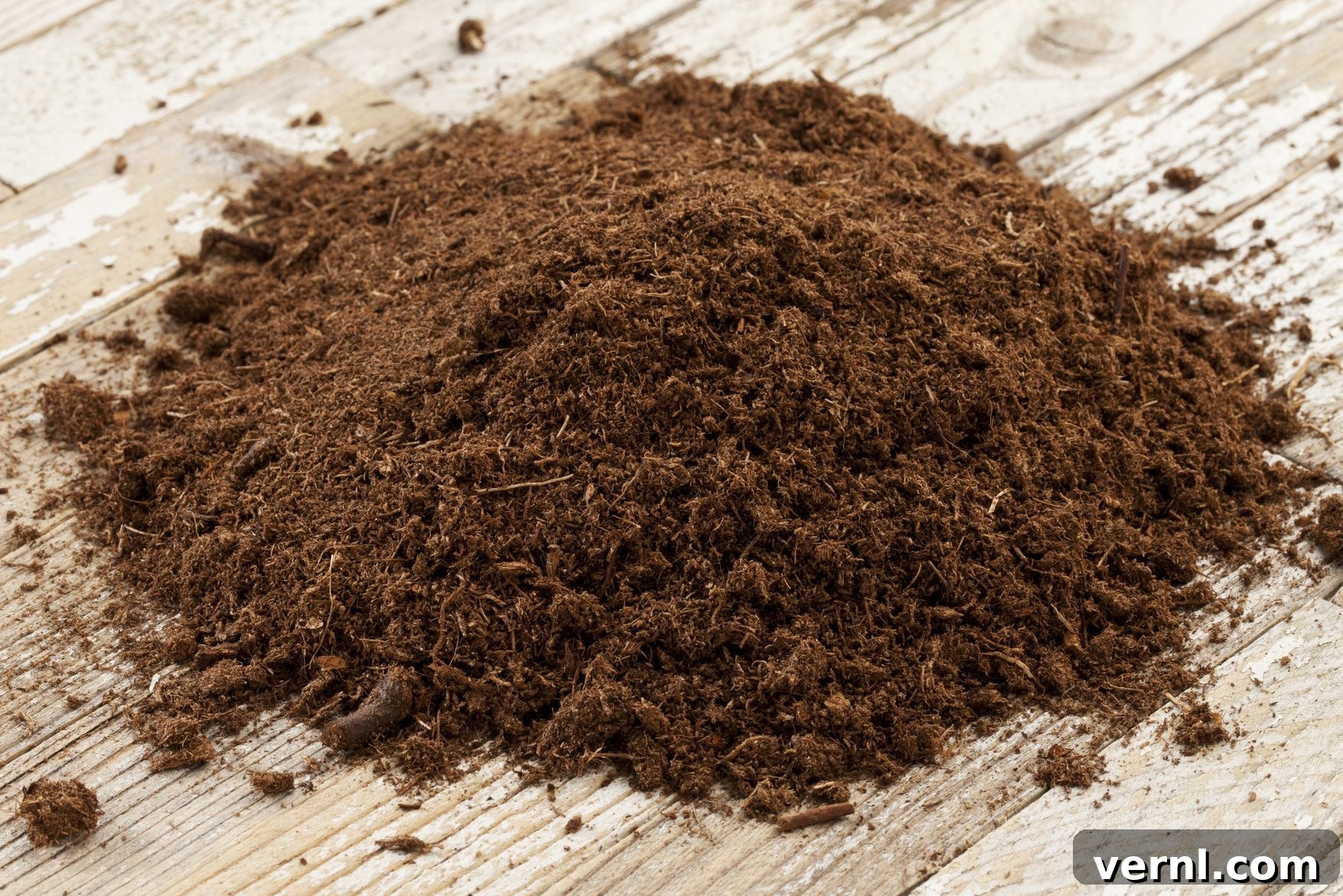
Unlocking Soil Potential: A Comprehensive Guide to Sphagnum Peat Moss
For generations, gardeners across the globe have sought effective ways to enhance their soil, fostering vibrant plant growth and abundant harvests. Among the myriad of soil amendments available, Sphagnum peat moss stands out as a consistently popular choice. This remarkable material has earned its place in countless potting mixes and garden beds due to its unique properties. But what exactly is it, why do so many gardeners swear by its benefits, and what are its potential drawbacks? This in-depth guide will explore the multifaceted nature of sphagnum peat moss, offering a balanced perspective for both novice and experienced horticulturists.
What is Sphagnum Peat Moss, and What are Its Benefits?
“Sphagnum peat moss is a partially decomposed sphagnum moss collected from bogs alive and then dried after harvesting,” according to Pol Bishop, a gardening and landscaping expert at Fantastic Gardeners. This definition points to its unique origin: vast wetlands known as peat bogs. Unlike compost, which is fully decomposed organic matter, peat moss exists in a stage of arrested decay, a characteristic that imparts many of its desirable horticultural qualities.
The transformation from live Sphagnum moss to peat moss is a slow, natural process occurring over thousands of years. In the oxygen-deprived, waterlogged conditions of a bog, organic material breaks down very slowly, accumulating into the dense, fibrous material we know as peat. This slow decomposition means that peat moss retains much of its original cellular structure, making it incredibly effective for soil conditioning.
Key Benefits of Incorporating Peat Moss into Your Garden:
Sphagnum peat moss offers a wide range of benefits that can significantly improve soil health and plant vitality. Primarily, it’s celebrated as a powerful soil conditioner.
1. Enhances Soil Structure and Aeration
One of the most significant advantages of peat moss is its ability to improve soil structure. “It’s primarily used as a conditioner to loosen compact soils, improve aeration and prevent rotting roots,” according to Tammy Sons, owner of Tennessee Wholesale Nursery. For heavy clay soils, which can become dense and waterlogged, peat moss acts as a bulking agent, creating tiny air pockets that improve drainage and allow roots to breathe. Conversely, in sandy soils, which drain too quickly, peat moss helps bind particles, giving the soil more body and structure.
2. Superior Water and Nutrient Retention
Peat moss has an extraordinary capacity to hold water, often absorbing up to 20 times its weight in moisture. This spongy quality is invaluable for gardeners, especially in drier climates or for plants with high water demands. “Additional benefits include increasing the soil’s water and nutrient-maintaining capacity,” Sons says. By acting like a sponge, peat moss holds onto water and releases it slowly, reducing the frequency of watering and ensuring a consistent moisture supply to plant roots. Furthermore, its unique structure helps to bind essential nutrients, preventing them from leaching out of the soil with excess water, thereby making them more available for plant uptake.
3. Provides Acidity for Acid-Loving Plants
Many plants thrive in specific soil pH ranges. Sphagnum peat moss naturally possesses an acidic pH (typically between 3.5 and 4.5), making it an ideal amendment for plants that prefer acidic conditions. Sons notes its role in “providing acidity to the soil that is much needed by plants such as berries, basil, gourds, arugula, and more.” Blueberries, rhododendrons, azaleas, camellias, and numerous conifers are just a few examples of plants that flourish in the slightly acidic environment created by peat moss. Incorporating it can help achieve the optimal pH balance required for these species to absorb nutrients efficiently and display robust growth.
4. Sterility and Disease Suppression
Another benefit, particularly for seed starting and propagating cuttings, is the relative sterility of peat moss. Because of the unique conditions in which it forms, peat moss is largely free from weed seeds, disease pathogens, and harmful microorganisms. This makes it an excellent choice for creating a clean, pathogen-free environment crucial for germinating delicate seeds and encouraging healthy root development in cuttings, minimizing the risk of damping-off disease.
5. Consistency and Uniform Texture
Peat moss offers a consistent and uniform texture, which is highly valued in horticulture. Its fine, fibrous nature blends easily with other soil components, creating a homogenous growing medium. This consistency ensures even distribution of water and nutrients throughout the potting mix or garden bed, leading to more predictable and reliable plant performance.
There are hundreds of species of sphagnum moss. Most varieties are primarily harvested in wetlands in Canada, though it’s also found in parts of the United States, Europe and around the world. These vast peatlands are crucial ecosystems, and their role in the global environment is a key factor in the ongoing debate surrounding peat moss use.
What Does Sphagnum Peat Moss Look Like?
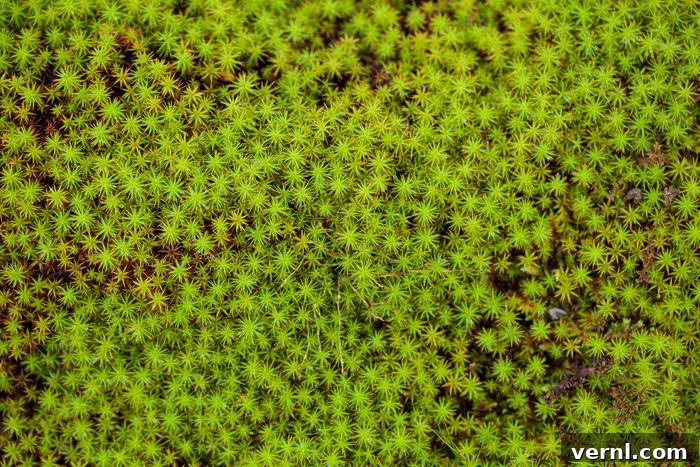
When you encounter sphagnum peat moss, you’ll notice a few distinct signs. Typically, it appears as a light to medium brown, fibrous, and somewhat spongy material. The color can vary depending on the degree of decomposition, ranging from very light brown for less decomposed material to a darker, almost black hue for older, more broken-down peat. Its texture is fine and lightweight when dry, feeling soft to the touch, but it becomes denser and heavier when wet.
“This moss can be distinguished by its somewhat unique branch cluster, which stems from the center of the plant,” Sons says. While this describes the live Sphagnum moss, the resulting peat moss retains some of this structural integrity in its fibrous strands. “With a lack of true roots, it is easily found on many surfaces such as, but not limited to, rocks, tree bark, and soil.” In its natural bog habitat, Sphagnum moss forms dense mats, absorbing water like a colossal sponge, which is precisely why the resulting peat moss has such impressive water-holding capabilities.
Why Would You Not Use Sphagnum Peat Moss? Addressing the Limitations and Environmental Concerns
While sphagnum peat moss undoubtedly provides important benefits for some gardeners, it’s crucial to acknowledge its limitations and significant drawbacks. The modern gardening world is increasingly focused on sustainable practices, and the environmental impact of peat moss harvesting is a central point of contention.
1. Environmental and Sustainability Concerns: A Non-Renewable Resource
The primary concern surrounding peat moss use revolves around its environmental sustainability. Peat bogs are unique and delicate ecosystems that form over millennia. Peat accumulates at an incredibly slow rate – mere millimeters per year. This makes harvested peat moss a non-renewable resource on any human timescale. When peat is extracted, these ancient bogs are often drained, destroying the habitats of diverse flora and fauna, and altering critical hydrological cycles.
Furthermore, peat bogs are massive carbon sinks, storing vast amounts of carbon dioxide (CO2) absorbed from the atmosphere. When peat is harvested, dried, and used in gardens, this stored carbon is released back into the atmosphere as CO2, contributing to climate change. Andrea Ballanti, owner of Your Indoor Herbs, highlights this, stating, “Peat moss is essentially a dry plant material from a type of moss called sphagnum. This plant traps a large amount of CO2 and its presence is important for the water filtration and regulation capability.” The destruction of these vital ecosystems for horticultural purposes is a significant ethical and ecological dilemma for many gardeners.
2. Soil pH Compromise
As discussed, peat moss is inherently acidic. While this is beneficial for acid-loving plants, it can be detrimental to others. Ballanti notes that “because peat moss is acidic, large amounts might compromise your soil’s pH.” If your garden soil is already acidic or if you are growing plants that prefer neutral to alkaline conditions (such as lavender, lilacs, or clematis), adding significant amounts of peat moss without careful monitoring can lower the pH too much, leading to nutrient deficiencies and poor plant health. Gardeners must test their soil pH regularly and use peat moss judiciously to avoid unintended consequences.
3. Hydrophobicity When Dry
Paradoxically, while peat moss excels at retaining water, it can become highly hydrophobic (water-repellent) if allowed to dry out completely. A dry block of peat moss can be extremely difficult to rewet, causing water to simply bead up and run off the surface rather than soaking in. This can lead to underwatering even when you think you’re watering adequately. Gardeners often have to pre-soak peat moss or mix it thoroughly with other materials to mitigate this issue, which adds an extra step to the preparation process.
4. Lack of Nutrients
While peat moss improves nutrient retention, it is not a nutrient source itself. It provides very little in the way of essential plant nutrients. Therefore, when using peat moss as a primary component in potting mixes or as a soil amendment, it’s crucial to supplement with fertilizers or nutrient-rich organic materials like compost to ensure your plants receive the nourishment they need for optimal growth.
5. Cost Considerations
For large-scale applications or extensive garden projects, the cost of peat moss can become prohibitive. While smaller bags are relatively affordable, bulk quantities can be expensive, especially when considering its non-renewable status and the environmental costs associated with its harvesting. This economic factor often prompts gardeners to explore more budget-friendly and sustainable alternatives.
Sustainable Alternatives to Sphagnum Peat Moss
Given the environmental concerns and limitations of peat moss, many gardeners are actively seeking and adopting sustainable alternatives. These options often provide similar benefits to peat moss while being more environmentally friendly or even renewable.
1. Coco Coir
Coco coir, or coconut coir, is rapidly gaining popularity as a primary peat moss substitute. It’s a byproduct of the coconut processing industry, made from the fibrous husks of coconuts. Ballanti mentions, “Many of my gardener’s friends are starting to use alternatives such as coco coir (dust coming from the coconut husks). I did as well, but it is quite expensive at the moment.”
- Benefits: Coco coir boasts excellent water retention and aeration properties, often superior to peat moss. It has a neutral to slightly acidic pH (around 5.5 to 6.8), making it suitable for a wider range of plants without drastic pH adjustments. It’s also renewable and can be rewetted more easily than dry peat moss.
- Drawbacks: As Ballanti notes, it can be more expensive than peat moss. Some coco coir products may contain residual salts, so rinsing before use is often recommended, particularly for sensitive plants.
2. Compost
Compost is arguably the gold standard for soil amendments, offering a holistic approach to soil health. Made from decomposed organic materials like food scraps, yard waste, and leaves, compost is rich in nutrients and teeming with beneficial microorganisms.
- Benefits: Improves soil structure, water retention, and aeration. Provides a slow-release source of essential nutrients. Enhances soil biodiversity and suppresses plant diseases. It’s a highly renewable resource that can often be produced at home.
- Drawbacks: Quality can vary. Homemade compost requires effort and space.
3. Composted Pine Bark Fines
A byproduct of the timber industry, composted pine bark fines are finely ground pieces of pine bark that have undergone a composting process. They are particularly popular in potting mixes for orchids and other epiphytes, but also work well as a soil amendment.
- Benefits: Provides excellent drainage and aeration, breaks down slowly, and is relatively pH neutral. Improves soil structure and adds organic matter.
- Drawbacks: Can tie up nitrogen during decomposition if not properly composted. May require more frequent watering than peat or coir due to lower water retention.
4. Leaf Mold
Leaf mold is simply decomposed leaves. It’s a wonderful, easy-to-make amendment that greatly benefits soil structure.
- Benefits: Significantly improves soil structure, water retention, and provides a habitat for beneficial soil organisms. It’s essentially free and easy to produce.
- Drawbacks: Takes a year or more to fully decompose. Doesn’t offer much in terms of nutrient content.
5. Rice Hulls
A byproduct of rice processing, rice hulls are lightweight and offer excellent aeration and drainage. They are often used as a component in growing media, similar to perlite or vermiculite.
- Benefits: Improves aeration and drainage, slow to decompose, sustainable, and often locally available in rice-growing regions.
- Drawbacks: Low water retention, minimal nutrient value.
Choosing the right soil amendment depends on your specific gardening needs, budget, and environmental values. While sphagnum peat moss offers compelling benefits for soil conditioning and specific plant requirements, the growing awareness of its environmental impact has led many gardeners to explore and embrace sustainable alternatives.
Also, find out how to bring the lush look and feel of a cushy forest floor into your home with living moss rugs! For those fascinated by the unique aesthetic of moss, exploring concepts like moss gardens can open up new avenues for creative landscaping and sustainable design, offering a beautiful and low-maintenance alternative to traditional lawns or ground covers.