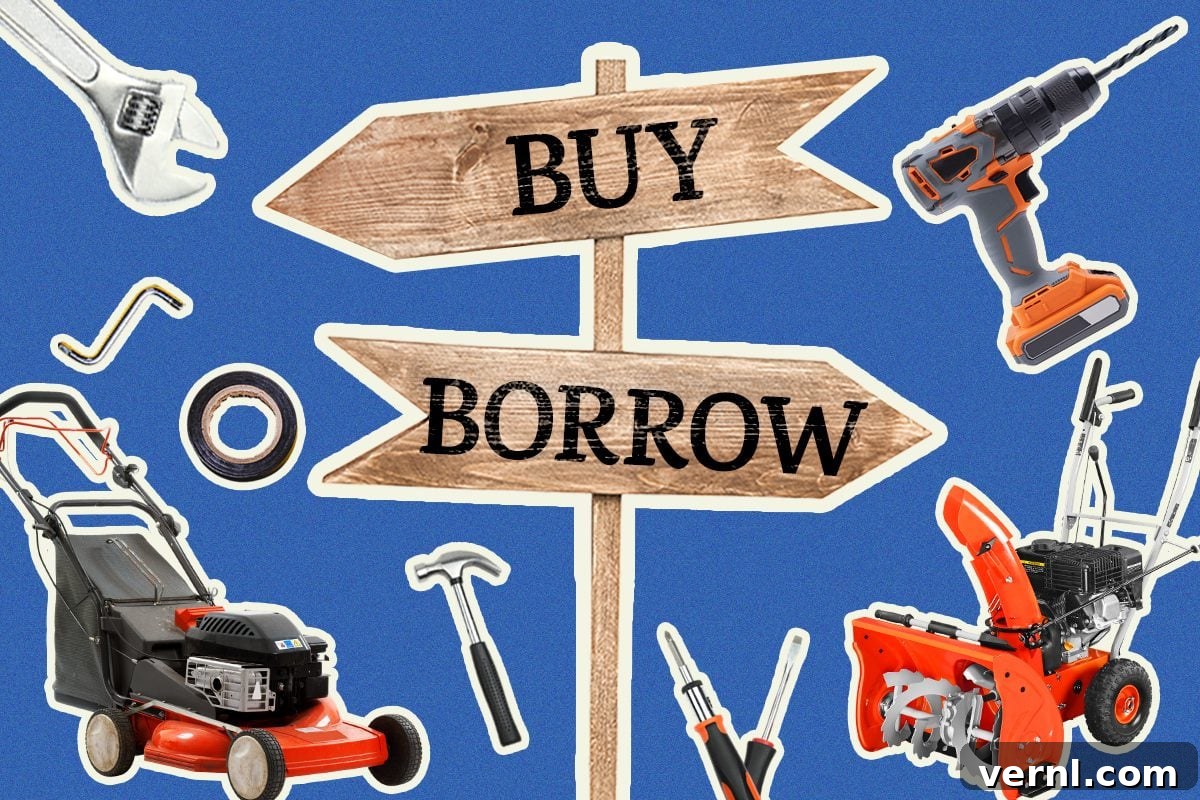
After living in a house for a while, homeowners naturally accumulate tools specific to their maintenance and remodeling needs. When you first move in, though, it’s hard to predict which tools you’ll actually use regularly. Buying everything up front can be expensive and creates storage problems for items you rarely need.
When I moved into my house twenty years ago, every floor needed to be redone. I was fortunate to already own most of the flooring tools through my work as a flooring installer — tools that would have been costly to buy at the time. In hindsight, many of those specialized tools sat unused after the floors were finished.
Remodeler Daniel Cabrera advises that new homeowners buy a basic set of tools when they move in and rent or borrow other specialty tools for the first couple of years. That approach helps you avoid unnecessary purchases until you know which tools will see repeated use.
Starter Tool Kit – BUY
Cabrera says the average homeowner needs just five tools on a regular basis:
- 20V cordless drill
- 16-foot tape measure
- 16-ounce hammer
- Stud finder
- 24-inch level
Based on experience, it’s smart to round out that list with a few more versatile items you’ll likely use right away:
- Multi-bit screwdriver
- Socket wrench set
- Cordless circular saw
- Pliers (slip-joint and needle-nose)
- Utility knife
- Caulking gun
These tools cover most everyday repair and installation tasks and won’t take up excessive space. Together they make an affordable and practical starter kit.
Ladders – BUY
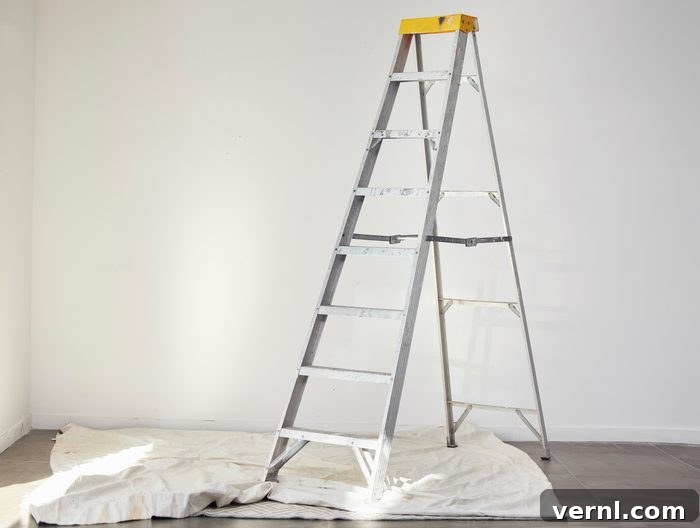
You will need a 6- or 8-foot stepladder at some point, and if you have siding, gutters or roof work, an extension ladder becomes necessary. While borrowing is possible, transporting a ladder can be awkward without the right vehicle. Buying a reliable stepladder and, if needed, an extension ladder up front avoids delays and makes routine tasks easier and safer.
Table Saw and Other Power Tools – BORROW
A table saw, miter saw, router, belt sander and similar specialty power tools are valuable for woodworking, but they are expensive and require storage space. Unless you know you will use one frequently, borrow or rent these tools when needed. Stick with a quality cordless drill and circular saw in your own kit; borrow the rest until a clear need emerges.
Power Washer – BORROW
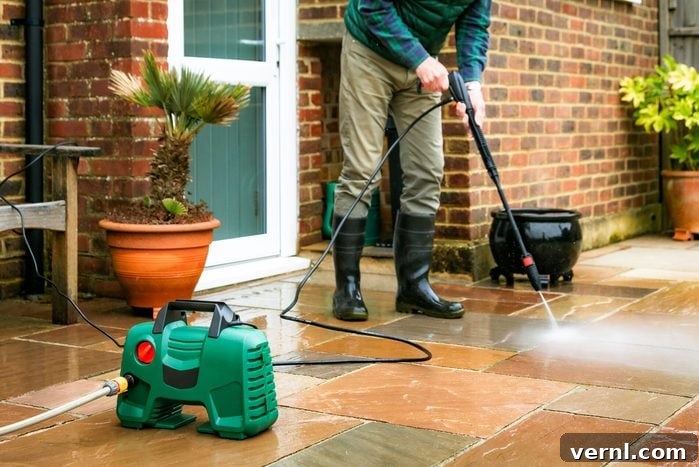
Power washers are useful for decks, driveways and siding, but most homeowners don’t need one regularly when they first move in. If you only have occasional cleaning jobs, borrowing from a friend or renting is usually cheaper and saves storage space. Rental options range from about $40 to $100 for a weekend, while buying can cost several hundred dollars and up; rental companies also tend to offer more powerful equipment than typical homeowner models.
Hand Lawn and Garden Tools – BUY
Basic hand garden tools are inexpensive and indispensable. Plants, shrubs and trees keep growing regardless of ownership, so a small set of quality tools will quickly prove useful. A common starter garden set includes:
- Digging shovel with a rounded blade
- Spade shovel for planting and edging
- Snow shovel (if you live in a snowy region)
- Soil rake for beds
- Leaf rake
- Pruning shears
These tools are compact to store and will handle most routine yard tasks.
Lawn Mower – BUY
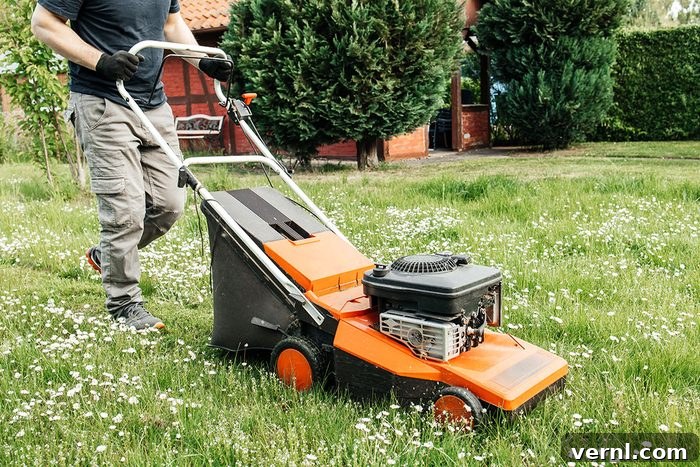
If your new property has turf, a mower is essential for timely upkeep and lawn health. It’s reasonable to borrow a neighbor’s mower for an initial cut if the lawn is overgrown, but you’ll want your own mower to establish a regular schedule. Owning the mower allows you to care for the lawn consistently, which improves the grass and appearance of your yard.
Power Lawn and Garden Tools – BORROW
Tools such as hedge trimmers, string trimmers (weed whackers), chainsaws, power augers and tillers often see only seasonal or infrequent use. They require storage, maintenance and winterization if they use gasoline. For most homeowners, borrowing or renting these tools as needed avoids cost and upkeep until a regular need justifies a purchase.
Snowblower – BORROW
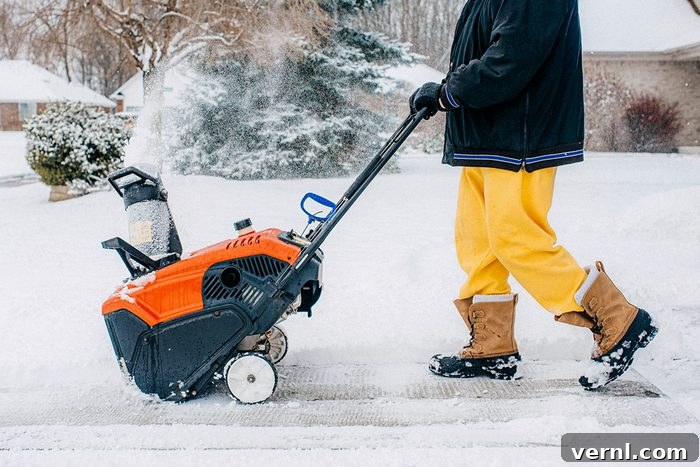
In heavy-snow regions, a snowblower can be a great convenience, but it’s often unnecessary in the first year or two. Traditional shoveling, hiring seasonal help, or coordinating with a neighbor who owns a snowblower are all viable short-term options until you determine whether a snowblower is worth the investment.
Toilet Plunger and Auger – BUY
Every bathroom should have clog-clearing tools. A plunger and a toilet auger (snake) are inexpensive, simple to store, and can prevent small plumbing problems from becoming unpleasant emergencies. These are must-have items to buy immediately upon moving in.
FAQ
Is it cheaper to rent tools instead of buying them?
It depends on the tool and how often you’ll use it. Small, inexpensive items like many drills, sanders and basic hand tools are often cheaper to buy. Large, costly tools such as floor sanders, paint sprayers or specialty machinery are usually cheaper to rent unless you’ll use them frequently. Compare the rental rate multiplied by the expected number of rental days to the purchase price (new or used) to decide.
Where can I borrow tools for free?
Start with friends and neighbors. Community platforms and local community tool libraries are also good options for borrowing tools. Automotive stores sometimes loan specialty car tools after a deposit. Local sharing networks and neighborhood groups can help you find tools without buying them.
What tools should every new homeowner buy first?
Begin with the five essential tools in Cabrera’s starter kit: a cordless drill, tape measure, hammer, stud finder and level. Add basic clog-clearing tools for bathrooms and a small set of hand lawn and garden tools. From there, buy or rent additional items as real needs arise.
About the Expert
- Daniel Cabrera has 16 years of residential remodeling experience in the San Antonio metro area and is the owner of Roof Direct San Antonio.