
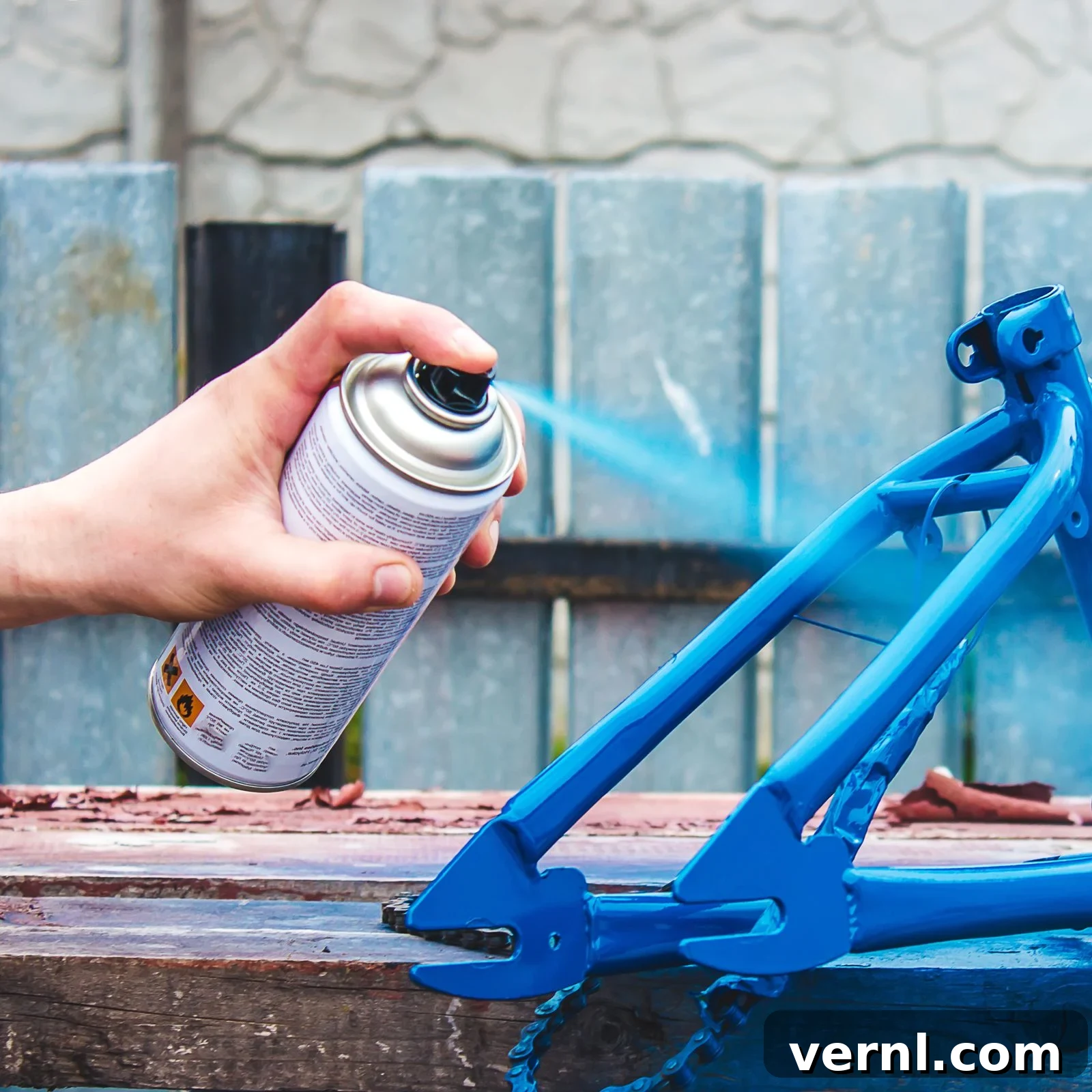
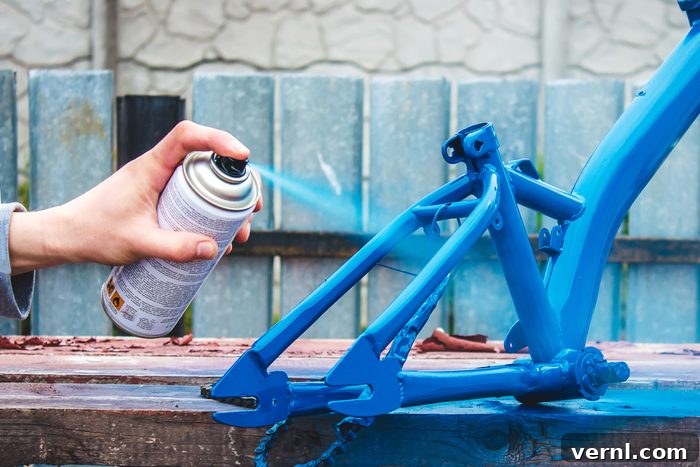
Embarking on a spray painting project, whether it’s revitalizing old furniture, giving new life to a bicycle, or tackling a larger automotive endeavor, can be incredibly rewarding. The instant transformation and smooth finish that spray paint offers are undeniably appealing. However, behind the vibrant colors and sleek finishes lies a critical aspect often overlooked: safety. My personal journey in refinishing, spanning several years, highlighted the profound importance of understanding and mitigating the risks associated with spray painting. I witnessed firsthand the subtle yet cumulative effects of prolonged exposure to paint fumes, which served as a constant reminder to prioritize my well-being in every spraying session.
This cautionary perspective isn’t meant to deter creativity but rather to empower you with the knowledge to undertake your projects safely and confidently. The chemicals found in spray paints, whether from an aerosol can or a professional sprayer, are not benign. They demand respect and appropriate protective measures. From the potent volatile organic compounds (VOCs) to the very real risk of flammability, understanding these dangers is the first step toward a safe and successful painting experience. This guide will delve into the essential practices and equipment necessary to protect yourself, your loved ones, and your environment while achieving professional-quality results.
The Unseen Dangers: Is Spray Paint Toxic for Humans?
The short answer is a resounding yes. Spray paints contain a cocktail of chemicals designed to create a durable, fast-drying finish, but many of these components are hazardous to human health. A quick glance at the warning label on almost any spray paint can reveals the stark truth: “Repeated or prolonged exposure to these chemicals without the use of a proper respirator can cause permanent brain damage, as well as damage to your lungs.” This isn’t just a legal disclaimer; it’s a critical health warning that should never be underestimated.
The primary culprits are solvents and various volatile organic compounds (VOCs). These organic chemicals have high vapor pressures at room temperature, meaning they readily evaporate into the air. When inhaled, VOCs can enter the bloodstream and affect various organ systems. The Ohio Department of Health, among other health authorities, cautions that “Exposure to very high levels of VOCs may cause damage to the liver, kidney or central nervous system (brain and spinal cord). High levels may also cause vision and memory problems.” These effects can range from acute, short-term symptoms like headaches, dizziness, and nausea to chronic, long-term health issues including respiratory illnesses, neurological disorders, and even certain cancers.
It’s crucial to understand that even “water-based” or “low-VOC” paints are not entirely without risk. While they may contain fewer highly toxic solvents, they often include other additives to control mold, improve flow, accelerate drying, or enhance durability. These additives, even in smaller concentrations, can still be irritants or harmful when inhaled as fine mist particles. Therefore, irrespective of the paint type, adopting a cautious approach to personal protection and ventilation is non-negotiable for anyone engaging in spray painting activities.
When Is It Safe to Spray Paint Without a Mask? The Reality of Protection
The safest and most straightforward answer to “Is it ever safe to spray paint without a mask?” is simply, no. While certain scenarios may present a reduced risk compared to others, completely forgoing respiratory protection is an unnecessary gamble with your health. The microscopic particles and invisible chemical vapors released during spray painting are insidious; they can penetrate deep into your respiratory system long before you perceive any odor or irritation.
For outdoor spray painting, particularly with water-based paints and good air circulation, the immediate danger of acute fume inhalation is lessened because air currents help disperse the vapors. In such situations, while a full respirator might seem overkill, an N95 particulate mask is still highly recommended. An N95 mask effectively filters out airborne paint particles (overspray) that can irritate the lungs and throat. However, it provides minimal protection against chemical vapors, which are the primary concern with solvent-based paints and even some additives in water-based formulations.
The imperative to wear a respirator becomes absolute when working indoors. Enclosed spaces, by their nature, allow VOCs and other hazardous aerosols to accumulate rapidly to dangerous concentrations. Even when using water-based paints indoors, a proper respirator is essential. As mentioned, these paints often contain various additives which, when atomized, can be harmful. Furthermore, the act of spraying itself generates fine particulate matter that can irritate the lungs. Opting for a certified respirator, rather than relying on a simple dust mask, is a commitment to your long-term health, ensuring that your passion for painting doesn’t come at a cost to your well-being.
Choosing the Right Defense: Respirators for Paint Fumes
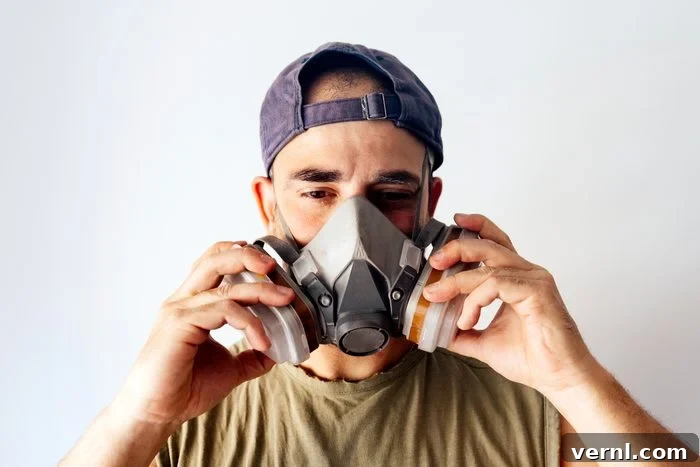
Understanding the distinction between different types of masks is paramount for effective protection. A common misconception is that all masks offer the same level of safety, which is far from the truth. For spray painting, especially with solvent-based products or in enclosed environments, you need more than just a dust mask; you need a respirator. A proper respirator acts as a personal air filtration system, designed to seal tightly around your nose and mouth, preventing harmful substances from being inhaled.
The most effective respirators for painting are those equipped with specialized cartridges designed to absorb specific airborne contaminants. For paint fumes, the gold standard is an organic vapor cartridge, often designated with an “OV” or “6001” classification (e.g., the 3M 6001 organic vapor cartridge). These cartridges contain activated charcoal that chemically filters out gaseous organic compounds, including the solvents found in paints, varnishes, and thinners. They are fundamentally different from particulate filters (like N95 or P100 masks) which are designed to block microscopic solid or liquid particles but offer virtually no protection against chemical vapors.
When selecting a respirator, consider a half-facepiece model that covers the nose and mouth, or for maximum protection, a full-facepiece respirator that also shields your eyes from irritating fumes and overspray. Proper fit is critical; perform a positive and negative pressure seal check every time you put on your respirator to ensure no air leaks. Cartridges also have a limited lifespan and must be replaced regularly, as their absorbent material eventually becomes saturated. Always follow the manufacturer’s recommendations for cartridge replacement, or replace them sooner if you start to smell paint fumes, as this indicates the cartridges are no longer effective. Investing in a quality respirator and maintaining it properly is your best line of defense against the invisible dangers of paint fumes.
Creating a Safe Environment: Is It Safe To Spray Paint Indoors?
While outdoor spray painting offers the benefit of natural ventilation, indoor projects are often unavoidable. The key to safely spray painting indoors lies in rigorous ventilation and careful management of flammability risks. Without these precautions, you risk not only your own health but also the health of anyone else in the building, and potentially creating a dangerous fire hazard.
The cornerstone of indoor spray painting safety is robust ventilation. This means actively removing contaminated air from your workspace and replacing it with fresh air. The simplest setup involves positioning an exhaust fan in a window, ensuring it blows air *outside*. To maximize effectiveness, create a cross-current by opening another window or door on the opposite side of the room. This positive airflow directs fumes out of the space. For more intensive projects, consider using multiple fans or specialized ventilation systems designed for chemical fumes. It’s also imperative to close HVAC registers in the room to prevent paint fumes from circulating through the building’s central heating and cooling system, potentially spreading toxic air throughout your home or workshop.
Beyond fume inhalation, the flammability of many paint products presents another significant indoor hazard. Many solvent-based paints have a low flash point, meaning their vapors can ignite easily. Always check the product label for flammability warnings. When using flammable paints, ventilation becomes even more critical to prevent the buildup of explosive gas concentrations. Eliminate all potential ignition sources from the workspace: pilot lights, open flames, sparks from electrical tools, operating motors, and even static electricity can trigger an explosion. Store aerosol cans and other flammable liquids away from heat sources and direct sunlight. Having a readily accessible fire extinguisher (rated for chemical fires) is a responsible precaution for any indoor spray painting project.
The Dedicated Workspace: What Is a Spray Booth?
For those who frequently engage in spray painting or require a consistently high-quality finish, a dedicated spray booth is an invaluable asset. A spray booth is essentially a controlled environment designed to contain overspray, facilitate proper ventilation, and minimize contaminants, thereby enhancing both safety and the quality of your work. These enclosed rooms come in various sizes, from professional automotive booths capable of accommodating vehicles to compact, closet-sized setups for woodworking or even portable benchtop models for hobbyists.
The core components of an effective spray booth include a powerful exhaust fan, often positioned to draw air through filters that capture paint particles before expelling the cleaned air outside. This active ventilation system prevents the dangerous buildup of both paint particles and toxic VOCs. Crucially, a spray booth also requires bright, explosion-proof lighting to ensure optimal visibility during application, which is vital for achieving a smooth, even finish. A well-sealed door isolates the booth from the rest of the workshop or facility, preventing fumes from escaping and dust from entering.
While professional booths are highly sophisticated, many enthusiasts create DIY versions. These setups often involve constructing a temporary enclosure with plastic sheeting, incorporating an inline fan, and utilizing furnace filters to trap overspray. Smaller-scale options, such as portable or benchtop spray booths, are popular for models, crafts, and small parts, providing a compact solution for fume extraction and overspray containment directly on a workbench. Regardless of its size or sophistication, the fundamental purpose of a spray booth remains consistent: to provide a safe, clean, and controlled environment for all your spray painting needs.
Comprehensive Tips for Safe Spray Painting: Your Essential Checklist
Adhering to best practices is paramount for anyone undertaking a spray painting project. By following these comprehensive safety tips, you can significantly mitigate risks and ensure a safer, more enjoyable experience while achieving excellent results.
- Prioritize Respiratory Protection: Always wear the appropriate respirator. For indoor projects or any solvent-based paints, a respirator with organic vapor cartridges is essential. Outdoors, an N95 or P100 particulate mask is the minimum for filtering paint particles. Remember to perform a seal check before each use and replace cartridges as recommended.
- Ensure Adequate Ventilation: Never spray paint in an unventilated area. If working outdoors, choose a calm day and position your project to allow breezes to carry fumes away. Indoors, set up an exhaust fan in a window, creating a cross-current with an open door or another window. Close HVAC registers to prevent fume circulation.
- Eliminate Ignition Sources: Many spray paints are highly flammable. Keep all open flames, pilot lights, electrical sparks, heating elements, and other potential ignition sources far away from your work area. This includes turning off water heaters or furnaces in the vicinity if they have open flames. Store aerosol cans and other flammable products away from direct heat and sunlight.
- Protect Your Skin and Eyes: Wear long sleeves, long pants, and chemical-resistant gloves to prevent paint from contacting your skin. Paint can cause irritation or be absorbed through the skin. Safety glasses or goggles are also crucial to protect your eyes from overspray and chemical splashes. A full-face respirator provides integrated eye protection.
- Inspect Equipment Before Use: Before starting any project, check aerosol cans for damage or leaks. Damaged cans can release toxic fumes or spray erratically. For airless sprayers or HVLP guns, ensure all connections are secure, hoses are free of kinks, and nozzles are clear.
- Handle Airless Sprayers with Extreme Caution: Airless paint sprayers operate under extremely high pressure. Never point an airless sprayer at yourself or anyone else. The pressure is sufficient to inject paint directly through the skin, causing severe injury that requires immediate medical attention. Always engage the trigger lock when not actively spraying and release pressure before cleaning or performing maintenance.
- Understand Your Materials (SDS): Read the Safety Data Sheet (SDS) for every paint product you use. SDS documents provide critical information about chemical composition, health hazards, flammability, proper handling, first aid measures, and safe disposal.
- Work in a Clean Area: A clean workspace minimizes dust and debris that can contaminate your paint finish and pose tripping hazards. Clear the area of unnecessary items that could accumulate fumes or catch fire.
- Proper Waste Disposal: Never dispose of leftover paint or solvent down drains. Consult your local waste management guidelines for proper disposal of hazardous waste. Partially used aerosol cans may require specific handling.
- Take Frequent Breaks: Even with proper ventilation and a respirator, taking breaks in fresh air is advisable to minimize cumulative exposure and prevent fatigue.
By integrating these safety measures into your spray painting routine, you not only protect yourself and others but also ensure that your creative endeavors are both safe and successful, allowing you to enjoy the transformative power of paint without compromise.