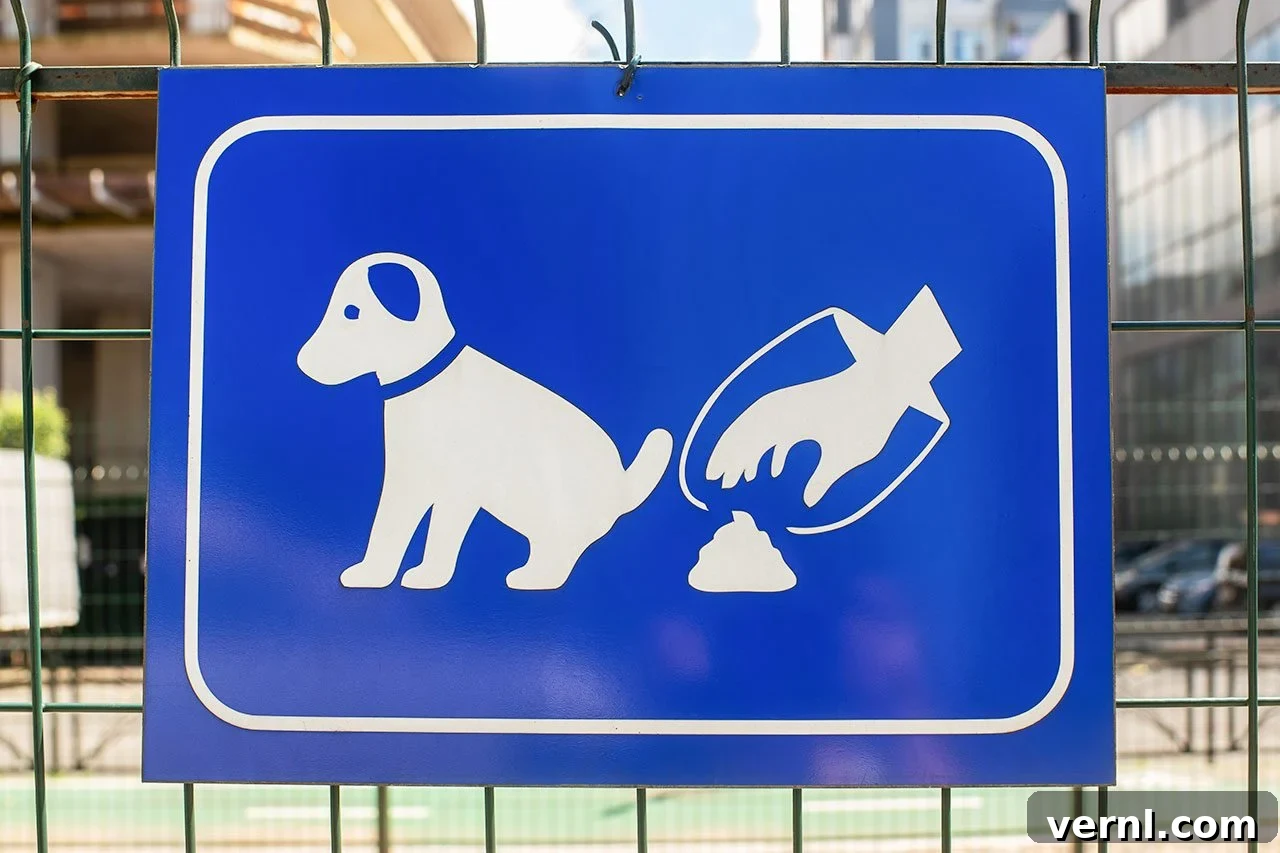
Pet poop laws vary widely across the United States and can differ not only by state but by city, county, and even individual communities. Many owners are surprised to learn that rules can extend beyond simply picking up after a pet. Local regulations often specify where waste must not be left—parks, sidewalks, shared courtyards, a neighbor’s yard, and other common areas—and outline fines or other penalties for noncompliance.
Knowing the local rules helps pet owners avoid fines or other consequences, keeps public spaces sanitary, and maintains good relationships with neighbors and community organizations. Below is an overview of how these rules work, where they typically apply, and how to properly manage pet waste.
Local Pet Poop Laws
Pet waste requirements are set locally—by cities, counties, municipalities, and in some cases by neighborhood or homeowners associations. These local ordinances commonly require owners to clean up after their pets when on public property or the property of others. Enforcement can range from verbal warnings to monetary fines, depending on the jurisdiction and the circumstances.
Some communities also require that owners carry waste bags or another means of cleanup when walking their pets. These rules are meant to make it easier for enforcement and to reduce instances where pet owners claim they were unprepared to remove waste.
Park And Recreation Area Rules
Public parks and recreation facilities often have their own rules in addition to municipal ordinances. Park regulations may require immediate removal of pet waste, and violations can lead to fines or removal from the facility. Many parks display signage about pet cleanup and provide designated disposal bins or sanitation bags to encourage compliance.
HOA And Community Regulations
Homeowners associations (HOAs) and similar community organizations frequently adopt rules to supplement local laws. These regulations often cover shared lawns, walking paths, playgrounds, and other common areas within the community. HOAs may impose fines or other penalties under their governing documents for repeated violations to protect shared property and preserve neighborhood standards.
Where Pet Poop Laws Apply
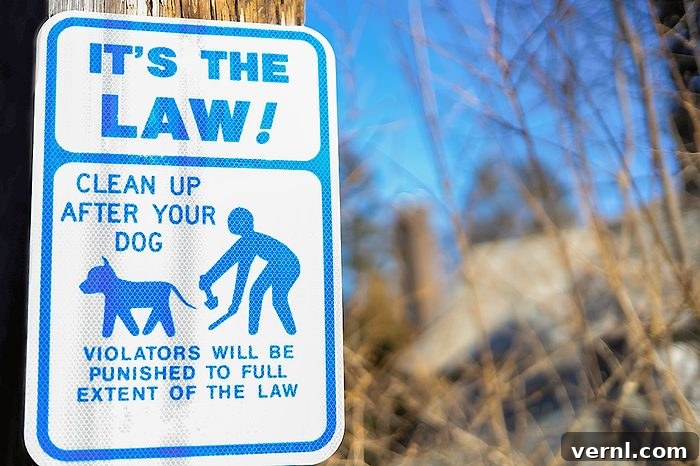
Generally, pet waste laws apply to public spaces and to private property owned by someone other than the pet owner. Typical shared spaces covered by ordinances include sidewalks, streets, parks, trails, playgrounds, community gardens, and other areas maintained by governmental bodies or community associations.
On private property, leaving waste on a neighbor’s lawn, on commercial property, or in shared residential complexes (apartments, condominiums) can violate lease agreements, association rules, or local codes. Owners should be aware of specific requirements for trash and waste disposal in multiunit housing, as those rules can be stricter than municipal ordinances.
What Are The Punishments For Not Picking Up Your Pet’s Poop?
Penalties for failing to remove pet waste vary widely. Most commonly, violations result in fines whose amounts depend on location, whether it is a first offense, the number of offenses, and where the incident occurred. In some cases, repeated violations can lead to escalated fines or further action from local authorities or homeowners associations.
Enforcement often depends on if the incident is observed by law enforcement, park staff, or reported by neighbors or property managers. Documentation such as photos or written complaints can influence whether authorities pursue enforcement in repeated or ongoing situations.
The Right Way To Dispose Of Pet Waste At Home
The simplest, most reliable method of disposing of pet waste is to bag it securely and put it in your household trash bin. Unless your local government specifies an alternate approved disposal method, bagging waste and placing it in the garbage is safe and sanitary.
Leaving pet waste in your yard for long periods is not advisable. Beyond producing unpleasant odors, accumulated waste can create health and sanitation issues and may lead to complaints from neighbors or local authorities. Regular removal and proper disposal help protect your property, your neighbors, and local water quality.
FAQ
What Do You Do If Your Neighbor Isn’t Picking Up Their Pet’s Poop?
Start with a polite, direct conversation. Often neighbors respond positively when the problem is raised respectfully. If the behavior continues, document incidents with dates, times, and photos, and then report the issue to the appropriate authority: your homeowners association, property manager, animal control, or city code enforcement. Documentation can help demonstrate a pattern of violations if authorities investigate.
Can You Put Pet Poop In Someone Else’s Trash Bin?
Using another person’s private trash bin without permission can be considered improper use of private property and may lead to disputes or complaints. When possible, dispose of bagged pet waste in your own trash or public receptacles designated for pet waste.
Sources
Interviewed Source
Seann Malloy, Founder and Managing Partner, Malloy Law Offices
Other Primary Sources
American Veterinary Medical Association — Pet Ownership Resources
US Environmental Protection Agency — Pet Waste Management guidance
US Centers for Disease Control and Prevention — Healthy Pets, Healthy People
RELATED:
- How To Get Rid of Pet Hair in Your Home
- 5 Tips for Getting Dog Smell Out of Your House
- How To Clean a Dog Bed