If you’ve ever felt your phone vibrate only to find an unwanted spam call or a suspicious text, you’re far from alone. Spam calls and texts have grown more frequent and sophisticated, prompting many people to ignore calls from unknown numbers. Fortunately, you don’t need to change your primary phone number or give up important communications to reduce unwanted contact. A virtual phone number can offer an effective, privacy-minded way to filter spam while preserving your main line for essential use.
What Is a Virtual Phone Number?
A virtual phone number is a secondary number provided through an app or online service rather than through a traditional mobile carrier tied to a physical SIM card. These numbers can typically make and receive calls, send and receive text messages, accept verification codes, and handle voicemails. They are especially useful when you want to separate different aspects of your life or protect your main number from exposure.
Common uses for virtual phone numbers include:
- Business communications and customer service
- Listings on online marketplaces
- Travel and temporary local presence
- Sharing a contact number for signups, contests, or one-off transactions
Because virtual numbers are not tied to a physical line, they are flexible. Many providers offer apps and web portals that let you manage multiple virtual numbers from one account, making it simple to organize calls and messages by purpose.
How a Virtual Phone Number Reduces Spam
Using a virtual phone number for signups, online purchases, and other interactions creates a barrier between your primary number and potential sources of spam. When businesses, loyalty programs, or marketplaces request a contact number, you can provide your virtual number instead of your main line. This reduces the chance your primary number will be added to marketing lists or targeted by robocallers and scammers.
It’s important to remember that any number—virtual or traditional—can end up on spam lists if it’s shared widely. Scammers also use number spoofing to make calls appear to come from legitimate sources, a risk the Federal Communications Commission has warned about. The real advantage of a virtual number is manageability: if it starts receiving spam, you can mute, filter, block, or discard it and obtain a new virtual number without disrupting your primary contacts.
Practical Tips for Using a Virtual Number
Set up a virtual number through a reputable provider and use it as a first line of contact for nonessential services. Here are practical ways to integrate it into your digital routine:
- Use a virtual number for online shopping, newsletter signups, and trial accounts.
- Assign different virtual numbers to different activities (e.g., one for marketplaces, another for promotions) so you can trace the source of spam more easily.
- Keep your primary number reserved for banks, healthcare providers, government agencies, employers, and close family who need immediate contact.
- If a virtual number becomes flooded with spam, replace it or disable it without affecting your main line.
Some virtual phone services offer advanced tools such as call screening, spam filtering, voicemail controls, and caller blocking. Combine these features with the native protections on your mobile device for stronger defense against unwanted calls and messages.
Additional Protections and Best Practices
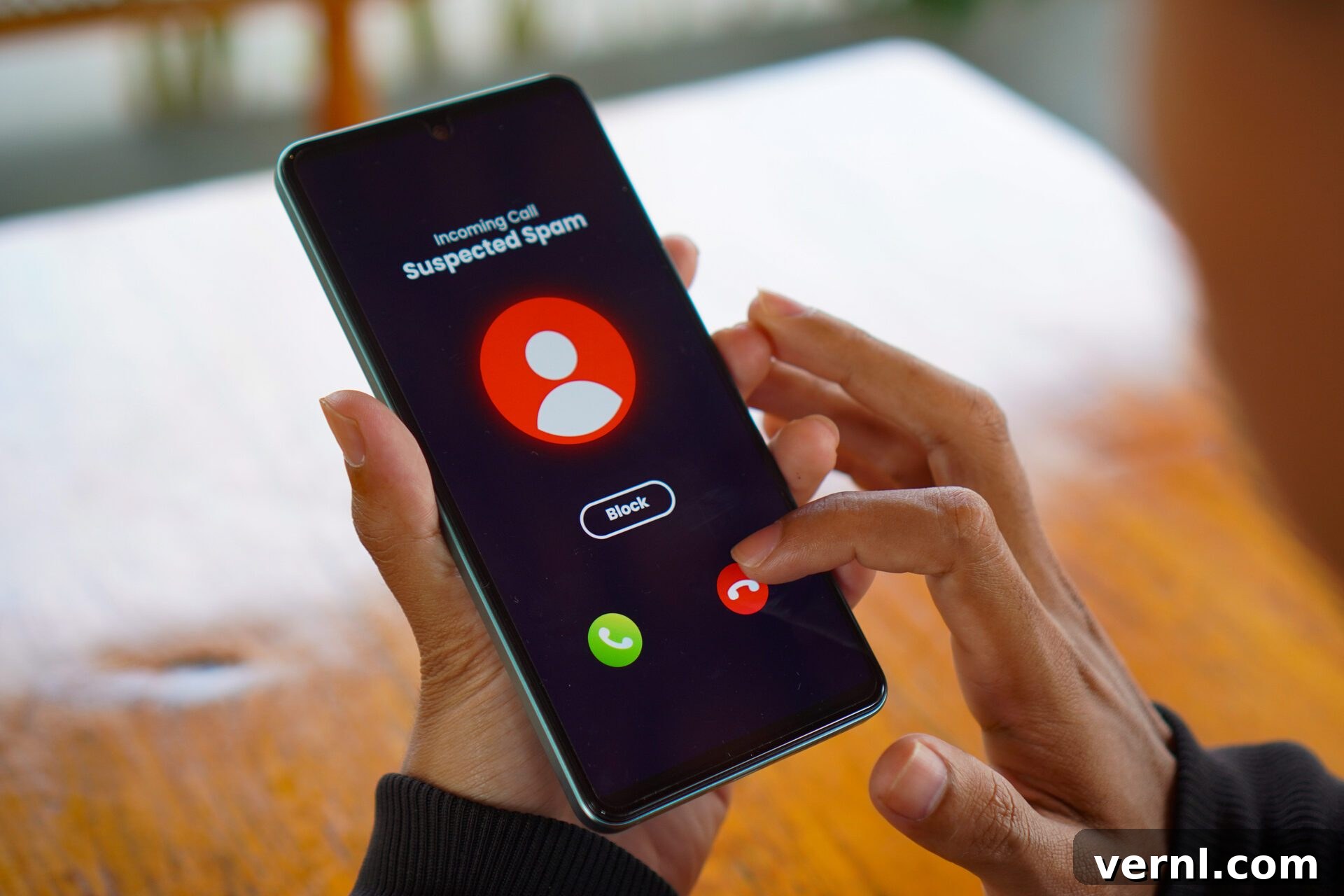
While a virtual number can significantly reduce nuisance calls and texts, it should complement—not replace—your primary phone number. Emergency contacts, financial institutions, and essential services should always have your main line. Virtual numbers are a convenient layer of privacy and control, but they can be less reliable for urgent notifications, especially if you change them frequently.
Follow these additional best practices to limit spam:
- Block suspicious callers and report scam attempts to the authorities and carriers when appropriate.
- Avoid responding to unknown texts or calls, as engagement can confirm your number as active.
- Enable carrier and device-level spam protection and make use of call-screening features offered by virtual number providers.
- Review account privacy settings and minimize sharing your primary number on public or untrusted forms.
Sources
- Information and guidance published by consumer protection authorities on phone scams and robocalls
- Recommendations from communications regulators on blocking and reporting unwanted calls and texts
- Consumer-focused guidance on steps to stop unwanted calls and protect personal contact information