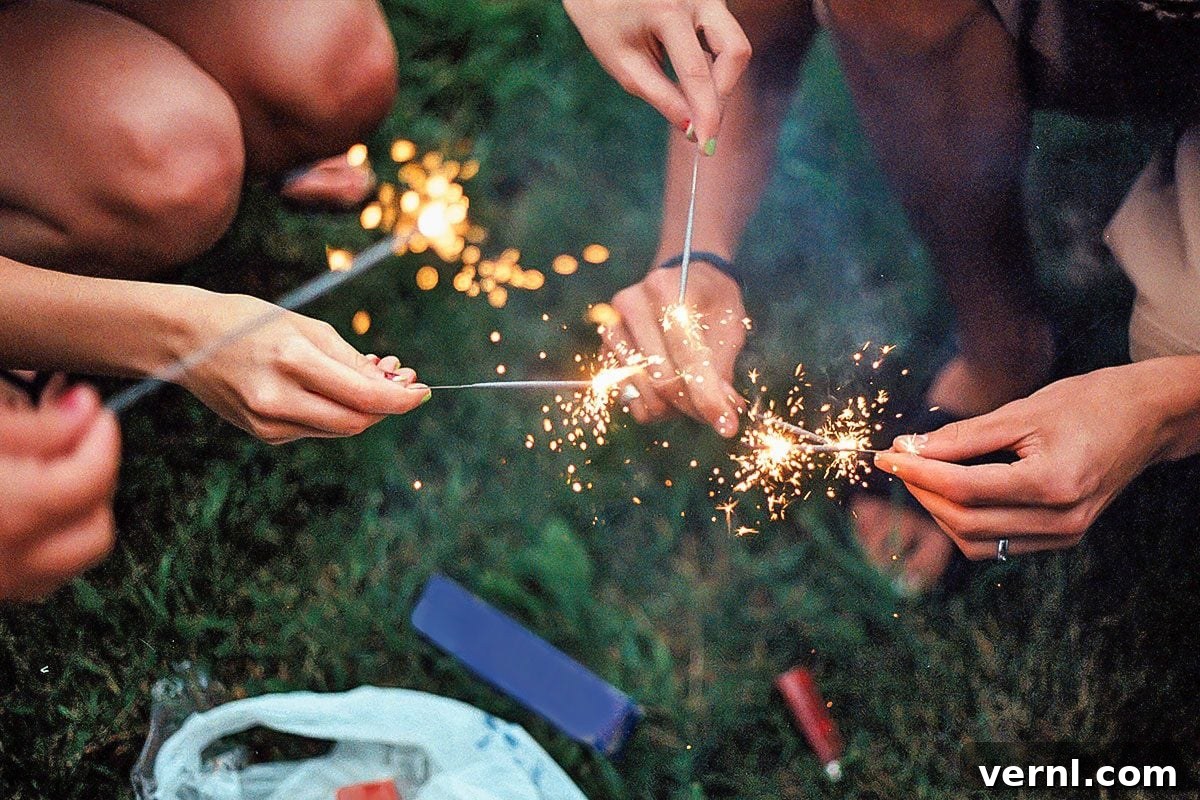
In my neighborhood, firework safety is a top concern this summer, especially with smoke from western wildfires filling the skies. Even if you don’t live in a high fire-risk area, fireworks still present serious dangers, from house fires to severe injuries. In recent years, thousands of people have required emergency care around the Fourth of July because of fireworks-related incidents.
“Most fireworks injuries are burns to the hands and face,” says attorney Parham Nikfarjam. “The worst I’ve seen were to the eyes and the fingers. You don’t get those back.”
If you’re planning to enjoy fireworks this Independence Day, here are practical safety tips gathered from emergency responders, animal behaviorists, fire-risk specialists and legal experts to help protect your family, neighbors and property.
Are fireworks more dangerous in the heat?
Yes. Hot, dry weather makes landscapes and structures far more combustible. Sparks from fireworks can ignite dry grass, mulch, decks and roofs quickly. In the western U.S., heat, drought and low humidity often combine to produce ideal wildfire conditions, so extra caution is essential.
Firework injuries also rise during summer holidays. “Everything becomes more dangerous,” Nikfarjam says. “Dry grass, bare feet, heat that makes you drink a few too many beers, then a firework held too long or pointed the wrong way. That’s how fireworks injuries happen.”
Leave it to the Pros
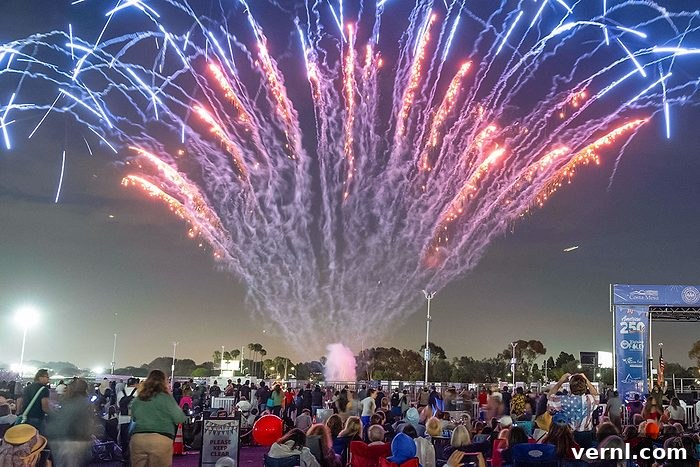
Every expert we consulted strongly recommends skipping consumer fireworks and attending an official public display instead. Professional shows are permitted, insured and conducted with trained crews and safety protocols in place.
“The best night of the summer and the worst night of someone’s life can happen in the same backyard,” says Nikfarjam. “That’s why the safest bet is the public fireworks show.”
Respect Your Neighbors
Beyond fire risk, at-home fireworks can deeply disturb neighbors. Loud detonations cause stress for pets, infants and people with post-traumatic stress disorder (PTSD). Wildlife also suffers: birds may abandon nests, become disoriented or collide with structures. Smoke from pyrotechnics is harmful to people and animals, especially those with respiratory conditions.
If you do light fireworks at home, notify neighbors ahead of time so they can prepare and take precautions for people and animals that may be affected.
Use Common Sense
First, check local laws: many communities restrict or ban certain consumer fireworks. Never use fireworks while impaired by alcohol, drugs or medications that affect judgment. Avoid lighting fireworks during dry, hot or windy conditions.
“Fireworks are safest when they’re planned, not treated as a last-minute activity,” says Thomas Oldham, a construction and safety commentator.
Never Let Kids Light Fireworks
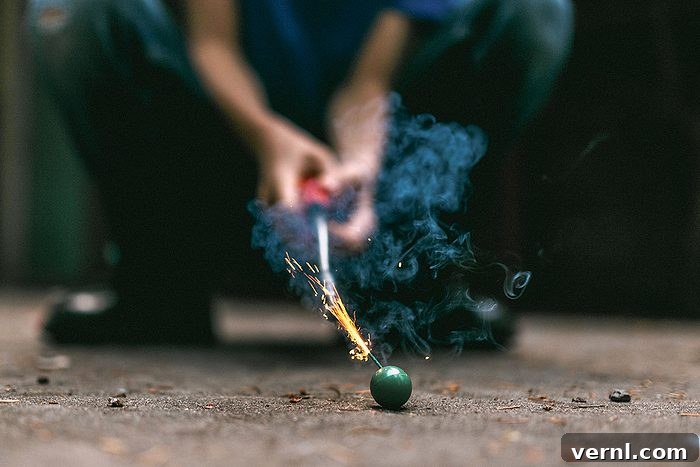
Never allow children to light fireworks, including sparklers. Sparklers may look harmless but burn at temperatures approaching 2,000 degrees and can cause severe burns. Glow sticks or other non-ignited light toys are safer alternatives for young children.
Prep and Wet Your Home
Fireworks cause many structure and vehicle fires each year. Falling debris can travel far from the launch site, and roofs are especially vulnerable. Before any fireworks activity, remove dry leaves and debris from gutters and valleys, and clear flammable materials from within at least five feet of your home. For extra safety, wet down the roof, deck, yard and the immediate area around the launch zone.
Plan a Landing Zone
Choose a large, open launch area well away from landscaping, dry grass, buildings, vehicles, patio furniture and other combustible or meltable items. Consumer fireworks sometimes travel farther or higher than listed on the packaging, so err on the side of extra distance.
“People estimate what they think is a safe distance, but they often get it wrong,” says hazard and injury prevention expert Steven Menotti. “This gap between expectation and reality causes property damage and injuries.”
Keep Water on Hand
Always have a water source ready: a garden hose, buckets of water and a fire extinguisher should be within reach before lighting anything. Quick response matters; reaction time after an ignition mishap needs to be measured in seconds, not minutes.
Prepare Your Pets
Many dogs and other pets are frightened by fireworks and may bolt. Keep pets indoors with windows closed and provide a quiet, comfortable space. If you must leave them outside, ensure leashes, ID tags and microchip information are current.
Animal behavior expert Dr. Annie Valuska recommends preparing a safe space with calming tools like vests, enrichment toys and background noise to muffle booms. Synthetic pheromone sprays designed for dogs and cats can help calm some animals.
Light Fireworks With Caution
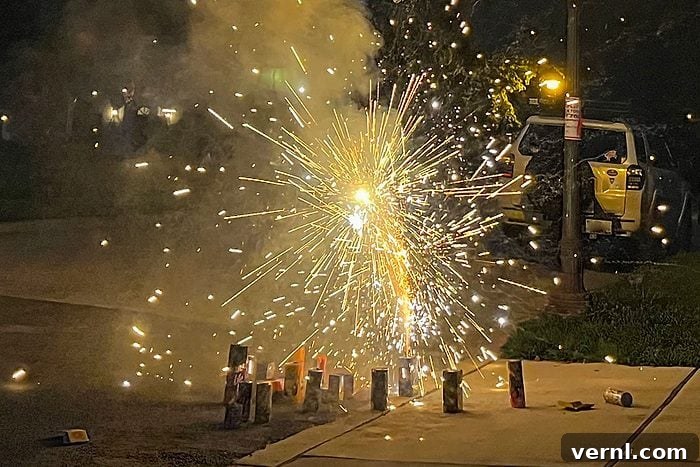
When lighting fireworks, wear eye protection, keep bystanders at a safe distance and respect unpredictable fuses. Many injuries occur because the handler was too close or held the firework too long after ignition.
Never:
- Keep fireworks in your pocket
- Point or throw fireworks at another person
- Hold fireworks in your hand while they ignite
- Light more than one firework at a time
- Try to relight a dud—wait at least 20 minutes, then soak it in water for several hours before disposing of it
Promptly Clean Up the Scene
After the display, inspect the area with a flashlight to ensure nothing is smoldering on roofs, landscaping or outdoor structures. Collect and properly dispose of all debris, which can be hazardous to children, pets and wildlife.
“Small precautions make a huge difference in protecting people, property and the community,” Oldham says.
About the Experts
- Steven Menotti — Hazard, injury prevention and fire risk expert, CEO of Menotti Enterprise, a certified construction safety firm.
- Parham Nikfarjam — Senior trial attorney specializing in fireworks injuries.
- Daniel Shoffner — Emergency medical services veteran and Battalion Chief of EMS.
- Dr. Annie Valuska — Animal behavior scientist and certified applied animal behaviorist focused on animal-human relationships.
- Thomas Oldham — Construction safety commentator who works with builders and fire safety professionals.
- AmeriPro EMS — Emergency medical crews that commonly respond to preventable fireworks injuries around the Fourth of July.