

To celebrate Family Handyman’s 75th anniversary, we visited our guest editor’s California woodshop to talk about how he found his way into fine woodworking—and what has kept him passionate about it. Who better to mark the occasion than someone who has spent decades refining his craft and is now passing that knowledge on to the next generation with his latest book, Little Woodchucks?
Offerman discusses the projects, makers and and shop philosophies that have shaped his work, from framing houses and building canoes to assembling a team of collaborators who push him to improve. Like any dedicated DIYer, he still has a long list of builds and skills he wants to tackle. For woodchucks and handymen alike, the learning never stops. Here’s to 75 years!
Early in your career, you built scenery for theater productions. How did that come about?
I attended the conservatory at the University of Illinois to study acting. While waiting for my moment on stage, I found I could earn a living using carpentry skills in the school’s scene shop. Discovering that well-equipped shop—complete with milling machinery, dust collection and an exceptional woodworker named Ken Egan—was revelatory. It felt like a superhero origin: with the right tools and instruction, I could build almost anything from wood.
Before that I’d helped build homes and barns with family and spent a summer framing houses as a teenager. But seeing a professional shop changed my outlook. From that point on I knew building could be a central part of my life and career, even as I pursued acting.
Do any carpentry or woodworking principles carry over to acting?
Absolutely. The fundamentals of practice, discipline and attention to detail apply to any craft. You need to keep your tools—whether chisels, accents, or physical skills—sharp through repetition. Over time I’ve also learned to accept that mistakes are inevitable and often instructive. Risking failure keeps you engaged and improves your work, whether you’re crafting a ukulele or performing a difficult scene.
Approach projects and performances with the goal of gradual improvement rather than perfection. That mindset serves you at the table saw and on the stage. As Wendell Berry put it, “The mind that is not baffled is not employed.” Embrace challenges—they make the work sing.
In a funny scene from Parks and Recreation, your character, Ron Swanson, brushes off a home center employee with a matter-of-fact “I know more than you.” Who are some real-life figures you’ve looked to for mentorship?
Real communities and small-business experts have shaped me far more than impersonal big-box stores or search engines. My dad was the primary source of tool and shop knowledge, and several uncles, grandparents and neighbors also taught me practical skills. Mel Phillips, who ran our small-town True Value Hardware in Minooka, Illinois, offered hands-on advice with every purchase. Mom-and-pop hardware stores used to know the application and pitfalls of the products on their shelves, and that guidance was invaluable.
I also rely on a circle of skilled collaborators. I’ve had several shopmates trained in the traditions of schools like The Krenov School in Mendocino County—some of the most gifted handcraft woodworkers I know. I intentionally surround myself with talented people so we can share ideas and refine our approaches.
What are your earliest memories of building something with your hands? How did your passion for woodworking really take root?
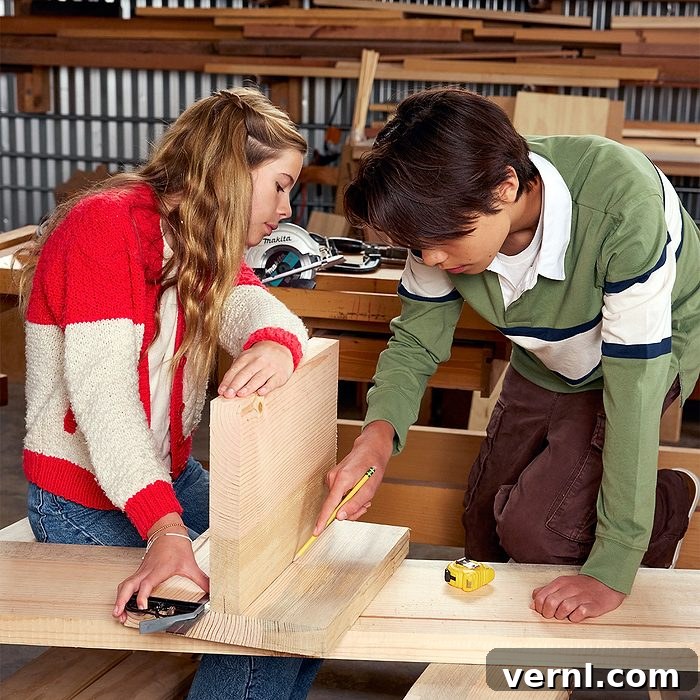
I didn’t get into fine woodworking until my late 20s, but I worked with my hands from a young age. I helped my dad build a small barn, shingled houses for family and neighbors, and built a crude treehouse with a friend. That treehouse was far from beautiful, but it kept us dry and taught me that functional work can be deeply satisfying even when it’s rough around the edges.
Those early carpentry jobs helped me earn money in theater school by building scenery, and a decade of running a small shop in Chicago gave me extensive practical experience. By the time I tried fine joinery, I already had solid shop habits and confidence with tools—so furniture, boats and musical instruments became natural next steps.
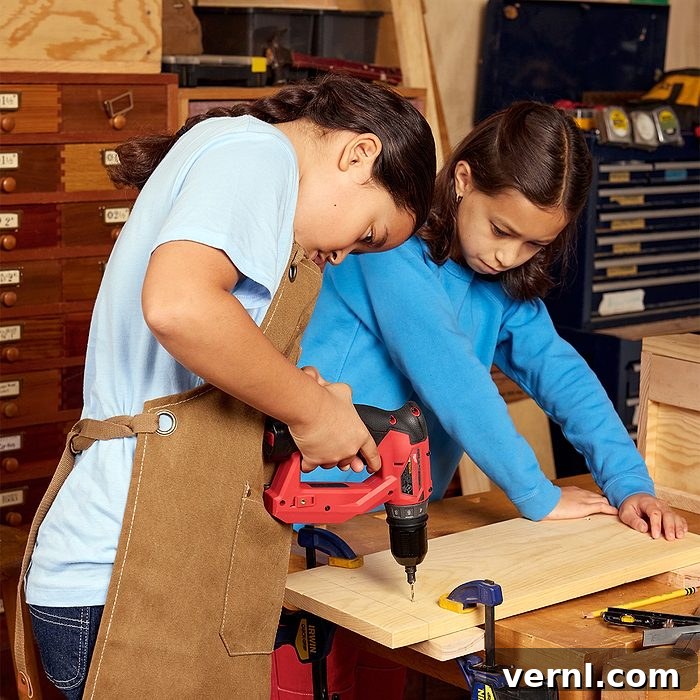
Your latest book, Little Woodchucks, features 12 family-friendly projects for young DIYers. Is there one that you’re especially proud of?
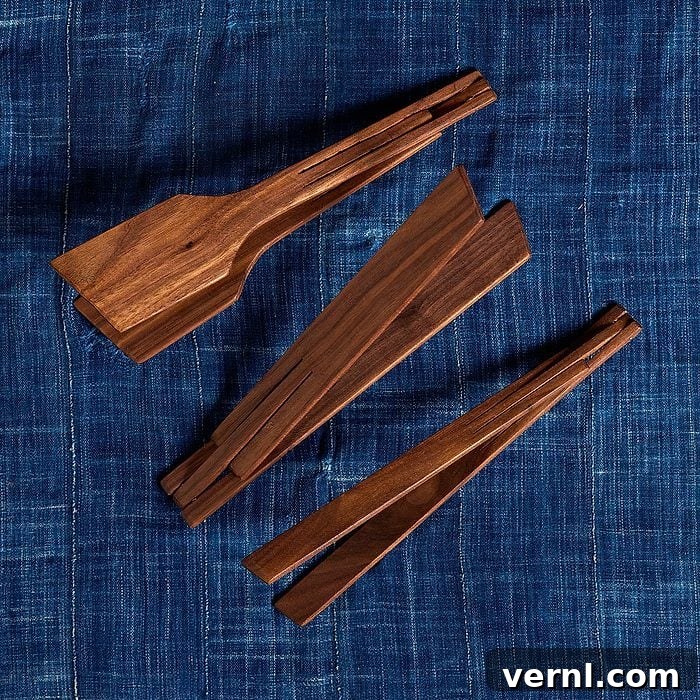
I’m proud of the whole book, but the kitchen tongs stand out. There are two styles: Toast Tongs, which are simple and ideal for handling hot pastries, and Cowboy Tongs, sturdier and great for grilling. Both are forgiving designs and excellent for teaching kids basic woodworking and tool use.
These projects invite personal expression—small carving details or variations in the pattern let young makers put their stamp on the work. In a digital age, working with traditional tools helps kids develop creativity, practical problem-solving and a connection to the natural materials that underpin our modern lives. Hands-on skills will remain essential for building sustainable homes, maintaining tools and machinery, and passing knowledge to future generations.
Can you share a moment when you felt you had finally mastered a skill? Is “mastery” something every DIYer should strive for?
Mastery is relative. I remember practicing hand-cut dovetails and using techniques from a mentor to hide mistakes. After some imperfect attempts, I made a blanket chest for my sister with dozens of dovetails and no visible flaws. That project taught me that much of mastery is learning to make beautiful work despite human error.
I think pursuing improvement is important, but absolute perfection isn’t necessary. Visible, human imperfections can add charm. Worrying less about being flawless has made my work more enjoyable and less stressful.
What’s a technique you are still working to master?
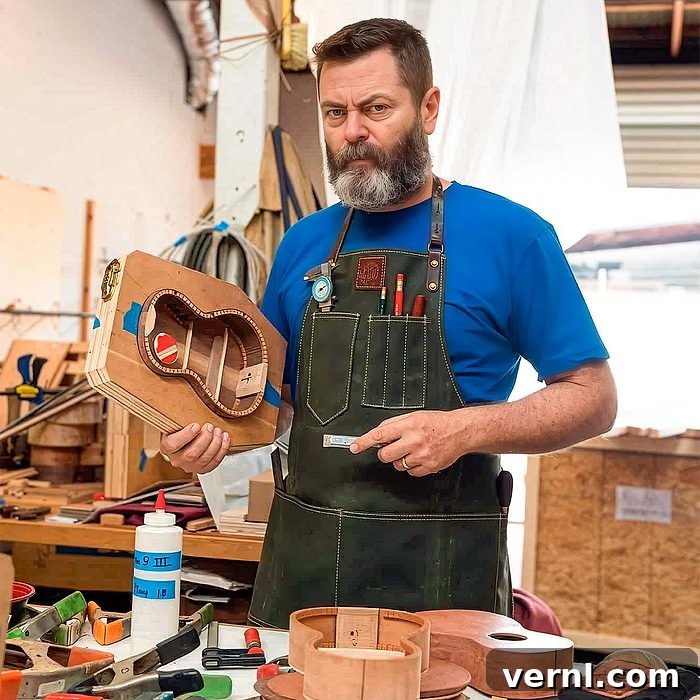
I’m focused on stringed instruments. My ukuleles sound like ukuleles, but I’m still learning fret installation and hardware fitting. My goal is to build an acoustic guitar that holds its tone and is rewarding to play—good enough to be genuinely enjoyable, even if it won’t replace top-tier boutique instruments.
Are there any memorable shop mishaps that still stick with you?
Safety is essential. The closest I came to serious injury was a late-night attempt to catch a falling, spinning router—I lost part of a fingertip. After that I stopped working to the point of exhaustion. Respect your tools by keeping blades sharp and your workspace clean and organized. Your health and safety are worth far more than any project or deadline.