
Biking is excellent exercise, an environmentally friendly way to travel, an affordable transportation option, and a fun recreational activity. Despite these benefits, safety concerns often keep people off bikes. Streets can change block by block: one block may offer a protected lane or a calm side street, while the next places cyclists beside fast-moving traffic with little separation or protection.
Two independent analyses provide useful, complementary perspectives on cycling conditions in U.S. cities. PeopleForBikes evaluates the quality of a city’s bike network and how well it connects people to everyday destinations. ConsumerAffairs examines cyclist fatalities to highlight where riding carries greater risk. Together, these studies help show which large U.S. cities are most bikeable and which present higher danger for cyclists.
Highest-Rated Large U.S. Cities for Biking

According to the 2026 PeopleForBikes City Ratings, the five highest-rated large U.S. cities for biking are:
- Brooklyn, New York
- Minneapolis, Minnesota
- Seattle, Washington
- Queens, New York
- San Francisco, California
Higher-rated communities typically offer low-stress, connected infrastructure such as protected bike lanes, off-street multiuse paths, and quieter residential streets that make it easier and safer to reach work, school, shops, parks, and other daily destinations. PeopleForBikes evaluates each area on how well a bike network connects people to those everyday needs. New York City’s boroughs are scored separately in the ratings, which is why Brooklyn and Queens appear on the list individually—their biking environments vary substantially.
These high-ranking places tend to emphasize continuity and separation from fast vehicle traffic. That continuity reduces the number of stressful intersections and gaps riders must navigate, making cycling more practical for a broader range of people, not just confident or experienced cyclists.
Cities With the Highest Cyclist Fatality Risk
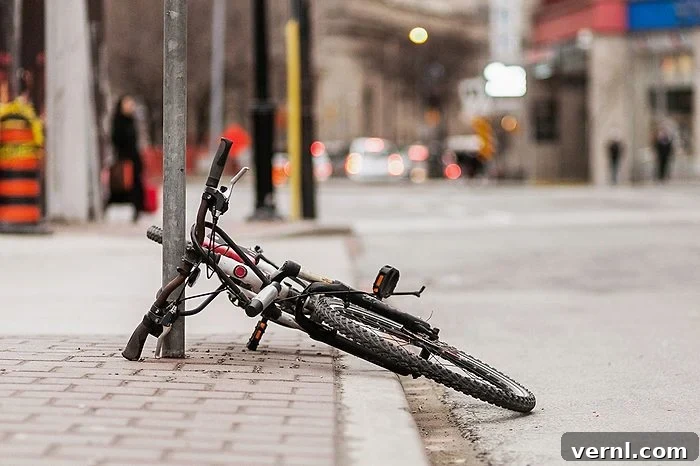
ConsumerAffairs identified these five large metro areas as having the highest cyclist fatality risk in a recent analysis:
- Stockton, California
- New Orleans, Louisiana
- Tampa, Florida
- Sacramento, California
- Tucson, Arizona
Their analysis points to several common contributors to higher fatality rates: limited or inconsistent bike infrastructure, road designs that prioritize vehicular speed over vulnerable road users, and aggressive or reckless driving behavior. The study also noted geographic patterns—several of the highest-risk cities are in California and the Sun Belt—while some cities reported no cyclist fatalities in the same year. These findings highlight how design choices, traffic enforcement, and local driving culture combine to shape how safe it feels to ride a bike.
What the Rankings Actually Measure
It’s important to understand that PeopleForBikes and ConsumerAffairs measure different aspects of cycling conditions, so their rankings are not direct opposites. PeopleForBikes’ Bicycle Network Analysis focuses on how well low-stress, connected routes link people to destinations across a city. It looks at infrastructure continuity, protected facilities, and the overall ability of the network to support everyday trips by bike.
ConsumerAffairs uses federal fatal-crash data to calculate cyclist fatality rates among the 100 largest metropolitan areas, highlighting locations where riders face the greatest risk of fatal collisions. A city can have a relatively strong bike network and still experience serious crashes if other risk factors—like high traffic speeds, poor intersection design, or risky driving behavior—are present. Conversely, a city with fewer reported cyclist deaths might still have significant gaps in its bike infrastructure that limit everyday cycling.
Street design, network connectivity, traffic volume and speed, and roadway culture all affect what a rider encounters on a trip. For cyclists and drivers alike, adopting defensive habits—staying alert, anticipating potential conflicts, and reducing speed—can lower the chance of crashes. Safety improvements that combine better infrastructure, thoughtful design, and consistent enforcement make streets safer for everyone and encourage more people to choose biking for mobility and recreation.
Sources
- PeopleForBikes, 2026’s Best Places to Bike (PeopleForBikes City Ratings)
- PeopleForBikes, 2026 City Ratings Methodology Updates
- ConsumerAffairs, Most Dangerous Cities for Pedestrians and Cyclists 2026
- National Highway Traffic Safety Administration, Fatality Analysis Reporting System (FARS)
- National Highway Traffic Safety Administration, Bicycle Safety guidance