
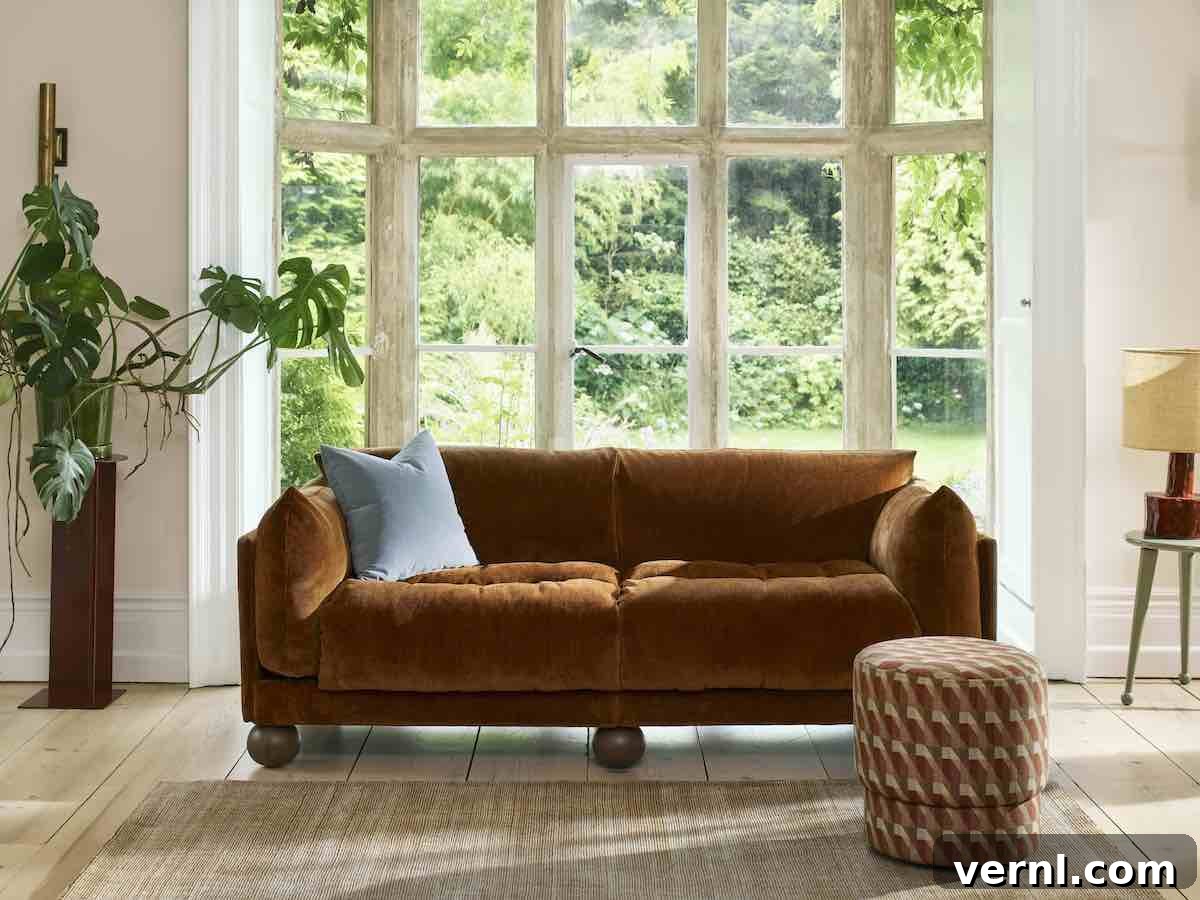
In a world that constantly demands our attention, one of the boldest design choices is to leave intentional space. Negative space—thoughtful emptiness—can make rooms feel larger, more elegant, and genuinely more peaceful. Learning how to use it transforms a busy interior into a calm, purposeful home.
This guide explains what negative space is, why it matters, and how to apply it room by room. You’ll find practical tips to create balance, emphasize focal pieces, and design interiors that support wellbeing.
What is Negative Space in Interior Design
Negative space is the area around and between objects in a room. It’s not simply empty space; it’s deliberate breathing room that allows other elements to stand out. Think of it like the pause between musical notes—without it, everything blends into noise.
As in art and photography, negative space gives the eye somewhere to rest. It reduces visual clutter, highlights your best pieces, and creates a sense of balance and harmony throughout the home.
Why Negative Space Matters
Negative space serves practical and psychological functions beyond aesthetics. It prevents rooms from feeling chaotic, guiding movement and improving circulation. Well-considered space makes furniture and decor into true focal points rather than competing elements.
In addition to improving flow, negative space can make rooms appear larger and more luxurious, regardless of square footage. The calm, uncluttered environment it creates supports focus, lowers stress, and contributes to a sense of wellbeing.
How to Work with Negative Space
1. Start with subtraction
Remove a few items from the room—a chair, a rug, or extra decor—and observe the impact. Often the remaining objects read clearer and feel more intentional.
2. Let furniture breathe
Allow key pieces room on all sides. Spacing defines presence and keeps the layout open and inviting.
3. Embrace blank walls
Not every surface needs decoration. A bare wall can frame a space, provide contrast, and create calm.
4. Use contrast to amplify focal points
Negative space elevates singular items. A sculptural chair in a quiet corner or a single pendant over an empty table becomes a strong visual statement.
5. Prioritize function
Design with purpose. A reading nook needs light, comfort, and quiet—extra decor gets in the way. Let the function guide how much space you leave around items.
Creating Negative Space Room by Room
Living Room
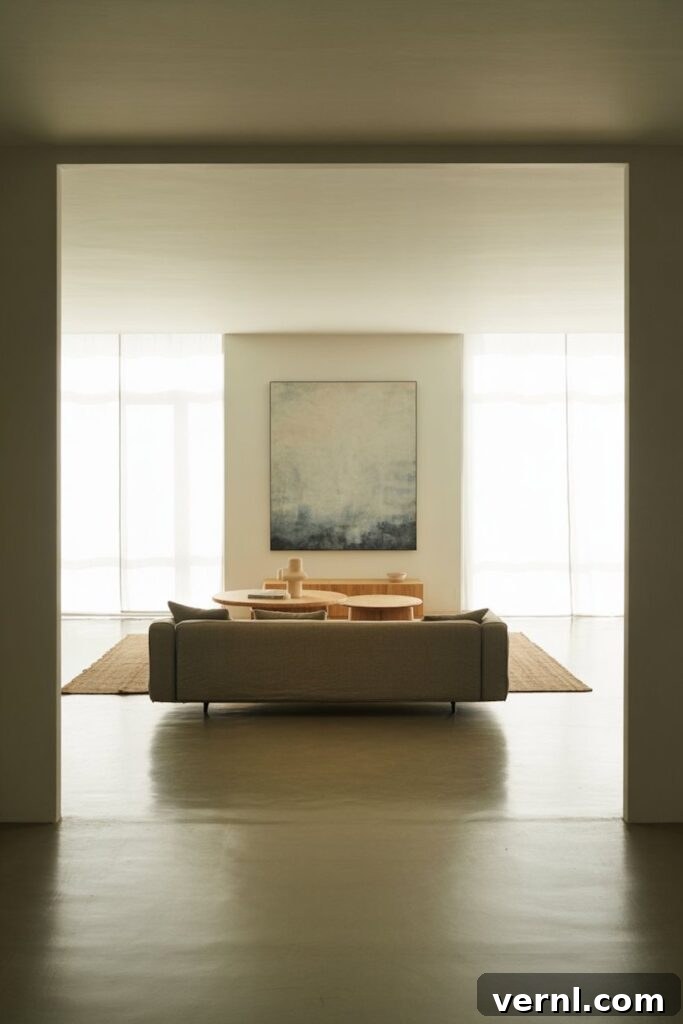
Float seating away from walls to create breathing room. Keep at least 18 inches between the sofa and coffee table and avoid filling every corner. Choose one strong artwork on a main wall instead of a crowded gallery; the empty space around it will heighten its impact.
Bedroom
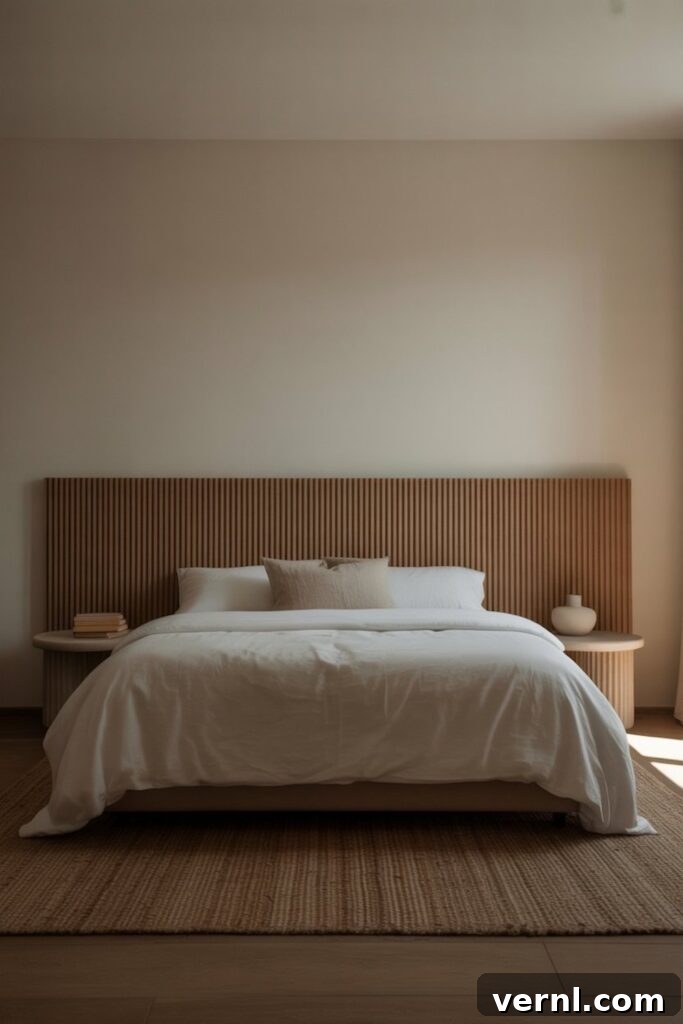
Keep bedside tables minimal—one or two meaningful items each. Leave room around the bed on at least three sides and avoid covering every wall with art. A single dramatic headboard against a clear wall creates more visual weight than multiple decorative pieces.
Kitchen and Dining Room
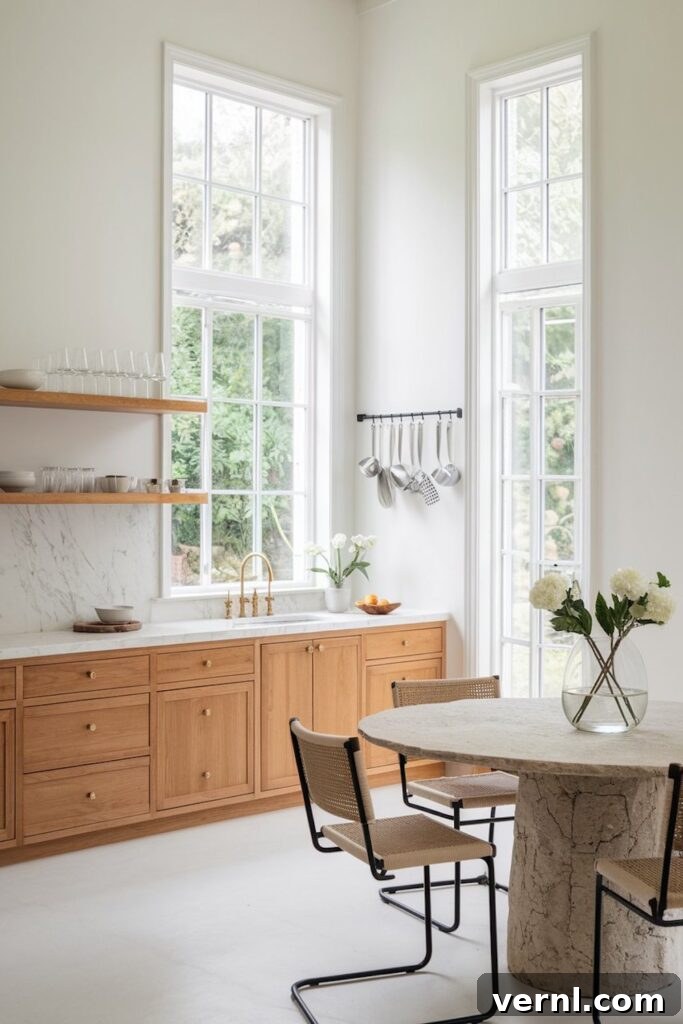
Keep countertops clear by storing appliances out of sight. Ensure at least 36 inches of space around dining tables for easy movement. One strong pendant or chandelier often reads better than multiple small fixtures, letting negative space accentuate the table as the centerpiece.
Bathroom
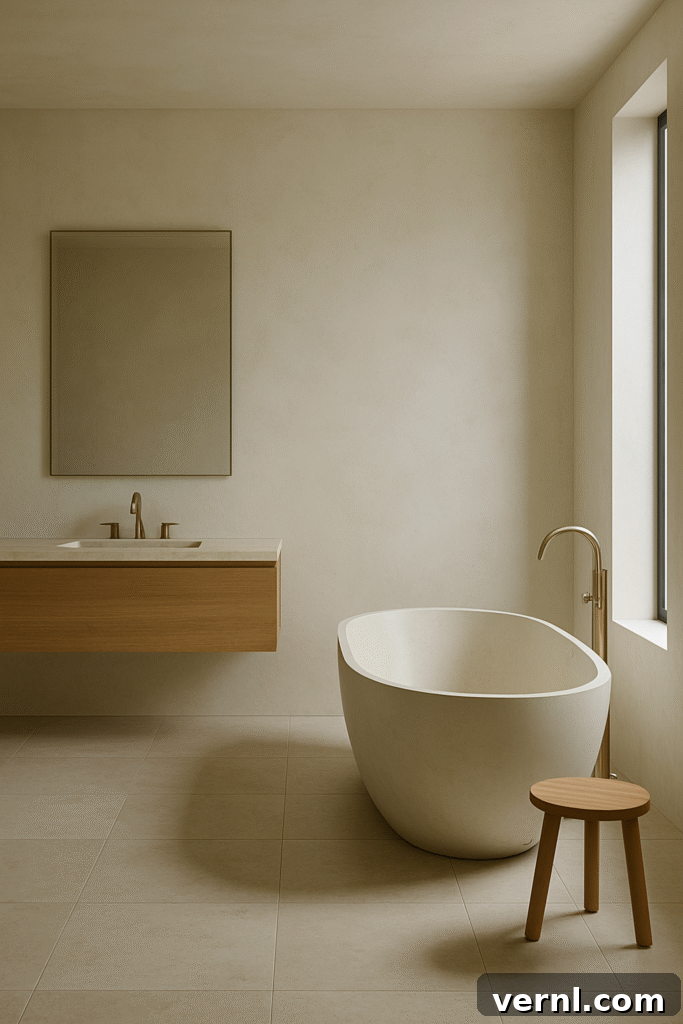
Limit items on vanity surfaces and avoid surrounding the mirror with excessive fixtures. If you have a freestanding tub, position it with space around it to let its shape and presence breathe.
10 Practical Ways to Add Negative Space
- Declutter decisively – Remove 30% more items than you expect; the remaining pieces will command attention.
- Choose furniture with legs – Elevated pieces let light and sightlines pass underneath, creating visual openness.
- Use single statement pieces – One large artwork or object often reads stronger than many small items.
- Create clear pathways – Unobstructed circulation is essential negative space.
- Use a large mirror – A single mirror reflects light and doubles visual space without cluttering walls.
- Leave walls bare – Empty walls provide rest and amplify your focal points.
- Minimize surface clutter – Display only treasured objects with generous spacing.
- Choose low-profile furniture – Low pieces increase perceived ceiling height and openness.
- Group objects thoughtfully – When displaying items, group in odd numbers with ample spacing for a composed look.
- Invest in built-in storage – Integrated storage reduces the need for extra furniture and frees up floor space.
Psychological Benefits
Spaces that use negative space effectively offer measurable mental benefits. Uncluttered environments lower stress and help focus. Visual breathing room reduces distraction, improves mood, and supports creativity. People report feeling calmer and more in control in thoughtfully designed, airy interiors.
Common Mistakes to Avoid
Avoid mistaking emptiness for neglect; negative space should feel intentional and edited, not unfinished. Also, don’t create so much empty space that a room loses warmth—balance emptiness with a few anchoring pieces. Finally, watch scale: tiny gaps between furniture can feel cramped, so be generous with spacing to achieve true impact.
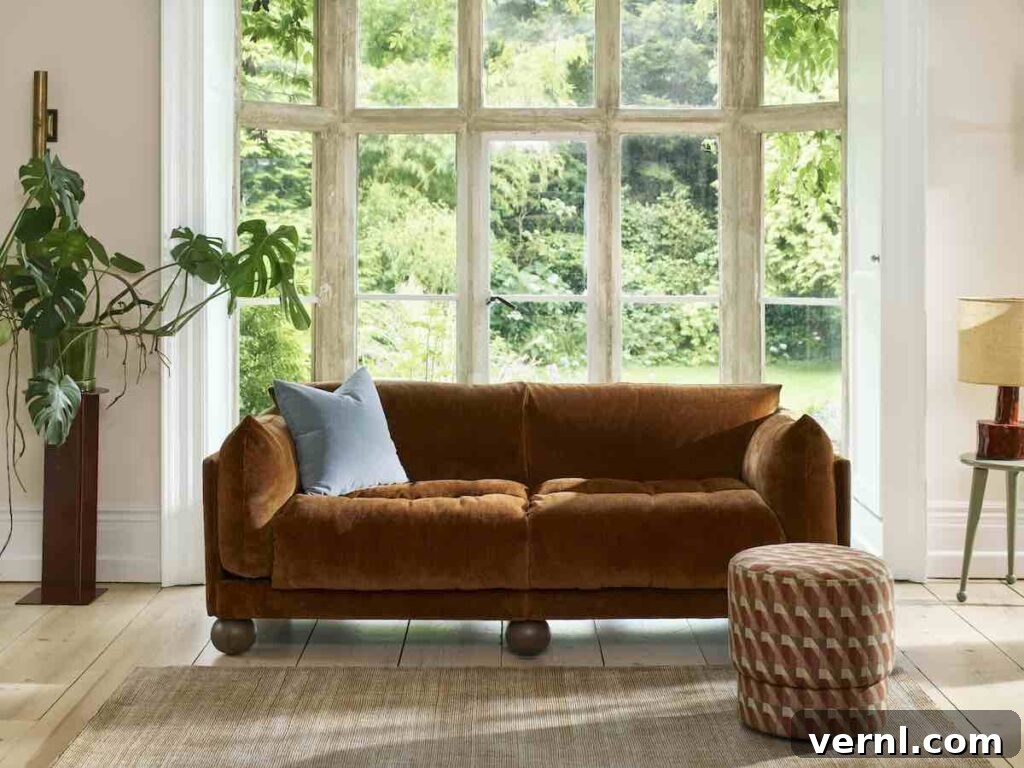
Negative space is a powerful tool for creating calm, considered interiors. Used thoughtfully, it transforms ordinary rooms into serene, functional spaces that nurture both body and mind.
Explore more design principles
- Interiors glossaries and terminology provide useful background for design decisions.
- Study compositional rules like the rule of thirds to master symmetry and flow in your layouts.