In any
new home build
or significant
bathroom renovation,
the choice of a bathtub is a pivotal decision that profoundly impacts both the functionality and aesthetics of the space. From luxurious
soaking tubs
to invigorating
tubs with jets,
and elegant freestanding designs to practical shower-tub combos, the market offers an overwhelming array of options. While this variety allows for immense personalization, it can also make the shopping process daunting. Amidst this extensive selection, one particular style stands out for its enduring popularity and practicality: the alcove bathtub.
Known for its efficient design and versatility, the alcove bathtub is a common fixture in homes across the globe. If you’re planning a bathroom upgrade or constructing a new property, understanding the nuances of this classic bathtub type is essential. This comprehensive guide will delve into everything you need to know about alcove bathtubs, helping you make an informed decision for your space.
What Is an Alcove Bathtub? A Deep Dive into This Bathroom Essential
Even if you don’t currently have an alcove bathtub in your home, you’ve almost certainly encountered one. As Eric Phillips, a seasoned plumber and founder of
Dripfina,
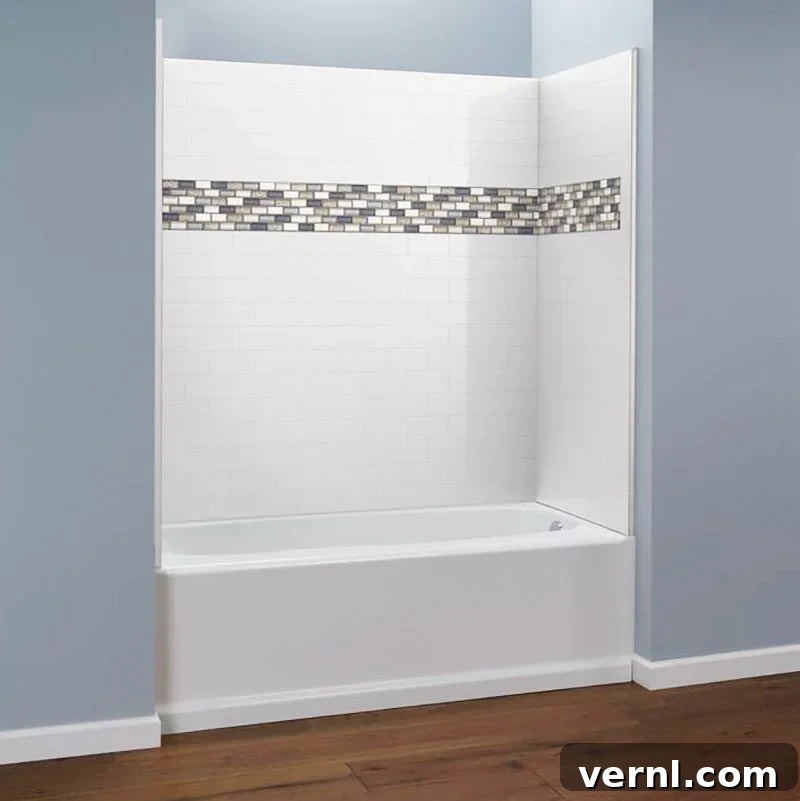
explains, an alcove bathtub is fundamentally “any tub enclosed on three sides by walls.” This distinct configuration makes it the most prevalent bathtub installation style, a fact underscored by
The Home Depot’s assessment.
The ubiquity of alcove tubs spans across various property types, from private residences and bustling apartments to sophisticated hotels and commercial accommodations. Their integrated design allows them to seamlessly blend into the existing architecture, maximizing space and creating a cohesive look. These bathtubs are also frequently referred to as recessed
bathtubs,
a term that accurately describes their installation within a dedicated recess or nook formed by three enclosing walls. Unlike corner tubs, which are typically enclosed on only two sides, or freestanding tubs that stand independently, alcove bathtubs are specifically designed to fit snugly into these three-walled spaces, making them a practical and efficient choice for many bathroom layouts.
Exploring Alcove Bathtub Sizes, Styles, and Materials
Despite their fundamental three-sided enclosure,
alcove bathtubs
offer a surprising degree of variety in terms of dimensions, aesthetic details, and construction materials. This adaptability allows homeowners to find a model that perfectly suits their specific needs and design preferences.
Standard and Varied Sizes for Every Space
When considering an alcove bathtub, size is paramount. Phillips notes that “standardized alcove bathtubs will be 60-in. x 32-in. x 18-in. — not far from the dimensions of a standard tub.” This 60-inch length (5 feet) is a common benchmark, fitting comfortably into many average-sized bathrooms. However, the market is far from limited to this single dimension. Gerald Carpenter, a plumber and founder of
Sanitary Review,
elaborates, stating that alcove tubs “(they) vary from 48-in. to 72-in. in length and 25-in. to 42-in. in width.”
This wide range ensures that whether you’re dealing with a compact guest bathroom or a sprawling master ensuite, there’s likely an alcove tub size to match. Shorter models (48-54 inches) are ideal for smaller bathrooms where every inch counts, while longer versions (up to 72 inches) provide a more luxurious soaking experience for taller individuals. Widths also vary, with broader tubs offering a more spacious feel similar to a
hot tub-like experience.
As Phillips wisely advises, “Unless you’re
redesigning your bathroom
from scratch, you’ll have to pay careful attention to the measurements of the space you’ve allocated for your tub.” Accurate measurements are crucial to ensure a proper fit and a successful installation.
Style and Design Limitations vs. Versatility
While
freestanding tubs
might offer more flamboyant shapes and decorative flourishes, alcove bathtubs inherently require a more structured design. As Phillips points out, “(They) need to be squared off to fit in the
bathroom nooks
they’re built for.” This means that ornate, curved edges or traditional clawed feet are not typical features of alcove tubs. Their aesthetic is often characterized by clean lines and a built-in appearance.
However, “squared off” doesn’t mean boring. The style available to you will largely depend on the specific dimensions of your bathroom’s alcove. For instance, Phillips mentions that “Short but broader alcoves can accommodate square-style tubs which often come with jacuzzi functions.” These can transform a functional tub into a therapeutic retreat. In larger, more generously proportioned spaces, it’s even possible to incorporate a round alcove bathtub for a truly unique look.
This Kohler bathtub,
measuring 60-in. x 42-in., exemplifies a larger, more luxurious option than the standard, offering enhanced width for a more comfortable experience. Many alcove tubs also feature an integrated apron (the finished front panel), which contributes to their clean, built-in look and simplifies installation by eliminating the need for a custom front panel.
Common Materials for Alcove Bathtubs
The material of your alcove bathtub significantly influences its durability, weight, heat retention, maintenance, and overall cost.
- Acrylic: This is by far the most popular material for alcove tubs due to its affordability, versatility, and lightweight nature. Acrylic tubs are warm to the touch, available in a vast array of colors and shapes, and relatively easy to clean. They are also non-porous, resisting mildew and stains. However, they can be susceptible to scratching and may not retain heat as effectively as heavier materials.
- Fiberglass: Often the most budget-friendly option, fiberglass tubs are extremely lightweight and easy to install. However, they are less durable than acrylic, more prone to scratching, fading, and cracking over time, and do not retain heat well.
- Enamel-Coated Steel: Offering a good balance between durability and cost, steel tubs coated with porcelain enamel are sturdy and scratch-resistant. They are lighter than cast iron but heavier than acrylic, providing decent heat retention. The enamel can chip if subjected to heavy impact, but overall they offer a crisp, glossy finish.
- Cast Iron: For those seeking unparalleled durability and exceptional heat retention, cast iron is the premium choice. These tubs are incredibly robust, virtually scratch-proof, and can last for decades. However, they are extremely heavy, often requiring floor reinforcement, and significantly more expensive. Their classic, glossy finish adds a touch of timeless elegance.
- Cultured Marble or Stone Resin: These luxurious materials offer a high-end look and feel, with the ability to be molded into various designs. They are durable, non-porous, and retain heat well. However, they come with a higher price tag and are also quite heavy.
The Practical Advantages and Disadvantages of Alcove Bathtubs
Understanding both the benefits and potential drawbacks of alcove bathtubs is crucial for making an informed decision for your home.
Advantages:
- Space Efficiency: Alcove tubs are masters of space optimization. By fitting into a three-walled recess, they minimize their footprint in the bathroom, leaving more open floor space for other fixtures or for easier movement. This makes them an ideal choice for smaller bathrooms or layouts where maximizing utility is key.
- Cost-Effectiveness: Generally, alcove bathtubs are among the most budget-friendly options available on the market. Both the tubs themselves and their installation often come at a lower price point compared to freestanding or jetted tubs, making them an excellent choice for those mindful of their renovation budget.
- Versatility with Shower Combos: One of the most significant advantages is their natural compatibility with shower installations. The enclosing walls make it straightforward to add a showerhead and surround, creating a highly functional shower-tub combination that is perfect for families or bathrooms needing dual functionality.
- Integrated Storage Potential: The surrounding walls provide opportunities for built-in storage. Niches or shelves can be carved into the wall during construction, offering convenient spots for soaps, shampoos, and bath accessories without cluttering the tub ledge.
- Ease of Cleaning and Maintenance: With three sides enclosed, there are fewer exposed surfaces to clean around, simplifying maintenance. The seamless integration often means less dust and grime collecting in hard-to-reach areas compared to freestanding models.
- Enhanced Water Containment: The enclosing walls effectively contain water splashes, making alcove tubs practical for both bathing and showering, and helping to protect surrounding floors and walls from moisture damage.
- Safety: The sturdy surrounding walls provide an ideal anchor for installing grab bars, significantly enhancing safety for users, particularly children, the elderly, or those with mobility challenges.
Disadvantages:
- Design Limitations: While versatile in size and material, alcove tubs offer less aesthetic flexibility than freestanding tubs. Their built-in nature means they cannot serve as a dramatic focal point in the same way an ornate freestanding tub might.
- More Complex Installation: As discussed later, the installation of an alcove tub often involves more steps than simply placing a freestanding model. It typically requires framing, waterproofing, and tile work, which can increase labor costs and time.
- Access for Cleaning: While generally easy to clean, the back wall and corners can sometimes be awkward to reach, especially for deeper tubs, making thorough cleaning a bit more challenging.
- Less of a “Statement Piece”: If your goal is to create a luxurious, spa-like bathroom with a grand centerpiece, an alcove tub might not deliver the same visual impact as a beautifully designed freestanding tub.
Alcove Bathtub Costs: Budgeting for Your Bathroom Upgrade
When it comes to budgeting for a new bathtub, alcove models truly shine. Their prevalence and streamlined design contribute to their overall affordability, making them an excellent choice for a wide range of budgets. As Phillips notes, “Alcove tubs are generally cheaper than freestanding tubs and are priced similarly to corner tubs — they’re a great budget option.”
Bathtub Unit Costs
The price of the alcove bathtub itself can vary significantly based on material, size, and additional features:
-
Basic Models: You can find simple,
plain alcove bathtubs for around $200,
with many options remaining under the $500 mark. These are typically acrylic or fiberglass and provide essential bathing functionality without extra frills. - Mid-Range Options: For $500 to $1,000, you can explore alcove tubs made from more durable materials like enamel-coated steel, or acrylic models with enhanced features such as deeper soaking depths, textured non-slip bottoms, or improved insulation for better heat retention.
-
Luxury Models: If you desire a more indulgent experience, prices can rise to the thousands.
Luxury alcove tubs
might include sophisticated jet systems for hydrotherapy, built-in heaters to maintain water temperature, integrated lighting, or be crafted from premium materials like cast iron or stone resin.
Installation Costs
While the tubs themselves are often budget-friendly, it’s important to factor in installation costs, which tend to be higher for alcove bathtubs than for freestanding models. Carpenter explains, “A freestanding tub installation varies from $500 to not more than $1,200, while an alcove installation is more time-taking and varies from $750 to $1,500.”
The increased cost stems from the complexity of integrating an alcove tub into the existing structure. Installation typically involves:
- Framing: Building or modifying the structural framework to support the tub and enclose its three sides.
- Plumbing Integration: Connecting water supply lines and drain/overflow systems, often requiring precise pipe routing within the wall.
- Waterproofing: Ensuring all surrounding wall surfaces are properly waterproofed (e.g., with cement board and a waterproofing membrane) before tiling.
- Tiling or Surround Installation: Installing tile or a prefabricated tub surround on the walls above the tub, which is a labor-intensive process.
- Sealing: Applying caulk and sealants to prevent any water ingress.
Factors such as regional labor rates, the complexity of existing plumbing, the need for demolition, and the type of wall finish (e.g., intricate tile work vs. a simple surround) can all influence the final installation price.
Additional Costs to Consider
Beyond the tub and installation, remember to budget for:
- Faucets and Fixtures: Showerheads, handles, and spouts are separate purchases.
- Demolition: Removal and disposal of an old tub or existing bathroom components.
- Permits: Some jurisdictions require permits for major plumbing or structural changes.
- Structural Reinforcement: If opting for a very heavy material like cast iron, your floor may need additional support, adding to costs.
Professional Installation vs. DIY: What to Consider for Your Alcove Bathtub
Installing an alcove bathtub is a project that sits squarely in the realm of moderate to advanced DIY. While it might seem straightforward, the intricacies involved in ensuring a watertight, level, and structurally sound installation often make it a job best left to the professionals.
The DIY Route: Proceed with Caution
Like many household projects, it is technically possible to
DIY a bathtub installation
if you possess the right experience, a comprehensive toolkit, and a deep understanding of plumbing, carpentry, and waterproofing. You’ll need to be proficient in everything from framing out the alcove and setting the tub in mortar to connecting plumbing lines and installing wall surrounds or tile.
However, as Carpenter sagely advises, “Otherwise, it’s much cheaper and simpler to hire a professional.” Phillips corroborates this, having been “called to fix a bad DIY bathtub installation countless times.” The risks associated with a botched DIY job can be significant:
- Leaks: Improperly sealed connections or inadequate waterproofing can lead to severe water damage, rot, and mold growth within walls and floors.
- Structural Issues: An improperly supported tub can sag, crack, or even compromise the integrity of your bathroom floor.
- Voided Warranties: Many bathtub manufacturers and fixture providers will void warranties if installation guidelines are not strictly followed by a certified professional.
- Cosmetic Flaws: Uneven tiling, visible caulk lines, or poorly aligned fixtures can detract significantly from the aesthetic appeal of your new bathroom.
- Hidden Costs: What starts as a money-saving DIY effort can quickly turn into a costly repair project if mistakes are made, requiring professional intervention to rectify the errors.
Hiring a Professional: Peace of Mind and Expertise
For most homeowners, hiring a professional plumber or general contractor for alcove bathtub installation is the recommended course of action. Professionals bring:
- Expertise: They have the specialized knowledge of plumbing codes, waterproofing techniques, and structural requirements.
- Efficiency: They can complete the installation quickly and correctly, minimizing disruption to your home.
- Warranty Protection: Professional installation ensures that product warranties remain valid.
- Peace of Mind: You’ll have confidence that your tub is installed securely and correctly, preventing future headaches and costly repairs.
When choosing a professional, always inquire about their licensing, insurance, and references. It’s also wise to ask about professional installation services before you even purchase a bathtub, as many stores offer installation for an additional fee, sometimes even bundling it with the tub purchase. Investing in professional installation is an investment in the longevity and safety of your bathroom.
Maximizing Your Alcove Bathtub Experience: Design Tips and Accessories
An alcove bathtub can be far more than just a functional fixture; with thoughtful design and the right accessories, it can become a serene retreat within your home.
Seamless Design Integration
- Shower-Tub Combos: This is the most common and practical integration. Choose a stylish shower curtain or a sleek glass shower door to enclose the shower area, enhancing both functionality and aesthetics. Glass doors, in particular, can make a small bathroom feel more open and modern.
- Built-in Storage Niches: During the framing and tiling phase, consider adding recessed niches into the surrounding walls. These provide a clean, uncluttered space for toiletries like shampoo, soap, and razors, keeping your tub area tidy and organized.
- Tile Choices: The tile work around your alcove tub significantly impacts its overall look. Large format tiles can make a small bathroom feel more expansive, while decorative accent tiles can add a touch of personality and luxury. Ensure the tile is suitable for wet areas and properly sealed.
- Lighting: Thoughtful lighting can transform your bathing experience. Consider dimmable overhead lights, or even discreet LED strip lighting around the tub or within wall niches to create a relaxing ambiance.
Enhancing Your Bathing Experience with Accessories
- Bath Caddies/Trays: A stylish bath caddy that spans the width of your tub can hold a book, a tablet, a candle, or a drink, making long soaks even more enjoyable.
- Grab Bars: For added safety and accessibility, especially in a family bathroom or for aging-in-place designs, discreetly installed grab bars on the surrounding walls are invaluable. Modern designs are often sleek and blend seamlessly with decor.
- Luxurious Towels and Robes: High-quality, plush towels and a soft robe hung conveniently nearby elevate the spa-like feel of your bathroom.
- Bath Mats: A comfortable and slip-resistant bath mat is essential for safety and can also add a decorative touch.
- Aromatherapy Diffusers: Enhance relaxation with essential oil diffusers or scented candles that can create a calming atmosphere.
Maintenance and Longevity of Your Alcove Bathtub
Proper care and maintenance are key to ensuring your alcove bathtub remains beautiful and functional for years to come. The maintenance routine will largely depend on the material of your tub.
- Acrylic and Fiberglass Tubs: These materials are prone to scratching, so avoid abrasive cleaners or harsh scrubbing pads. Mild dish soap, non-abrasive bathroom cleaners, and a soft cloth or sponge are usually sufficient. Regular cleaning prevents soap scum buildup.
- Enamel-Coated Steel and Cast Iron Tubs: These durable surfaces can withstand stronger cleaners, but it’s still best to avoid highly abrasive materials that could dull the finish over time. Non-abrasive bathroom cleaners and baking soda pastes are effective for tackling stains. Always check manufacturer recommendations.
- Preventing Mold and Mildew: Ensure adequate ventilation in your bathroom (e.g., using an exhaust fan) to reduce humidity, which contributes to mold and mildew growth on grout lines and caulk. Wipe down tub surfaces and shower walls after each use.
- Addressing Clogs: Regularly clean hair catchers in the drain to prevent clogs. If a clog occurs, try a chemical drain cleaner (use sparingly and according to instructions) or a plumber’s snake before calling a professional.
- Inspecting Sealants: Periodically check the caulk around the tub and where the tub meets the walls. If you notice cracking, peeling, or discoloration, re-caulk promptly to prevent water from seeping behind walls and causing damage.
By adhering to a consistent cleaning schedule and addressing minor issues promptly, you can significantly extend the lifespan of your alcove bathtub and keep your bathroom looking pristine.
Conclusion
The alcove bathtub remains a cornerstone of bathroom design for compelling reasons. Its inherent practicality, space-saving design, and affordability make it an exceptionally versatile choice for nearly any home, whether you’re undertaking a full-scale
new build
or a targeted
renovation.
While it may not always offer the dramatic visual flair of a freestanding tub, its seamless integration and functional benefits often outweigh aesthetic compromises, especially in smaller or family-oriented bathrooms.
From a wide array of sizes and materials like durable acrylic or classic cast iron, to its ability to effortlessly combine with a shower, the alcove tub adapts to diverse needs and budgets. Understanding the nuances of its installation, the importance of professional expertise, and the potential for personalization through thoughtful accessories, empowers you to make a choice that enhances your bathroom’s comfort and value.
When selecting your next bathtub, consider the enduring appeal and proven functionality of the alcove design. By carefully evaluating your space, budget, and desired features, you can confidently choose an alcove bathtub that will serve as a reliable and inviting element in your home for many years to come.