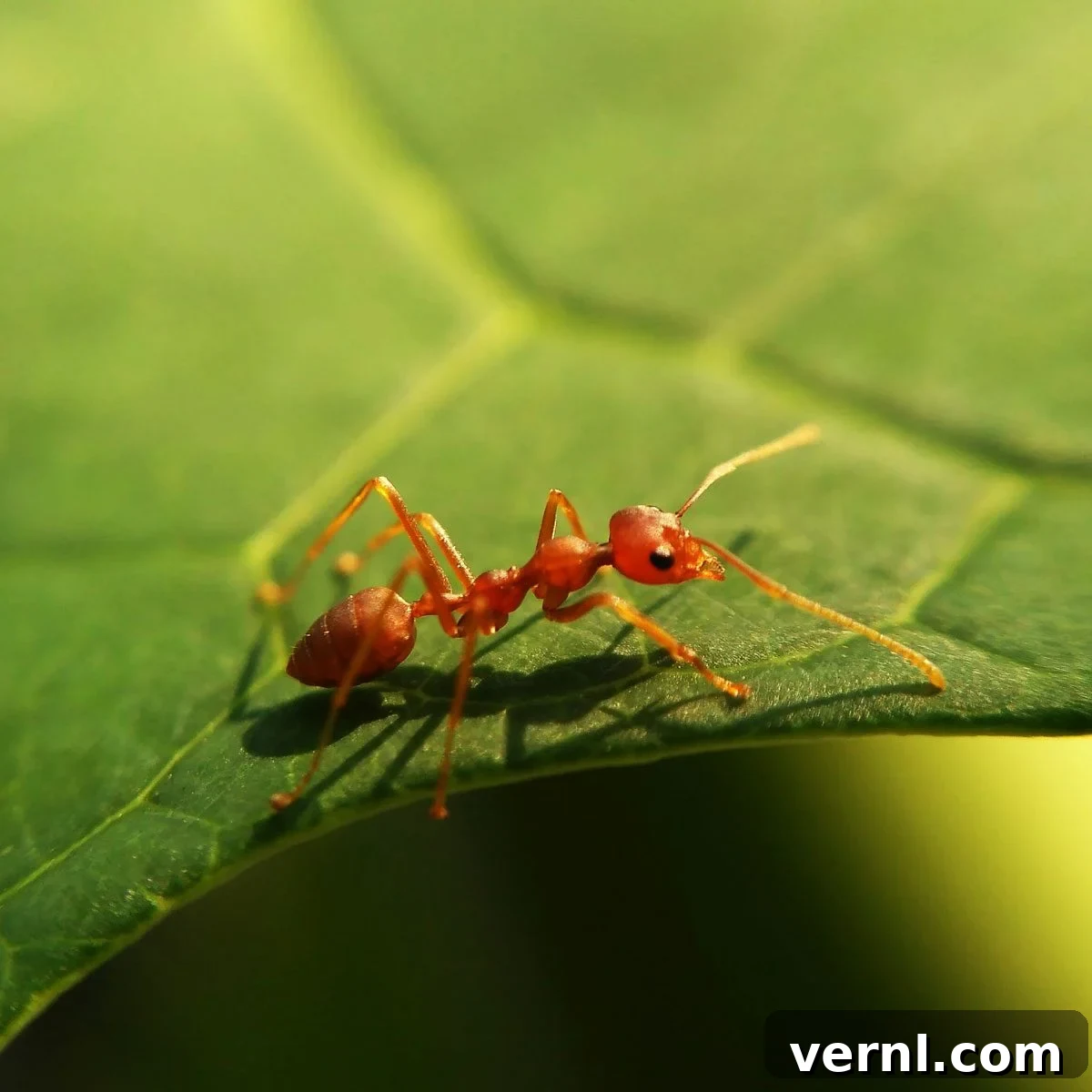
Ant Infestations: Understanding Dangers and Implementing Effective Control
Ants are among the most ubiquitous insects on Earth, found in nearly every terrestrial habitat. Their remarkable adaptability and complex social structures have allowed them to thrive across diverse environments. With an estimated more than 12,000 recognized ant species globally, and countless more yet to be discovered, these tiny creatures play vital roles in ecosystems. However, their pervasive nature means that many species also have the potential to become unwanted guests in our homes and gardens, posing various challenges from mere annoyance to significant health risks and property damage. Understanding the potential dangers ants present and how to effectively manage their presence is crucial for maintaining a safe and comfortable living environment.
Ant Dangers to People and Public Health
While many ant species encountered in residential settings might seem like a minor nuisance, a significant ant infestation can quickly escalate into a more serious problem. Beyond simply being an annoyance, ants can contaminate food, spread bacteria, cause structural damage to homes, and in certain cases, provoke painful bites or stings that can lead to severe allergic reactions. Addressing an ant infestation promptly is essential to mitigate these potential risks and prevent further complications.
Understanding Ant Bites and Stings
The vast majority of ant bites are relatively harmless, resulting in minor irritation, itching, or a small red bump. However, certain aggressive species, particularly fire ants and harvester ants, are known for their painful bites and stings that can necessitate medical attention. Fire ants, in particular, are notorious for their venomous stings, which often result in a burning sensation followed by the development of itchy, pus-filled pustules. To minimize the risk of encounters and prevent these painful incidents, the Centers for Disease Control and Prevention (CDC) offers practical guidelines:
- Avoid Disturbing Ant Mounds: Approaching or kicking ant mounds can provoke a defensive attack from hundreds or thousands of ants, especially fire ants.
- Exercise Caution When Lifting Items: Before picking up logs, rocks, garden tools, or any item that has been on the ground for an extended period, carefully inspect it for nesting ants.
- Wear Protective Clothing During Yard Work: When working outdoors, especially in areas prone to ant activity, tucking pants into socks or boots creates a barrier against ants crawling up your legs.
- Immediately Brush Off Ants: If ants are discovered on your skin, do not crush them, as this can trigger other ants to attack. Instead, gently but firmly brush them off to avoid bites or stings.
For minor bites or stings, applying a cold compress, hydrocortisone cream, or an oral antihistamine can help alleviate symptoms. However, if swelling, redness, or pain intensifies, or if you suspect an allergic reaction, medical consultation is advised.
Allergic Reactions to Ant Stings
While rare, severe allergic reactions to insect stings, including those from ants, can be life-threatening. The American College of Allergy, Asthma and Immunology (ACAAI) reports that insect sting allergies contribute to approximately 100 fatalities annually in the United States. Fire ants are a prominent cause of insect stings in the U.S., alongside bees, wasps, and hornets. Uniquely, fire ants not only bite to grip the skin but also deliver a potent sting simultaneously, injecting venom that can trigger a range of allergic responses. Symptoms of a severe allergic reaction (anaphylaxis) can include difficulty breathing, dizziness, rapid heart rate, widespread hives, swelling of the face or throat, and a sudden drop in blood pressure. Individuals with known insect sting allergies should carry an epinephrine auto-injector and seek immediate emergency medical care if stung.
Safe Use of Ant Control Products
When dealing with an ant infestation, the choice of ant control method is paramount, especially regarding the use of insecticides. It is crucial to exercise extreme caution when applying chemical sprays, particularly in outdoor areas where children and pets frequently play. Misuse of insecticides can pose significant health risks to humans and animals, and can also harm beneficial insects and the environment. Consulting with a professional exterminator or seeking expert advice from your local garden center about safe and effective products is always recommended.
For DIY ant control, baits are often considered the most effective and safest solution for eliminating entire colonies. Unlike sprays that only kill individual ants on contact, baits are designed to be carried back to the nest by foraging worker ants, where the slow-acting insecticide is then shared with the queen and other colony members. This method effectively targets the source of the infestation, leading to colony elimination within a few days or weeks. Liquid bait stations, such as the Terro T300B Liquid Ant Bait Ant Killer, are popular for their ease of use and efficacy against common household ant species.
Ant Dangers to Pets
Our beloved pets are also susceptible to the dangers posed by ants, particularly aggressive species like fire ants. Curious cats and dogs often investigate ant mounds, leading to multiple stings. Fire ant stings on pets can cause localized swelling, pain, itching, and in severe cases, allergic reactions similar to those seen in humans. If your pet is attacked, wear protective gloves and carefully remove the ants by hand or by rinsing them off with water. While a few stings are usually not life-threatening, a large number of stings or any signs of an allergic reaction (such as difficulty breathing, severe swelling, vomiting, or lethargy) warrant immediate veterinary attention. Always prioritize pet-safe ant removal techniques and products when treating areas accessible to your furry friends, opting for non-toxic solutions or baits placed in secure, pet-proof stations.
Pro Tip for Identifying Fire Ants: Distinguishing fire ants from other ant species is crucial for targeted treatment. One key characteristic of fire ant colonies is the presence of multiple-sized workers along their ant trail. While most ant species have workers of relatively uniform size, fire ant colonies exhibit polymorphic workers, meaning you’ll see ants of various sizes, from very small to larger individuals, all belonging to the same colony.
Ant Damage to Homes and Yards
Beyond direct threats to people and pets, ants can cause significant damage to properties, both inside homes and in the surrounding yards.
Damage to Homes
- Electrical Equipment Infestation: Fire ants, in particular, are known to infest electrical boxes, utility units, and outdoor air conditioning units. They are attracted to electromagnetic fields and can chew through insulation, causing short circuits, power outages, and even creating fire hazards. This can lead to costly repairs and potential safety risks.
- Structural Damage: While most ants don’t eat wood, certain species like carpenter ants excavate tunnels within wooden structures to build their nests. This tunneling activity can weaken support beams, door frames, window sills, and other wooden components over time, compromising the structural integrity of a building. Evidence of carpenter ant activity often includes piles of wood shavings (frass) near infested areas.
- Food Contamination: Common household ants forage for food, leading them into kitchens, pantries, and food storage areas. They can contaminate food items, countertops, and utensils with bacteria and pathogens picked up from various sources, including garbage and sewage, posing a risk to food safety and hygiene.
Damage to Yards and Landscaping
In the yard, ant colonies, especially fire ants, can cause significant damage to landscaping. Their extensive tunneling systems and large mounds can:
- Disturb Plant Roots: Nests built directly around plants can disrupt root systems, hindering nutrient uptake and water absorption, leading to stunted growth or even plant death.
- Bury Plants: The constant excavation of soil for nest expansion can bury small plants, smothering them under layers of unearthed dirt.
- Create Unsightly Mounds: Large anthills in lawns can be aesthetically unpleasing and create tripping hazards. They can also interfere with lawnmowers and other garden equipment.
- Damage Lawnmowers: Running a lawnmower over a large, dense ant mound can cause damage to the blades and engine.
However, it is equally important to acknowledge the critical role ants play in our ecosystem. These industrious insects are natural engineers and vital contributors to environmental health. They aerate soil through their tunneling, which improves water penetration and oxygen flow to plant roots. Ants also play a significant role in redistributing nutrients by breaking down organic matter and transporting it deeper into the soil. Many species are crucial for seed dispersal (a process known as myrmecochory), helping plants spread and colonize new areas. Furthermore, ants act as natural predators, protecting plants against destructive garden pests like caterpillars, aphids, and grasshoppers, thereby contributing to natural pest control. This dual nature highlights the need for balanced pest management that addresses infestations without indiscriminately harming beneficial ant populations where they are not a threat.
Effective Strategies for Ant Control: What to Do If You Have Ants
When faced with an ant invasion, a strategic and patient approach is key to achieving successful long-term control. Dr. Scott Lingren, an entomologist and owner of Venus Pest Company, recommends a comprehensive five-step DIY process for effective ant removal:
- Recognize and Locate Signs of Infestation: The first step is to be observant. Look for active ant trails, which are often the most obvious sign. However, also search for less apparent indicators such as small piles of wood shavings (frass) if you suspect carpenter ants, dirt mounds along foundations or in cracks, and ants congregating around food sources, pet bowls, or water. Identifying where they are coming from and where they are going provides valuable clues about their nesting sites and foraging routes.
- Properly Identify the Type of Ant: Not all ants are created equal, and effective treatment often depends on knowing your enemy. Different ant species have varying behaviors, nesting preferences, and dietary needs. For example, carpenter ants require different bait formulations than sugar-loving odorous house ants or grease-preferring pavement ants. Accurate identification can be achieved by observing their size, color, segment count, and antennae shape, often with the aid of online guides or a professional pest control expert.
- Eliminate Food and Water Sources: Ants are constantly searching for sustenance. Depriving them of readily available food and water is a critical preventative and control measure. Store all food in airtight containers, regularly sweep up crumbs, wipe down spills immediately, and ensure pet food bowls are clean and put away after feeding. Fix leaky faucets and pipes, as ants are also attracted to moisture. A clean environment makes your home far less appealing to foraging ants.
- Seal Cracks and Other Entry Points: Ants are masters at finding tiny openings to enter your home. Thoroughly inspect your foundation, exterior walls, window frames, door frames, and utility entry points (where pipes and wires enter the house). Use caulk, weatherstripping, or other appropriate sealants to close off any cracks, gaps, or holes you discover. This creates a physical barrier, making it much harder for ants to gain access to your indoor spaces.
- Set Out Appropriate Ant Bait Strategically: Once you’ve minimized food competitors and sealed entry points, deploy ant baits. Baits are designed to be attractive to ants, which then carry the slow-acting insecticide back to the colony, ultimately eliminating the queen and the entire nest. Place baits directly in ant trails, near suspected entry points, or where you’ve seen ant activity. Ensure baits are placed out of reach of children and pets.
Dr. Lingren emphasizes the importance of patience throughout this process. “Different types of ants prefer different types of bait at different times of the year, so this may take some experimentation to get right,” he advises. It’s not uncommon for it to take several days to a few weeks for baits to fully eliminate a colony, as the insecticide needs time to circulate throughout the ant population. Consistency and observation are key to determining which baits are most effective for your specific ant problem.
When to Call a Professional Pest Control Service
While DIY methods are often effective for small to moderate ant problems, there are situations where calling a professional pest control service is the best course of action. This includes:
- Large or Persistent Infestations: If you’ve tried DIY methods without success, or if the infestation is extensive and widespread, a professional has access to stronger, more targeted treatments and specialized equipment.
- Difficulty Identifying Ant Species: If you cannot accurately identify the type of ant, a professional entomologist or pest control technician can correctly identify the species and recommend the most effective treatment plan.
- Structural Damage Suspected: For carpenter ants or other wood-destroying ants, a professional inspection can assess the extent of damage and ensure proper treatment to prevent further structural compromise.
- Safety Concerns with Pesticides: If you are uncomfortable using insecticides or have concerns about their impact on children, pets, or the environment, a professional can apply treatments safely and effectively.
- Recurring Problems: If ant problems keep returning despite your best efforts, a professional can identify underlying issues and implement long-term preventative measures.
By understanding the potential risks posed by ants and employing a combination of preventative measures, strategic baiting, and professional assistance when needed, you can effectively manage ant infestations and maintain a pest-free home and yard.