Unleashing the Power: Avoid These 6 Common Pressure Washer Mistakes for Ultimate Home Cleaning Success
A pressure washer is an undeniably powerful and versatile tool, transforming the way homeowners approach outdoor cleaning tasks. From tackling stubborn grime on driveways and rejuvenating weary decks to preparing surfaces for painting and revitalizing outdoor furniture, it’s an indispensable asset for a myriad of spring cleaning duties and major home projects. Its efficiency and dramatic results make it a favorite among DIY enthusiasts, a trend underscored by global sales expected to approach $3 billion by 2024, solidifying its status as standard equipment for efficient home maintenance.
While the allure of its cleaning prowess is strong, wielding a consumer-grade pressure washer demands more than just pulling a trigger. It requires a keen understanding of its capabilities and, more critically, an awareness of its potential hazards. Mishandling this potent tool can lead to significant personal injury or accidental damage to your property. To ensure your cleaning endeavors are both successful and safe, it’s crucial to steer clear of common pitfalls that frequently trip up even enthusiastic DIYers. Let’s explore the six most prevalent mistakes made by pressure washer newbies, helping you achieve professional-level results without the headaches. You might even discover some unusual uses for your pressure washer along the way!
Mistake #1: Forgetting to Angle the Spray Correctly
One of the most fundamental yet overlooked aspects of effective pressure washing is the angle at which you apply the spray to the surface. Many beginners instinctively aim directly at a dirty spot, believing this direct impact will obliterate the grime. However, this approach is counterproductive. When you spray straight on, especially with higher pressures, you often simply drive the dirt deeper into the material, particularly on porous surfaces like wood, concrete, or brick. Instead of removing the contaminants, you embed them further, making them harder to clean and potentially causing streaking or uneven results.
The key to efficient cleaning lies in approaching the surface at an angle, typically between 15 and 45 degrees. The objective is to leverage the water’s force to “lift” the dirt and debris off the surface, allowing it to be easily washed away. Think of it like using a scraper; you wouldn’t push it straight down, but rather at an angle to dislodge material. For really tough stains or ground-in dirt, you may need to vary your angle or sweep the spray head in different directions to attack the grime from all sides, always maintaining that crucial “scooping” action. This technique not only cleans more effectively but also reduces the risk of damaging the surface by concentrating too much direct pressure in one spot.
Furthermore, failing to spray at an angle significantly increases the likelihood of “blowback.” This occurs when the high-pressure spray directly hits a flat surface and splatters dirty water, grime, and even small particles back towards you. Getting a face full of wet muck is never pleasant, but more importantly, if you’re not wearing adequate safety glasses, this blowback could lead to serious eye injuries from dirt, chemicals, or even microscopic debris. This brings us directly to our next critical mistake.
Mistake #2: Neglecting Essential Personal Protective Equipment (PPE)
Despite their common appearance in home improvement advertisements, pressure washers are far from harmless toys. They are robust pieces of machinery capable of delivering water streams at several thousand pounds per square inch (PSI). To put this into perspective, a typical garden hose operates at around 50-70 PSI. This immense force means a narrow stream of water from a pressure washer can penetrate skin, cause severe lacerations, or even slice through flesh with shocking efficiency, akin to a sharp blade. Worse still, high-pressure injection injuries don’t just create a wound; they drive water, dirt, and bacteria deep into tissues, often leading to severe infections, nerve damage, and potentially requiring surgery or even amputation if not treated immediately.
Therefore, it is paramount to treat your pressure washer with the utmost respect and always wear appropriate Personal Protective Equipment (PPE). This includes:
- Eye Protection: Non-negotiable. Always wear wrap-around safety glasses or goggles to protect your eyes from blowback, flying debris, and chemical splashes. Standard eyeglasses are insufficient.
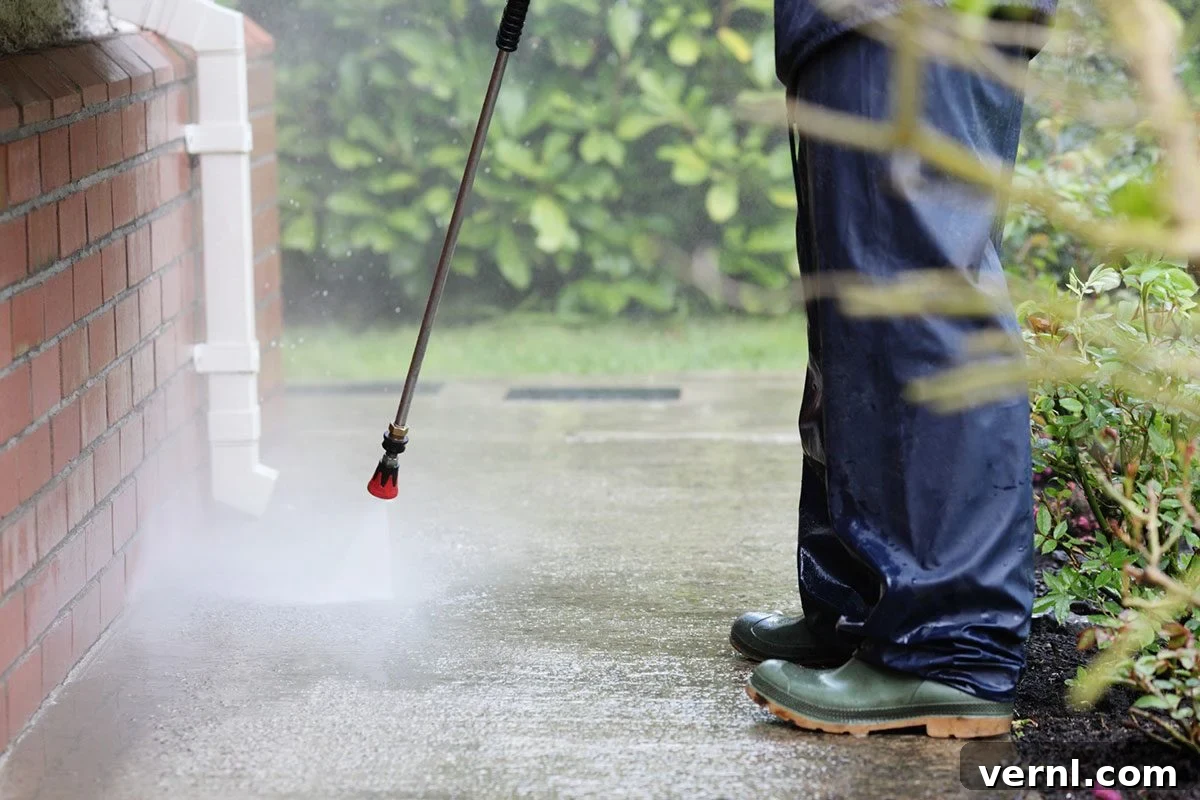
- Foot Protection: A common mistake on warm days is wearing open-toed shoes or sandals. The high-pressure spray can easily strip skin and cause serious foot injuries. Always wear sturdy, close-toed shoes or work boots, preferably with steel toes, to protect against accidental spray and falling objects. Quality work boots offer crucial protection.
- Hand Protection: Wear heavy-duty work gloves to protect your hands from the spray, chemicals, and to improve grip, reducing the risk of the wand slipping. Some gloves also offer vibration dampening, which can be beneficial during prolonged use.
- Hearing Protection: Especially when operating gas-powered pressure washers, which can be quite loud, earplugs or earmuffs are recommended to prevent hearing damage.
- Appropriate Clothing: Long pants and long-sleeved shirts can help protect your skin from errant spray and chemical contact. Avoid loose clothing that could get tangled in moving parts.
An ABC News segment vividly illustrates the significant risks associated with pressure washers, particularly emphasizing the heightened danger posed by using zero-degree nozzles, which concentrate the spray into an incredibly destructive pinpoint stream. Prioritizing safety is not just a recommendation; it’s a necessity to prevent painful and costly accidents.
Mistake #3: Using the Wrong Nozzle for the Job
Selecting the correct pressure washer nozzle tip is perhaps one of the most critical steps for both safety and cleaning efficiency, yet it’s a mistake countless users make. The nozzle tip fundamentally changes the angle and spread of the water spray, directly impacting the effective PSI delivered by the wand. A wider spray angle diffuses the pressure, resulting in a gentler cleaning action, while a narrower angle concentrates the pressure, making the spray much more aggressive.
The versatility of a pressure washer truly shines when you understand and utilize its various nozzle options. While there’s plenty of advice on what you should or shouldn’t pressure wash, the truth is you can often pressure wash almost anything as long as you’re using the right nozzle and appropriate technique!
Nozzles are typically color-coded for easy identification:
- Red (0-degree): This produces a concentrated, pencil-thin stream. It’s incredibly powerful and can cause severe damage to surfaces (etching concrete, stripping paint/wood, cutting vinyl siding) and personal injury. It should be used with extreme caution and only for very specific, heavy-duty tasks like removing tough, caked-on mud from construction equipment or deep stains from hard, durable surfaces. Never use this nozzle on wood, siding, vehicles, or anything delicate.
- Yellow (15-degree): This creates a powerful, fan-shaped spray ideal for aggressive cleaning tasks such as stripping paint, removing rust, or cleaning stubborn grime from concrete, brick, or metal surfaces.
- Green (25-degree): A general-purpose cleaning nozzle, providing a medium-pressure, fan-shaped spray. This is suitable for cleaning decks, patios, driveways, outdoor furniture, and most vehicles. It balances cleaning power with reduced risk of damage.
- White (40-degree): This delivers a wide, low-pressure spray, making it perfect for delicate surfaces like vinyl siding, windows, cars, boats, and gentle rinsing. It covers a larger area quickly and minimizes the risk of damage.
- Black (Soap/Low-Pressure): This nozzle creates the widest and lowest pressure spray, designed specifically for applying detergents and cleaning solutions. It does not produce enough pressure to cause damage and is often used before switching to a higher-pressure nozzle for rinsing.
When in doubt, always start with a wider-angle, lower-pressure nozzle (like the white or green) and work your way down to a narrower angle only if necessary. Always do a test run in an inconspicuous area or on a bit of scrap material to ensure the pressure and nozzle are appropriate for the surface you’re cleaning. This proactive approach will save you from costly repairs and headaches.
Mistake #4: Spraying Upward Against Siding and Delicate Surfaces
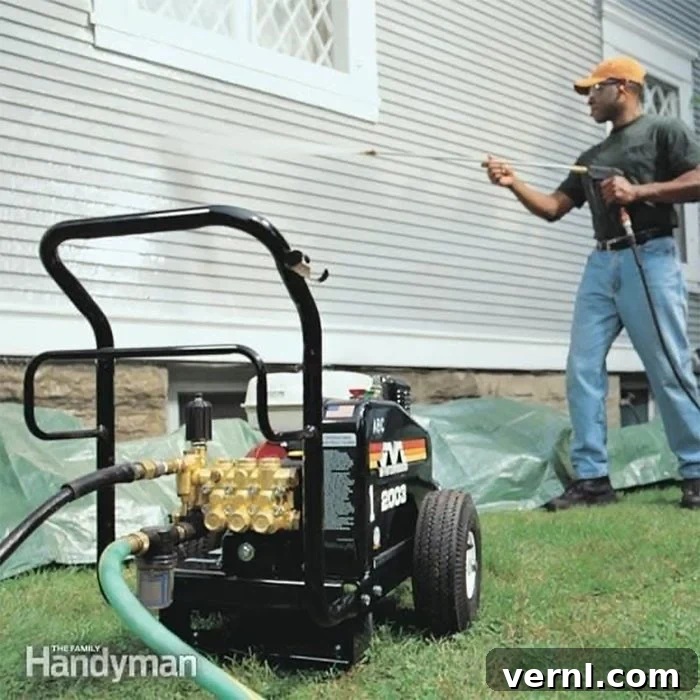
When it comes to pressure washing your home’s exterior, particularly siding, one of the most critical mistakes is directing the spray upward against the panels. Most types of siding, whether vinyl, wood, or fiber cement, are designed with an overlapping system that channels water downwards, away from the structural components of your house. There are often weep holes or gaps at the bottom edges of the panels, specifically designed to allow any trapped moisture to escape harmlessly.
Spraying from below forces high-pressure water into these very gaps and overlaps. This can drive moisture behind the siding and into the wall cavity, leading to a host of serious problems. Trapped moisture behind siding creates an ideal breeding ground for mold, mildew, and rot, which can severely compromise your home’s structure and air quality. It can also damage insulation, electrical wiring, and cause paint to peel or finishes to delaminate. In severe cases, it can even lead to costly water damage inside your home, not to mention potentially voiding your siding’s warranty.
The correct technique for cleaning siding is to always spray downward, following the natural drainage path of the siding. Start from the top sections of the siding and work your way down, allowing gravity to assist in washing away the dirt and cleaning solutions. Maintain a safe distance (typically 12-18 inches) and use a wider-angle nozzle (like a 40-degree white tip or a 25-degree green tip) to avoid excessive pressure concentration.
For reaching higher areas, the best solution is to use a solid or telescoping extension wand. This allows you to safely clean from the ground without having to climb onto a ladder. The significant kickback produced by a pressure washer can easily throw you off balance, making ladder use extremely hazardous. Look for extension wands with a pronounced downward angle or a slight curve. These designs make it much easier to direct the spray top-to-bottom or along the face of the siding, ensuring that water always flows in the correct direction. Furthermore, remember why you should not pressure wash your roof, as it can cause significant damage to shingles and granules.
Mistake #5: Allowing Your Pressure Washer to Experience “Pressure Overload”
A pressure washer pump operates by creating a closed system of pressurized water. When you engage the spray gun’s trigger, this stored pressure is released through the nozzle. However, what happens when you release the trigger and the spray stops? The pump continues to run, generating pressure, and this pressure cannot simply vanish. To prevent damage to the pump and other components, a bypass valve engages, re-directing the water flow away from the spray gun and back into the pump system, allowing it to circulate.
While this bypass system prevents immediate catastrophic failure, it comes with a significant downside: temperature. As the same volume of water continuously circulates through the pump in bypass mode, it rapidly heats up due to friction and the pump’s mechanical action. Eventually, this re-circulated water can reach dangerously high temperatures, capable of causing serious damage to the pump’s internal components, such as seals, pistons, and valves. Prolonged overheating leads to premature wear and tear, often resulting in a costly repair or even complete pump failure and early burn-out. Some high-end commercial models mitigate this issue with ceramic-lined parts or advanced cooling systems, but these are generally not found in the consumer-grade price range.
To avoid “pressure overload” and extend the life of your pressure washer’s pump, adopt these crucial habits:
- Turn Off When Not Actively Spraying: The golden rule is simple: don’t turn on the pressure washer unless you are ready to use it immediately. If you anticipate a break longer than a minute or two – perhaps to answer the phone, move an obstruction, or adjust your setup – turn off the engine or motor completely.
- Short Pauses: For very brief pauses (under 60-90 seconds), most consumer models can handle the bypass mode without significant heat buildup. However, it’s still good practice to periodically squeeze the trigger for a second or two to release the pressure and allow cooler water to be drawn into the system, preventing localized overheating.
- Proper Storage: After each use, ensure all water is drained from the pump and hoses, especially in colder climates, to prevent freezing and cracking. Consider using a pump protector or stabilizer during storage to lubricate and protect internal components.
By being mindful of your machine’s idle time, you can significantly prolong its operational lifespan and avoid unexpected maintenance costs.
Mistake #6: Using a Gas-Powered Pressure Washer Indoors or in Enclosed Spaces
Gas-powered pressure washers are highly favored for their superior power, mobility, and independence from electrical outlets, making them a go-to choice for heavy-duty cleaning tasks in remote areas or where electricity is scarce. However, their internal combustion engines, like those in cars or lawnmowers, produce a silent but deadly byproduct: carbon monoxide (CO). Carbon monoxide is an odorless, colorless, and tasteless gas that can be lethal even in small concentrations.
When a gas-powered pressure washer is operated indoors or in poorly ventilated areas such as garages, basements, sheds, or even partially enclosed patios, the carbon monoxide quickly builds up to dangerous levels. Inhaling CO replaces oxygen in the bloodstream, leading to symptoms like headaches, dizziness, nausea, confusion, and eventually unconsciousness, brain damage, and death. Because CO is undetectable by human senses, victims often don’t realize they are being poisoned until it’s too late.
A sobering study published in the Journal of Emergency Medicine highlighted a significant spike in pressure-washer related carbon monoxide poisonings following natural disasters. This often occurs when homeowners and contractors, desperate to clean out flooded basements or damaged structures, improperly use gas-powered equipment in enclosed spaces without adequate ventilation, underscoring the critical need for awareness.
The rule is absolute: **NEVER operate a gas-powered pressure washer indoors or in any enclosed or poorly ventilated space.** Always ensure the machine is used outdoors, in an open area, well away from windows, doors, and air intakes of your home or other buildings, to prevent exhaust fumes from drifting inside. If your cleaning task absolutely requires working in an enclosed space, an electric pressure washer is the only safe option, as it produces no exhaust fumes. Remember to know why your gas-powered pressure washer won’t start and troubleshoot safely.
Always prioritize safety and follow the manufacturer’s recommendations for using your pressure washer. When in doubt, err on the side of extreme caution – your health and safety, and that of those around you, depend on it.
Achieve Impeccable Results with Your Pressure Washer
A pressure washer is an incredibly efficient tool that can dramatically cut down on cleaning time and effort for countless home improvement projects. However, its power demands respect and a solid understanding of proper operating procedures. By diligently avoiding these six common mistakes – from angling your spray correctly and consistently wearing robust personal protective equipment, to choosing the right nozzle for every task, understanding pump mechanics, and strictly adhering to ventilation rules – you can transform your cleaning routine.
Embrace these expert tips to ensure your pressure washing experience is not only productive but also safe and free from avoidable damage or injury. With careful preparation and proper technique, you’ll harness the full potential of your pressure washer, keeping your home and property sparkling clean for years to come.