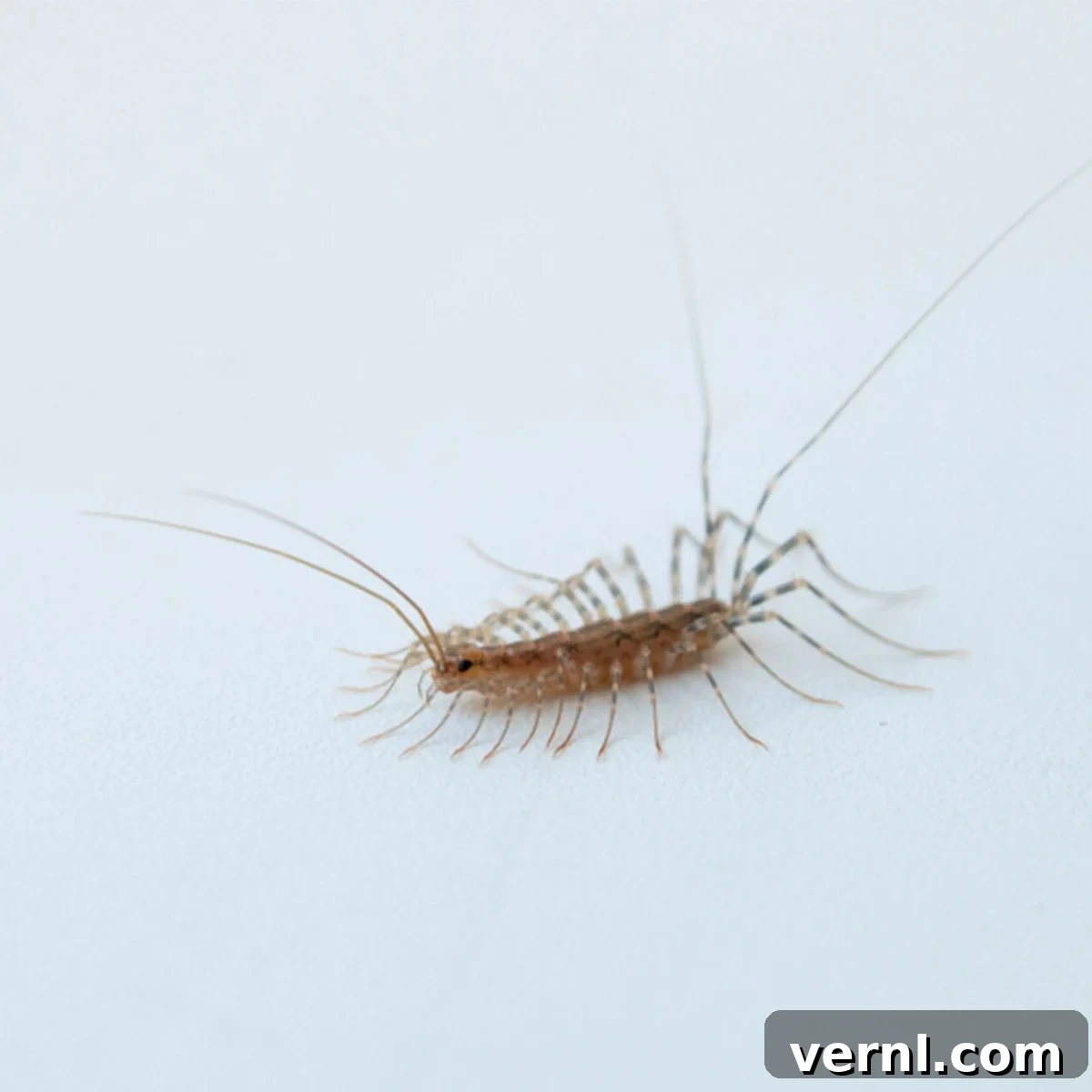
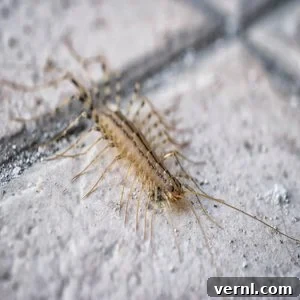
Have you ever caught a fleeting glimpse of a lightning-fast, many-legged creature scurrying across your floor, forcing a double-take to confirm what you just saw? If so, chances are you’ve had an encounter with a centipede, specifically the common house centipede. These ancient arthropods, known for their distinctive appearance and incredible speed, are a surprisingly frequent visitor to many homes across the globe.
While often perceived as unsettling due to their numerous legs and rapid movement, house centipedes are generally harmless to humans and property. They are, however, a clear indicator of a certain indoor environment – one that offers moisture and a readily available food source. Understanding these fascinating creatures, from their biology to their habits, is the first step toward effective management and fostering a pest-free living space. This comprehensive guide will explore the world of centipedes, helping you identify them, understand why they enter your home, and implement strategies for their control.
What Exactly is a Centipede?
Centipedes are truly remarkable creatures, instantly recognizable by their elongated, segmented bodies and an impressive array of legs. They belong to the class Chilopoda, a group within the subphylum Myriapoda, which also includes other multi-legged arthropods like millipedes. The name “centipede” itself is derived from Latin, where “centi” means 100 and “ped” or “pedis” means foot. While this suggests they have a hundred legs, the actual number can vary significantly depending on the species, ranging from as few as 15 pairs to over 100 pairs, translating to between 30 and 200+ individual legs.
Unlike millipedes, which have two pairs of legs per body segment and are primarily herbivores or detritivores, centipedes possess one pair of legs per segment and are exclusively predatory carnivores. This fundamental difference shapes their behavior, diet, and even their physical adaptations. Centipedes are equipped with a pair of modified legs called forcipules, located just behind their head. These powerful, pincer-like appendages contain venom glands and are used to capture and paralyze their prey, making them efficient hunters in the insect world. Their nocturnal habits and formidable speed allow them to silently stalk and ambush unsuspecting insects, making them an important, albeit often feared, part of the ecosystem, even within your own home.
Diverse Species: Exploring Types of Centipedes
The centipede world is incredibly diverse, boasting more than 8,000 known species globally, thriving on every continent except the frigid expanse of Antarctica. Each species has adapted to its unique environment, resulting in a fascinating range of sizes, colors, and behaviors.
The Common House Centipede: Scutigera coleoptrata
Among this vast array, the most frequently encountered species in human dwellings is the Scutigera coleoptrata, famously known as the house centipede. This yellowish-grey creature typically measures a few inches in length, characterized by an average of 15 pairs of remarkably long, delicate legs that give it a distinct, almost ethereal appearance. These lengthy appendages, coupled with its flexible body, contribute to its status as one of the fastest centipedes, enabling it to dart across surfaces at impressive speeds. Native to the Mediterranean region, the house centipede has successfully spread globally, finding suitable habitats in the damp, dark corners of human structures.
Life Cycle and Other Notable Centipede Species
Centipedes undergo a non-metamorphic life cycle, meaning they hatch resembling miniature adults and grow through a series of molts, shedding their exoskeleton as they get larger. They can live for an impressive average of five years, continuously molting and increasing their leg count until they reach adulthood. Depending on your geographical location, you might encounter other notable centipede types:
- The Giant Desert (Texas) Centipede (Scolopendra heros): Known for its imposing size, often reaching up to 8 inches, and vibrant coloration (red-orange body with black head and tail), this species is found in arid regions of the southwestern United States. Its powerful bite can be painful to humans but is rarely medically significant.
- Bark Centipedes (Lithobius species): These smaller, typically brown centipedes are common under bark, logs, and stones in wooded areas. They are swift and play a crucial role in breaking down organic matter and controlling insect populations in their natural habitats.
- Cryptopid Centipedes (Cryptops species): Often found in soil and leaf litter, these centipedes are smaller, blind, and have a more robust appearance. They are burrowers and are less likely to be seen indoors than house centipedes, preferring subterranean environments.
Understanding the specific type of centipede you’ve encountered can be helpful, as it may offer clues about its habits, potential risks, and the most effective approach to managing its presence in or around your home.
What Do Centipedes Eat? Unveiling Their Predatory Diet
Centipedes are voracious predators, and their diet primarily consists of other arthropods. As nocturnal hunters, they spring into action when the lights dim and the moon rises, stealthily searching for their next meal. Their speed, agility, and venomous bite make them highly effective in capturing a wide array of prey.
For house centipedes in particular, a variety of common household pests prove to be particularly enticing targets. These include:
- Spiders: Centipedes will readily hunt and consume spiders, even those that are larger than themselves.
- Crickets: The chirping insects are a common food source, especially in damp basements and crawl spaces.
- Cockroaches: Both nymphs and smaller adult cockroaches can fall prey to centipedes, helping to keep their populations in check.
- Worms: Smaller worms and larvae found in moist environments are also part of their diet.
- Silverfish: These elusive, scale-eating insects are a favorite target for house centipedes.
- Moths and Flies: Centipedes are agile enough to catch flying insects that land within their reach.
- Other Centipedes: In some cases, centipedes may even resort to cannibalism, especially when food sources are scarce.
Beyond household pests, larger centipede species, such as the Giant Desert Centipede, are capable of hunting and consuming small vertebrates. Depending on their size and species, they have been observed preying on small animals like lizards, snakes, small birds, and frogs. As generalist carnivores, centipedes will typically attack any soft-bodied creature they perceive themselves capable of killing and consuming. This predatory nature is a key reason why, despite their unsettling appearance, centipedes can actually be beneficial in managing other pest populations within a home.
How Do Centipedes Defend Themselves from Predators?
Despite being formidable predators themselves, centipedes are not immune to becoming prey. Numerous animals view centipedes as a healthy, protein-rich snack, including various species of snakes, frogs, birds, hedgehogs, and badgers. To protect themselves from these threats, centipedes have evolved a suite of impressive defense mechanisms that leverage their unique physiology:
- Unparalleled Speed and Agility: With their multitude of legs, centipedes are renowned for their incredible speed. This allows them to quickly outrun and out-maneuver many of their predators. When threatened, they can rapidly dart away, disappearing into tight crevices, under stones, beneath leaf litter, or into tree bark, making them extremely difficult to catch. Their segmented bodies also grant them exceptional flexibility, enabling them to navigate complex terrains with ease.
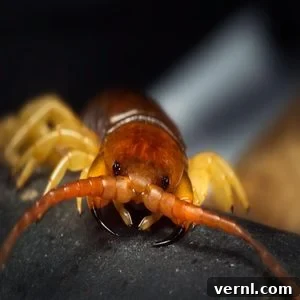
- Venomous Biting (Forcipules): When escape is not an option, centipedes are prepared to fight. They possess a pair of modified front legs called forcipules, which are located just behind their head and act like a pair of powerful fangs. When engaging a foe close to their size, or when feeling severely threatened, centipedes will use these forcipules to inject venom. This venom, while effective in paralyzing prey, typically causes only localized pain, redness, and swelling in humans, similar to a bee sting. Serious reactions are rare, but individuals sensitive to insect stings should exercise caution.
- Defensive Pinching/Stinging Legs: While biting with forcipules is their primary offensive weapon, some centipede species, particularly larger ones, possess a unique secondary defense mechanism. They can use certain legs along their body to “pinch” or even pierce the skin of a predator, potentially delivering an irritant or venom through specialized glands on these legs. This is a rarer capability, but it adds another layer to their defensive arsenal, allowing them to inflict discomfort or deter attackers from multiple points along their body. House centipedes, however, primarily rely on their forcipules for venom delivery.
These combined defense strategies ensure that centipedes are well-equipped to survive in a challenging environment where they are both hunter and hunted.
Where Are You Likely to Find Centipedes?
Centipedes are highly adapted to specific environmental conditions, primarily seeking out locations that offer both moisture and shelter. Understanding their preferred habitats can provide crucial insights into why you might encounter them, both outdoors and eventually indoors.
Outdoor Habitats
In North America and many other regions, centipedes are most commonly found in moist outdoor environments. They are masters of concealment, preferring to hide under protective cover during the day. Ideal outdoor hiding spots include:
- Under stones and rocks: These provide stable, damp, and dark refuges.
- Beneath logs and decaying wood: Rotting wood holds moisture and offers abundant hiding places.
- Leaf litter and mulch: Thick layers of organic debris create a consistently damp microclimate.
- Underneath trash cans or other garden debris: Any object that creates a dark, moist void can attract centipedes.
- Cracks in foundations or retaining walls: These offer cool, damp spaces and potential entry points into homes.
The consistent presence of moisture is critical for centipedes, as their delicate exoskeletons do not prevent water loss effectively, making them susceptible to desiccation in dry conditions.
Indoor Habitats
While centipedes thrive outdoors, it’s not unusual for them to venture indoors, especially when outdoor conditions become too dry or cold, or when seeking prey. When they do enter homes, they gravitate towards environments that mimic their natural, damp preferences:
- Basements and crawl spaces: These areas are typically cooler, darker, and more humid than upper floors.
- Bathrooms: Showers, tubs, and leaky plumbing contribute to high humidity levels.
- Kitchens: Areas under sinks, behind appliances, or near leaky pipes can provide needed moisture.
- Laundry rooms: Washing machines and dryers can create a humid environment.
- Garages: Especially if cluttered and prone to dampness.
- Around drains and floor traps: These areas often retain moisture.
The presence of centipedes indoors is often a tell-tale sign of two things: first, that there are damp, secluded areas within your home; and second, and perhaps more importantly, that there are other insect pests present. Centipedes are predators, and they wouldn’t linger in an environment without a reliable food source. Thus, finding a centipede might actually be an indication that they are performing a natural pest control service for you.
How Do Centipedes Gain Entry into Your Home?
Centipedes are highly opportunistic creatures, constantly searching for suitable environments that offer both shelter and a steady supply of food. Since they are nocturnal, they leave their daytime hiding spots under the cover of darkness to forage. Their attraction to moisture is a primary driver for their indoor excursions, particularly during dry spells or cold weather when outdoor conditions become less hospitable.
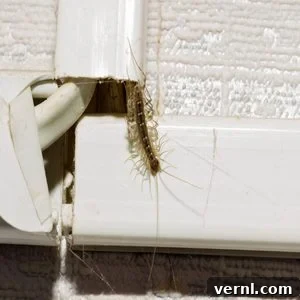
Centipedes can enter a house through a surprising variety of small openings. Common entry points include:
- Cracks and Openings in the Foundation: Even hairline cracks can be sufficient for a centipede to squeeze through.
- Gaps Around Windows and Doors: Poorly sealed frames or worn weatherstripping provide easy access.
- Openings Around Utility Lines: Gaps where pipes, wires, and cables enter the home are common entry points for many pests.
- Unsealed Basement Windows or Vents: Openings that lead directly into damp, dark basements are particularly inviting.
- Gaps Beneath Exterior Doors: Especially those that lack a proper door sweep.
- Through Drains: In rare cases, they can navigate through drain systems if they are not properly sealed or have easy access.
Once inside, centipedes are exceptionally skilled at finding and exploiting hiding spaces. They are naturally attracted to dark, damp, and undisturbed spots, which mimic their natural outdoor habitats. These hospitable indoor environments can include:
- Piles of wet towels or laundry left on the floor.
- Cluttered boxes and storage items in basements or garages.
- Hard-to-reach crawl spaces in the attic or under the house.
- Behind wall voids, under loose floorboards, or beneath appliances.
- In shower stalls or bathtubs, especially if moisture is consistently present.
If your home provides a sufficient number of these damp, secluded environments, coupled with a plentiful food source in the form of other household pests, you can quickly find yourself dealing with a more significant centipede infestation. However, it’s important not to panic, as centipedes are generally benign residents.
Can Centipedes Damage Your House?
The good news is, no, centipedes do not cause structural damage to your home. While their appearance can be alarming, they pose little to no threat to your property or its inhabitants. Unlike termites or carpenter ants, centipedes have no interest in chewing through wood, fabrics, or any other household materials. They are purely hunters, focused on finding food and shelter.
Regarding their danger to people, while centipedes do possess venom and use it to immobilize their prey, they typically reserve their aggressive behavior for creatures they intend to eat. A common house centipede, if startled or trapped, might bite defensively. In most cases, a house centipede bite is comparable to a bee sting – you might feel a slight pinch, followed by mild, localized pain, redness, and swelling. Allergic reactions are rare but possible, as with any insect sting. Outside of this minor discomfort, there is generally nothing to fear from a house centipede; they are not known to transmit diseases, and their venom is not considered medically significant for humans.
Why Are Centipedes in My House? The Sign of a Deeper Issue
If you’ve noticed a significant presence of centipedes in your home, it’s a strong indication that your house is providing something they desperately need: a reliable food source. As we’ve established, centipedes are predators, and they will only establish themselves in an area where their prey is abundant. Therefore, an influx of centipedes can actually be a key diagnostic sign of another, potentially more problematic, infestation.
Centipedes are drawn to places with an ample supply of their favorite meals, which include common household pests like:
- Cockroaches: A frequent target for centipedes, indicating a roach problem.
- Silverfish: Often found in damp, dark areas, silverfish are a staple of the centipede diet.
- Crickets: Especially camel crickets, which also prefer cool, damp environments.
- Spiders: Centipedes are known to prey on spiders, including venomous ones.
- Termites: In some cases, centipedes may feed on termite nymphs if they have access to an infested area.
- Ants: While less common, they may prey on slow-moving ants.
Essentially, centipedes are acting as natural pest control agents within your home. While you might not welcome their presence, their hunting activities are helping to reduce the populations of other, often more destructive or disease-carrying insects. If you notice a significant number of centipedes, it’s advisable to be on the lookout for signs of these other primary pests and consider implementing appropriate treatment strategies to address the root cause – the presence of their food supply.
Effective Strategies for Managing and Removing Centipedes
Managing centipede populations in your home often feels like a game of hide and seek, as they are elusive and don’t leave much of a trail. The most effective approach combines prevention, non-chemical methods, and, if necessary, targeted chemical treatments. Before embarking on any removal efforts, it’s worth remembering their beneficial role as predators, as highlighted earlier.
Prevention is Key
The most sustainable way to deter centipedes is to make your home less inviting to them and their prey:
- Reduce Moisture: Repair leaky pipes, faucets, and drains. Use dehumidifiers in basements, crawl spaces, and damp rooms. Ensure proper ventilation in bathrooms and kitchens.
- Seal Entry Points: Caulk cracks and crevices in your foundation, walls, and around windows and doors. Install door sweeps and repair damaged window screens. This prevents both centipedes and their prey from entering.
- Remove Outdoor Harborage: Clear away leaf litter, woodpiles, stones, and other debris from around your home’s foundation. Trim shrubbery away from the house to allow for better air circulation and reduce dampness.
- Declutter Indoor Spaces: Keep basements, garages, and storage areas tidy. Store items in sealed plastic containers off the floor to eliminate hiding spots.
- Address Other Pest Infestations: Since centipedes are drawn by food, controlling other household pests like cockroaches, silverfish, and crickets will naturally reduce centipede populations.
Non-Chemical Centipede Control Methods
If prevention isn’t enough, or if you encounter a centipede, these methods offer immediate solutions:
- Vacuuming: This is an excellent, chemical-free way to remove centipedes without creating a mess. Simply vacuum them up. Once done, immediately seal the vacuum bag and dispose of it in an outdoor trash receptacle to prevent escape.
- Manual Removal (The Shoe Method): The time-proven, direct approach. If you’re comfortable, a quick stomp with a shoe or a firm hit with a rolled-up newspaper will eliminate the centipede.
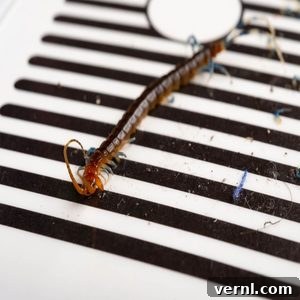
- Sticky Traps: Place sticky traps (like those used for cockroaches or mice) along walls, near known entry points, or in areas where centipedes are frequently spotted. The glue will capture a few pests, including centipedes. Be aware that larger centipedes might escape by sacrificing a few legs, but the trap can still be effective.
Chemical Centipede Control Methods (Use with Caution)
For more persistent problems or larger infestations, chemical solutions can be employed. Always read and follow product instructions carefully and ensure they are kept out of reach of children and pets.
- Insecticide Dusts: These are particularly useful for hard-to-reach areas where liquids shouldn’t be used. Dusts containing active ingredients like deltamethrin, pyrethrin, or boric acid can be highly effective. Apply them into cracks and crevices, wall voids, under cabinets, behind appliances, and around pipes where centipedes hide or enter.
- Insecticide Sprays: If you spot a centipede, a quick shot of an insecticide spray can provide an immediate solution. Sprays containing bifenthrin or cypermethrin are effective for killing centipedes on contact. Use these as a spot treatment, following all safety guidelines regarding ventilation and contact with surfaces.
- Barrier Treatments: For outdoor perimeter control, some liquid insecticides can be applied around the foundation of your home, creating a barrier that deters centipedes and other pests from entering.
When to Call a Professional Exterminator
If you’ve tried various methods and continue to face a persistent centipede problem, or if you’re dealing with a widespread infestation of other pests that are attracting the centipedes, it might be time to call your local exterminator. Professional pest control services can accurately identify the scope of the problem, locate hidden entry points and harborage areas, and apply targeted, effective treatments that might be unavailable to the average homeowner. They can also provide ongoing maintenance plans to ensure long-term pest prevention.
Centipede Pest Control: A Matter of Perspective
Ultimately, the decision of how to handle centipedes in your home often comes down to personal tolerance and perspective. While their appearance can be startling and their speed unnerving, house centipedes are, in many ways, your home’s unsung heroes when it comes to pest control. As diligent predators of common household pests such as spiders, cockroaches, silverfish, crickets, and even termites, they naturally help to keep these other insect populations in check.
So, while the immediate impulse might be to eliminate them, it’s worth pausing to consider their beneficial role. Getting rid of centipedes might provide short-term peace of mind, but it could inadvertently allow populations of other, potentially more destructive or disease-carrying insects to flourish. Therefore, you might want to think twice about whether or not to actively kill every centipede you encounter. Often, addressing the underlying conditions that attract them – reducing moisture and eliminating their food sources – is a more sustainable and effective long-term strategy for a truly balanced and pest-managed home. Understanding, rather than fearing, these multi-legged guests allows you to make informed decisions about coexisting with or managing them.