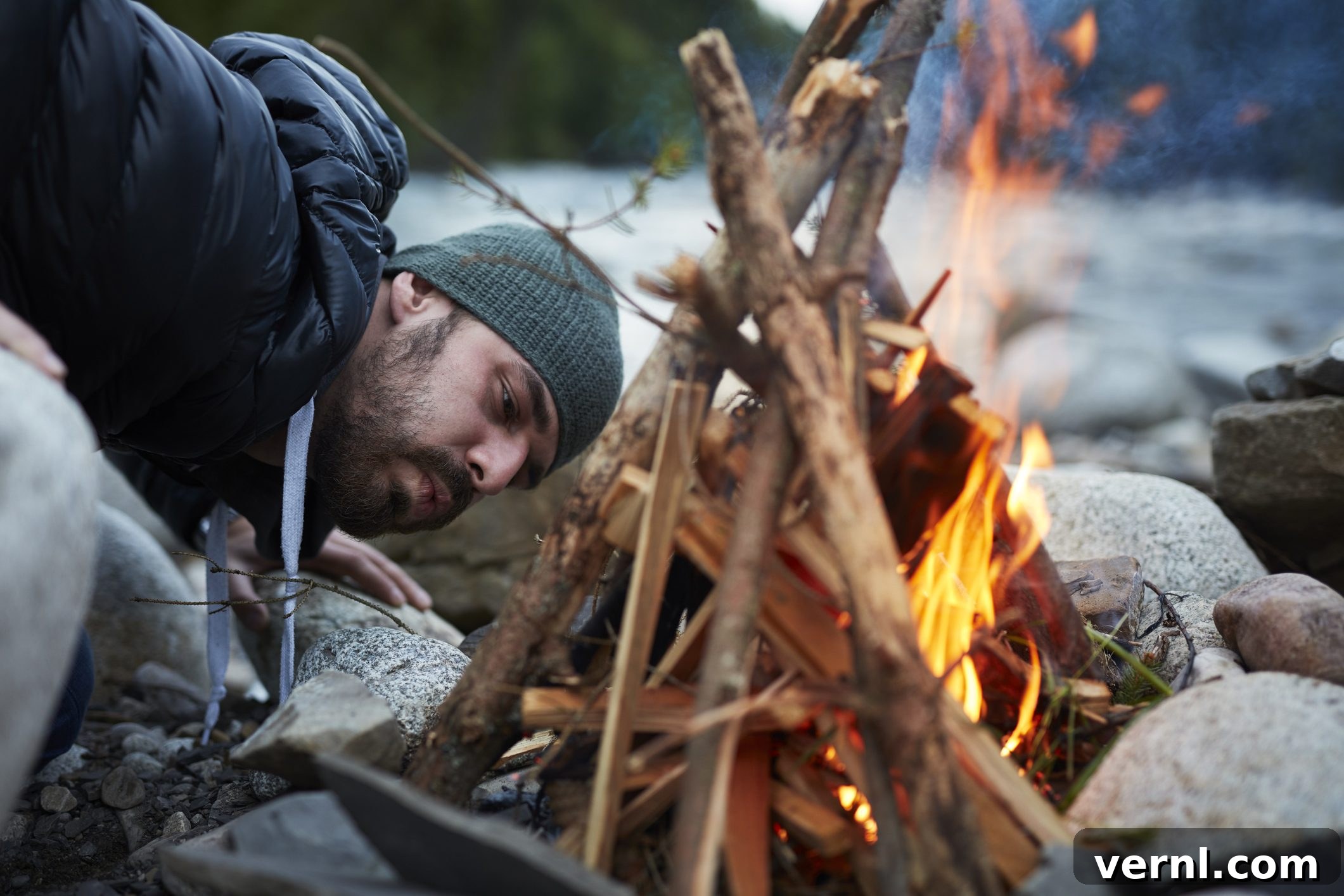
The Ultimate Guide to Foolproof Fire Starters: Ignite Your Campfire Every Time
There’s nothing quite like the comforting glow and crackle of a roaring campfire. It’s the heart of any outdoor adventure, providing warmth, light, a cooking source, and a focal point for stories and laughter. However, the dream of a perfect blaze can quickly turn into a smoky, frustrating ordeal if you’re not prepared. Many outdoor enthusiasts have encountered the common pitfall of relying on readily available, often improperly seasoned firewood from roadside stands or park entry points. This “green” or barely dried wood contains high moisture content, making it incredibly difficult to ignite and prone to producing excessive smoke, forcing you to constantly reposition your camp chairs to escape the stinging fumes.
The secret to a successful, smoke-free fire lies not just in the quality of your firewood, but crucially, in your technique and the effectiveness of your fire starter kit. Mastering the art of fire-starting transforms a challenging chore into a simple, satisfying ritual. This comprehensive guide will explore various fire-starting methods, from common household items to dedicated commercial products, providing insights into their effectiveness, ideal applications, and essential tips for getting your campfire roaring efficiently.
Before diving into specific fire starters, let’s briefly revisit the fundamental principle of building a campfire. A common and highly effective method involves creating a sturdy base. Start by laying two pieces of seasoned firewood parallel to each other. On top of these, place two smaller pieces of wood, perpendicular to the first two, forming a square or “log cabin” structure. This creates a natural air channel crucial for ignition. Within this structure, you’ll place your tinder and kindling – the small, easily ignitable materials that transition the initial spark or flame into a sustainable fire. I typically arrange shredded newspaper, thin wood slivers carved with a hatchet, or small, dry twigs into a loose teepee shape, allowing ample airflow. Underneath this delicate structure, I place my chosen fire starter – the critical element designed to catch quickly and burn long enough to ignite the surrounding tinder and kindling. As the flame establishes itself, I carefully add progressively larger pieces of firewood, ensuring not to smother the burgeoning blaze. Patience and methodical addition of fuel are key to achieving that coveted roaring campfire, a spectacle worthy of admiration (even if it’s only from your own satisfied grin).
So, with the basics covered, what are the best fire starters available? We’ve tested a range of options, evaluating their performance, ease of use, and practicality in various scenarios. Note that all these methods, if successful outdoors, will also work wonderfully to ignite a cozy blaze in your wood-burning fireplace at home.
Exploring Different Fire Starter Methods
Wine Corks: A Surprisingly Effective Repurpose
My initial foray into the wine cork experiment was met with skepticism, especially from my wife, until I explained we could utilize the many corks she had already saved. The concept is straightforward: natural cork, being porous, can absorb flammable liquids, turning into a slow-burning accelerant. I submerged two corks in an empty pill bottle filled with rubbing alcohol for a couple of days. The first attempt with a synthetic cork was a learning experience; it took a while to catch and burned out quickly. The second side, however, ignited almost immediately, burning for several minutes and melting about a third of the cork before extinguishing. This duration proved sufficient to ignite bone-dry wood.
The key takeaway here is the distinction between natural and synthetic corks. Upon cutting into the second cork, its core was still bone-dry, confirming it was synthetic and lacked the necessary absorbency. Natural corks, with their organic, open-cell structure, are essential for this method to work. They effectively soak up the alcohol, creating a sustained flame. For optimal results, consider soaking natural corks for a longer period, perhaps a week, to maximize fuel absorption. This method offers a resourceful way to reuse household items, transforming them into a reliable fire starter.
My rating: 2.5 out of 5 roaring campfires. (I anticipate this score would improve significantly with natural corks and a longer soaking period.)
Dryer Lint: The Ultimate DIY Fire Starter
One of the most highly recommended and incredibly practical fire starters comes from an unexpected source: your laundry room. A former camping buddy introduced me to the ingenious method of stuffing dryer lint into empty toilet paper tubes, then sealing the ends with melted paraffin wax. These homemade dryer lint fire starters are not only exceptionally cheap, utilizing materials you would otherwise discard, but they are also remarkably effective. Dryer lint, being a collection of highly flammable fabric fibers and dust, catches a spark almost instantly and burns with surprising intensity and duration, thanks to the added fuel of the paraffin wax. This DIY solution is eco-friendly, efficient, and consistently delivers a roaring fire. I cannot recommend this method highly enough for its sheer practicality and consistent success.
My rating: 5 out of 5 roaring campfires.
Magnifying Glass: A Survivalist’s Test, Not a Practical Solution
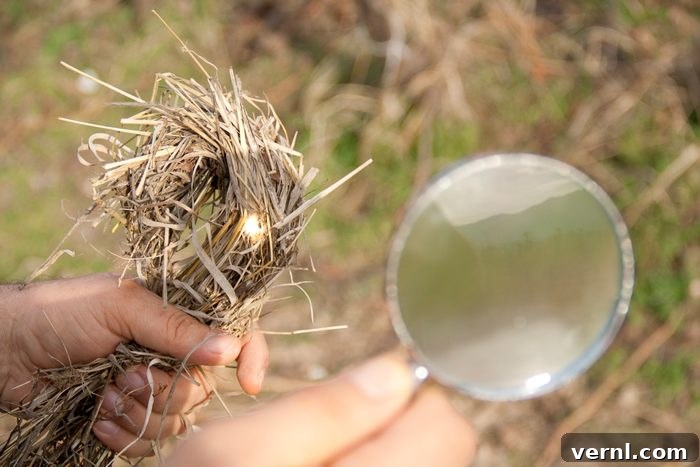
While not a fire starter in the traditional sense, the magnifying glass represents an iconic survival technique, and I felt compelled to test its viability. For my small-scale experiment, I used a bit of paper and tiny shards of cardboard in my driveway. The principle relies on focusing sunlight into an intense, concentrated beam onto a dark, combustible material. After a couple of minutes of careful aiming and holding the lens steady, much to my surprise, the paper began to smoke and smolder. I’m confident that, with continued focus, I could have ignited an actual blaze, but a passing cloud soon obscured the sun, halting the experiment.
Is starting a fire with a magnifying glass possible? Undoubtedly yes, under ideal conditions. Should this be your primary method for starting a campfire? Absolutely not. The method is fraught with practical obstacles: it requires direct, intense sunlight, making it useless on cloudy days, at night, or in heavily shaded areas. It demands immense patience and a steady hand, and even a slight breeze can disrupt the delicate ember. While a valuable skill to possess in a true survival situation, it’s far too unreliable and time-consuming for casual camping.
My rating: 1 out of 5 roaring campfires.
Hand Sanitizer: The Alcohol-Based Accelerant
Les Stroud, famously known as TV’s Survivorman, once showcased hand sanitizer as an emergency fire starter, and I found it to be one of the more effective improvised methods I tried. The science behind its effectiveness is simple: most hand sanitizers contain a significant percentage of alcohol, typically 60% or more, which is highly flammable. When lit, the alcohol burns with a clean, hot flame, providing a reliable ignition source. You could douse your kindling directly with hand sanitizer, and it should work quite well, creating a temporary flare that helps catch the wood. For the best results, however, I found combining it with another absorbent material greatly enhanced its performance, extending the burn time and increasing the likelihood of successful ignition. It’s a handy item to have in your pack, not just for hygiene, but also as a potential fire-starting aid.
My rating: 4 out of 5 roaring campfires.
Tampons/Cotton Balls: Versatile and Highly Absorbent
Plain cotton, whether in the form of cotton balls or the natural fibers of a tampon, possesses excellent wicking properties, making it an ideal candidate for catching a spark or small flame. When lit on its own, cotton will blacken and smolder, sometimes catching a brief flame, but it generally lacks the sustained burn needed to ignite larger kindling. This is where accelerants come into play. The true potential of cotton-based fire starters is unlocked when they are infused with a flammable liquid like rubbing alcohol, hand sanitizer, or even petroleum jelly. The cotton acts as a wick, holding the fuel and allowing it to burn for a longer duration.
Tampons, being more densely packed than cotton balls, benefit from being broken apart. Fraying the tampon fibers creates more surface area and allows for better airflow, both of which are crucial for rapid ignition and a more sustained burn. When soaked, especially in rubbing alcohol or hand sanitizer, these seemingly innocuous items transform into incredibly powerful fire starters, capable of igniting even damp kindling due to the intense, localized heat they produce.
My rating: 1 out of 5 roaring campfires on its own; 5 out of 5 with rubbing alcohol or hand sanitizer.
100-Proof Whiskey: A Disappointing Waste
This particular experiment felt like a genuine loss. In an attempt to leverage alcohol content, I soaked a cotton ball in 100-proof whiskey and placed it within a small pile of sawdust and kindling. Despite my hopes, it simply wouldn’t catch. The alcohol content in 100-proof whiskey (50% by volume) is typically sufficient to burn, but when absorbed by a cotton ball, it didn’t provide enough sustained heat or concentrated flame to ignite the surrounding materials. The experiment served as a stark reminder that not all alcohol-based liquids are created equal for fire starting. While it burns, it lacks the volatility and sustained heat output of higher-proof rubbing alcohol or pure ethanol. Even for the sake of science, wasting good whiskey was a tough pill to swallow, and I’m not sure I’ll ever truly forgive myself for this particular misadventure.
My rating: 0 out of 5 roaring campfires.
Dried Kindling/Tinder: The Unsung Hero of Fire Starting
While not a “fire starter” in the commercial sense, properly prepared dried kindling and tinder are absolutely fundamental to starting any fire successfully, regardless of the ignition method. Kiln-dried firewood and kindling are, without a doubt, the best for most recreational fire situations. Placed in a climate-controlled kiln, the wood undergoes a rapid drying process, with its moisture content plummeting below 20 percent in a matter of days. This low moisture content is critical because water must evaporate before wood can burn, consuming valuable energy that could otherwise be used for combustion. With less residual water trapped inside, kiln-dried kindling catches fire much easier and quicker, often requiring nothing more than a small amount of shredded newspaper or a single match to get it going.
Even if you’re not using kiln-dried wood, sourcing naturally dried, small sticks, bark, or wood shavings is paramount. These materials form the crucial bridge between your initial spark or flame and the larger fuel wood. Investing time in gathering and preparing good, dry tinder and kindling is perhaps the single most important step in guaranteeing a successful fire, making all other fire starters exponentially more effective.
My rating: 4 out of 5 roaring campfires (because its effectiveness depends on a separate ignition source, but it’s essential for success).
Flint and Steel: The Rugged Survivalist’s Choice
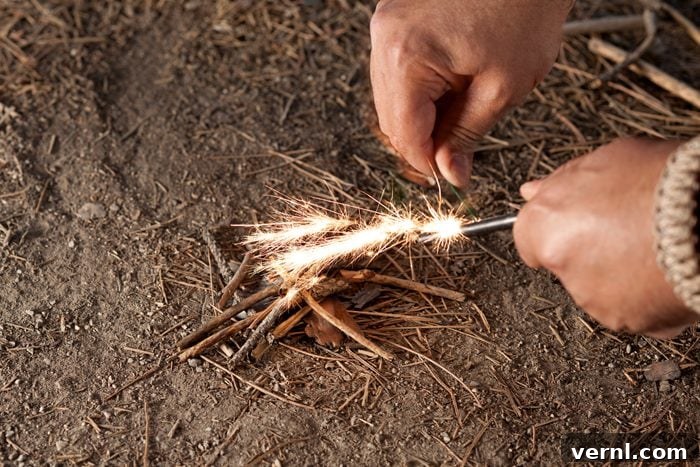
I’ve carried the same emergency flint and steel in my backpack for nearly a decade, a testament to its reliability and longevity. While I’ve used it playfully over the years, I’ve never had to truly rely on it in a dire situation, which speaks volumes about its effectiveness as a backup. The method itself is a time-honored survival technique. It involves using a knife or scraper to shave off thin strips of magnesium from the flint into a small, concentrated pile. Magnesium is highly flammable and burns at an incredibly high temperature. Once you have a sufficient amount of shavings, strike the knife against the other side of the flint to generate a shower of sparks. These sparks, when directed accurately onto the magnesium pile, will ignite it.
This method works remarkably well, even in adverse environments. Magnesium burns at an astonishing temperature of around 5,000°F (2,760°C), which is hot enough to immediately burn away surface moisture, making it effective for lighting fires in damp conditions. A key consideration, however, is wind. The slightest breeze can scatter your carefully accumulated magnesium shavings. To counter this, digging a small hole or creating a windbreak around your kindling is always a wise option, ensuring the precious sparks and initial flame are shielded. Flint and steel is an indispensable tool for anyone venturing into the wilderness, offering a robust and reliable way to start a fire when matches or lighters fail.
My rating: 4 out of 5 roaring campfires.
Newspaper, Magazine Pages, Cardboard: Quick Burn, Limited Sustenance
I must admit my guilt; all too often, I’ve found myself relying on paper and cardboard scrounged from the various corners of my camper van. In past trips, I’d diligently read all my magazines early on, knowing they’d serve a secondary purpose as emergency kindling. While newspaper and magazine pages certainly burn easily and catch quickly, their primary drawback is their rapid combustion – often too quickly to effectively ignite larger kindling or firewood. You find yourself constantly feeding the initial flame, which can be frustrating and inefficient.
Cardboard generally burns longer than thinner paper, providing a slightly more sustained flame. However, using these materials comes with potential downsides. The inks and glues present in newspapers, magazines, and cardboard can release potentially harmful chemicals and unpleasant odors when burned. While a small amount used to start a fire is unlikely to cause significant harm, it’s best not to rely on them for heavy lifting or sustained burning, especially in enclosed spaces or near food. Use newspaper as an initial accelerant to get your dry kindling going, but don’t expect it to carry the fire-starting burden alone.
My rating: 2 out of 5 roaring campfires.
Commercial Fire Starters: Convenience and Reliability
Let me be completely candid: nine times out of ten, my go-to choice for starting a fire is a ready-made commercial fire starter bought from the store. They offer unparalleled convenience, reliability, and ease of use. I typically keep a box stashed safely in my camper van (ensuring they are always kept away from any open flame or heat source, of course). Most of these commercial fire starters, such as those made from compressed sawdust and wax, come in various forms like cubes, sticks, or infused packets. A popular example includes products like these wax and sawdust fire starters, which are designed to burn for an extended period, providing a consistent flame that can effectively ignite even stubborn kindling. They are generally water-resistant, odorless, and incredibly efficient, making them an excellent investment for any camper or homeowner with a fireplace.
The cost-effectiveness is also appealing, with most options costing between 10 and 45 cents per use, making them an affordable luxury that saves time and frustration. For those who prioritize a quick, hassle-free fire every time, commercial fire starters are an unbeatable choice.
My rating: 5 out of 5 roaring campfires.
Potato Chip: The Greasy Last Resort
Let’s be honest: one of the best parts of camping is indulging in delicious (and often junky) food around the campfire. But what if that junk food could also be part of the campfire itself? If you find yourself in a bind, having forgotten all your dedicated fire starters, a potato chip can serve as a surprising, last-ditch ignition source. The magic lies in the oil content. Potato chips, especially the greasier varieties, are saturated with cooking oil, which is a combustible material. When a chip is lit, the oil catches fire and burns, creating a small flame that, with careful fanning and proper placement among fine tinder, can be coaxed into igniting more substantial kindling. It’s certainly not the most efficient or reliable option on this list, and it won’t burn for long, but in a true pinch, it’s a clever survival hack that might just save your campfire from extinction. It’s a testament to ingenuity when resources are scarce.
My rating: 1 out of 5 roaring campfires.
Conclusion: Mastering the Art of Fire Starting
Building a successful, smoke-free campfire is a rewarding experience that enhances any outdoor adventure. As we’ve seen, the key often lies in understanding the principles of combustion and selecting the right tools for the job. From highly effective DIY solutions like dryer lint and paraffin to reliable commercial options, and even resourceful improvised methods, there’s a fire starter for every situation and preference. The importance of properly dried kindling and fuel wood cannot be overstated, as even the best fire starter will struggle with damp materials. Practicing different techniques and having a well-stocked firewood stand or kit ensures you’re always ready to enjoy the warmth and ambiance of a perfectly lit fire. So next time you head outdoors, remember these tips, choose your fire starter wisely, and get ready to soak up the adulation of your fellow campers as you effortlessly ignite that perfect blaze!