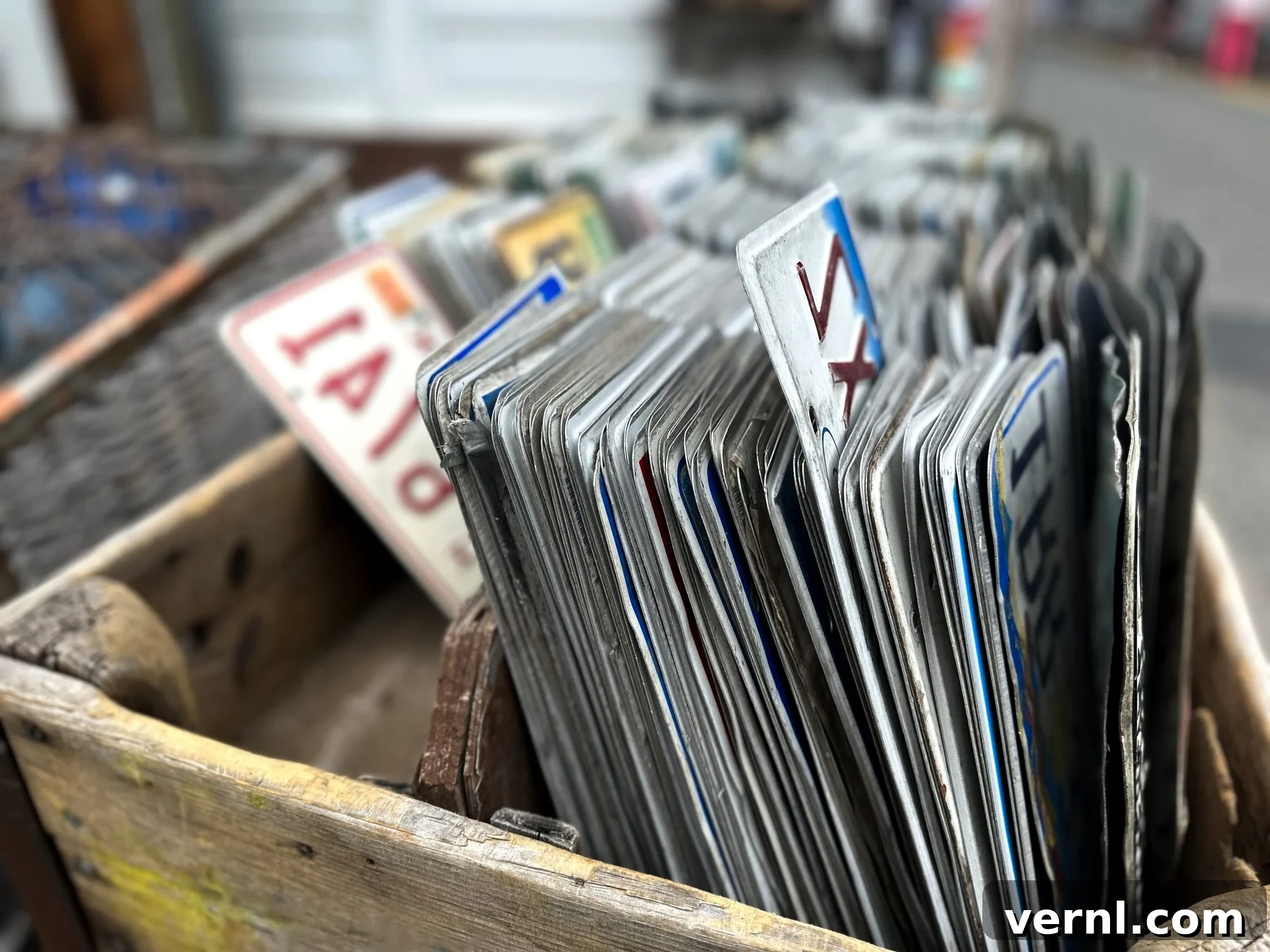
Whether you’re selling a vehicle, relocating to a new state, or simply dealing with expired tags, the question of how to properly dispose of old license plates often arises. While it might seem like a trivial concern, carelessly discarding your license plates can open the door to serious security risks, including identity theft and fraudulent activities. Ensuring your old plates are handled correctly is paramount for your personal security and peace of mind. This comprehensive guide delves into the best practices for license plate disposal, offering expert advice and clear steps to protect yourself from potential threats.
We’ve consulted with automotive and legal experts to bring you the most accurate and up-to-date information on securely disposing of your old license plates. From understanding the dangers of improper disposal to exploring official surrender programs and creative recycling ideas, we cover everything you need to know to prevent your old plates from becoming a liability.
The Hidden Risks of Improper License Plate Disposal
Many people might consider tossing old license plates directly into the trash or recycling bin without a second thought. However, this seemingly innocuous act carries significant risks that could lead to unforeseen legal and financial headaches. Your license plates are not just pieces of metal; they are directly linked to your vehicle, your registration, and ultimately, your identity. When these plates fall into the wrong hands, the consequences can be severe.
Why Your Old Plates Are a Security Liability
The primary concern with improper license plate disposal is the potential for identity theft and fraudulent use. Each license plate is uniquely registered to an individual and a specific vehicle. If a criminal acquires your old plate, they can potentially use it for a variety of illicit activities. This could involve attaching them to a stolen car, using them to evade tolls, or even for more serious crimes. When such activities occur, law enforcement agencies will trace the plate back to the registered owner—you. This can lead to unwanted investigations, legal battles, and the arduous task of proving your innocence, all because of a discarded plate.
Amelia Dalgaard, QBIC at Motorhead Mama, emphasizes this point: “Putting your plates in the trash can expose you to security issues. For example, if the plates were to fall into the wrong hands, they could be used either for identity theft or specifically on another vehicle for illegal activities, which could be traced back to you.” This highlights the direct link between your physical plates and your personal liability, even after you’ve stopped using them.
Potential Legal and Financial Repercussions
Imagine receiving a stack of speeding tickets, parking fines, or toll violations for a car you no longer own or for incidents you weren’t involved in. This is a very real possibility if your old license plates are misused. Ben Michael, an attorney at Michael & Associates, warns, “a person with a stolen car can use your old license plate they found in the trash, and then their actions can trace back to you, like if they run a red light, and nobody wants to deal with that.” The administrative burden of disputing these charges can be immense, requiring extensive documentation, court appearances, and significant time investment.
Beyond minor infractions, the stakes can be even higher. If your plates are used on a vehicle involved in a more serious crime, you could find yourself under intense scrutiny from law enforcement. Clearing your name in such a scenario can be a prolonged and stressful ordeal, damaging your reputation and potentially incurring substantial legal fees. The financial and emotional toll of dealing with these repercussions far outweighs the minimal effort required for proper disposal. Therefore, taking a few extra steps to secure your old plates is not just a recommendation but a vital act of self-protection.
Can You Simply Toss Your License Plates in the Trash?
The short answer to whether you can throw license plates in the trash is often “technically yes” in many jurisdictions, but the emphatic advice from experts is “you absolutely should not.” This distinction is crucial for understanding why proper disposal methods are so strongly recommended.
Understanding the “Technically Allowed” vs. “Strongly Discouraged”
While there might not be explicit laws in every state prohibiting the placement of old license plates in household waste, the risks associated with doing so are universally acknowledged. The lack of a specific ban does not equate to safety or responsibility. Standard trash collection processes often make items easily accessible to scavengers or those with malicious intent. A license plate, lying visibly in a trash can or landfill, is an easy target for someone looking to exploit it. This loophole in regulation is precisely why individuals must exercise caution and choose more secure alternatives.
The implications of this casual disposal method are significant. It’s not just about the plate itself, but the personal data it represents. By making your plates accessible, you are inadvertently providing a link to your former vehicle and, by extension, your identity. This negligence can have far-reaching and undesirable consequences, making the “technically allowed” option a dangerous path to avoid.
The Expert Consensus: A Clear Warning
Both Amelia Dalgaard and Ben Michael are unequivocal in their advice against trashing old plates. Dalgaard’s warning about security issues, identity theft, and illegal activities traceable back to you is a compelling reason to reconsider this method. Michael further reinforces this by highlighting the scenario of stolen cars being equipped with your old plates, leading to violations that fall squarely on your shoulders. These aren’t hypothetical scenarios; they are real-world risks that individuals face when they choose convenience over security.
The consensus among experts is clear: while it might be legally permissible in some areas, throwing your license plates in the trash is an irresponsible and risky practice. It is a decision that prioritizes minimal effort over maximum personal security, and one that can lead to significant inconvenience, financial penalties, and even legal complications down the line. The potential costs associated with improper disposal far outweigh the trivial benefits of simply tossing them out. Therefore, it is imperative to explore and utilize the more secure and responsible methods available for license plate disposal.
The Right Way to Dispose of License Plates: Recommended Methods
Given the significant risks associated with improper disposal, understanding and utilizing the correct methods for getting rid of old license plates is crucial. Thankfully, several secure and responsible options are available, most of which are easily accessible and often encouraged by state authorities.
Option 1: Surrender to Your Local Department of Motor Vehicles (DMV) or Department of Labor (DOL)
The Most Secure Method: Why Surrender is Best
Surrendering your old license plates directly to your state’s Department of Motor Vehicles (DMV) or, in some cases, the Department of Labor (DOL), is widely considered the safest and most reliable disposal method. When you surrender your plates, the agency typically invalidates them immediately and assumes responsibility for their secure destruction or recycling. This process officially severs the link between you, the plate, and the vehicle, providing absolute peace of mind that your plates cannot be misused. Michael states, “One of the best things you can do to get rid of your plates properly is surrender them to the Department Of Labor. They will invalidate them and dispose of them (correctly) for you.” This action protects you from any future liability associated with those plates, as there will be an official record of their surrender.
Navigating State-Specific Requirements for Plate Surrender
It’s important to note that specific requirements for plate surrender can vary significantly from state to state. Some states mandate plate surrender under certain conditions, such as canceling your vehicle’s liability insurance, moving out of state, or selling your car. For example, according to the New York State Department of Motor Vehicles, you are generally not required to return old plates unless you wish to end your vehicle’s liability insurance coverage or register the vehicle in another state. Always check your local DMV’s website or contact them directly to understand their specific protocols, required documentation, and any associated fees or forms. Compliance with these state-specific guidelines ensures your disposal process is both legal and secure.
Option 2: Recycling Through Official Channels
Leveraging DMV Recycling Programs for Aluminum Plates
Modern license plates are predominantly made of aluminum, a highly recyclable material. Many DMVs offer dedicated recycling programs, providing another secure and environmentally friendly option for disposal. Dalgaard notes, “Most states offer recycling options directly at the Department of Motor Vehicles (DMV). Given that modern license plates are made of aluminum, a highly recyclable material, this is a great option.” These programs ensure that the aluminum is repurposed while the plates are handled in a manner that prevents their misuse. This method not only protects your identity but also contributes to environmental sustainability by reducing waste and conserving resources. It’s a win-win solution that many states are actively promoting.
Preparing Plates for Recycling: Essential Security Steps
If you choose to recycle your plates, especially through a curbside program if your local regulations permit (though DMV recycling is always preferred), taking additional security measures is paramount. Even if you’re recycling them officially, it’s wise to deface the plates first. The New York State DMV, for instance, recommends marking each plate with a permanent marker and cutting them into pieces. They even suggest putting these pieces into the recycling bin gradually over several weeks to prevent someone from reassembling the information. This simple act of defacing—whether by bending, cutting, or drilling holes through critical numbers—makes the plate unusable and illegible, adding an extra layer of protection against fraudulent activities before they even enter the recycling stream.
Option 3: Creative Repurposing and DIY Projects
Turning Old Plates into Art: Fun and Functional Ideas
For those who appreciate sentimental value or have a creative flair, repurposing old license plates into DIY crafts can be a fun and eco-conscious option. This approach allows you to transform a discarded item into something unique and personalized. Dalgaard suggests, “There are plenty of fun, crafty projects where you can reuse your plates. Think garage decorations or driveway ornaments — look at Pinterest, car magazines, or do an internet search for inspiration.” Common ideas include creating unique wall art, birdhouses, small storage bins, or even adding a rustic touch to furniture. This method keeps the plates out of the waste stream entirely and allows them to take on a new life.
Prioritizing Security Even When Repurposing
While repurposing is a creative outlet, security remains a critical consideration. Even if you plan to keep the plates yourself for decorative purposes, it is absolutely essential to thoroughly deface them. This means permanently altering the plate numbers, state name, and any other identifying information so that they cannot be read or linked back to your vehicle or identity. Use heavy-duty scissors, tin snips, or a drill to obliterate key characters. The goal is to make the plate aesthetically pleasing for your craft project, but functionally useless as a vehicle identifier. This ensures that even if your craft project is displayed publicly or eventually discarded, the underlying identity information is protected.
Step-by-Step Guide: Ensuring Secure License Plate Disposal
To ensure your license plates are disposed of securely and responsibly, follow this comprehensive step-by-step guide. This process minimizes your risk and maximizes peace of mind.
1. Check Your State’s Regulations
Before doing anything, consult your local Department of Motor Vehicles (DMV) website or contact them directly. State laws vary significantly regarding license plate disposal. Some states mandate surrender under specific circumstances (e.g., selling a car, moving out of state, canceling insurance), while others offer recycling programs. Understanding these specific requirements is the first and most critical step.
2. Remove All Personal Identifiers
Ensure that any stickers, registration tags, or other temporary identifiers are removed from the plate. While the plate number is the primary concern, these smaller items could potentially carry information that might be misused.
3. Deface the Plates Thoroughly
This step is crucial, regardless of your chosen disposal method (other than direct surrender to the DMV). Using sturdy scissors, tin snips, or a heavy-duty drill, cut or drill through the numbers and letters on the plate. Make sure the state name is also obscured or cut. The goal is to render the plate unreadable and unusable as a vehicle identifier. If you’re going to recycle them at home, consider cutting them into several smaller pieces and disposing of them over multiple trash collections, as recommended by some DMVs, to prevent reassembly.
4. Choose Your Disposal Method
Based on your state’s regulations and your personal preference for security and environmental responsibility, choose one of the recommended methods:
-
Surrender to DMV/DOL: This is generally the safest option. Bring your defaced plates to your local DMV or Department of Labor office. They will officially invalidate and dispose of them.
-
DMV Recycling Program: If your DMV offers a recycling program, this is an excellent choice. Ensure plates are defaced before dropping them off.
-
Creative Repurposing: If you plan to use them for crafts, ensure they are permanently defaced before displaying or storing them.
5. Obtain Proof of Disposal
If you surrender your plates to the DMV or DOL, always ask for a receipt or proof of surrender. This official documentation serves as critical evidence that you have legally and properly relinquished responsibility for those plates, providing an invaluable record should any issues arise in the future.
Understanding Different Disposal Scenarios
The need to dispose of license plates can arise in various situations, each with its own set of considerations and specific steps you might need to take. Understanding these nuances is key to ensuring proper and secure disposal.
When Your Plates Expire
When your vehicle’s registration expires, and you choose not to renew it, or if you’re getting new personalized plates, you’ll be left with expired plates. In many states, you are not explicitly required to surrender expired plates if you are simply replacing them with new ones for the same vehicle. However, it is always best practice to deface them and then either recycle them through a DMV program or securely dispose of them as outlined above. If the vehicle itself is no longer in use, or if you are not getting new plates, refer to your state’s specific guidelines on surrendering expired plates to avoid any ongoing liability or registration fees.
Selling Your Vehicle
Selling a vehicle is one of the most common reasons for needing to dispose of license plates. The protocol here is critical: never let the buyer drive away with your old plates still on the car. In most states, license plates belong to the owner, not the vehicle. You are responsible for removing your plates and then following your state’s disposal or transfer procedures. Some states require you to surrender the plates to the DMV, especially if you are not transferring them to another vehicle. Others allow you to keep them if you intend to transfer them to a newly acquired vehicle. Always check your DMV’s specific rules for selling a vehicle, as incorrect handling of plates can lead to issues with title transfer or continued liability.
Canceling Registration or Moving Out of State
If you decide to cancel your vehicle’s registration entirely (e.g., you’re putting it into storage, it’s no longer operable, or you’re canceling insurance), or if you’re moving to a different state, plate surrender is often mandatory. Canceling registration usually means you are discontinuing insurance, and many states require plate surrender to officially cease your responsibility for the vehicle and its insurance requirements. When moving to another state, you will obtain new plates in your new home state. Your old state’s DMV will almost certainly require the return or certified destruction of your previous state’s plates to ensure proper closure of your registration records there. Always get proof of surrender when canceling registration or moving out of state.
Dealing with Damaged or Unusable Plates
Occasionally, license plates can become damaged, defaced, or simply unusable due to wear and tear. If your plates are no longer readable or legally compliant, you will need to replace them. The old, damaged plates should then be disposed of properly. Treat damaged plates with the same security precautions as expired or replaced plates: deface them thoroughly and then surrender them to the DMV or utilize an official recycling program. Even damaged plates contain identifying information that could potentially be misused if not securely discarded.
Frequently Asked Questions About License Plate Disposal
Navigating the rules for license plate disposal can sometimes raise specific questions. Here are answers to some common inquiries:
Q: What if my state doesn’t have a specific recycling program at the DMV?
A: If your DMV doesn’t explicitly offer a plate recycling program, the most secure option remains to surrender your plates directly to them. They will handle the proper invalidation and disposal. Alternatively, after thoroughly defacing your plates (cutting them into multiple pieces, destroying numbers/letters), you might be able to place the pieces in your regular curbside recycling bin. However, always prioritize surrendering to the DMV if possible, as it provides an official record and guaranteed security. Check with your local waste management facility for their specific guidelines on metal recycling.
Q: Can I keep my old plates as a souvenir or for decoration?
A: Yes, you can generally keep old plates as souvenirs or for creative DIY projects, but with a critical caveat: they must be permanently defaced first. Before hanging them in your garage or incorporating them into artwork, ensure all identifying numbers, letters, and the state name are unreadable and unusable as official vehicle identification. This protects you from any potential misuse while still allowing you to enjoy their nostalgic or aesthetic value. Many states encourage this as a form of recycling, as long as the plates are no longer functional identifiers.
Q: What should I do if I find an old license plate?
A: If you come across a discarded license plate, it’s best not to ignore it. The safest course of action is to take it to your local DMV or police department. Do not simply throw it in the trash yourself, as this continues the cycle of improper disposal and potential misuse. By turning it over to authorities, you ensure it is handled securely and responsibly, preventing it from falling into the wrong hands and potentially causing problems for its original owner.
About The Experts
-
Amelia Dalgaard, QBIC at Motorhead Mama.
-
Ben Michael, an attorney at Michael & Associates
Sources
- New York State – Department of Motor Vehicles: Surrender (Return or Turn-in) Your Vehicle Plates and Registration
Related
- Do You Know What That Little Button on Your Seat Belt Is For?
- What Those Lines on Your Backup Camera Really Tell You
- Here’s What The Small Panel On Your Car’s Front Bumper Is For