
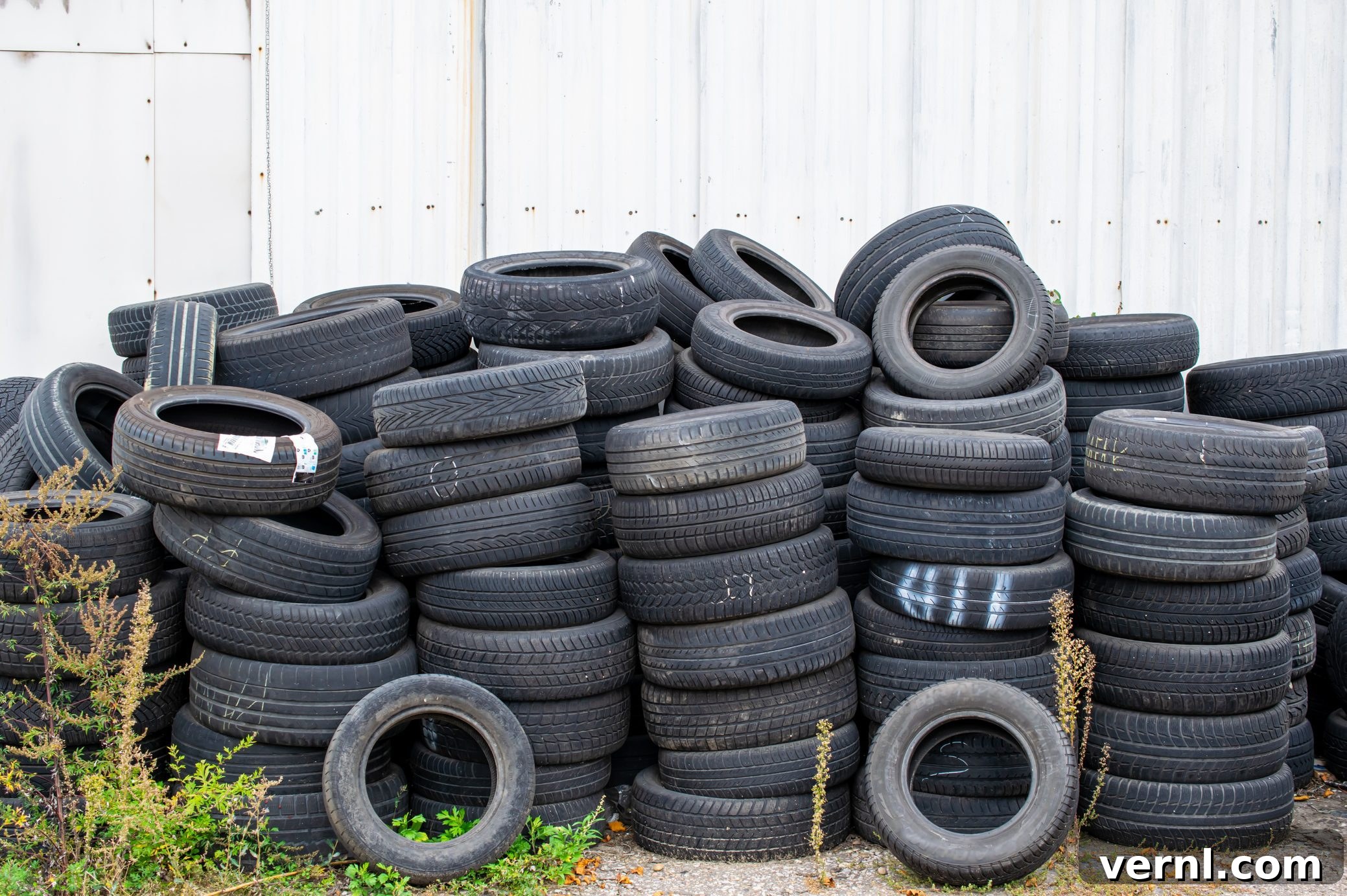
For many garden enthusiasts and environmental advocates, the initial thought of upcycling old, discarded tires into charming, rustic garden planters can seem like an ideal marriage of creative expression and genuine sustainability. The vision of transforming waste into beauty, extending the lifecycle of a discarded item, and contributing positively to the environment is undeniably appealing.
When this concept first crossed my path several decades ago, it appeared to be a stroke of brilliance on the surface. It promised an inexpensive, straightforward, and impactful way to give new purpose to items that would otherwise contribute to overflowing landfills. I was prepared to gather, meticulously clean, paint, and plant as many old tires as I could possibly acquire. However, a deeper dive into research and scientific literature quickly led me to a profound change of heart, revealing a concerning reality beneath the seemingly green façade of tire planters.
The Hidden Dangers of Tire Planters: Unmasking the Green Disguise
The widespread idea of using old tires as garden planters is undoubtedly born from commendable intentions. It offers a seemingly elegant and simple solution to the ever-growing global waste problem, providing an alternative use for discarded tires that often pose a significant disposal challenge. Yet, what many well-meaning individuals and enthusiastic gardeners don’t realize is that tires, by their very nature and manufacturing, are fundamentally not designed for prolonged use in gardening environments or, frankly, any form of sustained exposure to the elements and biological systems found in a garden.
The issue lies in the complex and often hazardous chemical composition of modern tires. Far from being inert rubber, tires are engineered from a sophisticated mixture of natural and synthetic rubbers, including polymers like styrene-butadiene rubber (SBR) and polybutadiene rubber (BR). These provide the necessary durability, elasticity, and resistance for road use. The manufacturing process, known as vulcanization, is crucial for strengthening the rubber. This process involves heating the rubber with sulfur, which forms cross-links between polymer chains, vastly improving the material’s mechanical properties. However, alongside sulfur and carbon black – a petroleum-derived filler that enhances wear resistance and UV protection – tires also incorporate a cocktail of other additives. These can include various processing oils, antioxidants, anti-ozonants, and, most concerningly, potentially hazardous compounds such as heavy metals (e.g., zinc, cadmium, lead, chromium) and a group of chemicals known as polycyclic aromatic hydrocarbons (PAHs).
Over time, especially when exposed to fluctuating temperatures, sunlight, rain, and the microbial activity inherent in soil, these complex compounds do not remain safely locked within the tire structure. Instead, they begin to degrade and leach out of the rubber material. This leaching process releases these harmful substances directly into the surrounding soil. Once in the soil, they pose a significant, often silent, risk to plant health, soil microbiology, and the broader ecosystem. Furthermore, tires are known to release volatile organic compounds (VOCs) into the air. These airborne chemicals can contribute to a variety of significant health problems, impacting both gardeners and nearby residents.
Unpacking the Silent Threats: Detailed Problems with Tire Planters
Beyond the surface-level concern, tire planters introduce several nuanced and serious risks that every gardener should be acutely aware of before considering or continuing their use.
Compromised Soil and Plant Health
The degradation of tires in a garden environment directly impacts the fundamental building blocks of plant life: the soil. As harmful compounds like heavy metals and PAHs leach from the tire rubber, they can drastically alter the nutrient balance and chemical composition of the soil. This contamination can disrupt the delicate ecosystem of beneficial microorganisms that are vital for soil fertility and plant nutrient uptake. Plants, in turn, may absorb these toxic substances through their roots, leading to a cascade of negative effects. This absorption can inhibit essential physiological processes, stunt growth, reduce yields, and in severe cases, even lead to the death of the plants. For instance, heavy metals can interfere with enzyme functions and photosynthesis, while certain PAHs have been shown to be phytotoxic, meaning they are directly harmful to plant tissues. This makes any produce grown in such contaminated soil potentially unsafe for consumption, undermining the very purpose of a food garden.
Significant Human Health Risks
The chemical makeup of tires and the mechanisms by which these chemicals are released as the tire degrades pose direct and indirect dangers to human health. Direct exposure to volatile organic compounds (VOCs) emitted from tires, particularly during warmer weather or when tires are cut and handled, can lead to a range of health issues. These can include immediate symptoms like skin irritation, eye and respiratory tract irritation, headaches, and nausea. More alarmingly, prolonged or high-level exposure to certain VOCs is linked to more serious health complications, including breathing problems, central nervous system damage, and an increased risk of various cancers.
A comprehensive study conducted by the California Integrated Waste Management Board (CIWMB, now CalRecycle) on products derived from recycled tires, particularly those intended for outdoor use like playground surfaces or landscaping mulch, frequently identified them as “super VOC-emitters.” This highlights the significant potential for continuous release of these harmful airborne compounds. The most concerning aspect for gardeners, however, is the potential for consuming plants that have absorbed heavy metals or PAHs from the contaminated soil within tire planters. Accumulation of these substances in edible crops like fruits, vegetables, and herbs can lead to chronic health problems in humans. Prolonged exposure to heavy metals has been unequivocally linked to a spectrum of severe conditions, including kidney (renal) problems, liver damage, neurological disorders, developmental issues in children, and various forms of cancer. Similarly, PAHs are known carcinogens and mutagens. Research highlighted by the Centers for Disease Control and Prevention (CDC) and the Agency for Toxic Substances and Disease Registry (ATSDR) indicates that exposure to certain PAHs in animals has led to increased incidences of stomach, lung, liver, bladder, and skin cancers, as well as sarcomas. This underscores the grave risks associated with ingesting produce grown in proximity to degrading tires, making the seemingly sustainable act a genuine health hazard.
Widespread Environmental Impact
Beyond localized soil contamination, the degradation of tires contributes significantly to the global crisis of microplastic pollution. The constant abrasion from weather, foot traffic, and the natural expansion and contraction of the material causes tiny particles of tire rubber – essentially microplastics – to break off. These microscopic fragments, along with the various chemical contaminants embedded within them, are easily washed away by rain and irrigation water. They then journey through the soil, into stormwater drains, and ultimately make their way into rivers, lakes, and eventually our oceans. Here, they contribute to the alarming and ever-growing problem of plastic pollution, threatening marine ecosystems and entering the food chain, impacting everything from plankton to fish and potentially back to humans.
The concern over this issue is so substantial that the release of tire-derived microplastics and the associated contaminants has led to significant regulatory responses in certain regions. For instance, in parts of the European Union, both reclaimed rubber and rubber crumb materials are banned from use in artificial sports field surfaces. This legislative action highlights the serious recognition by environmental authorities of the widespread ecological damage and health risks posed by these materials, even in applications far removed from food gardening. The scale of tire microplastic pollution is immense; tires are a leading source of microplastics in our environment, a fact often overlooked but critical for understanding their environmental footprint.
What To Do if You Currently Have Tire Planters
If you’re reading this and realize you’re already using tires as planters in your garden, it’s important not to panic. While the risks outlined are very real and scientifically substantiated, the adverse effects are often relatively slow-acting and cumulative rather than immediate. However, recognizing these dangers makes it a critical priority to transition away from tire planters for the long-term health of your garden and, more importantly, your family.
When the time comes to remove and dispose of your old tire planters, it’s crucial to do so responsibly to avoid simply shifting the problem elsewhere. Under no circumstances should tires be burned, as this releases an extremely toxic cocktail of chemicals and heavy metals into the air, creating severe air pollution and health hazards. Similarly, they should not be indiscriminately dumped in a regular landfill, as they will continue to leach harmful substances into the ground over decades. Instead, actively seek out a local recycling center or waste management facility that specifically accepts old tires. These facilities are equipped with the proper infrastructure and processes to recycle tires responsibly, often shredding them for use in road construction, playground surfaces, or other industrial applications where their chemical composition can be better managed or contained, thereby minimizing their environmental impact. A quick search online for “tire recycling near me” or contacting your local municipal waste department should provide you with the necessary information for safe and ethical disposal.
Sustainable and Safe Alternatives to Tire Planters
Thankfully, the desire for an affordable and environmentally conscious garden doesn’t have to lead you down the path of tire planters. There are a plethora of readily available, aesthetically pleasing, and genuinely eco-friendly alternatives that can enrich your garden without compromising health or the environment.
Natural Wooden Planters
Wooden planters are a classic, versatile, and highly sustainable choice. They naturally blend into any garden aesthetic, offering a rustic charm or a modern clean look depending on the design. Wood is a renewable resource, and wooden planters provide excellent insulation for plant roots against temperature extremes. If you are planning to grow edible fruits and vegetables, it is absolutely essential to use untreated wood or naturally rot-resistant species like cedar, redwood, or locust. Avoid pressure-treated lumber, as it often contains chemicals like chromated copper arsenate (CCA) or other pesticides that can leach into the soil and your food. For non-edible plants, treated wood might offer greater longevity, but untreated wood is always the safest for food production. You can also line wooden planters with a food-grade pond liner or heavy-duty plastic sheeting (with drainage holes) to create a barrier between the wood and the soil, further extending the planter’s life and protecting plants.
Classic Terracotta Pots
These timeless planters, made from natural fired clay, are an excellent and environmentally friendly option. Terracotta is highly porous, which allows for superior air circulation to the plant roots and helps prevent overwatering by wicking away excess moisture. This natural breathability is incredibly beneficial for plant health, particularly for herbs and many types of vegetables. While they can be heavier and more prone to breakage than plastic, their natural earthy tones and ability to age gracefully make them a beautiful addition to any garden. They are also widely available and come in an immense variety of shapes and sizes, fitting every gardening need from small herbs to large shrubs.
Creative Repurposed Containers
Embracing the true spirit of upcycling, just about any large, clean container can be creatively transformed into a functional and unique planter. This approach offers a fantastic opportunity to reduce waste and add personality to your garden. Consider old galvanized metal tubs, sturdy wooden barrels (ensure they haven’t held toxic chemicals), discarded laundry baskets lined with burlap, large tin cans (check for lead paint), or even unused kitchen pots and colanders. The key is to ensure proper drainage by drilling or punching several holes in the bottom if none exist. For metal containers, consider lining them with plastic to prevent rust from affecting the soil. This method is incredibly cost-effective and allows for endless creative possibilities, giving a new lease on life to items that would otherwise be discarded.
Eco-Friendly Compostable Planters
For starting seeds or nurturing young plants, compostable planters are a truly ingenious and sustainable solution. Today, you can find these planters made from a variety of natural materials such as coir (coconut fiber), peat, recycled paper, or even composted cow manure. These planters eliminate the need for transplanting shock, as seedlings and young plants can be directly planted into the ground, pot and all. Once planted, the compostable material slowly breaks down, enriching the soil with organic matter and nutrients, making them a dual-purpose asset for your garden. They are particularly popular for delicate seedlings that don’t tolerate root disturbance.
The Art of Hugelkultur
Hugelkultur, a German term meaning “hill culture” or “mound culture,” is a fantastic and highly sustainable gardening technique that requires no raised bed edging or manufactured containers whatsoever. Instead, it involves building a raised bed from decaying wood and other organic materials, which then provides a long-term, self-sufficient growing environment. The process begins by piling up large pieces of untreated wood (logs, branches, twigs) – making sure the wood has not been treated with chemicals. This woody base is then covered with layers of compost, leaves, grass clippings, straw, and other organic debris. Finally, a layer of soil is placed on top. Beneath the surface, the organic matter slowly breaks down over years, sometimes even decades. This decomposition process generates a gentle heat, which can extend the growing season, particularly in cooler climates. More importantly, it acts as a giant sponge, retaining water exceptionally well and reducing the need for frequent irrigation. As the wood and organic materials break down, they release a constant and steady supply of nutrients into the soil, creating an incredibly fertile and low-maintenance growing environment. Hugelkultur beds mimic natural forest ecosystems, fostering robust plant growth and significantly enhancing soil health.
By making informed choices and opting for truly sustainable and safe gardening practices, we can cultivate vibrant, healthy gardens that not only nourish us but also protect the environment for generations to come. The goal is genuine sustainability, not merely a superficial imitation.