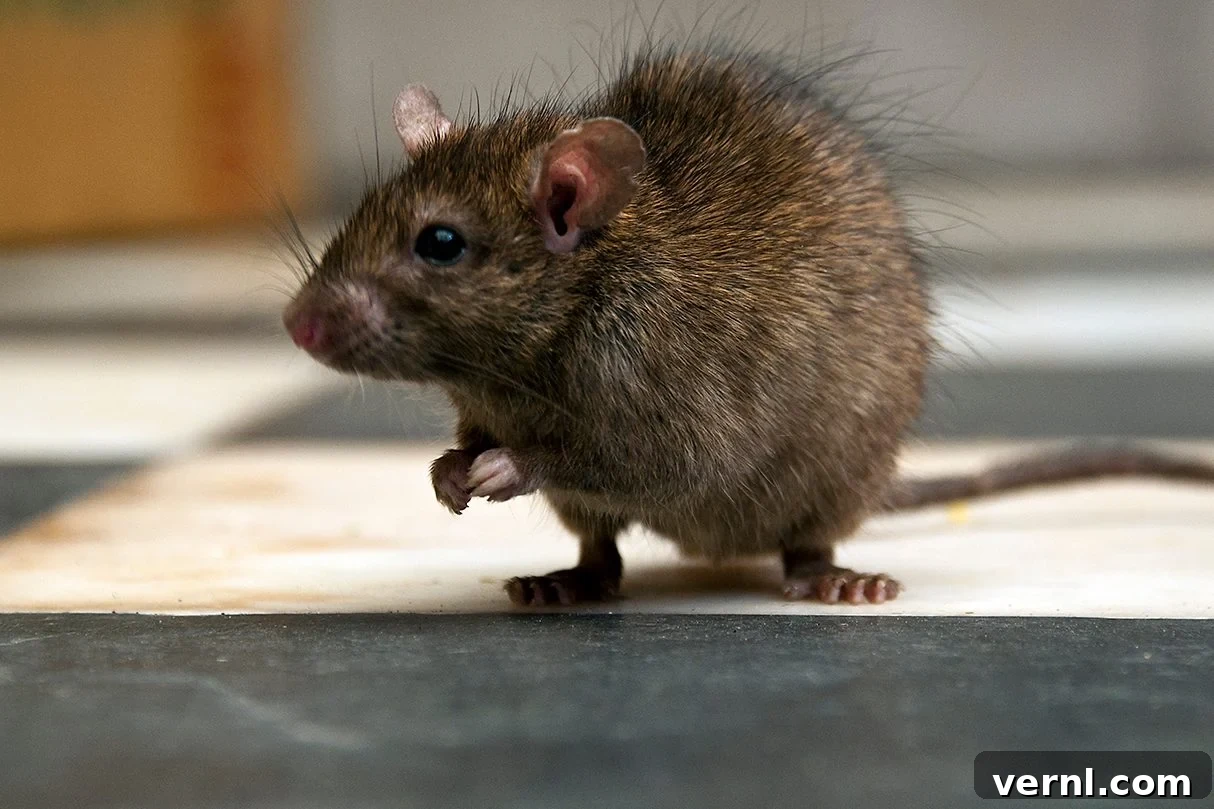
Effective Rodent Control: Safeguarding Your Home from Unwanted Guests
Mice, rats, and other rodents are undeniably unwelcome residents in any household, unless, of course, they are cherished pets. Their presence can pose significant threats, ranging from structural damage to the transmission of serious diseases. These stealthy invaders are notorious for chewing through electrical wiring, contaminating food supplies in your pantry, and creating unsanitary conditions that jeopardize your family’s health and safety. Understanding the full scope of the dangers they present is the first step toward effective pest management.
Ideally, the most effective approach to dealing with rodents is to prevent them from entering your home in the first place. Proactive measures, such as sealing potential entry points and maintaining a clean environment, are crucial for long-term protection. However, if you’re reading this, chances are these persistent pests have already breached your defenses. Do not despair; a comprehensive strategy can help you reclaim your space. This guide outlines five proven methods to effectively remove rodents from your home and implement lasting preventative measures.
Understanding Your Unwanted Guests: Where Rodents Hide and Thrive
Rats and mice are incredibly adaptable creatures, capable of finding refuge and sustenance in nearly any part of a home. Their natural instincts drive them towards areas offering food, water, and shelter. Common hiding spots include basements, attics, kitchens, garages, and even within wall cavities. These pests are highly opportunistic, establishing their nests in secluded, undisturbed locations close to their primary resources.
Common Hiding Spots and Signs of Infestation:
- Kitchens and Pantries: Rodents are primarily attracted to kitchens due to the abundant food sources. They will hide in cabinets, behind appliances (refrigerators, stoves, dishwashers), under sinks, and in pantry shelves where food is stored. Look for droppings, gnaw marks on food packaging, or disturbed food items.
- Basements and Crawl Spaces: These often neglected areas provide ample clutter, moisture, and secluded spaces for nesting. Rodents can hide in stacks of boxes, behind stored items, or within insulation. Musky odors, visible droppings, and scratching noises in the walls or ceiling are common indicators.
- Attics: Attics offer warmth, insulation for nesting, and a lack of human disturbance, making them ideal hideouts, especially during colder months. Rodents can be found burrowing in insulation, gnawing on wooden beams, or even electrical wires. Distinctive scratching, scurrying sounds, especially at night, are tell-tale signs.
- Garages and Sheds: Often used for storage, garages can become havens for rodents seeking shelter from the elements. Piles of boxes, stored vehicles, and garden equipment offer perfect hiding spots. Check for nests built from shredded materials, droppings, and gnaw marks on stored items.
- Wall Voids and Ceilings: Rodents frequently travel within the hidden spaces of your home’s structure. Sounds of movement within walls or above ceilings are strong indicators of their presence. They use these pathways to move between different rooms and access food sources discreetly.
Understanding these preferred habitats and recognizing the early signs of an infestation is crucial for timely and effective intervention. The quicker you identify and address the problem, the easier it will be to eradicate these persistent pests.
Comprehensive Strategies for Effective Rodent Removal
Discovering rodents in your home is undoubtedly unsettling, but thankfully, there are several highly effective strategies you can employ to discourage these whiskered invaders from infiltrating your living space. A multi-pronged approach that combines trapping, exclusion, and sanitation is often the most successful way to achieve a rodent-free environment. Remember that patience and persistence are key when dealing with these resilient pests.
While focusing on rats and mice, it’s also worth noting that similar principles apply to other small pests. For instance, you can learn how to get rid of chipmunks using some of these techniques as well.
1. Strategic Trapping: The Humane and Effective Approach
For centuries, humans have sought better ways to manage rodent populations. The adage, often attributed to Ralph Waldo Emerson, “build a better mousetrap, and the world will beat a path to your door,” highlights the enduring challenge rodents have posed. With the advent of the Industrial Revolution, inventors indeed developed a variety of rat traps, each with varying degrees of effectiveness and humaneness.
When it comes to indoor rodent control, exterminators often lean towards traditional methods. Wesley Wheeler, an experienced exterminator with Bug Lord Pest Control, strongly advocates for snap traps. He states, “I prefer traditional snap traps as they’re the cheapest, and usually a pretty humane way to kill a rodent.” A traditional, spring-loaded mousetrap is designed to kill mice instantly, providing a quick and effective solution. This contrasts sharply with glue traps, which ensnare rodents by sticking them to a surface while alive, leading to a slow, agonizing death – a method widely considered inhumane and often discouraged by animal welfare organizations.
Tips for Effective Trapping:
- Placement is Key: Rodents rarely venture into open spaces. Place traps along walls, in dark corners, behind appliances, and inside cabinets where you’ve noticed signs of activity (droppings, gnaw marks). These are their natural runways.
- Bait Smart: While cheese is a common trope, rodents are often more attracted to high-protein, high-fat foods. Peanut butter is an excellent choice due to its strong scent and sticky consistency, making it difficult for rodents to remove without triggering the trap. Other effective baits include nuts, seeds, chocolate, or even a small piece of hot dog. Experiment with different baits in your traps until you find what works best for your specific pests.
- Regular Monitoring: Check your traps daily. This is crucial for humane disposal and to reset traps promptly. Remove any caught rodents wearing gloves, double-bag them, and dispose of them in an outdoor trash receptacle.
- Persistence Pays Off: As Wheeler advises, “once you have [rodents]…keep trapping until they’re gone.” Rodents reproduce quickly, so a consistent trapping effort is essential. Move traps around periodically if you stop catching rodents in a particular spot, as their activity patterns might shift.
- Safety First: If you have children or pets, place traps in areas inaccessible to them, such as inside secured bait stations or behind locked cabinets.
2. The Perils of Poison: Why Experts Advise Against It
While rodenticides (rat poison) are readily available, their use, particularly indoors, comes with severe risks and is generally not recommended by pest management professionals for household infestations. This warning is especially critical if you have small children or pets in the house, as rat poison is incredibly dangerous to humans and other animals. Accidental ingestion by a curious child or pet can lead to serious illness or even death.
Beyond the immediate danger, rodenticides don’t offer a quick solution. They typically work by causing internal bleeding or other slow-acting effects, meaning the rodent may wander off to die in an inaccessible location within your home. Zachary Smith, of Smith’s Pest Management near San Francisco, strongly recommends “using traps indoors rather than poison so that the animal bodies can be removed before they decompose and emit an awful smell.”
The Unseen Dangers of Rodent Poison:
- Horrific Odors: A decomposing rodent corpse can produce a putrid, unbearable smell that can permeate your entire home for weeks or even months. Locating and removing the source of this smell often requires extensive and costly demolition, such as cutting into baseboards, walls, or even ceilings.
- Secondary Poisoning: If a poisoned rodent is consumed by a predator (like an owl, hawk, or even a neighborhood cat or dog), that animal can also become sick or die from secondary poisoning. This creates a ripple effect in the local ecosystem.
- Environmental Impact: Improper disposal or outdoor use of rodenticides can harm non-target wildlife and contaminate soil and water sources.
- Ineffectiveness: Rodents can develop resistance to certain poisons over time, rendering them less effective. Moreover, sick rodents may become trap-shy, making them even harder to eliminate.
Given these significant drawbacks, trapping remains the superior and safer method for indoor rodent control, allowing for immediate and humane disposal of pests without the hazardous consequences of poisons.
3. Fortifying Your Home: Sealing Entry Points
One of the most crucial rodent facts is their relentless drive to find food, water, and shelter. As temperatures drop in autumn and winter, their instinct to seek warmth intensifies, leading them to search for any available access point into your home. If you’ve diligently worked to trap and remove existing pests, your efforts will be in vain if your house still offers open invitations for new invaders.
Mice, with their skulls roughly the size of a dime, can squeeze through incredibly tiny gaps – as small as a quarter-inch (about 6mm). Rats require a slightly larger opening, but still only about half an inch (12mm). This means even the smallest cracks or crevices can serve as superhighways for rodents. To establish effective, long-term pest control, you must meticulously inspect your entire home, from the roofline to the foundation, and seal off any gaps you find.
Key Areas to Inspect and Seal:
- Foundation and Exterior Walls: Look for cracks in the concrete, gaps around pipes entering the house (water, gas, electrical lines), and holes where wires or cables penetrate the exterior. Use cement, mortar, or silicone caulk for these repairs.
- Doors and Windows: Ensure all exterior doors have tight-fitting weatherstripping and door sweeps at the bottom. Check window screens for tears and repair them promptly. Install mesh guards over dryer vents and other exterior vents.
- Roof and Attic: Inspect for damaged or missing shingles, gaps around chimney flashing, and unsecured soffit vents. Ensure chimney caps are intact. Trim tree branches that overhang your roof, as these can serve as bridges for rodents.
- Utility Openings: Pay special attention to areas where utilities enter your home, such as around HVAC lines, plumbing pipes, and electrical conduits. Use steel wool (which rodents cannot chew through) packed tightly into gaps, then seal over with caulk or expanding foam (ensure foam is rodent-proof or protected by steel wool, as some rodents can chew through standard foam).
- Garage Doors: These are common entry points. Ensure the rubber seal at the bottom of the garage door is intact and makes full contact with the ground when closed.
This “rodent-proofing” process is a vital preventative measure that significantly reduces the likelihood of future infestations. It’s an investment of time and effort that pays dividends in peace of mind and protection.
4. Eliminating Food and Water Sources: The Foundation of Rodent Control
Rodents are perpetually hungry and always seeking their next meal. An open pizza box left on the counter overnight, a bowl of pet food left out, or even crumbs under the table can be an irresistible invitation for these opportunistic scavengers. While a cold slice of pizza might be a fantastic breakfast for you, it’s an even greater feast for a rodent.
Removing accessible food and water sources is arguably the most critical step in deterring rodents. Without easy access to sustenance, they are far more likely to abandon your home in favor of greener (or more food-filled) pastures in the neighborhood. This strategy works by making your home an unappealing place to live, forcing them to move on.
Effective Food and Water Management:
- Secure Food Storage: Transfer all dry goods, including cereals, grains, pasta, pet food, and even sugar and flour, into sturdy, airtight containers made of glass, metal, or thick plastic. Rodents haven’t yet figured out how to open a fridge, so utilize it for perishable items. Store sealable containers in pantries and cabinets that are clean and regularly checked.
- Cleanliness is Paramount: Wipe down kitchen counters and tabletops thoroughly after every meal. Sweep or vacuum floors regularly to remove crumbs and food debris. Wash dishes immediately or place them in a sealed dishwasher.
- Manage Pet Food: Do not leave pet food bowls out overnight. Store pet food in rodent-proof containers, preferably in an area inaccessible to pests, like a securely latched bin in a utility room.
- Outdoor Food Sources: Secure outdoor garbage cans with tight-fitting lids. Avoid leaving pet food or birdseed outdoors overnight. Consider compost bins that are rodent-proof if you compost.
- Eliminate Water Sources: Rodents need water to survive. Fix leaky pipes and dripping faucets promptly. Ensure there’s no standing water under sinks or in basements. Empty pet water bowls overnight or keep them in an area that can be easily monitored.
By making your home a food and water desert for rodents, you effectively cut off their essential lifelines, making your property far less attractive for an infestation.
5. The Feline Advantage: Harnessing Natural Predators
Beyond being delightful companions and models for countless cute Instagram photos, a cat can serve as a surprisingly effective, natural deterrent against rodents. Many rodents, though not all, possess a keen sense of smell and will often steer clear of a house where they can detect the scent of a feline predator. Furthermore, some cats are natural “mousers,” possessing an innate hunting instinct that drives them to stalk, hunt, and kill mice and occasionally rats when they find them.
However, it’s important to approach this method with realistic expectations, as cats are not a guaranteed, foolproof solution. Rats, being larger and often craftier in choosing their hiding spots, tend to be more adept at evading cats. Moreover, not all cats are equally skilled or motivated hunters. Many house cats, especially those that are well-fed and pampered, may lose much of their primitive hunting instinct. Their motivation to chase down a mouse might be more about play than pest control.
From personal experience, it’s clear that individual cat personalities vary widely. In a household with three cats, for instance, only the youngest might prove to be a truly dedicated and successful mouser. Thankfully, if a cat does catch a rodent, they often leave their “trophies” in visible locations, such as the middle of the kitchen floor, rather than hiding them in inaccessible places. This visibility, while perhaps a bit gruesome, at least confirms their effectiveness and prevents the unpleasant surprise of a hidden, decomposing carcass. It’s crucial to emphasize that we are absolutely not suggesting starving your cat to make them a better hunter; a well-fed cat is a healthy and happy cat, and any hunting instinct that remains is a bonus.
Considerations for Cat-Based Rodent Control:
- Scent Deterrent: Even a cat that isn’t a prodigious hunter can still deter rodents simply by its presence and scent.
- Not a Sole Solution: While beneficial, relying solely on a cat for rodent control is often insufficient for an active infestation. It works best as a supplementary deterrent.
- Responsible Pet Ownership: If you consider getting a cat, ensure you are prepared for the responsibilities of pet ownership, including food, veterinary care, and companionship.
- Potential Risks: Cats can bring fleas or other parasites into the home from hunting. There’s also a risk of injury to the cat from a larger or cornered rodent.
Maintaining a Rodent-Free Home: Vigilance and Long-Term Prevention
Successfully removing rodents from your home is a significant achievement, but the work doesn’t end there. True rodent control involves ongoing vigilance and a commitment to long-term prevention. Rodents are persistent, and without continuous effort, your home can quickly become vulnerable to re-infestation.
By consistently applying the strategies outlined above—strategic trapping, avoiding poisons, diligently sealing entry points, meticulously managing food and water sources, and leveraging the natural deterrents like cats—you create an environment that is hostile to rodents. Regularly inspect your home for new cracks or gaps, maintain cleanliness, and be proactive in addressing any potential issues before they escalate. Education is also powerful; next, make sure to check out these rat myths that you need to stop believing to ensure your strategies are based on fact, not fiction.
Remember, a rodent-free home is a healthier, safer, and more peaceful home for your entire family. Stay diligent, stay proactive, and enjoy the comfort of a space free from these unwanted guests.