
Comprehensive Wildfire Smoke Safety Guide: Protecting Your Health
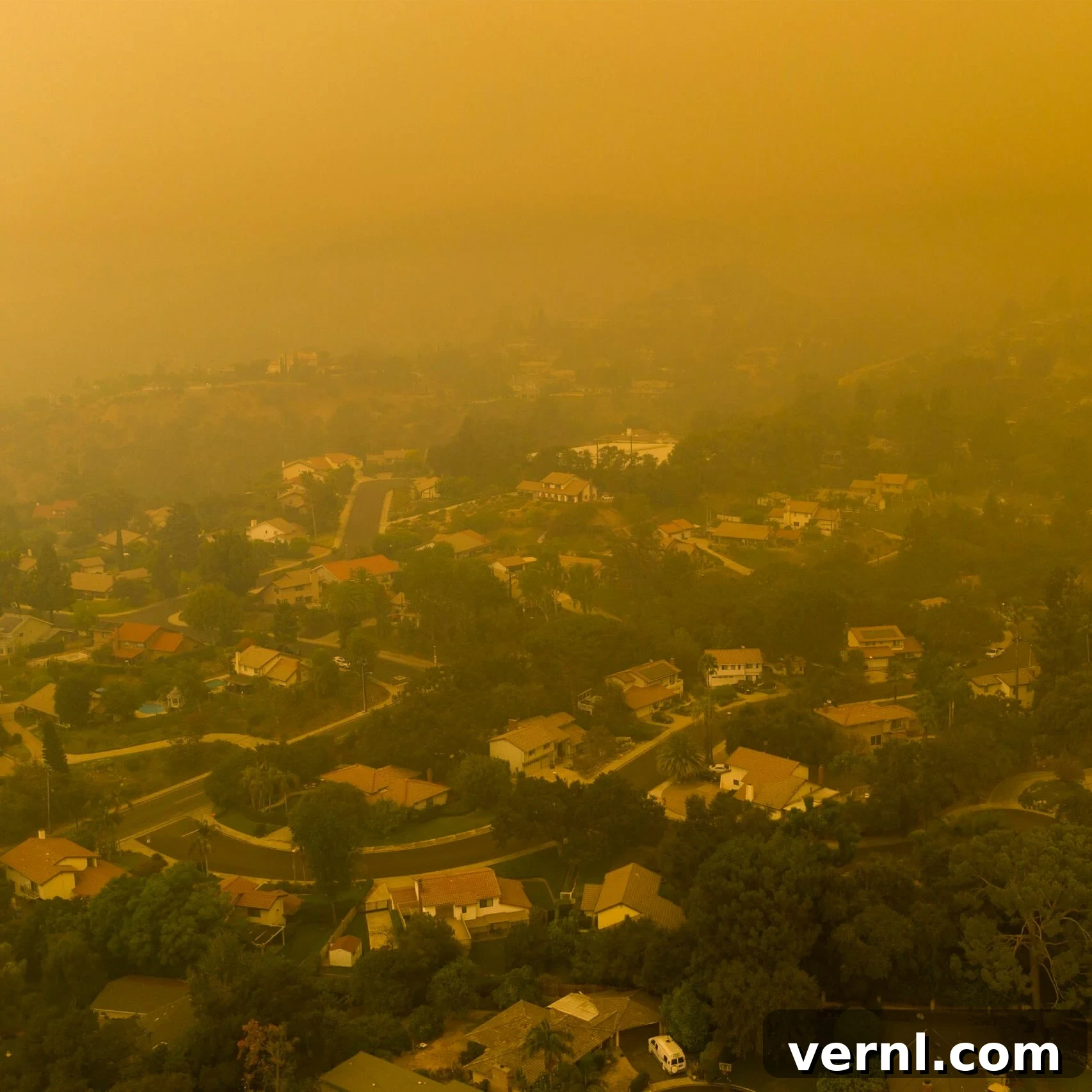
Wildfires, like those devastating events witnessed across California and other regions, unleash an immediate fury that can level communities and reshape landscapes in mere hours. Yet, the danger doesn’t dissipate with the last ember. A more insidious threat often lingers long after the flames are extinguished: wildfire smoke. This airborne hazard is incredibly dangerous to inhale, posing significant health risks even when the sky appears clear. The tiny particulate matter in smoke can travel hundreds, even thousands, of miles, impacting air quality far from the fire’s origin and making vigilance absolutely essential.
To help navigate these challenging conditions and safeguard public health, we sought expert advice from Amy Masi, a dedicated Public Affairs Officer for both the U.S. Forest Service and the Kern River Ranger District. Masi shares crucial insights and actionable strategies to practice comprehensive wildfire smoke safety, ensuring you and your loved ones are prepared for the unpredictable nature of fire season.
Prepare Ahead of Time: Your First Line of Defense
Masi’s fundamental advice underscores a critical truth: effective wildfire preparedness begins long before the first wisp of smoke appears. Proactive planning is paramount to protecting your family, home, and health. Having a robust strategy in place can significantly reduce stress and improve safety during an emergency.
Assemble a Comprehensive Emergency Kit
An emergency kit, often referred to as a “go-bag” or “72-hour kit,” is not merely a suggestion; it’s an absolute necessity. This kit should be meticulously assembled and stored in a location that is easily accessible and portable, allowing for a swift departure if evacuation becomes necessary. At a minimum, your kit should contain the following critical items:
- Prescription Medications: Ensure you have at least a 7-day supply of all essential prescription medications for every family member, including pets. Keep a written list of dosages and medication names.
- Important Documents: Store copies of vital documents in a waterproof, fireproof bag. This includes identification (driver’s licenses, passports), birth certificates, marriage licenses, insurance policies (home, auto, health), financial records, and deeds or titles to property. Consider digitizing these documents and storing them on an encrypted USB drive or secure cloud service as well.
- Go-Bag Essentials: Pack non-perishable food items, bottled water (one gallon per person per day for at least three days), a first-aid kit, a battery-powered or hand-crank radio, extra batteries, a whistle to signal for help, a flashlight, dust masks, moist towelettes, garbage bags, and plastic ties for personal sanitation.
- Communication Tools: Include charged power banks and phone chargers for all your devices. Consider a solar-powered charger for extended outages.
- Prescription Information and Doctor’s Contact Details: Having this information readily available can be life-saving if you need medical attention away from home.
Beyond the bare necessities, if space permits, consider adding items with significant sentimental value. Masi suggests creative solutions for safeguarding cherished memories. Many people now photograph their treasured photo albums with their phones or scan physical photos, then download all digital images onto a designated USB drive. This small, easily portable device can slip into a pocket, preserving priceless memories without adding bulk to your emergency kit. Alternatively, consider using secure cloud storage services for digital backups.
Stay Informed Through Official Channels
Once your emergency kit is prepped and ready, your next crucial step is to stay connected to reliable information sources. Masi strongly advises against relying on social media rumors or unofficial reports. Official sources are consistently the best, offering the most accurate, up-to-date, and critical information regarding fire progression, evacuation orders, and air quality advisories. Here are key resources to monitor:
- AirNow.gov: This comprehensive platform provides real-time air quality data and forecasts, specifically focusing on wildfire smoke impacts.
- Genasys Protect: An advanced platform delivering official agency information directly to your phone, ensuring you receive timely alerts and updates.
- Local Emergency Management Websites: Bookmark your county’s emergency services or fire department website.
- Reverse 911 Notifications: Sign up for your area’s reverse 911 or emergency alert system. These systems automatically notify residents via phone call, text, or email during emergencies, providing critical instructions for evacuation or sheltering in place.
Always, without exception, follow official instructions promptly and precisely. If you are advised or ordered to evacuate, you must leave immediately. Delaying departure can endanger yourself, your family, and the first responders trying to keep you safe.
Monitor Air Quality Regularly: The Invisible Threat
Beyond tracking fire warnings and evacuation orders, maintaining constant vigilance over air quality reports is essential. Unlike visible flames, smoke pollution can be invisible yet profoundly dangerous. These reports serve as your guide, dictating the level of precautions you need to implement to protect yourself and your family from harmful particulate matter.
Make Air Quality Checks a Daily Habit
Integrate air quality monitoring into your daily routine, especially during fire season. While wildfires are inherently unpredictable, planned events like prescribed burns, which are crucial for forest management, are often announced ahead of time. These burns can temporarily impact local air quality, making it important to be aware. Masi recommends checking your local health department’s website for these specific updates, as they often provide detailed local advisories.
Familiarize yourself with the National Weather Service and AirNow.gov for their Air Quality Index (AQI). The AQI is a color-coded system that ranges from “Good” (green) to “Hazardous” (maroon), indicating different levels of air pollution and associated health risks. Understanding what each category means and what actions are recommended for each level can empower you to make informed decisions about outdoor activities and protective measures.
- Good (Green): Air quality is satisfactory, and air pollution poses little or no risk.
- Moderate (Yellow): Air quality is acceptable; however, for some pollutants there may be a moderate health concern for a very small number of people who are unusually sensitive to air pollution.
- Unhealthy for Sensitive Groups (Orange): Members of sensitive groups may experience health effects. The general public is not likely to be affected. Sensitive groups include people with lung disease (such as asthma), heart disease, older adults, and children.
- Unhealthy (Red): Everyone may begin to experience health effects; members of sensitive groups may experience more serious health effects.
- Very Unhealthy (Purple): Health warnings of emergency conditions. The entire population is more likely to be affected.
- Hazardous (Maroon): Health alert: everyone may experience more serious health effects.
Stay Inside and Create a Safe Indoor Environment
When air quality is compromised, or there is visible smoke in the air, Masi’s unequivocal warning is to stay indoors as much as possible. This directive applies to everyone, but it is especially crucial for vulnerable populations including young children, the elderly, pregnant individuals, and anyone with pre-existing respiratory or cardiovascular conditions such as asthma, COPD, heart disease, or diabetes. Even if a strong wind seems to be clearing the smoke, exercise extreme caution; wind patterns can shift rapidly, bringing hazardous conditions back without warning.
Protecting Your Household – Including Pets
Wildfire smoke safety extends beyond human occupants. Your beloved animals also need protection. Pets should be kept indoors, and their water dishes should be changed at least once, preferably twice, daily to ensure they have access to fresh, clean water. For livestock owners, proactive planning is essential. Research and identify animal evacuation centers or safe havens located outside of smoke-impacted zones. Have a plan for their transport, ensuring you have necessary supplies like feed, water troughs, and veterinary records ready.
Sealing Your Home Against Smoke Intrusion
In addition to staying inside, it is critical to seal your home as effectively as possible against smoke intrusion. This means keeping all doors and windows tightly closed. Furthermore, close any exterior vents, such as those for attic fans, dryer vents, or pet doors, that might draw in outside air. Use towels or blankets to block gaps under doors that lead to the outside.
During warm weather, rely on your air conditioning unit instead of evaporative coolers, which unfortunately pull air directly from the outside. Ensure your air conditioner is set to “recirculate” the air rather than drawing in fresh air from outside. Regularly check and clean your HVAC system’s filters, or better yet, upgrade to high-efficiency particulate air (HEPA) filters or those with a MERV (Minimum Efficiency Reporting Value) rating of 13 or higher. These specialized filters are designed to capture smaller particles, including the fine particulate matter found in wildfire smoke, significantly improving indoor air quality.
Leverage Air Purifiers for Enhanced Protection
Air purifiers are an indispensable component of your wildfire smoke safety arsenal, offering an additional layer of protection by actively removing airborne contaminants. Investing in high-quality air purifiers equipped with HEPA filters is highly recommended. These devices can significantly clean indoor air, safeguarding your lungs from the dangerous particulate matter (PM2.5) that characterizes wildfire smoke.
Once acquired, ensure you use them regularly, especially in the rooms where you spend the most time, such as bedrooms and living areas. Proper placement and sizing are key: ensure the purifier’s CADR (Clean Air Delivery Rate) matches your room size for optimal effectiveness. Crucially, keep up with routine cleaning and maintenance, which includes regularly checking and replacing filters according to the manufacturer’s guidelines. Clogged filters lose their effectiveness and can strain the unit.
Masi emphasizes the importance of making the air purifier’s job easier. To maximize its efficiency and prevent adding to indoor air pollution, refrain from activities that generate particulate matter indoors. This includes:
- Lighting fireplaces or wood-burning stoves: These are major sources of indoor smoke and particulates.
- Burning candles or incense: Even scented candles release fine particles into the air.
- Smoking indoors: This is detrimental to indoor air quality regardless of external conditions.
- Using gas stoves or ovens unnecessarily: Ensure good ventilation if unavoidable.
- Vacuuming without a HEPA filter: Traditional vacuums can stir up settled particulate matter, worsening air quality.
By minimizing these indoor pollutants, you allow your air purifier to focus its efforts on filtering external smoke that may have infiltrated your home, thereby providing a cleaner, safer breathing environment.
Masks: A Critical Last Resort for Outdoor Exposure
Masi’s final, yet vital, piece of advice centers on the proper use of masks. While staying indoors is the primary defense, there may be unavoidable circumstances that require you to leave your home. In such cases, wearing the correct type of mask is absolutely essential for protecting your respiratory system.
The Right Mask for Smoke Protection
Not all masks are created equal when it comes to filtering wildfire smoke. Only N95 or P100 respirators provide adequate protection against the fine particulate matter (PM2.5) present in smoke. These specialized masks are designed to filter out at least 95% (N95) or 100% (P100) of airborne particles 0.3 microns or larger. This is critical because the most harmful components of wildfire smoke are these tiny, invisible particles that can penetrate deep into the lungs.
- N95 Respirators: These masks are widely available and effectively filter out 95% of airborne particles.
- P100 Respirators: Offering even higher protection, P100 masks filter at least 99.97% of airborne particles.
Crucially, surgical masks, cloth masks, or bandanas offer little to no protection against wildfire smoke particles. They are designed for different purposes and lack the filtration capabilities needed to block PM2.5.
Ensuring a Proper Fit
The effectiveness of an N95 or P100 respirator hinges on a proper fit. The mask must create a tight seal around your nose and mouth to prevent unfiltered air from leaking in. If air can leak around the edges of the mask, its protective capability is severely diminished. Many masks come with adjustable nose clips and elastic straps to help achieve a good seal. If you have facial hair, it can interfere with the seal, reducing the mask’s effectiveness.
Limitations and Precautions
It is vital to understand that wearing an N95 or P100 mask is not an excuse to engage in non-essential outdoor activities or to prolong your time outside. These masks provide protection for necessary excursions but do not eliminate all risks. Do not exercise outside or perform strenuous yard work when smoke levels are high, even with a mask on. Physical exertion increases your breathing rate, potentially drawing in more pollutants and straining your cardiovascular system, especially when breathing through a filter.
Individuals with pre-existing heart or lung conditions should consult their doctor before using an N95 respirator, as the increased effort required for breathing through the filter can exacerbate certain health issues.
Accessing Masks
If you don’t have N95 or P100 masks on hand, inquire about local mask blocs or community distribution programs in your area. Many communities, especially those frequently impacted by wildfires, organize efforts to supply free masks to residents during periods of poor air quality. Check with local health departments, community centers, or emergency services for information on distribution points.
By understanding the multifaceted dangers of wildfire smoke and implementing these expert-recommended safety measures, you can significantly mitigate risks and protect your health during fire season. Preparedness, vigilance, and adherence to official guidance are your strongest allies in navigating this environmental challenge.
About the Expert
Amy Masi currently serves as the Acting Public Affairs Officer and Partnership Coordinator for the Kern River Ranger District, in addition to her role as a Public Affairs Officer for the U.S. Forest Service. Her extensive experience provides invaluable insight into public safety and emergency preparedness.