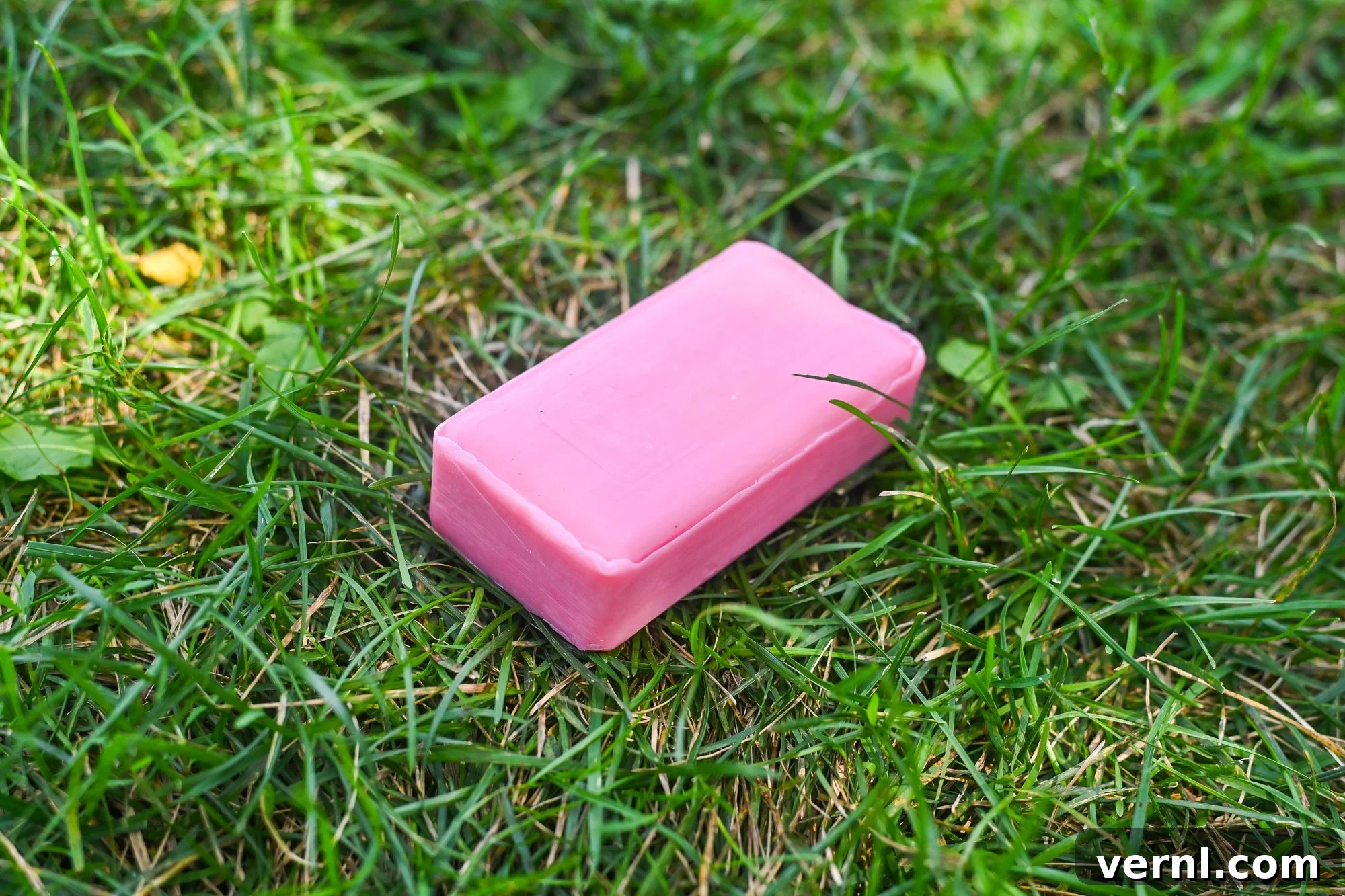
A beautifully maintained outdoor space is a cherished part of home life for many. Whether you boast a compact, easy-to-manage yard or an expansive lawn and patio area perfect for hosting gatherings, the unwelcome intrusion of insects or wildlife is a common nuisance. In our quest for an enjoyable outdoor living experience, most of us prioritize solutions that steer clear of harsh chemicals, ensuring the safety of family members and beloved pets who revel in these spaces during warmer months.
There’s a myriad of strategies one can employ to minimize pest invasions in outdoor areas. However, seasoned experts often highlight a crucial truth: no single method is entirely foolproof, nor is there a universal, one-size-fits-all technique. Among the many DIY remedies popular with homeowners, a frequently attempted trick involves scattering soap around the yard to discourage bugs and animals. This practice raises an important question for many: does it actually work?
Below, we delve into the effectiveness of using scattered soap in your yard as a method to repel various bugs and animals, examining its potential benefits, limitations, and safety considerations for your plants, pets, and family.
Understanding the Effects of Scattering Soap in the Yard
The concept of using soap as a repellent stems from its inherent properties, particularly its scent. Dr. Daniel Kiefer, PhD, an entomologist and technical director at American Pest, explains, “Soaps, in general, can work as repellents. The scent of soap, especially when combined with other human-related smells like hair clippings, can effectively deter deer, as they associate these odors with human presence and potential danger.”
However, it’s vital to temper expectations regarding the longevity of this method. Dr. Kiefer quickly points out the significant drawback: “Their usage as repellents is limited since they will be washed away with the next rain and the high humidity during the summer months.” This inherent impermanence is a critical factor to consider when evaluating soap’s utility as a pest deterrent.
Can Scattering Soap Repel Bugs Effectively?
Bars of soap, or even soap shavings, can indeed offer a temporary reprieve from certain types of insects. The robust scent emitted by many soaps is often off-putting to bugs, providing a brief deterrent effect. This temporary fix, however, is precisely that—temporary. The fragrant compounds responsible for the repellent effect are volatile and quickly dissipate, particularly under the influence of summer heat and frequent rainfall. As the soap dissolves or its scent fades, its efficacy diminishes rapidly, often leaving your yard vulnerable to re-infestation within a short period.
For more targeted insect issues, such as aphids or mealybugs on plants, a diluted soap solution applied as a contact spray can be more effective than scattered soap. This method utilizes soap’s surfactant properties, which disrupt the waxy coating on soft-bodied insects, leading to dehydration and eventual demise. However, even this approach does not offer residual protection and requires direct application to be effective, necessitating repeated treatments for ongoing pest problems.
Can Scattering Soap Repel Animals Effectively?
Gardeners often experiment with highly fragrant soaps, strategically scattering them or hanging them around their yards, hoping to deter animals equipped with a keen sense of smell. Common tactics include suspending bars of soap in mesh bags from tree branches or placing them along garden perimeters. The aim is to create an olfactory barrier that keeps creatures like mice, voles, rabbits, and deer from encroaching upon the property and damaging valuable plants or crops.
While the initial strong aroma of a potent soap, such as Irish Spring Soap (a widely favored choice among DIY enthusiasts), might indeed send some animals scurrying, this method invariably proves to be a temporary deterrent rather than a sustainable, long-term solution. Animals, especially those accustomed to foraging in residential areas, are remarkably adaptable. Pamela J. Bennett, an associate professor and state master gardener program director at Ohio State University, cautions against relying solely on this approach: “While Irish Spring may keep an animal away for a short period of time, once they get used to it and realize that it won’t hurt them, they come back.” This adaptability means that the novelty of the scent wears off, and the animals quickly learn that the soap poses no actual threat, resuming their destructive behaviors.
Moreover, the effectiveness can vary greatly depending on the animal, its hunger levels, and the availability of alternative food sources. A very hungry deer, for instance, might tolerate a mild soap scent if a particularly appealing plant is nearby. For consistent animal deterrence, more robust and dedicated strategies are typically required.
Potential Impact: Will Scattering Soap Harm My Yard or Garden?
Fortunately, when used appropriately, scattering bar soap in your garden is generally considered safe and is unlikely to cause lasting harm to your plants or soil. The slow dissolution of solid soap into the soil means that any chemicals are introduced in very low, diluted concentrations, which are usually insufficient to negatively impact plant health.
Dr. Kiefer offers valuable insights into where soaps can actually be beneficial, particularly as surfactants. He explains, “Soaps can be used quite well as surfactants. They are most effective in the form of a mild soap solution, preferably using liquid dish soap as a base, applied as a contact spray on small insects like aphids and mealybugs.” Surfactants reduce the surface tension of water, allowing the solution to spread more effectively and penetrate the protective waxy layers of these soft-bodied pests. This method smothers the insects, leading to their demise without leaving harmful chemical residues.
It’s important to note the limitations: “It does not have a residual effect and does not harm pollinators if they are not directly sprayed at.” This means the soap solution only affects pests it directly contacts and quickly breaks down, posing minimal long-term risk to beneficial insects once it dries. However, caution is paramount; applying concentrated soap directly to plant foliage can cause phytotoxicity (plant damage), leading to leaf burn or discoloration. Always dilute soap properly and test on a small, inconspicuous area of the plant first. While soap solutions offer a temporary fix for specific insect problems, they are not a permanent solution to an invading insect population and require diligent reapplication.
Safety Concerns: Is Scattering Soap in the Yard Safe for Pets?
For pet owners, safety is a top priority. Generally, scattering bar soap in the yard is considered safe for pets, but prudence is essential, particularly if you have animals prone to ingesting non-food items. While bar soap is not classified as highly toxic to dogs or other pets, its chemical composition can certainly lead to gastrointestinal upset if consumed.
Should a pet ingest soap, common symptoms can include diarrhea, vomiting, excessive drooling, or stomach discomfort. The unpleasant taste and potential for nausea usually deter pets from eating large quantities, but even small amounts can cause temporary distress. To minimize risks, consider placing soap in areas inaccessible to curious pets or opting for less appealing scents. Always supervise your pets when they are outdoors, especially if new elements have been introduced to the yard. If you suspect your pet has eaten a significant amount of soap or is exhibiting severe symptoms, contact your veterinarian immediately for advice. Any product used for yard maintenance and upkeep must be evaluated for its potential impact on our pets’ access to and safety within outdoor spaces.
Safety Concerns: Is Scattering Soap in the Yard Safe for Humans?
From a human safety perspective, scattering soap in outdoor areas of your yard is generally deemed safe. The primary interaction humans would have with scattered soap would be through incidental skin contact or exposure to its scent.
However, there are a few considerations. Individuals with sensitive skin might experience mild irritation from prolonged or direct contact with certain soap ingredients, especially those containing strong perfumes or dyes. Similarly, some people may find strong soap scents bothersome or even trigger allergic reactions, such as headaches or respiratory irritation, particularly if they are sensitive to fragrances. While soap products are not intended for consumption, it’s prudent to keep them out of reach of young children who might be tempted to put unfamiliar objects in their mouths. Ingesting soap, even in small amounts, can cause digestive upset, similar to pets. Overall, when used as a deterrent in the garden, soap poses minimal health risks to humans under normal circumstances.
Choosing the Right Soap for Your Garden
When considering which soap to use for repelling pests, your primary goal is to leverage its scent and, if making a spray, its surfactant properties. For scattering purposes, any brand of bar soap with a strong, lingering fragrance can be tried. Many DIYers gravitate towards intensely scented options like Irish Spring, believing the stronger the scent, the more effective the deterrence.
If you plan to use soap mixed with water to create a spray solution, the type of soap becomes a more critical consideration. For this application, it’s highly recommended to seek out eco-friendly, mild dish soaps. Brands like Seventh Generation or Dawn are frequently suggested due to their relatively gentle formulations. Dr. Kiefer advises, “Overall, natural soaps without dozens of chemical additives are better for soapy water if no pesticides are to be used.” These gentler soaps are less likely to harm plants and beneficial insects when used as a contact spray, making them a more responsible choice for garden applications. Avoid harsh detergents or soaps with degreasers, as these can be detrimental to plant health.
Should You Scatter Soap in Your Yard? The Final Verdict
The question of whether to scatter soap in your yard ultimately comes down to your expectations and the nature of the pest problem you’re trying to solve. You can certainly try it! It’s an accessible, relatively inexpensive, and generally non-toxic method. However, it is crucial to remember a fundamental truth: soap will only offer a temporary solution, if it works at all.
Even if the strong smell initially deters insects and animals, they are unlikely to be gone for good. Pamela J. Bennett reiterates this point emphatically: “Soaps do not *keep* insects and animals away from the garden.” Their senses will adapt, the scent will fade, and the motivation for food or shelter will inevitably draw them back to your property.
For a lasting and effective resolution to pest problems, Bennett strongly suggests utilizing products specifically formulated for pest control. “There are products formulated to prevent damage to plants while killing insects… Always use a product labeled insecticide to control and get rid of insects. These are available for purchase and are formulated to prevent damage to plants while killing insects.” For animal deterrence, consider more robust, humane methods like fencing, exclusion barriers, or specialized animal repellents designed for longer-term efficacy.
While scattering soap can be a fun, harmless, and potentially beneficial short-term experiment, it should not be viewed as a definitive or permanent solution for managing outdoor pests. For persistent or severe issues, consulting with a pest control expert or employing targeted, proven strategies will yield far more reliable and enduring results, ensuring your outdoor space remains a sanctuary for you, your family, and your pets, free from unwanted intruders.
About the Experts
- Dr. Daniel Kiefer is a PhD entomologist and the technical director at American Pest, a pest control company with almost 100 years of pest management experience based in the metro Washington, DC, area.
- Pamela J Bennett is an Associate Professor and State Master Gardener Program Director Extension Educator, Horticulture at Ohio State University.