In the quest for a cleaner, healthier home, many are turning to natural alternatives that are both effective and environmentally friendly. Among these, everyday white vinegar has long been lauded as a versatile and potent cleaner. Its affordability, non-toxic nature, and impressive ability to cut through grime have made it a staple in countless households. However, as you browse the cleaning aisle, you might have noticed a specialized product labeled “Cleaning Vinegar” gracing the shelves. This dedicated cleaning solution promises even greater efficacy for tackling the toughest dirt, grime, and dust around your home.
Cleaning vinegar typically costs a mere $3 to $4 per gallon, making it an incredibly budget-friendly option for comprehensive home maintenance. Like its milder cousin, it boasts a non-toxic profile and is remarkably environmentally friendly, often earning top safety ratings from reputable organizations such as the Environmental Working Group. This commitment to safety and sustainability makes cleaning vinegar an ideal choice for families, pet owners, and anyone looking to reduce their exposure to harsh chemicals. But what truly sets it apart from the white vinegar you might already have in your pantry?
Decoding the Power: Is There a Difference Between Cleaning Vinegar and White Vinegar?
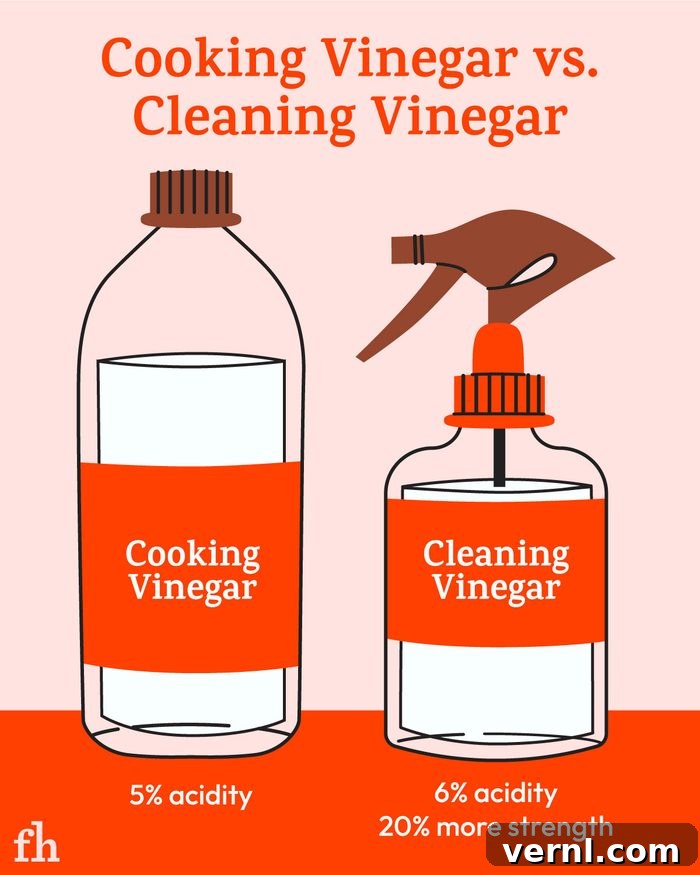
While both white vinegar and cleaning vinegar derive their power from acetic acid, the critical distinction lies in their concentration levels. White vinegar, commonly used for cooking and general household tasks, typically contains 5 percent acetic acid. Cleaning vinegar, on the other hand, is specifically formulated with a higher concentration of 6 percent acetic acid. This seemingly small one-percent difference in acidity level translates into a significantly more potent cleaning solution.
The acetic acid is the active ingredient responsible for breaking down grease, dissolving mineral deposits, eliminating sticky residues, and fighting stubborn soap scum. A higher concentration means a stronger acidic punch, allowing cleaning vinegar to tackle more challenging messes with greater ease. In fact, this one-percent increase results in approximately a 20 percent boost in overall cleaning strength. This enhanced power makes cleaning vinegar the superior choice for intensive cleaning projects where regular white vinegar might fall short. Understanding this fundamental difference empowers you to select the right vinegar for the job, ensuring maximum effectiveness and efficiency in your cleaning regimen.
Mastering the Art of Cleaning: How to Effectively Use Cleaning Vinegar
Cleaning vinegar’s versatility is one of its greatest assets. It can be utilized both undiluted for tough jobs and diluted with water for everyday cleaning, offering a flexible solution for nearly every surface in your home. Before embarking on any cleaning task, remember to consider the surface type and the severity of the mess to determine the best approach.
Undiluted Power for Stubborn Stains and Grime
When faced with exceptionally tough stains or accumulated grime, cleaning vinegar used undiluted can be incredibly effective. For instance, challenging spots on fabric furniture or clothing often respond well to direct application. Simply dab a small amount of undiluted cleaning vinegar onto a sponge or rag and gently wipe away the spot. However, always perform a spot test on an inconspicuous area first, as the strong acidity of cleaning vinegar can be too harsh for certain delicate fabrics or finishes, potentially causing discoloration or damage. Due to its concentrated nature, direct contact with undiluted cleaning vinegar can irritate your skin or nails, so wearing protective gloves is highly recommended to safeguard your hands during these intensive cleaning sessions. You can also use undiluted vinegar to soak clogged showerheads overnight, dissolve hard water stains around faucets, or tackle stubborn mineral deposits inside toilet bowls.
Diluted Solutions for Daily Shine and Maintenance
For routine cleaning and lighter tasks, a diluted cleaning vinegar solution will get the job done brilliantly without the need for full strength. A simple and effective all-purpose cleaner can be made by combining two parts cleaning vinegar with one part water in a clean spray bottle. If the distinctive scent of vinegar isn’t to your liking, a few drops of your favorite essential oil—such as lemon, lavender, or tea tree—can be added to the mixture to leave behind a fresh and pleasant aroma. Shake the bottle gently before each use to ensure the ingredients are well combined.
This DIY cleaner is exceptionally versatile and perfect for maintaining a pristine home. It works wonders on kitchen countertops, cutting through everyday grease and food residue, and leaves sinks sparkling clean. In the bathroom, it’s excellent for sanitizing surfaces, removing soap scum from tubs and showers, and cleaning fixtures. For streak-free windows and mirrors, this solution provides an unparalleled shine. It also excels at cleaning stainless steel appliances, restoring their luster without leaving streaks or harsh chemical residues. For particularly greasy jobs, like a heavily soiled stovetop, enhance the cleaning power of your diluted spray bottle solution by adding one tablespoon of liquid dish soap. The soap helps to emulsify fats and oils, allowing the vinegar to penetrate and break down the grease more effectively. Shake well to combine and apply as needed.
Additional Applications for a Spotless Home
- Microwave Cleaner: Combine half a cup of cleaning vinegar with one cup of water in a microwave-safe bowl. Heat until boiling, then let sit for 5-10 minutes. The steam will loosen dried food, making it easy to wipe away.
- Garbage Disposal Refresh: Pour a cup of cleaning vinegar down your garbage disposal, let it sit for 30 minutes, then flush with cold water. For extra power, freeze vinegar in ice cube trays with lemon slices and run them through the disposal.
- Grout Cleaner: For dingy grout, mix equal parts cleaning vinegar and baking soda to form a paste. Apply to grout lines, let sit for 10-15 minutes, scrub with a brush, and rinse.
- Showerhead Descaler: Fill a plastic bag with cleaning vinegar and secure it around your showerhead with a rubber band, ensuring the head is submerged. Leave overnight, then remove and scrub away mineral deposits.
- Laundry Brightener: Add half a cup of cleaning vinegar to the rinse cycle in your washing machine. It acts as a natural fabric softener, brightens whites, and helps remove lingering odors without harsh chemicals.
- Odor Neutralizer: Place a bowl of cleaning vinegar in a room to absorb stale odors, or spray a diluted solution into the air to freshen.
Important Considerations: When Not to Use Cleaning Vinegar
While cleaning vinegar is a potent and generally safe cleaning agent, its strong acidity means it can cause damage to certain delicate surfaces. Knowing when to avoid it is crucial to protect your belongings and ensure effective cleaning without unintended consequences.
Surfaces to Steer Clear Of:
- Natural Stone: Surfaces like marble, granite, and travertine are porous and contain calcium carbonate, which reacts with acid. Cleaning vinegar can etch, dull, and permanently damage the finish of natural stone countertops, floors, and backsplashes.
- Waxed Wood: The acid in vinegar can strip away the protective wax coating on wood furniture and floors, leaving them dull, discolored, and unprotected. For waxed wood, always opt for cleaners specifically designed for that finish.
- Cast Iron: Vinegar can strip the seasoning (the protective oil layer) from cast iron cookware, leading to rust and diminishing its non-stick properties. Stick to hot water and a stiff brush for cleaning cast iron.
- Aluminum: Prolonged exposure to vinegar can cause pitting and discoloration on aluminum surfaces, particularly unanodized aluminum. For aluminum pots and pans, a mild dish soap and water solution is a safer bet.
- Electronic Screens: The coatings on many electronic screens (TVs, laptops, smartphones) can be damaged by vinegar, leading to streaking or reduced clarity.
Understanding Disinfection Limitations:
It’s true that undiluted cleaning vinegar possesses germ-killing properties and can be effective against some common household germs, including certain strains of E. coli. This makes it useful for general sanitization, especially in areas like kitchen counters or cutting boards. However, it’s critical to approach its use for disinfection with caution. The Centers for Disease Control and Prevention (CDC) does not recommend vinegar as a primary disinfectant, particularly in situations requiring broad-spectrum germ eradication. This is because vinegar is ineffective at eliminating a wider range of harmful bacteria and viruses, such as Salmonella, Staphylococcus, or many common cold and flu viruses. For instances where thorough disinfection is paramount (e.g., after illness, in high-traffic areas, or dealing with specific pathogens), EPA-registered disinfectants are the recommended choice. Always ensure proper ventilation when cleaning with any product, including vinegar, to ensure fresh air circulation.
Acquiring Your Cleaning Arsenal: Where to Buy Cleaning Vinegar
Finding cleaning vinegar is generally quite straightforward, as its popularity as an eco-friendly cleaning solution continues to grow. You can typically locate it in the cleaning aisle of most major home improvement stores, discount retailers, and even many grocery stores. It’s often shelved right alongside regular white vinegar, making it easy to spot. When it comes to brands, you’ll find that there’s little practical difference between generic store brands and more established name brands like Heinz. The key factor is the 6 percent acetic acid concentration, which remains consistent across various manufacturers. Therefore, opting for the most affordable option available will likely yield the same excellent cleaning results.
For added convenience, cleaning vinegar is also readily available through online retailers. For example, you can often purchase it on Amazon and have it delivered directly to your doorstep, saving you a trip to the store. Whether you prefer to shop in person or online, incorporating cleaning vinegar into your household supplies is an accessible and cost-effective way to enhance your cleaning routine with a powerful, natural agent.
Frequently Asked Questions About Cleaning Vinegar
Can vinegar effectively remove mold or mildew?
Yes, the acetic acid in cleaning vinegar is known to kill a significant percentage of mold and mildew species. For minor surface mold or mildew, spraying the area directly with undiluted cleaning vinegar, letting it sit for an hour, and then scrubbing it away can be quite effective. However, it’s crucial to understand that large or deeply embedded mold infestations should always be handled by a qualified professional. Extensive mold can pose serious health risks and often requires specialized remediation techniques that go beyond simple surface cleaning to ensure complete removal and prevent recurrence.
Is it safe to mix vinegar with other cleaning products?
Absolutely not. It is imperative to never mix vinegar with other cleaning products, especially those containing bleach. Combining vinegar (an acid) with bleach (a strong oxidizer) results in a dangerous chemical reaction that produces chlorine gas. Chlorine gas is highly toxic and can cause severe respiratory issues, burns to the eyes and skin, coughing, nausea, and watery eyes. Always use cleaning vinegar by itself or diluted with water, and ensure good ventilation when cleaning. If you’ve used one product, ensure the surface is thoroughly rinsed and dry before applying another.
Will cleaning vinegar leave a strong smell?
Cleaning vinegar does have a distinct, pungent smell, but it typically dissipates quickly as it dries. For many, this is a small trade-off for its natural cleaning power. If you find the scent bothersome, you can add a few drops of your favorite essential oil (like lemon, peppermint, or eucalyptus) to your diluted vinegar solution. Alternatively, ensure good ventilation in the area you are cleaning, and the smell will typically be gone within an hour or two.
Is cleaning vinegar safe to use around pets and children?
Yes, one of the primary benefits of cleaning vinegar is its non-toxic and pet-safe nature once dry. Unlike many commercial cleaners that contain harsh chemicals, vinegar poses minimal risk to children and pets, even if they come into contact with residual amounts on surfaces. However, it’s always wise to keep cleaning solutions, even natural ones, out of reach and ensure surfaces are fully dry before allowing pets or children to play on them.
Can cleaning vinegar be used as a weed killer?
Yes, cleaning vinegar, with its higher acidity, can act as an effective natural weed killer, especially for young, shallow-rooted weeds. The acetic acid draws moisture from the plant, causing it to wither and die. For best results, spray undiluted cleaning vinegar directly onto the weeds on a sunny day. Be cautious, however, as it is non-selective and will kill any plant it comes into contact with, including grass and desired plants. Therefore, it’s best used on weeds in cracks, patios, or areas away from your garden beds.
How long does cleaning vinegar last?
Cleaning vinegar has an incredibly long shelf life due to its acidic nature. When stored in a cool, dark place in a sealed container, it can last indefinitely without losing its efficacy. You can buy it in bulk without worrying about it expiring, making it an even more economical choice for your cleaning needs.
Embracing a Cleaner, Greener Home with Cleaning Vinegar
In conclusion, cleaning vinegar stands out as a powerful, affordable, and environmentally conscious solution for maintaining a pristine home. Its elevated acidity compared to white vinegar makes it a true powerhouse against grease, grime, and stains, while its non-toxic composition ensures peace of mind for your family and pets. By understanding its unique properties, knowing when and where to use it (and when to avoid it), and exploring its myriad applications, you can transform your cleaning routine. Embrace the simplicity and effectiveness of cleaning vinegar and enjoy a sparkling, fresh, and healthier living environment.