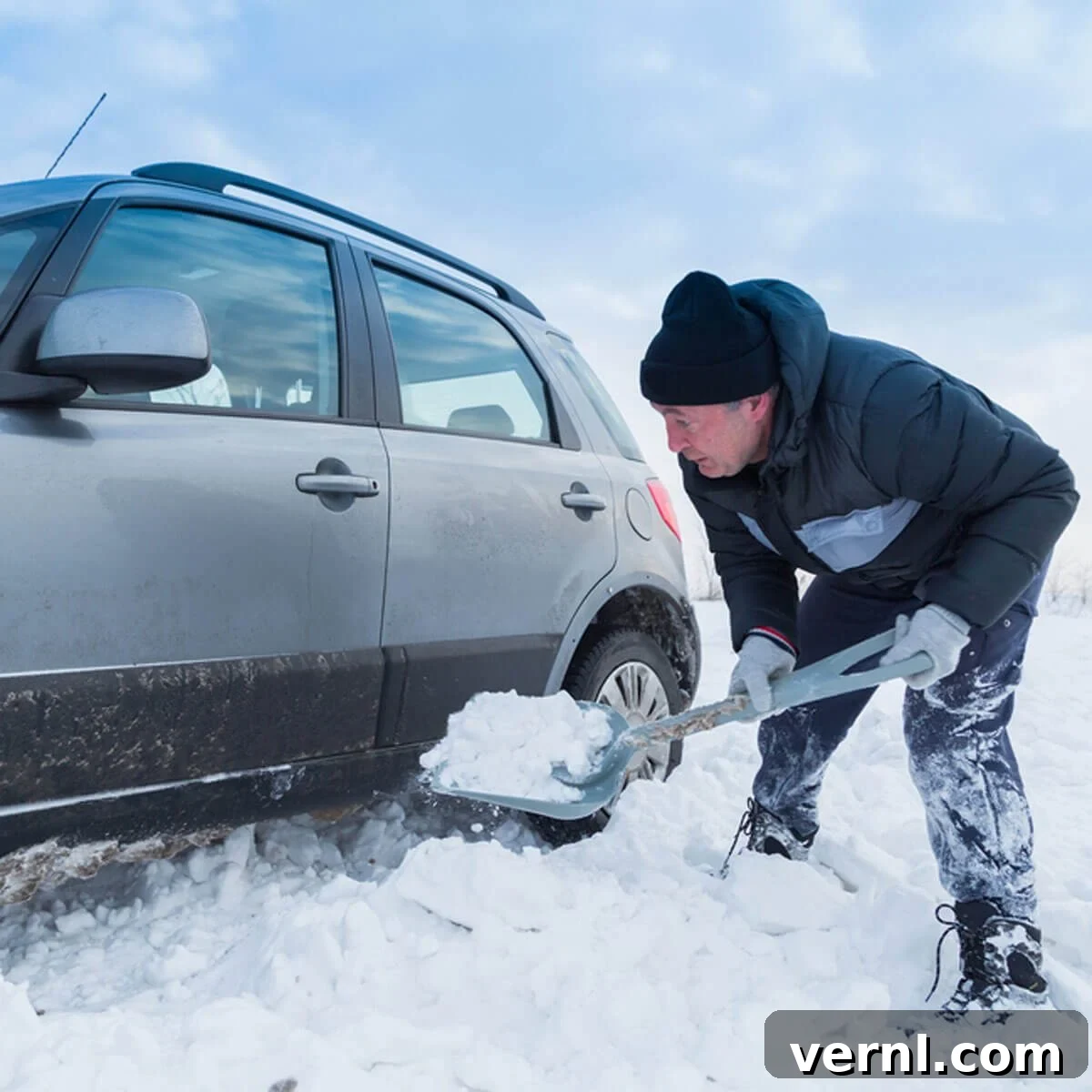
Navigating Winter’s Treacherous Grip: Essential Survival Tips for Cold Weather Emergencies
Winter weather, while often beautiful, can quickly turn dangerous, presenting unique challenges for drivers and pedestrians alike. From sudden blizzards to icy roads and plummeting temperatures, being unprepared can lead to life-threatening situations. Understanding how to react in a cold-weather emergency is not just a good idea—it’s absolutely critical for your safety and the safety of your loved ones. This comprehensive guide will walk you through vital steps to take if you find yourself stranded in your vehicle or caught outdoors during harsh winter conditions. Our goal is to equip you with the knowledge to stay safe, warm, and calm until help arrives. Prioritizing preparedness and knowing these crucial survival strategies can make all the difference when facing the unpredictable nature of winter.
When Your Vehicle Fails: What to Do in a Car Breakdown During Winter
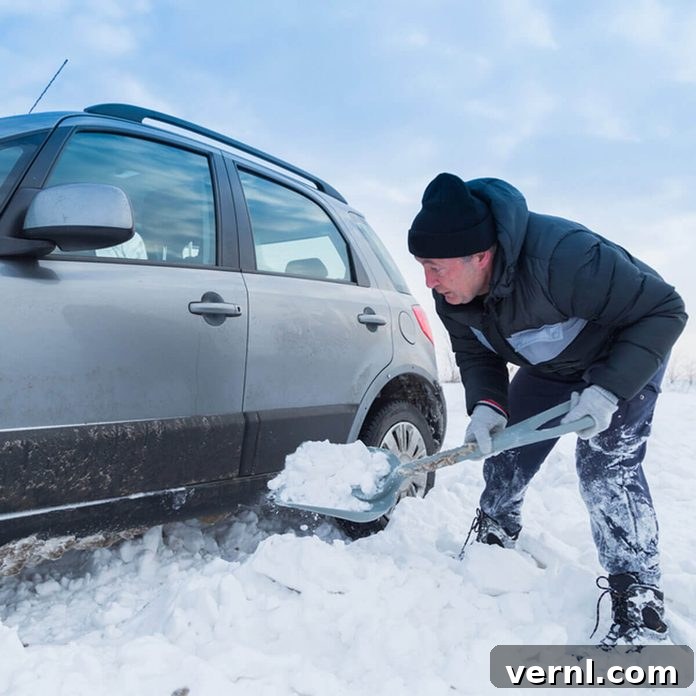
A car breakdown in winter can be a terrifying experience. If your vehicle grinds to a halt and you can’t drive any further, your immediate instinct might be to get out and seek help. However, in severe winter conditions, the safest place to be is usually inside your car. Your vehicle acts as a vital shelter, protecting you from biting winds, snow, and extreme cold. Exposing yourself to the elements unnecessarily can rapidly lead to frostbite or hypothermia. The moment you realize you’re stranded, activate your hazard lights to make your vehicle visible to other drivers, especially in low visibility conditions.
Prioritizing Warmth and Communication
Once you’ve secured your position, the next critical step is to call for help if you have cellular service. Provide your exact location, if possible, and describe the situation to emergency services or roadside assistance. While waiting, conserving warmth is paramount. Run your engine intermittently for about 10 minutes every hour to generate heat and keep the cabin warm. This conserves fuel while providing essential comfort. However, this action comes with a crucial caveat: always ensure a window is slightly open to allow for ventilation. This prevents the buildup of dangerous carbon monoxide inside the vehicle, which is odorless and colorless but deadly.
Preventing Carbon Monoxide Poisoning
Beyond opening a window, it’s absolutely vital to check that your exhaust pipe is not blocked by snow. A blocked exhaust pipe will redirect carbon monoxide fumes directly into your car, leading to rapid poisoning. Clear any snow or ice from around the tailpipe regularly. If your car has sufficient fuel, keep the gas tank at least half full if possible, not only to prevent the fuel line from freezing but also to ensure you have enough to run the engine periodically for warmth. Prepare for the possibility of a long wait by wrapping yourself in blankets or extra clothing from your emergency kit. For more expert advice on safe winter driving practices, delve into these best practices for winter driving.
Stranded Without Fuel: Surviving a Winter Gas Shortage
Running out of gas during a winter storm can quickly escalate from an inconvenience to a serious survival situation. Without fuel, your car’s engine cannot provide heat, making the vehicle a rapidly cooling metal box. In this scenario, the priority shifts entirely to conserving body heat and signaling for help. Resist the urge to leave your car in search of a gas station or assistance unless you are absolutely certain of a nearby, safe shelter and the distance is negligible. The risks of exposure to the elements far outweigh the potential benefits of venturing out on foot in severe weather.
Conserving Heat and Energy
If your car runs out of gas, immediately shut off the engine and turn off all non-essential electrical components to preserve battery life, which might be needed for hazard lights or charging a phone. Keep all windows tightly shut to trap any remaining warmth inside the vehicle. Huddle with passengers if you have them, sharing body heat under blankets, sleeping bags, or even floor mats. Use any available materials to insulate yourself from the cold, such as newspaper, maps, or extra clothing. If you have a winter survival kit, now is the time to deploy its contents: extra blankets, hand warmers, and non-perishable food items.
To attract attention, tie a brightly colored cloth (a red scarf or bandana is ideal) to your antenna or car door handle. This acts as a distress signal, making your vehicle more visible to passing motorists or rescue teams. Remember to stay alert and watch for any signs of help. Proactive preparation is paramount when driving in winter. Adding a comprehensive winter survival kit to your car is a smart idea, here’s what you need to ensure you’re equipped for unexpected emergencies like running out of fuel.
Extended Stays in the Cold: Keeping Safe When Stranded for Hours
Sometimes, rescue can take hours, or even days, in extreme winter conditions. Being stuck for an extended period requires a different level of endurance and resourcefulness. The biggest threats are hypothermia and frostbite, which can set in gradually and often without you realizing it. It’s crucial to combat the cold actively and maintain your physical and mental well-being throughout the waiting period.
Staying Active and Alert
To generate and maintain body heat, gently exercise your arms and legs. Simple movements like clapping your hands, stomping your feet, or doing light stretches can help improve blood circulation and prevent stiffness. Be cautious not to overexert yourself, as excessive sweating can actually lead to a faster loss of body heat once you cool down. The goal is to keep your blood flowing and muscles engaged without becoming drenched in perspiration. Regularly wiggling your fingers and toes is also important to prevent frostbite in extremities.
The Dangers of Hypothermia and Sleep
One of the most critical rules for anyone stranded in extreme cold is: Do not go to sleep under any circumstances. Sleep can mask the onset of hypothermia, a dangerously low body temperature that impairs judgment and can lead to unconsciousness and death. If you have others with you, take turns staying awake to monitor each other for signs of hypothermia, such as shivering, confusion, slurred speech, or drowsiness. Keep yourself mentally engaged by listening to the radio (if the battery allows), reading, or playing simple games. Ration any food and water you have, eating high-energy snacks like nuts or granola bars. Ensuring your vehicle is in prime condition before winter arrives can help prevent these scenarios. Get your car ready for winter with these five easy tasks, from checking your battery to topping off fluids.
Lost in the Storm: Survival Strategies When Caught Outside on Foot
While many winter emergencies occur in vehicles, getting caught outside on foot during a severe winter storm or blizzard presents its own set of immediate and serious dangers. Whether you’ve abandoned your car in desperation (generally not recommended unless shelter is truly visible and very close) or were simply out walking, the elements become your direct adversary. The wind chill factor can dramatically reduce the perceived temperature, making exposed skin vulnerable to frostbite in minutes, and hypothermia can set in quickly.
Seeking Immediate Shelter and Protection
If you find yourself caught outside, your absolute first priority is to head directly and without hesitation to the nearest possible shelter. This could be a building, a business, or even a natural windbreak like a dense cluster of trees or a large rock formation if no artificial structures are visible. Every second counts in preventing rapid heat loss. Avoid open areas where you are fully exposed to wind and snow. If no shelter is immediately available and you are in a remote area, consider building a snow cave or digging into a snowdrift to create a temporary, insulated space, though this requires knowledge and tools often not readily available.
Protecting Exposed Skin and Airways
While moving, focus on protecting all exposed skin. Your face, ears, and neck are particularly vulnerable. Tie a scarf or a piece of cloth tightly over your nose and mouth. This serves multiple purposes: it protects your face from frostbite, warms the air you breathe before it reaches your lungs (preventing damage to respiratory passages), and helps prevent suffocation from the wind and blowing snow by acting as a filter. Wear a hat to cover your head and ears, as a significant amount of body heat is lost through the head. Gloves or mittens are essential for protecting your hands. Layering your clothing is key—multiple thin layers trap air and provide better insulation than one thick layer. If your clothing becomes wet, try to dry it or replace it, as wet clothes lose their insulating properties and dramatically accelerate heat loss.
Navigating Whiteout Conditions: Driving When You Can’t See the Road
Driving in a winter storm can be incredibly challenging, but few conditions are as disorienting and dangerous as a “whiteout.” A whiteout occurs when heavy snowfall, fog, or blowing snow reduces visibility to near zero, blurring the line between the sky and the ground and making it impossible to see the road ahead, landmarks, or even the hood of your car. Continuing to drive in such conditions is extremely risky and can lead to accidents, getting stuck, or driving off the road.
Finding Your Way Safely
If you suddenly encounter whiteout conditions, your primary goal is to slow down safely and pull over if possible. If stopping is not an option due to traffic or lack of shoulder space, activate your low beam headlights (high beams can reflect off snow and worsen visibility) and hazard lights. In very low-speed situations where you must proceed, try to follow a fence line or tire ruts in the road if they are visible. These can act as a guide, providing a sense of direction and helping you stay on the paved surface. However, exercise extreme caution, maintaining a speed that allows you to stop within the very limited distance you can see.
If you decide to pull over, do so as far off the road as possible to avoid being struck by other vehicles. Turn on your hazard lights, and if safe, raise your hood to signal distress. Do not leave your vehicle unless you are absolutely certain of nearby shelter. Waiting for the worst of the whiteout to pass is often the safest course of action. Beyond immediate actions, proactive vehicle preparation is paramount for winter driving. Ensure your car is ready for anything the season throws at it by checking critical components. Check out these 14 tips that can prepare your car for winter, from fluid levels to battery health, to minimize the chances of a breakdown in the first place.
The Crucial Role of Tire Tread in Winter Safety
While general vehicle maintenance is critical, one specific component holds immense importance for winter driving safety: your tires. Good tire tread is not just a recommendation; it’s a necessity for maintaining traction on icy, snowy, and wet roads. Worn-out tires drastically reduce your car’s ability to grip the road, increasing stopping distances and making it easier to skid or lose control. Even all-season tires may not be sufficient in harsh winter conditions; dedicated winter tires, with their specialized rubber compounds and deeper tread patterns, offer superior performance when temperatures drop below 7°C (45°F).
Ensuring Optimal Grip: A Quick Check
Before winter truly sets in, it’s imperative to inspect your tire tread depth. A simple method is the “penny test” (or a similar coin test in other countries). Insert a penny into a tire groove with Lincoln’s head upside down and facing you. If you can see the top of Lincoln’s head, your tread is too shallow, and your tires likely need replacing. Regular checks of your tire pressure are also vital, as cold weather causes tire pressure to drop. Properly inflated tires distribute weight evenly and maximize the contact patch with the road, crucial for grip.
You’d better have good tire tread for the winter to ensure maximum safety. Here’s a short video on how to find out if your tire tread is in good shape, demonstrating easy ways to check your tires and understand their condition.
Be Prepared, Stay Safe: Your Winter Emergency Action Plan
Winter emergencies are unpredictable, but your response doesn’t have to be. The overarching theme across all these scenarios is preparedness. Having a well-stocked winter emergency kit in your vehicle and understanding the fundamental survival principles can dramatically improve your chances of staying safe until help arrives. Always inform someone of your travel plans and expected arrival time, especially when embarking on long journeys during winter months. Keep your phone fully charged and consider carrying a portable power bank.
Remember these key takeaways: prioritize staying inside your vehicle for shelter if stranded, run your engine intermittently for warmth but always ensure ventilation and a clear exhaust pipe, conserve fuel and body heat, and never fall asleep in extreme cold. If caught outside, seek immediate shelter, protect exposed skin, and keep your airways covered. By taking proactive steps to prepare your vehicle and yourself, you can face winter’s challenges with confidence and increase your resilience against its harshest conditions. Your safety is paramount—make preparedness your priority.