
The Ultimate Guide to Catios: Creating a Safe Outdoor Haven for Your Feline Friend
The word “catio” might be new to some, but its importance is rapidly growing among pet owners and wildlife enthusiasts alike. I first encountered this clever term from a park ranger friend who frequently witnesses the significant impact free-roaming domestic cats have on fragile ecosystems and endangered species. For her, and for many experts, a catio – an outdoor enclosure designed specifically for cats – presents an innovative and essential solution.
Domestic cats allowed to roam freely are a primary threat to avian populations in the U.S., accounting for an estimated 2.4 billion bird deaths annually, which constitutes approximately 20 percent of the total bird population. Beyond birds, these natural hunters also decimate millions of small mammals, reptiles, and amphibians each year, disrupting delicate ecological balances.
“Cats are undeniably charming companions to us, their human caregivers,” observes Liz Baessler, a senior editor at Gardening Know How. “However, from the perspective of local wildlife, they are formidable apex predators. This stark reality is driving more and more individuals to embrace the catio concept. A well-designed catio allows your beloved feline to safely experience the enriching sights, sounds, and sensations of the outdoors, all while keeping their potential prey at a secure distance. Crucially, it also shields your cat from the myriad dangers of the outside world, ranging from vehicular traffic and territorial disputes with other cats to encounters with larger, more formidable predators.”
This comprehensive guide delves deeper into the compelling reasons to consider a catio for your home and provides practical insights on how to create or purchase the perfect outdoor retreat for your cherished companion.
What Exactly Is a Catio?
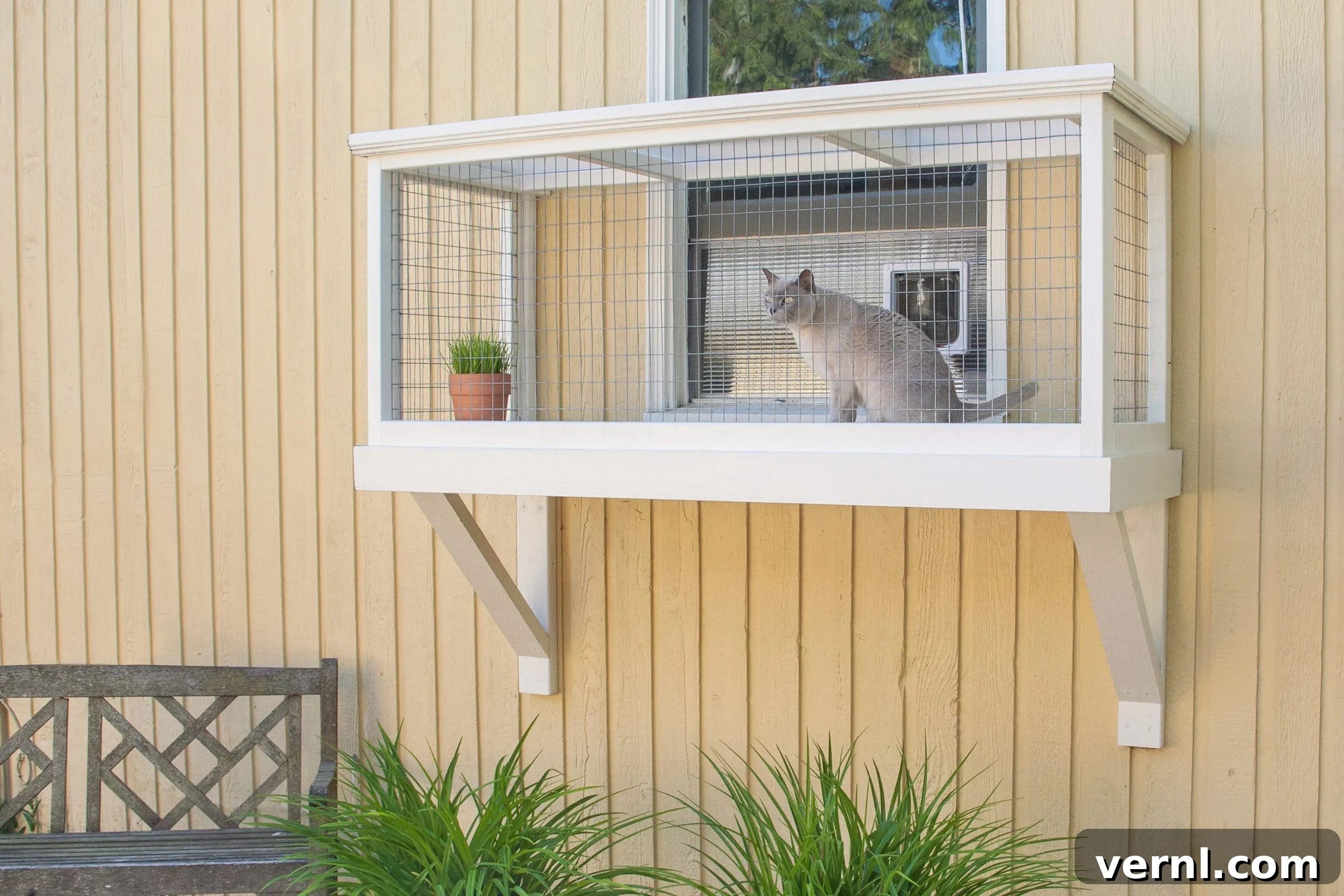
A catio, a portmanteau of “cat” and “patio,” is an intelligently designed, enclosed outdoor structure that provides a safe and stimulating environment for cats to enjoy fresh air and sunshine. These structures are typically constructed with sturdy mesh or wire walls, ensuring both security and visibility. Many catios seamlessly integrate with a home via a dedicated cat door, granting felines the freedom to transition between indoor comfort and outdoor adventure at their leisure. Catios come in an impressive array of sizes and configurations, from compact, easily attachable window boxes to expansive, multi-level patio conversions that offer significant space for exploration and play.
Diverse Catio Designs to Harmonize with Your Home and Lifestyle
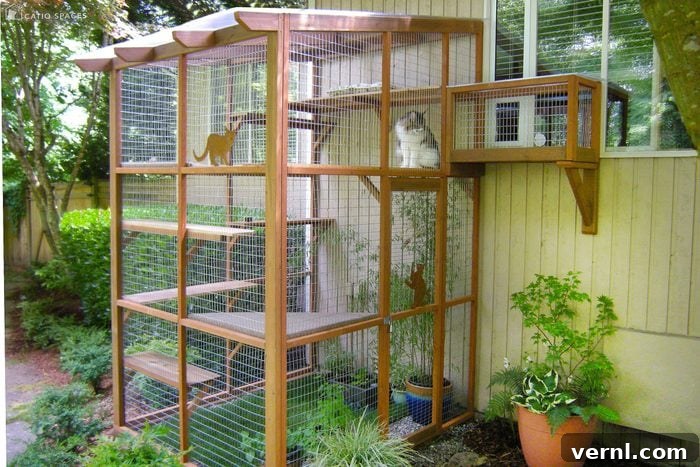
The versatility of catios is one of their most appealing attributes. Catios are available in a vast spectrum of shapes, sizes, and styles, catering to virtually any space, budget, and aesthetic preference. From minimalist wire mesh boxes that offer a simple breath of fresh air to intricate, multi-level recreational havens, the possibilities are extensive. Homeowners can choose to embark on a DIY project, assemble a pre-fabricated kit, or commission a bespoke structure from professional catio designers and builders.
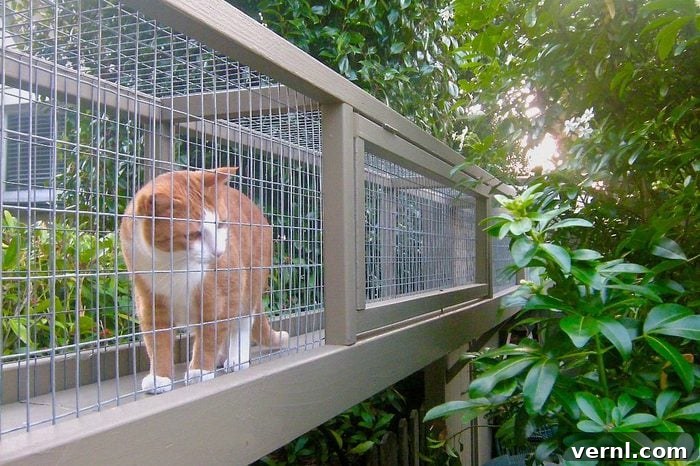
“The options for catios are truly boundless,” states Cynthia Chomos, a renowned catio designer and the visionary founder of Catio Spaces. “Even if you are working with a limited footprint, remember that cats inherently adore elevated spaces. By strategically incorporating numerous shelves and perches, you can maximize both vertical and horizontal movement within a smaller catio, creating an engaging and dynamic environment.” To further enhance feline exploration and enrichment, some designs ingeniously include elevated tunnels that extend around the yard, offering additional pathways for adventure.
Stand-Alone Catios: Freedom and Flexibility
Freestanding catios are independent structures that are not directly affixed to your home, offering unparalleled flexibility in placement. They can be situated anywhere within your yard, garden, or even on a deck or patio. While their mobility is an advantage, one common drawback is the necessity for “kitty guardians to manually transport their felines into and out of the enclosure,” explains Yvette Bacha of Hellas Custom Catios. “This approach is not frequently requested, primarily because cats, by their very nature, prefer to operate on their own terms and schedules.” To circumvent this minor inconvenience and provide cats with autonomous access, some ingenious owners install secure, above-ground tunnels that connect their home directly to the stand-alone catio, blending the best of both worlds.
Attached Catios: Seamless Integration and Constant Access
Attached catios represent the pinnacle of convenience and feline autonomy. These structures are directly connected to the home, often featuring a pet door that allows cats unrestricted access to and from the enclosure at their leisure. “This seamless integration is unequivocally the best arrangement for cats,” affirms Bacha. “Should any unexpected fright or stimulus occur while they are outdoors in the catio, they have the immediate option to retreat indoors to their preferred safe haven within the home.”
Attached catios demonstrate remarkable versatility in their scale. They can be as understated as a removable window or balcony box, providing a small but cherished slice of the outdoors, or as grand as a fully converted porch. Robert Johnston, owner of Catio Bob, frequently recommends the porch conversion option due to its ability to offer expansive space. He further notes that “larger catios, whether attached to the home or freestanding, when equipped with insect screen overlays, offer a delightful and comfortable experience for both the kitties and their human companions.”
The Profound Benefits of Embracing a Catio Lifestyle
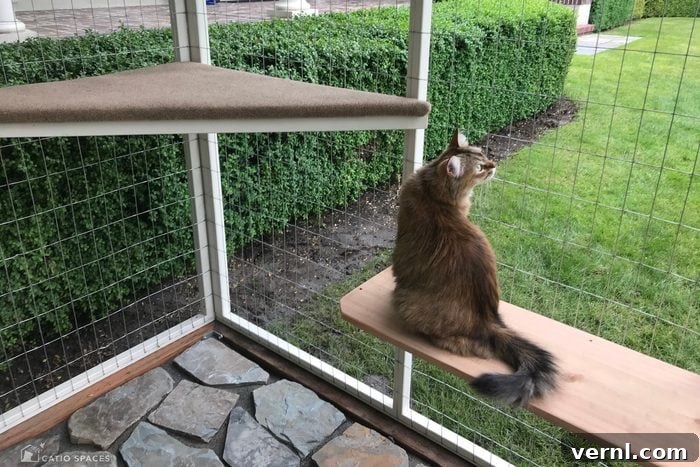
Catios truly represent a win-win-win scenario, offering substantial advantages for your feline friends, local wildlife, and even for you, the responsible pet owner. The most significant benefit of these outdoor enclosures is the ability to provide your cat with unrestricted access to sunshine and fresh air, completely devoid of the inherent risks associated with free-roaming.
- Enhanced Cat Safety: A catio shields your beloved pet from a multitude of outdoor hazards. Cats can safely revel in the outdoors without the pervasive risks of getting lost, being hit by a vehicle, contracting diseases from other animals, or being attacked by stray dogs, rival cats, or native wildlife. It also protects them from accidental poisoning, intentional cruelty, and extreme weather conditions.
- Superior Feline Enrichment and Entertainment: Catios provide unparalleled physical and mental stimulation. The ever-changing sights, sounds, and scents of nature, combined with climbing structures, perches for bird-watching, and designated scratching areas, mean cats are far less likely to experience boredom. This enriched environment significantly reduces the likelihood of developing destructive behaviors often associated with under-stimulated indoor cats.
- Crucial Wildlife Protection: By containing your cat, a catio plays a direct role in safeguarding local ecosystems. Protecting bird populations is an increasingly urgent priority, especially as many species face mounting pressures from climate change, habitat destruction, and increasing urbanization. Catios also protect small mammals, reptiles, and amphibians from becoming prey.
- Improved Multi-Cat Harmony: In multi-cat households, territorial disputes can be a common source of stress. Catios effectively expand the available “territory” for your cats, providing additional vertical and horizontal spaces for individual exploration, relaxation, and play. This extra dimension can significantly reduce inter-cat conflict and foster a more harmonious living environment.
- Strengthened Human-Feline Bonds: Sharing a comfortable outdoor space can create unique opportunities for interaction and bonding. Whether you’re simply relaxing nearby while your cat enjoys their catio, or actively engaging them with toys within the enclosure, this shared experience deepens the connection between you and your feline companion.
- Prevention of Disease Transmission: When cats hunt and consume wildlife, they risk contracting and spreading various parasites and diseases, including toxoplasmosis. This brain parasite, while often asymptomatic in healthy adults, can be particularly harmful to humans (especially pregnant women and immunocompromised individuals) and is deadly to many wild animals. Catios eliminate this risk by preventing hunting. Furthermore, they reduce exposure to common feline diseases like Feline Leukemia Virus (FeLV) and Feline Immunodeficiency Virus (FIV), which are often transmitted through direct contact or fights with infected cats.
- Odor Control and Improved Air Quality: For many cat owners, managing litter box odors indoors can be a constant challenge. A catio offers the perfect solution: relocate the litter box to the outdoor enclosure. This significantly reduces indoor odors and improves the air quality within your home. (Remember to always maintain an indoor litter box as well, for instances when your cat may not feel inclined to venture outside).
- Financial Savings on Veterinary Care: Keeping your cat safely contained means dramatically reducing their exposure to injuries and illnesses commonly associated with outdoor roaming. This proactive measure can translate into substantial savings on emergency veterinary bills, treatments for injuries sustained in fights, or managing preventable diseases.
- Enhanced Neighborly Relations: Your neighbors will undoubtedly appreciate not having uninvited feline visitors exploring their gardens, disturbing their bird feeders, or using their property as a litter box. A catio ensures your cat stays safely within your property boundaries, fostering goodwill within your community.
- Profound Peace of Mind: Perhaps one of the most significant benefits for owners is the invaluable peace of mind. Knowing your cat is safe, secure, and enriched with fresh air, opportunities for exercise, sunbathing, and engaging in natural behaviors like bird-watching, allows you to relax and enjoy their companionship without constant worry.
“In our extensive experience, we have encountered absolutely no downsides or cons associated with catios,” attests Yvette Bacha. “Even clients whose cats previously roamed the neighborhood unsupervised have reported that their felines acclimated remarkably well to their new, safe enclosure.” You might even consider if a barn cat could thrive in a catio, offering them a secure outdoor life.
Avoiding Catio Faux Pas: Designing for Your Cat’s Unique Needs
The only true misstep when it comes to catios is failing to thoroughly consider your individual cat’s habits, preferences, and specific comfort requirements. A truly successful catio is a personalized sanctuary.
“Catios are inherently adaptable and should be meticulously tailored to a cat’s specific needs, ensuring it’s never a one-size-fits-all proposition,” emphasizes Cynthia Chomos. “For instance, cats with mobility challenges or impaired sight will greatly benefit from thoughtful design elements such as gently sloped ramps, supportive railings, and strategically placed soft landings like natural grass patches or comfortable outdoor rugs. Similarly, a highly energetic cat will thrive with more climbing structures and expansive vertical space, while a shy cat might appreciate more hideaways and shaded nooks.”
Your Comprehensive Guide to Building a Custom Catio
Embarking on a DIY catio project can be a rewarding experience, allowing you to craft a perfectly customized space. Before cutting any wood or bending any wire, meticulous planning is paramount. Dedicate ample time to conceptualize the design, determine the ideal size, and integrate desirable features such as robust scratching posts, engaging climbing structures, interactive built-in toys, and comfortable lounging areas.
“It is absolutely essential to ensure that your chosen catio location is safe, secure, and easily accessible for your cat,” advises Lance Harding, owner of Cat-Topia. “Furthermore, rigorously verify that the catio is constructed with sufficient security measures to prevent both your cat’s escape and unauthorized access by other animals, including potential predators.”
When planning a DIY catio, the initial step is selecting the optimal location. This endeavor shares many parallels with constructing a small building. A level and stable foundation is critical for structural integrity. If you are building directly on grass or soil, prioritize the use of pressure-treated 4x4s for the primary frame to ensure longevity and resistance to rot. Looking for more engaging projects for your feline companion? Consider learning how to build a DIY cat wheel to complement their outdoor space.
Beyond the structural basics, several other crucial aspects demand careful consideration:
- Local Regulations and HOA Rules: Always consult your local building codes, zoning ordinances, and Homeowners’ Association (HOA) regulations. Some areas may require permits for outdoor structures or have specific guidelines regarding their size, appearance, or placement.
- Appropriate Mesh Selection: The type of mesh or wire you choose is critical for both cat safety and predator deterrence. Galvanized welded wire, typically 14 or 16 gauge with a 1×2 inch opening, is a popular and highly recommended choice due to its strength, durability, and resistance to chewing. Avoid chicken wire, which is too flimsy.
- Frame Durability and Aesthetics: Consider the material for your wooden frame. Pressure-treated lumber is excellent for ground contact. Decide on the desired finish: natural wood, a protective stain, or a color-matched paint that complements your home’s exterior.
- Escape Prevention: Cats are remarkably agile and persistent. Design the base of your catio to prevent digging underneath. This might involve burying a portion of the mesh or installing a solid foundation barrier around the perimeter.
- Roofing Options: Choose between a mesh roof, which allows full sun and rain, or a solid roof (e.g., polycarbonate, metal, or shingled) to provide protection from the elements, offer essential shade, and potentially allow for year-round enjoyment. A partial solid roof can offer the best of both worlds.
- Flooring Choices: Your catio floor can range from natural grass (requiring maintenance), to decking materials (comfortable and durable), or pavers (easy to clean and stable). Consider drainage for any flooring choice.
- Personalized Enrichment Features: Customize the interior to cater to your cat’s natural curiosities, activity levels, and physical capabilities. Incorporate elements like cedar shelves, comfortable perches for lounging, rope bridges, ramps, tunnels, interactive toys, and even cat-safe plants (like cat grass, catnip, or spider plants) for sensory stimulation.
- Avoiding Hazards: Be vigilant about material choices. Steer clear of vinyl-coated wire, which can pose a choking hazard if chewed. Also, exercise caution with artificial grass, as it can absorb and retain excessive heat, making it uncomfortably hot for paw pads during warmer months.
- Optimizing Environmental Conditions: “Location is absolutely key,” reiterates Chomos. “Keep in mind that cats are sun worshipers; therefore, an area with partial sun exposure throughout the day is often ideal, providing both warmth and opportunities for shaded retreat. Polycarbonate roofing can facilitate year-round enjoyment by offering protection, while awnings, sailcloth, cat cubbies, or even a strategically placed bench can effectively create additional shade during peak sun hours.” Ensure good air circulation to prevent overheating.
Exploring Catios for Sale: Pre-Built and Custom Solutions
If the prospect of a DIY build isn’t appealing, or if you simply prefer a professional touch, rest assured that the market offers a wealth of options for purchasing a catio. “When evaluating commercially available catios, prioritize size,” advises Harding. “Ensure the enclosure is capacious enough for your cat to move around comfortably, providing ample space for climbing, playing, and resting without feeling confined.”
Beyond size, also consider these important factors:
- Material Durability and Maintenance: Investigate the quality and longevity of the materials used. Are they weather-resistant? How easy is the catio to clean and maintain over time? Look for materials that can withstand local climate conditions.
- Your Allocated Budget: Catios range significantly in price. Establish a realistic budget upfront and explore options that align with it, balancing cost with desired features and quality.
- Cat-Centric Features: Does the catio include enrichment elements that will appeal to your particular cat? Look for integrated scratching posts, climbing structures, shelves, and safe hiding spots.
For those seeking bespoke solutions, companies like those led by Bacha, Johnston, and Harding specialize in creating custom-designed catios or even DIY kits tailored to your specific home, budget, and – most importantly – your cat’s unique personality and needs. “You absolutely will not regret this investment,” assures Johnston. “As every single one of my customers consistently testifies, it’s unequivocally the best thing they have ever done for both their beloved kitties and for themselves, offering peace of mind and endless feline joy.”
Frequently Asked Questions About Catios
How much does it cost to build a DIY catio?
The cost of constructing a DIY catio can vary significantly based on its size, complexity, and the quality of materials selected. Simple, smaller window boxes might only require $100-$200 in materials. Mid-sized, freestanding structures that offer more space typically range from $500-$1,500 for materials. For those opting for a custom-built, professionally installed catio, prices can start at $2,000 and easily exceed this, depending on elaborate features, premium materials, and installation labor.
Are catios suitable for all seasons?
Absolutely. With proper design and thoughtful additions, catios can be thoroughly enjoyed by your cat year-round. In regions experiencing cold climates, enhancements such as insulated shelters, cozy heated beds, or small, closable cat doors can provide essential warmth and protection. For those residing in hotter environments, ensuring ample ventilation, consistent shade, and readily accessible fresh water is paramount. By making seasonal adjustments to your catio’s setup, you can maximize your feline’s comfort and enjoyment throughout the entire year.
What size catio does my cat need?
The ideal catio size depends on several factors: the number of cats, their activity levels, and the space you have available. A general rule of thumb is to provide at least 8 square feet per cat, but more is always better. Vertical space is also crucial, so consider height with shelves, ramps, and climbing features. A catio should be large enough for your cat to stretch, jump, run a little, and find various spots to lounge or hide.
How do I introduce my cat to a new catio?
Introducing your cat to their new catio should be a gradual and positive experience. Start by placing favorite toys, treats, or a comfortable bed inside. Allow your cat to explore at their own pace, perhaps with the catio door initially open (if it’s attached and safe). Supervise their first few visits, keeping them short. Offer praise and treats to create positive associations. Most cats are naturally curious and will quickly adapt to their new outdoor haven.
How do I clean and maintain a catio?
Regular cleaning is essential for a healthy catio. Sweep or vacuum debris, leaves, and pet hair regularly. Wipe down surfaces with pet-safe cleaners. If there’s a litter box, scoop it daily and deep clean it weekly. Check the mesh and frame periodically for any signs of wear, damage, or potential escape routes. Ensure any plants are healthy and non-toxic. Depending on the materials, a more thorough cleaning or power wash might be needed annually.
About the Experts
- Lance Harding, owner of Cat Topia, embarked on his passionate journey in 2018. His innate business acumen and relentless drive for innovation have been instrumental in Cat Topia’s success. Through his unwavering dedication, Cat Topia proudly delivers safe, stylish, and enriching outdoor spaces for cats across the nation.
- Cynthia Chomos, a celebrated catio designer and the visionary founder of Catio Spaces, is affectionately known as the “Catio Queen” for her inspiring and uniquely crafted catio designs. As a devoted cat mom herself, she deeply understands the paramount importance of creating secure, stimulating, and playful environments that genuinely enhance the well-being of cats.
- Robert Johnston, owner of Catio Bob, brings over 17 years of invaluable experience in the design, fabrication, and installation of animal enclosures across both commercial and residential settings. Beyond his professional endeavors, Robert is a passionate animal advocate and a loving cat dad. He actively supports the animal welfare community through his dedicated Refurral Program.
- Yvette Bacha, a Feline Behavior Consultant and Manager at Hellas Custom Catios, possesses over eight years of specialized expertise in animal enrichment and habitat design. At Hellas, she has provided expert guidance on several hundred projects, meticulously integrating climbing structures, sensory elements, and robust safety features into catios that thoughtfully respond to natural feline instincts and profoundly enhance overall well-being.
- Liz Baessler, a Senior Editor at Gardening Know How, is a seasoned professional with years of experience, destined for a career in gardening editorial. She earned her position as Senior Editor in 2020 through her diligent work and precision. With a profound love for gardening, Liz can often be found transforming lawns into vibrant havens of vegetables and native pollinators.
Sources:
- Catio Spaces: “What Is A Catio?”
- NOCO Humane: “What is a Catio?”
- This Old House: “How To Build a Catio.”
- Hellas Custom Catios: “Custom Catios.”
- Gardening Know How: “Which Plants Give The Most Color? Try These 10 Colorful Plants For A Bold And Beautiful Garden”