
The Ultimate Guide to Reciprocating Saws: Understanding the Power of the Sawzall
In the world of power tools, few machines embody raw power and versatility quite like the reciprocating saw. Often affectionately, and sometimes generically, referred to as a “Sawzall”—a term originally trademarked by Milwaukee Tool—this aggressive cutting tool has earned its reputation as a go-to for demolition, remodeling, and countless heavy-duty tasks. Its unique back-and-forth cutting action allows it to tackle a remarkable array of materials with unmatched ferocity. If you’re looking for a tool that can truly “saw all,” you’ve found your match. This comprehensive guide will delve into what makes the reciprocating saw an indispensable part of any serious toolkit, from its core mechanics to selecting the perfect blade for any job.
What is a Reciprocating Saw? The “Sawzall” Explained
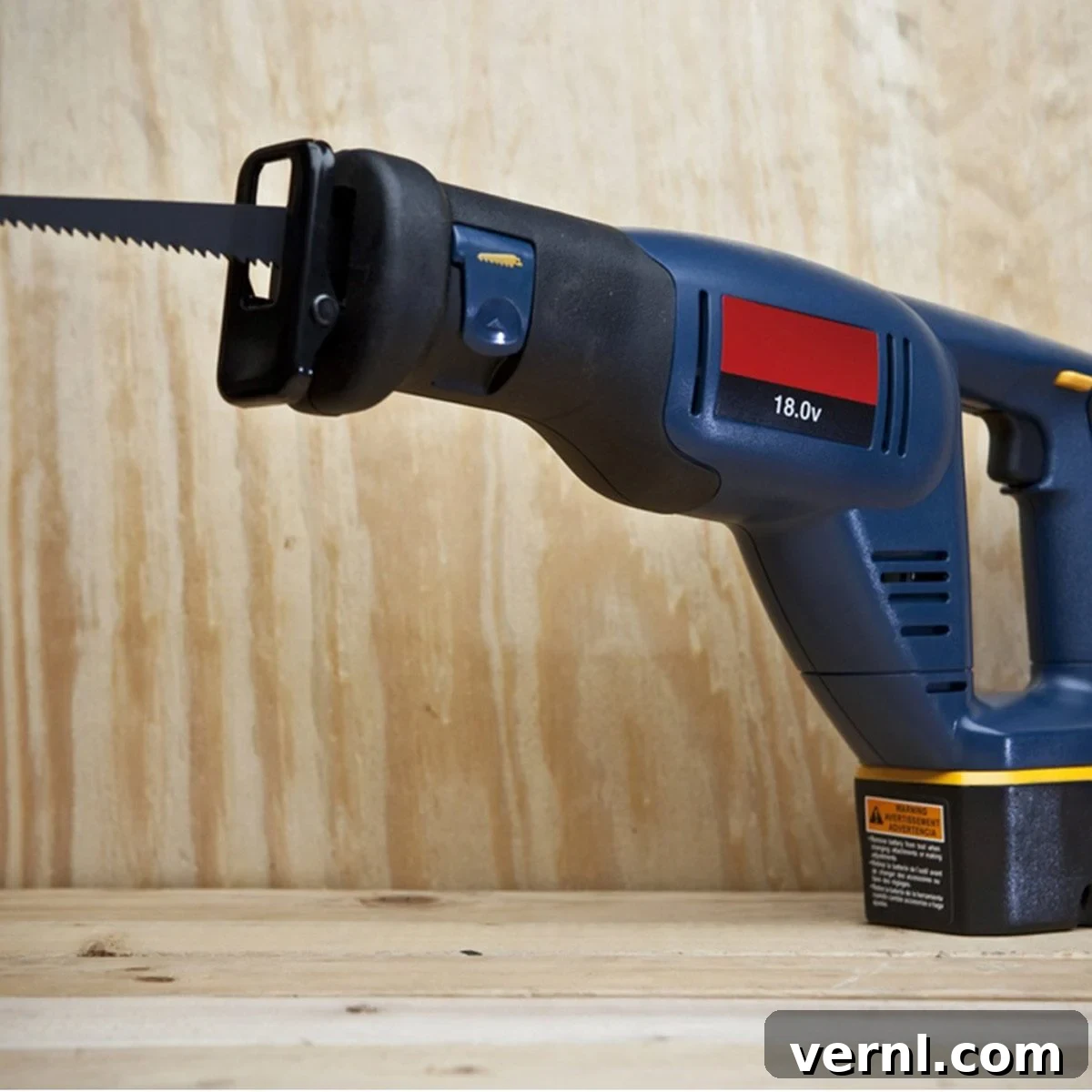
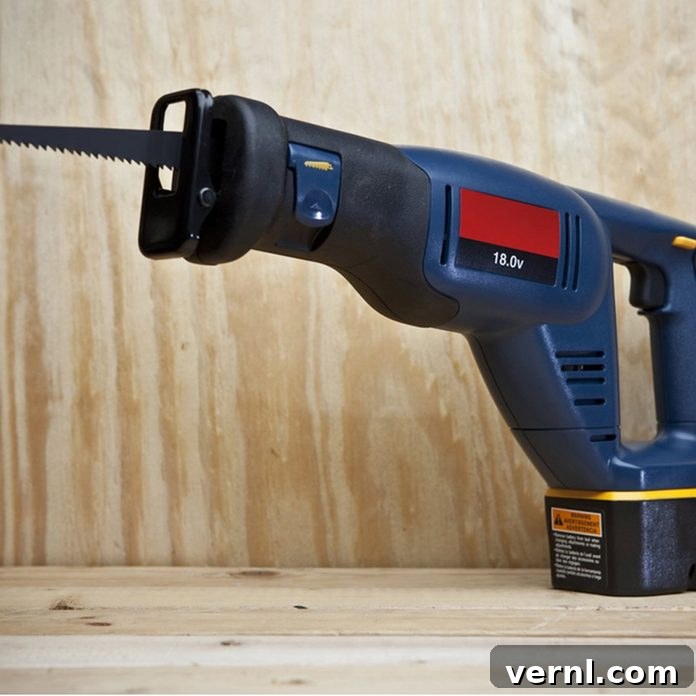
At its core, a reciprocating saw is a handheld power tool characterized by a blade that moves rapidly back and forth, or “reciprocates.” This linear motion is similar to how a hand saw operates, but with the added muscle of an electric motor. The term “Sawzall” became synonymous with the tool type due to Milwaukee Tool’s successful marketing of their powerful line of reciprocating saws, much like “Kleenex” is often used for any facial tissue. Regardless of brand, the principle remains the same: a high-speed motor drives a piston, which in turn moves the attached blade in a powerful push-and-pull motion. This design makes it incredibly effective for rough cutting, demolition, and any situation where precision takes a backseat to raw cutting power.
Key components of a reciprocating saw typically include:
- Motor: The powerhouse, dictating the saw’s speed and torque.
- Trigger/Variable Speed Control: Allows the user to adjust the blade’s speed based on the material being cut, offering greater control and preventing kickback.
- Handle: Ergonomically designed for comfortable grip and control, often featuring anti-vibration technology.
- Blade Clamp: A mechanism, frequently tool-less, that securely holds the interchangeable blade.
- Shoe: A flat plate at the base of the blade, designed to rest against the workpiece to provide stability and control during cutting.
Unlike precision tools, the reciprocating saw thrives in environments where fast, aggressive cuts are needed. Its ability to navigate tight spaces and plunge-cut into materials makes it a favorite among plumbers, electricians, remodelers, and DIY enthusiasts alike.
Unmatched Versatility: What Can a Reciprocating Saw Cut?
The true genius of the reciprocating saw lies in its incredible versatility, largely attributed to the vast array of interchangeable blades available. With the right blade, this powerful tool can slice through materials that would bog down or damage other saws. Here’s a closer look at its cutting capabilities:
Cutting Wood and Lumber
From framing lumber to tree branches, the reciprocating saw handles wood with ease. Blades with fewer, more aggressive teeth (typically 6-10 TPI – teeth per inch) are ideal for fast, rough cuts in wood. This makes it perfect for:
- Demolishing old decks or wooden structures.
- Cutting through wall studs during renovation projects.
- Pruning thick tree limbs in yard work.
- Dismantling pallets or other wooden assemblies.
- Cutting wood with embedded nails, especially with bi-metal blades.
Cutting Metal
This is where the reciprocating saw truly shines, especially in demolition and plumbing applications. Blades designed for metal typically have more, finer teeth (14-24 TPI) and are often made from durable bi-metal or carbide-tipped materials. It can cut through:
- Various types of pipes, including copper, PVC, galvanized, and even tough cast iron pipes.
- Metal conduit and rebar.
- Sheet metal and ductwork (with appropriate blade choice).
- Bolts, screws, and nails (especially when cutting through wood with fasteners).
- Automotive exhaust systems and chassis components.
Cutting Plastic and Composites
For plumbing and construction, the ability to quickly cut through various plastic materials is invaluable. Standard wood-cutting or general-purpose blades often work well for:
- PVC and ABS pipes.
- Plastic sheeting and composites.
- Fiberglass and other synthetic materials.
Other Materials
With specialized blades, a reciprocating saw can even tackle less common materials:
- Drywall and Plaster: Ideal for creating openings in walls or demolition.
- Light Masonry: Certain carbide-tipped or diamond grit blades can cut through thin brick, mortar, or stucco, though this is often slower and harder on the tool.
- Fiber Cement Board: Specific blades are available for this common building material.
Its ability to adapt to so many different materials and cutting scenarios makes the reciprocating saw an incredibly versatile tool, capable of handling tasks from rough carpentry to intricate plumbing modifications.
Essential Features and Components for Optimal Performance
To fully appreciate the reciprocating saw’s capabilities, it’s helpful to understand its key features and how they contribute to its effectiveness and user experience.
The Pivotal Role of the Shoe
The shoe, located at the base of the blade, is a critical component for both safety and cutting efficiency. By pressing the shoe firmly against the material being cut, you achieve several benefits:
- Stability: It minimizes vibration and prevents the tool from “hopping” or bucking, especially when starting a cut or working on uneven surfaces.
- Control: It allows you to guide the blade more accurately, even if the cut itself isn’t meant for precision.
- Blade Life: By keeping the blade stable, it reduces stress on the blade, potentially extending its lifespan and preventing premature breakage.
- Depth Control: On some models, the shoe can be adjusted to control the depth of cut, useful for flush cutting or preventing damage to materials behind the workpiece.
Always remember to keep the shoe pressed firmly against your workpiece throughout the cut.
Variable Speed Control: Precision in Power
Most modern reciprocating saws come equipped with a variable speed trigger. This feature allows you to control the blade’s strokes per minute (SPM), which is vital for adapting to different materials and tasks.
- Slow Speeds: Ideal for starting cuts, working with metal to prevent overheating, or when more control is required.
- High Speeds: Best for rapid cutting through wood and other softer materials where aggressive removal is desired.
Starting with a slower speed helps prevent kickback and provides a cleaner entry point before increasing speed for faster material removal.
Corded vs. Cordless: Power and Portability
The choice between a corded and cordless reciprocating saw depends largely on your typical usage:
- Corded Saws: Offer continuous, consistent power without battery limitations. They are generally more powerful and preferred for extended, heavy-duty demolition tasks.
- Cordless Saws: Provide unparalleled portability and freedom of movement. Ideal for jobs without easy access to power outlets, working at heights, or in confined spaces. Advances in battery technology have made cordless models increasingly powerful and long-lasting, though they require battery management.
Ergonomics and Anti-Vibration Systems
Given the aggressive nature of the tool, many reciprocating saws incorporate ergonomic designs and anti-vibration features. Cushioned grips, balanced designs, and internal counter-balancing mechanisms help reduce user fatigue and improve control, especially during prolonged use.
Choosing the Right Blade: The Heart of the Sawzall’s Power
The reciprocating saw is only as effective as the blade you choose. Understanding the different types of blades is paramount to maximizing the tool’s performance and ensuring safety. Blades vary by material, teeth per inch (TPI), and length.
Blade Material: Built for the Job
- High Carbon Steel (HCS): These blades are relatively flexible and inexpensive, making them suitable for wood, plastic, and other softer materials. They are not recommended for metal as they dull quickly.
- Bi-Metal (BIM): The most common and versatile choice, bi-metal blades combine a flexible HCS body with a high-speed steel (HSS) cutting edge. This makes them highly durable and capable of cutting wood, wood with nails, plastic, and various metals (e.g., copper, aluminum, mild steel). They offer a good balance of durability and flexibility.
- Carbide-Tipped: Designed for extreme durability and cutting power, carbide-tipped blades feature carbide inserts brazed to the teeth. They excel at cutting very hard materials like stainless steel, cast iron, masonry, fiberglass, and even some ceramics. While more expensive, they last significantly longer when cutting tough materials.
- Diamond Grit: For the hardest abrasive materials, such as ceramic tile, cast iron, and even concrete, diamond grit blades are used. Instead of teeth, they have diamond particles bonded to the edge for superior abrasion.
Teeth Per Inch (TPI): Speed vs. Finish
The TPI count directly impacts the speed and finish of your cut:
- Low TPI (6-10 TPI): These blades have larger, wider-spaced teeth, allowing for aggressive and fast material removal in wood, plastic, and demolition tasks. The cut will be rough, but quick.
- Medium TPI (10-14 TPI): A good general-purpose range, suitable for wood with nails, thicker metals, and various plastics. Offers a balance between speed and a slightly smoother finish.
- High TPI (18-24 TPI): Blades with fine, closely spaced teeth are best for cutting thin metals, conduit, and applications where a smoother finish is desired. They cut slower but with less burring.
Blade Length: Reach and Maneuverability
Reciprocating saw blades typically range from 3 to 12 inches in length:
- Short Blades (3-6 inches): Ideal for working in tight spaces, flush cutting applications (where the blade needs to cut flush with a surface), or for cutting smaller diameter pipes.
- Medium Blades (6-9 inches): The most common length, suitable for general-purpose cutting, offering a good balance of reach and control.
- Long Blades (9-12 inches): Perfect for deep cuts, reaching into walls during demolition, or cutting larger diameter materials like thick lumber or pipes. They can be more prone to flexing if not used correctly.
Always ensure the blade is long enough to extend beyond the material by at least 1-2 inches at the end of its stroke for efficient cutting and to prevent the teeth from binding.
Applications and Use Cases: Where the Reciprocating Saw Shines
The unique combination of power, blade versatility, and maneuverability makes the reciprocating saw invaluable across a wide spectrum of tasks:
- Demolition Projects: This is arguably its most famous role. From tearing down old walls and framing to removing windows and doors, the reciprocating saw quickly dismantles structures. Its ability to cut through mixed materials (wood with nails, plaster with metal lath) makes it highly efficient.
- Home Remodeling and Renovation: Creating rough openings for new windows or doors, modifying existing framing, removing old cabinetry, or cutting through subflooring are all made easier with a reciprocating saw.
- Plumbing and Electrical Work: Plumbers use it extensively for cutting old pipes (PVC, copper, cast iron) during repairs or installations. Electricians find it useful for cutting conduit, making openings in stud walls for wiring, and modifying electrical boxes.
- Yard and Garden Work: With aggressive wood-cutting blades, it can quickly prune thick tree branches, cut through stubborn roots, or even break down larger logs for firewood (though a chainsaw is often better for very large logs).
- HVAC Installation: Cutting through ductwork, often made of sheet metal, is another common application, especially with fine-toothed metal-cutting blades.
- Automotive Repairs: Mechanics often use reciprocating saws to cut through stubborn exhaust pipes, rusted bolts, or even frame components during vehicle repairs or modifications.
Its ability to perform plunge cuts (starting a cut in the middle of a material without a pilot hole) also adds to its utility, allowing for precise cut-outs in various surfaces.
Tips for Effective and Safe Reciprocating Saw Operation
While powerful, the reciprocating saw requires proper technique and adherence to safety guidelines to ensure efficient operation and prevent accidents.
- Always Wear Safety Gear: Eye protection (safety glasses or goggles) is non-negotiable. Gloves protect your hands from splinters, sharp edges, and vibration. Hearing protection is also recommended, especially during prolonged use.
- Choose the Right Blade: As emphasized, matching the blade type (material, TPI, length) to your workpiece is crucial for efficiency, blade longevity, and safety. A wrong blade can bind, overheat, or break.
- Secure Your Workpiece: Use clamps, a vice, or other means to firmly hold the material you’re cutting. A moving workpiece is a recipe for kickback and injury.
- Use the Shoe Correctly: Always press the shoe firmly against the workpiece throughout the entire cut. This stabilizes the tool, reduces vibration, and provides leverage, preventing the blade from hopping and wandering.
- Let the Saw Do the Work: Do not force the blade through the material. Allow the saw’s speed and the blade’s teeth to do the cutting. Excessive force can lead to blade binding, overheating, kickback, and premature blade wear.
- Start Slow, Increase Speed: Utilize the variable speed trigger. Begin with a slower speed to allow the blade to get a purchase on the material, then gradually increase to full speed once the cut is established. This provides better control and prevents kickback.
- Maintain a Firm Grip: Hold the saw with both hands, if possible, for maximum control. Ensure your stance is balanced and stable.
- Be Mindful of Kickback: Kickback occurs when the blade binds in the material, causing the saw to violently jerk back towards the user. This is a serious hazard. Prevent it by using the right blade, securing the workpiece, and not forcing the cut.
- Consider Plunge Cutting: For starting cuts in the middle of a panel or wall, position the saw with the shoe against the surface and the tip of the blade angled away. Start the saw at full speed, then slowly pivot the saw until the blade penetrates the material.
- Check for Obstructions: Before cutting into walls or ceilings, always check for electrical wires, water pipes, or gas lines. Use a stud finder or consult blueprints.
- Regular Maintenance: Keep your saw clean, especially around the blade clamp and ventilation slots. Inspect blades before each use for damage or dullness. Replace worn blades promptly.
When to Choose Another Tool: Reciprocating Saw Limitations
While incredibly versatile, the reciprocating saw is not the right tool for every job. Its aggressive nature means it sacrifices precision for power. If you need:
- Precise Straight Cuts: For perfectly straight lines in wood or sheet goods, a circular saw or table saw is far more appropriate.
- Fine Finishing: For intricate cuts, delicate joinery, or a smooth, splinter-free finish, a jigsaw, miter saw, or router would be better choices.
- Very Large Lumber or Trees: For felling trees or cutting very large logs, a chainsaw is the specialized tool.
Understanding these limitations helps ensure you always use the most effective and safest tool for the task at hand.
Conclusion: The Indispensable Powerhouse
The reciprocating saw, often known as the “Sawzall,” stands as a testament to practical engineering and raw power. Its ability to effortlessly transition from cutting rough lumber to tough metals with a simple blade change makes it an invaluable asset for anyone undertaking demolition, construction, or remodeling projects. While it may lack the surgical precision of some other tools, its sheer force, versatility, and capability to work in challenging environments more than compensate. By understanding its mechanics, mastering blade selection, and adhering to best safety practices, you can confidently wield this powerhouse to tackle the toughest jobs with efficiency and ease. It’s more than just a tool; it’s a solution to countless challenges on the job site and in the workshop, truly deserving of its reputation as the tool that “saws all.”