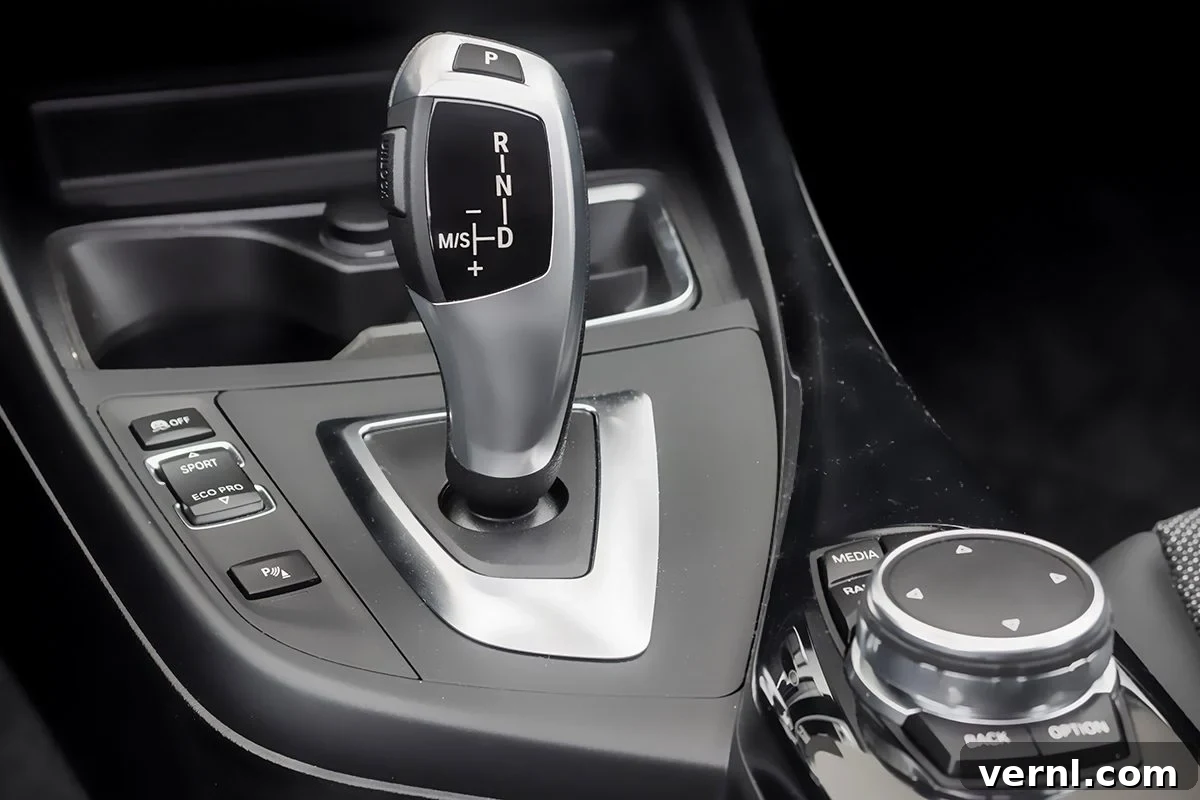
Mastering Your Ride: A Comprehensive Guide to Modern Vehicle Driving Modes
In the rapidly evolving world of automotive technology, vehicles are becoming far more intelligent and adaptable than ever before. Gone are the days when a car simply offered an engine, wheels, and brakes. Modern automobiles now boast a remarkable array of features designed to enhance safety, convenience, and — crucially — the driving experience itself. Among these innovations, driving modes stand out as a key differentiator, allowing drivers to tailor their vehicle’s behavior to suit specific conditions, preferences, or even moods. From optimizing fuel consumption to unleashing spirited performance, these customizable settings offer a new level of control behind the wheel.
The Evolution of Driving Modes: From Simplicity to Sophistication
The concept of altering a vehicle’s dynamics isn’t entirely new, but its execution has transformed dramatically. Early iterations, often seen in rugged off-road vehicles like classic Land Rovers and Toyota SUVs, involved a separate gear stick to manually engage four-wheel drive for challenging terrains. These were mechanical, straightforward systems designed for a specific purpose. However, the true revolution began with the advent of sophisticated onboard computers. Today’s driving modes leverage advanced electronic control units (ECUs) and a network of sensors and actuators to seamlessly adjust multiple vehicle parameters with the push of a button or a tap on a touchscreen. This shift from rudimentary mechanical levers to intelligent software-driven systems has made vehicle personalization accessible to a broader range of drivers, moving beyond just off-road enthusiasts to everyday commuters and performance seekers alike.
What Exactly Is a Driving Mode?
At its core, a driving mode is a predefined set of adjustments to your vehicle’s core systems, orchestrated by its onboard computer. As auto expert Alex Black explains, “Driving modes change how a car behaves by fiddling with variables such as throttle response, transmission behavior, suspension settings, and sometimes even steering feel.” This integrated approach means that selecting a different mode isn’t just a cosmetic change; it fundamentally alters the car’s character and response. These modes allow drivers to optimize their vehicle for a diverse array of situations, whether prioritizing efficiency during a city commute, comfort on a long highway journey, or exhilarating performance on an open road.
The magic behind these modes lies in their ability to manipulate various interconnected vehicle components. For instance, throttle response can be sharpened or softened, transmission shift points can be altered for quicker acceleration or smoother, more economical changes, and adaptive suspension systems can stiffen or soften for better handling or improved ride comfort. Even the power steering can be adjusted to provide a lighter feel for city maneuvering or a heavier, more controlled sensation at higher speeds. In some advanced vehicles, driving modes can also influence the air conditioning output to conserve energy, adjust regenerative braking aggressiveness in hybrids and EVs, or even modify the exhaust note to enhance the driving experience. Typically, drivers can access and activate these settings via the vehicle’s onboard computer touch screen, dedicated buttons on the dashboard, steering wheel, or transmission console, offering intuitive control over their car’s dynamic capabilities.
While many modes are becoming industry standards, some remain unique to specific vehicle types or manufacturers. For example, a plug-in hybrid might feature a “Save” mode designed to retain battery charge for later use, such as navigating low-emission zones or tackling steep inclines where electric power is advantageous. Such a mode would obviously not apply to a conventional gasoline-powered vehicle, highlighting the specialized nature of certain mode functionalities.
Unlocking Your Vehicle’s Potential: Exploring the Most Common Driving Modes
While nomenclature can vary between manufacturers, most modern vehicles offer a selection of common driving modes. Understanding what each does is key to maximizing your vehicle’s capabilities and enhancing your overall driving experience. Here’s a breakdown of the most popular options:
Normal Mode: The Balanced Default
As its name suggests, “Normal” mode is typically the default setting for most vehicles. When you start your car, or if you don’t actively select another mode, your vehicle will operate in this balanced state. It offers a compromise between performance, comfort, and fuel efficiency, making it suitable for everyday driving conditions. In Normal mode, throttle response is linear, gear shifts occur at moderate RPMs, and steering and suspension settings are neutral. It’s designed to provide a predictable and comfortable experience without emphasizing any single characteristic, much like a traditional car without selectable modes.
Eco Mode: Maximizing Efficiency and Savings
For drivers prioritizing fuel economy and environmental consciousness, Eco mode is the go-to choice. This mode is meticulously engineered to minimize fuel consumption or battery drain in electric vehicles (EVs). Auto expert Alex Black notes, “It dials back throttle response and might reduce air conditioning power to save fuel. Some hybrids and EVs also adjust regenerative braking here. Great in the city, not so great if you are in a rush.”
The mechanisms at play in Eco mode are diverse and sophisticated. The throttle pedal typically becomes less sensitive, requiring more pressure to achieve acceleration, thus discouraging aggressive driving. Transmission shift points are optimized to occur at lower RPMs, keeping the engine in its most efficient operating range. In vehicles with climate control systems, Eco mode might reduce the compressor’s power or optimize fan speed. Many modern engines also incorporate technologies like cylinder deactivation (where some cylinders shut down during light load cruising, as seen in Audi’s Eco Mode) or engine coasting, allowing the car to freewheel for short periods to save fuel. For hybrids and EVs, Eco mode often increases the aggressiveness of regenerative braking, maximizing energy recovery during deceleration. While highly effective for urban driving or long, steady commutes, Eco mode typically results in a less responsive, sometimes sluggish, driving feel, which might not be ideal when immediate power is required.
Sport Mode: Unleashing Performance and Agility
For those moments when you desire a more engaging and dynamic drive, Sport mode transforms your vehicle into a more aggressive and responsive machine. Black aptly calls this “fun mode.” It provides sharper throttle response, meaning even a slight input on the accelerator will result in a more immediate and powerful reaction from the engine. Transmission behavior is also significantly altered, with automatic gearboxes holding revs higher before shifting, allowing the engine to stay in its power band for longer. In vehicles with paddle shifters, Sport mode often grants more precise manual control over gear changes. The steering feel typically becomes heavier and more direct, offering enhanced feedback and a greater sense of control. “A few,” Black explains, “even firm the suspension for better handling.” This stiffer suspension reduces body roll during cornering, making the car feel more planted and agile.
Many performance-oriented vehicles also offer “Sport Plus” or “Dynamic” modes that push these parameters even further, sometimes reducing or even temporarily deactivating driver aids like traction control and electronic stability control (ESC) for a more unfiltered driving experience, though this is generally recommended only for experienced drivers in controlled environments like a track. While exhilarating, prolonged driving in Sport mode will invariably lead to increased fuel consumption due to higher engine RPMs and more aggressive acceleration. It also subjects engine and transmission components to greater stress, which could contribute to accelerated wear over time.
Comfort Mode: The Epitome of Refinement and Smoothness
Comfort mode, often found in luxury vehicles and those designed for long-distance travel, prioritizes a smooth, serene, and relaxing ride. This is Alex Black’s personal favorite, and for good reason. It primarily achieves this through softened suspension settings, which absorb road imperfections more effectively, creating a plush and insulated cabin experience. The steering typically becomes lighter, reducing effort during low-speed maneuvers and making long highway drives less fatiguing. Throttle response is also gentler, ensuring smooth and gradual acceleration and deceleration, minimizing jarring movements. “Sometimes, in cars with Active Noise Cancelation, the cabin acoustics get quieter, too,” Black adds, highlighting the holistic approach to comfort in premium vehicles. This mode is perfectly suited for long-haul highway cruising, daily commutes over uneven urban roads, or simply when you want to unwind and enjoy a peaceful journey, effectively turning your car into a tranquil sanctuary.
Terrain Modes: Conquering Any Landscape
For SUVs, trucks, and other off-road capable vehicles, Terrain modes are indispensable tools designed to enhance traction and stability across challenging surfaces. Alan Gelfand explains, “It has features like terrain response and adaptive air suspension to adjust the car’s handling when on sand or snow.” These specialized modes integrate various systems, including the four-wheel-drive system, traction control, stability control, throttle response, transmission mapping, and even ride height (if equipped with adaptive air suspension), to optimize the vehicle for specific low-traction environments. Common variations you might find include:
- Snow Mode: Reduces wheel spin on slippery surfaces by softening throttle response, starting the car in a higher gear, and carefully managing traction control to maintain grip.
- Sand Mode: Provides more wheel slip and modifies throttle mapping to maintain momentum in soft sand, preventing the vehicle from getting bogged down. It often loosens traction control slightly.
- Rock Mode: Designed for slow, precise crawling over rocky terrain. This mode typically uses a very gentle throttle response, engages low-range gears, and might activate differential locks for maximum traction and control. It can also increase ride height.
- Mud Mode: Similar to Sand mode but optimized for muddy conditions, allowing for controlled wheel slip to clear mud from tire treads while maintaining forward momentum.
Utilizing the correct Terrain mode dramatically increases safety and capability when venturing off the paved road, making treacherous conditions manageable and significantly reducing the risk of getting stuck.
Individual/Customizable Mode: Tailoring the Experience to You
For drivers who seek the ultimate level of personalization, many higher-end brands offer an “Individual” or “Customizable” mode. “Higher-end brands have insane, customizable modes in which you can change everything yourself,” says Black. This allows drivers to mix and match settings from other modes to create their perfect driving profile. For instance, you might want the sharp throttle response of Sport mode, combined with the light steering of Comfort mode, and the normal suspension settings for daily driving on varied roads. These granular adjustments are typically made through the vehicle’s central touchscreen interface, offering a detailed menu where you can independently configure parameters like engine response, transmission shifting, steering weight, suspension stiffness, and even exhaust sound, truly allowing you to create a bespoke driving experience tailored precisely to your preferences.
Beyond the Basics: Other Specialized Driving Modes
Beyond these core modes, some vehicles offer even more specialized settings to address unique driving scenarios. These can include:
- Track Mode: An extreme version of Sport mode, often found in high-performance sports cars, which further sharpens responses, stiffens suspension, and may fully disable certain electronic aids for maximum track performance.
- Wet Mode: Specifically designed for driving in heavy rain, this mode typically softens throttle response and enhances stability control to minimize hydroplaning and improve grip on slick roads.
- Tow/Haul Mode: Common in trucks and large SUVs, this mode adjusts transmission shift points to hold gears longer, providing more power for towing heavy loads and enhancing engine braking on descents.
- Valet Mode: A security-focused mode that limits vehicle speed, acceleration, and often disables infotainment features, perfect when handing over your car to a valet or service technician.
These specialized modes demonstrate the continuous innovation in automotive engineering, aiming to provide an optimal setting for virtually every conceivable driving situation.
Do Driving Modes Truly Make a Difference? Separating Myth from Reality
Despite the subtle nature of some adjustments, driving modes absolutely make a tangible difference in how a car performs and feels. This isn’t just clever marketing; it’s a direct outcome of sophisticated engineering. The car’s computer system acts as a central orchestrator, precisely adjusting throttle response to alter engine power delivery, manipulating suspension dampening for varying ride comfort or sportiness, and modifying power steering assist for different levels of feedback. These integrated changes collectively impact several key aspects of your driving experience: how quickly your car accelerates, how smoothly it handles bumps, how direct its steering feels, and critically, how efficiently it consumes fuel.
While the immediate impact of switching from Normal to Eco mode might be a slight reduction in responsiveness, the cumulative effect over a long commute is measurable fuel savings. Conversely, engaging Sport mode might not transform a family sedan into a race car, but the sharpened throttle and quicker shifts will undeniably provide a more exhilarating and engaging drive. The effectiveness of these modes is backed by advanced sensor data and computational models that continuously monitor vehicle behavior and road conditions, ensuring that the selected mode’s parameters are applied optimally to deliver the desired outcome. Drivers who actively experiment with and understand their vehicle’s various modes often report a significantly enhanced and more personalized driving experience.
Are You Harming Your Car by Using the “Wrong” Mode? Dispelling Common Concerns
A common concern among drivers is whether selecting the “wrong” driving mode could damage their vehicle. Fortunately, manufacturers design cars with robust systems that prevent harm from mode selection. You can safely switch between modes, even while driving, though for optimal practice and to feel the immediate effects, it’s often recommended to do so when the car is stationary or at a steady speed. The vehicle’s computer seamlessly transitions parameters without causing any sudden mechanical shock.
However, it’s important to differentiate between immediate damage and accelerated wear or suboptimal performance. Continuously driving in Sport mode, for example, encourages higher engine RPMs, more aggressive acceleration, and firmer suspension settings. While thrilling, this sustained high-stress operation increases fuel consumption and places greater demands on engine, transmission, and suspension components, which could potentially lead to premature wear over the long term compared to driving primarily in Normal or Eco modes. Similarly, driving on a smooth highway while in a dedicated Terrain mode (like Rock or Mud) would lead to underperformance, as the vehicle’s systems would be optimized for traction over rough ground rather than efficiency and stability at speed. While it wouldn’t cause immediate damage, it would result in a less comfortable ride, reduced fuel economy, and unnecessary stress on components designed for specific off-road challenges. The key is to match the mode to the driving conditions and your desired outcome for the most efficient and enjoyable experience.
Maximizing Your Driving Experience: Tips for Utilizing Driving Modes Effectively
To truly get the most out of your vehicle’s driving modes, consider these practical tips:
- Read Your Owner’s Manual: Every vehicle is different. Your manual provides specific details on what each mode does in your particular car and how to best use it.
- Experiment Safely: On a familiar road or in a safe, open area, try out different modes. Pay attention to how the throttle, steering, and suspension feel. This hands-on experience will help you understand their nuances.
- Match Mode to Conditions: If you’re stuck in city traffic, Eco mode can save fuel. For a spirited drive on winding roads, Sport mode enhances engagement. Long highway trips call for Comfort mode, while off-road adventures demand the appropriate Terrain setting.
- Consider the Long Term: While switching modes is harmless, consistent use of performance-oriented modes like Sport can impact fuel economy and potentially lead to faster component wear over many years. Balance enjoyment with practicality.
- Don’t Be Afraid to Customize: If your vehicle has an Individual mode, take the time to create a personalized setting that perfectly balances your preferences for different parameters.
The Future of Driving Modes: Intelligent Adaptation and Personalization
As automotive technology continues its rapid advancement, the future of driving modes promises even greater sophistication and personalization. We are already seeing the emergence of “adaptive” modes that use sensors to automatically adjust vehicle parameters based on real-time road conditions, traffic, and even driver behavior. Imagine a car that automatically switches to Eco mode in heavy traffic and then seamlessly transitions to Sport mode when it detects an open stretch of road. The integration of artificial intelligence (AI) and machine learning will further refine these systems, allowing vehicles to learn driver preferences over time and proactively suggest or activate the most suitable mode. Furthermore, with the rise of autonomous driving, driving modes may evolve to define passenger experience, dictating how the vehicle operates in self-driving mode—prioritizing efficiency, comfort, or timely arrival. The possibilities for truly intelligent and personalized driving experiences are boundless.
Conclusion: Embrace the Power of Choice Behind the Wheel
Modern driving modes are far more than just gimmicks; they are powerful tools that allow drivers to unlock their vehicle’s full potential. From optimizing fuel efficiency and enhancing ride comfort to delivering exhilarating performance and tackling challenging terrains, these intelligent settings offer an unprecedented level of customization. By understanding what each mode does and when to use it, you can transform your daily commute, embark on a more confident off-road adventure, or simply enjoy a more personalized and engaging drive. Take the time to explore your vehicle’s capabilities, experiment with its various modes, and truly master your ride.
Meet Our Automotive Experts
- Alex Black has been a car expert for more than 15 years, working at car auctions, vehicle history providers and elsewhere. He is currently the Chief Marketing Officer for EpicVIN.
- Alan “Ollie” Gelfand is the owner of German Car Depot, a Florida-based independent automotive service center specializing in the service and repair of German vehicles.