
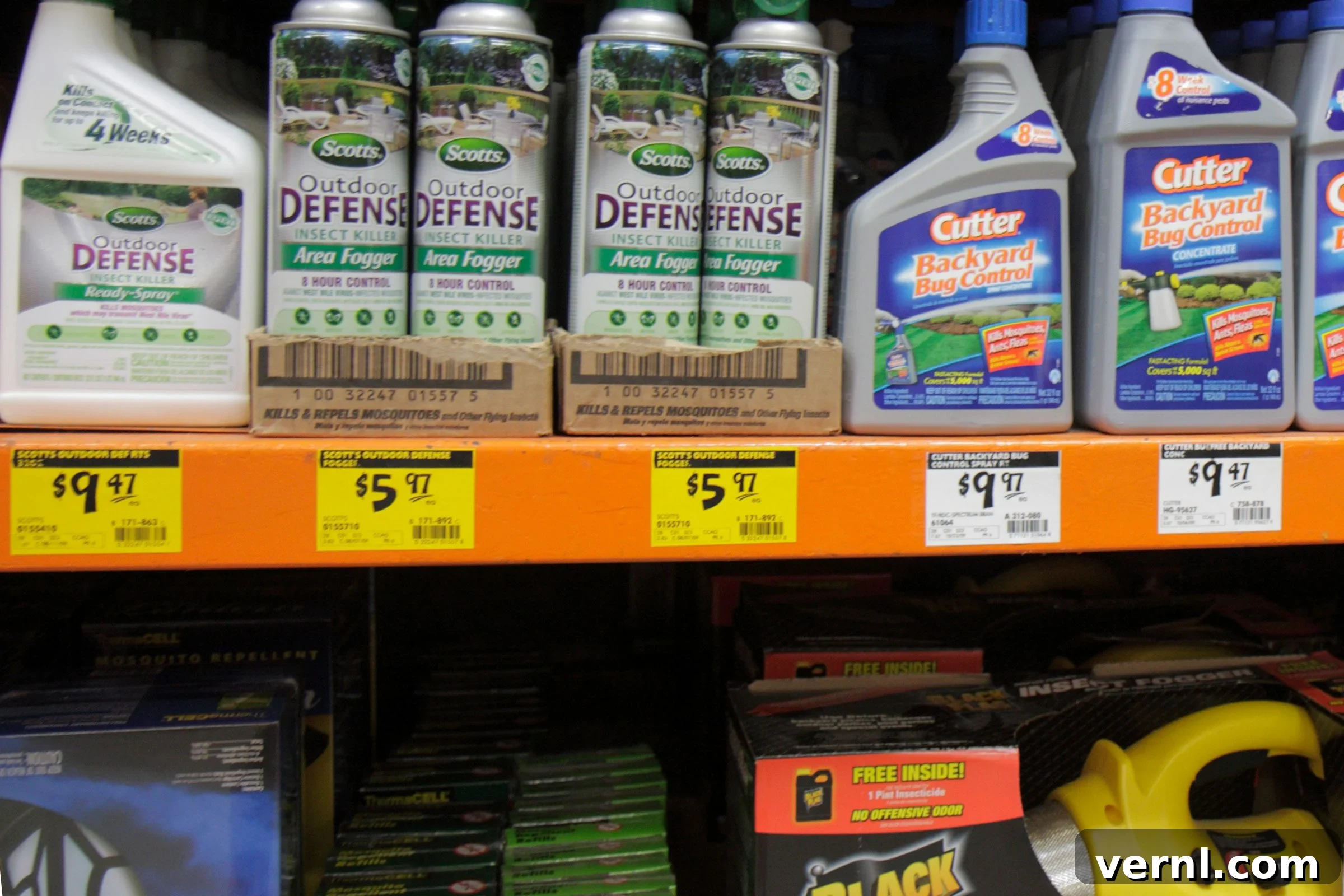
Unlock the secrets to significant savings at Home Depot by understanding their unique price tag conventions. Much like savvy shoppers decipher Target’s secret pricing codes or decode Costco’s price tag symbols, dedicated Home Depot customers can also gain an edge. This comprehensive guide will reveal a predictable pattern in Home Depot’s pricing, empowering you to confidently identify the absolute best deals the next time you browse for home improvement essentials. Prepare to transform your shopping experience from guesswork to strategic bargain hunting, ensuring you always get the lowest possible price on a wide array of products.
For any homeowner or DIY enthusiast, discovering ways to save money on tools, materials, and decor is invaluable. Home Depot, a retail giant in the home improvement sector, consistently offers opportunities for markdowns and clearance sales. However, truly maximizing these opportunities requires more than just spotting a yellow tag. It demands an understanding of the subtle clues embedded within each price sticker, particularly those ending in specific digits like a ‘3’ or a ‘6’. This insight is more than just a trick; it’s a strategic approach to retail arbitrage, allowing you to time your purchases perfectly and secure exceptional value.
You’re also sure to love these other Home Depot shopping tips to further enhance your savings and overall shopping efficiency.
Deciphering the Home Depot Price Tag Code: Your Ultimate Savings Hack
The Home Depot price tag hack is a simple yet powerful method for determining whether an item has reached its lowest possible price or if further reductions are still on the horizon. By familiarizing yourself with this easy-to-learn system, you can make informed purchasing decisions, ensuring you never overpay for a clearance item. This insider knowledge allows you to play the waiting game wisely, distinguishing between a good deal and the absolute best deal.
The Initial Markdowns: Good, But Not the Best
When products are first moved to the clearance section at Home Depot, they are typically identified by a bright yellow price tag. At this initial stage, the price will often end in .00, .98, or .50. While these prices represent a markdown from the original retail cost, they are generally not the final reduction. Savvy shoppers who understand this code will recognize that these items still have the potential for deeper discounts. If you encounter a product with one of these endings, it’s advisable to exercise patience, especially if the item isn’t an immediate necessity. This initial markdown serves as a flag, indicating that the item is on its way out, but not yet at its rock-bottom price.
These introductory clearance prices are part of Home Depot’s inventory management strategy, aiming to clear out slow-moving or seasonal stock. While tempting, buying at this stage means you might miss out on even greater savings later. Consider these tags as a ‘watch list’ rather than an immediate ‘buy now’ signal. By knowing this, you empower yourself to make smarter financial choices, distinguishing between a casual discount and a truly exceptional bargain.
The “Six-Week Rule”: A Solid Second Reduction
If an item doesn’t sell after its initial markdown, Home Depot implements a second round of price reductions. You can identify these items by a yellow clearance tag where the price ends in a .06. This specific ending is a crucial indicator for several reasons. Firstly, it confirms that the product has undergone two distinct price drops, meaning you’re already getting a significantly better deal than the initial clearance price. Secondly, and most importantly, the .06 signifies that the item will remain at this price point for approximately six weeks. This gives you a window of opportunity to purchase a great deal with a reasonable assurance that the price won’t change immediately.
For instance, imagine you spot a power tool originally priced at $79.99, now marked down to $34.56. The .56 ending reveals that this is its second reduction and that this price will hold for six weeks. This information is invaluable for project planning or for those who need a specific item but aren’t in a desperate rush. It strikes a balance between securing a good deal and waiting for the ultimate markdown. While a price ending in .06 is an excellent opportunity to save, remember that it’s not the final stop on the discount journey. It’s a strong contender for value, but there’s one more level of savings to explore.
The “Three-Week Final Call”: Your Lowest Price Guarantee
According to diligent shoppers and sources like TikTok user @andycole08, the holy grail of Home Depot clearance shopping is finding a product with a price tag ending in a .03. This is the ultimate signal that an item has reached its final markdown. When you see a yellow clearance tag displaying a price that ends with .03, you can be confident that you are looking at the absolute lowest price Home Depot will offer for that specific product. This mirrors the logic of the .06 convention, as items ending in .03 will remain at that price for three weeks. This is your cue to act fast!
This final reduction often represents a drastic discount from the original price, sometimes slashing costs by 70% or even more. For example, if you find a home decor item that was initially $45.99 marked down to an incredible $8.23, that .23 is your green light to purchase. This final three-week window is Home Depot’s last effort to clear inventory, making it the prime opportunity for bargain hunters. Products reaching this stage are typically items the store is eager to remove from its shelves to make room for new stock, ensuring you get unparalleled value for your money. Don’t hesitate when you spot these rare and highly coveted .03 tags.
Strategic Clearance Hunting: Where to Find the Best Deals
Knowing the price tag hack is only half the battle; the other half is knowing where to look for these incredible deals within the vast aisles of Home Depot. While clearance items can sometimes be scattered, there are prime locations you should always check first to maximize your chances of finding those coveted .03 and .06 tags.
Start your hunt at the end caps of aisles. These prominent displays are frequently used to showcase clearance merchandise, making them easy to spot. These areas are constantly rotated, so a fresh batch of deals could appear on any given day. Beyond the end caps, make sure to explore dedicated clearance aisles or sections, which are sometimes found near the back of the store or in seasonal departments. These zones are specifically designed to consolidate discounted items, making your search more efficient.
Don’t overlook the main aisles, however. Sometimes, clearance items are simply mixed in with full-price inventory, especially for products that still have a few units left but are being phased out. If you’re looking for a particular product and can’t find it on an end cap or in a clearance section, always check its regular aisle location. You might stumble upon a lone, heavily discounted item waiting to be discovered. Additionally, always keep an eye on overhead racks; sometimes larger items or bulk clearance are stored there. And remember to align your visits with the best time to go to Home Depot to ensure you have ample time to thoroughly peruse every potential clearance spot without feeling rushed.
Timing your visits can also play a role. Many stores tend to process markdowns early in the week, often on Mondays or Tuesdays. Visiting during these times might give you first dibs on newly discounted items before other shoppers discover them. Engaging with store associates, particularly those in specific departments, can also sometimes yield insights into upcoming clearance events or items about to be marked down. They often have the most up-to-date information on inventory movement.
Is the Home Depot Price Tag Hack Foolproof?
While the Home Depot price tag hack is remarkably reliable and has proven to be an invaluable tool for countless shoppers, it’s important to approach it with realistic expectations. No system is entirely foolproof. Occasionally, an item might be mismarked due to human error, or the pricing system could have a slight delay in updating. However, these instances are rare, and for the vast majority of items, this hack provides a highly accurate indication of its markdown status.
Success with this strategy also requires a degree of patience and a bit of luck. Waiting for a product to reach its lowest possible price (the .03 ending) means accepting the risk that someone else might purchase it before it gets there, or before your three-week window arrives. This is especially true for popular items or products with limited stock. It’s a delicate balance between holding out for the absolute best deal and ensuring you don’t miss out entirely on an item you genuinely need. For high-demand products, a .06 price might be a sufficiently good deal to warrant purchase rather than risking it.
To further minimize risk, if you spot an item with a .03 or .06 ending and are unsure, don’t hesitate to use an in-store price scanner to double-check the current price. You can also politely ask a store associate to verify the markdown status. This simple verification step can provide peace of mind and confirm your savvy discovery. Ultimately, by consistently applying this Home Depot price tag hack, you’ll accumulate significant savings on all your home improvement projects over time. It transforms shopping into an exciting treasure hunt, rewarding your keen eye and strategic approach with incredible bargains that make your projects more affordable and your budget stretch further.