
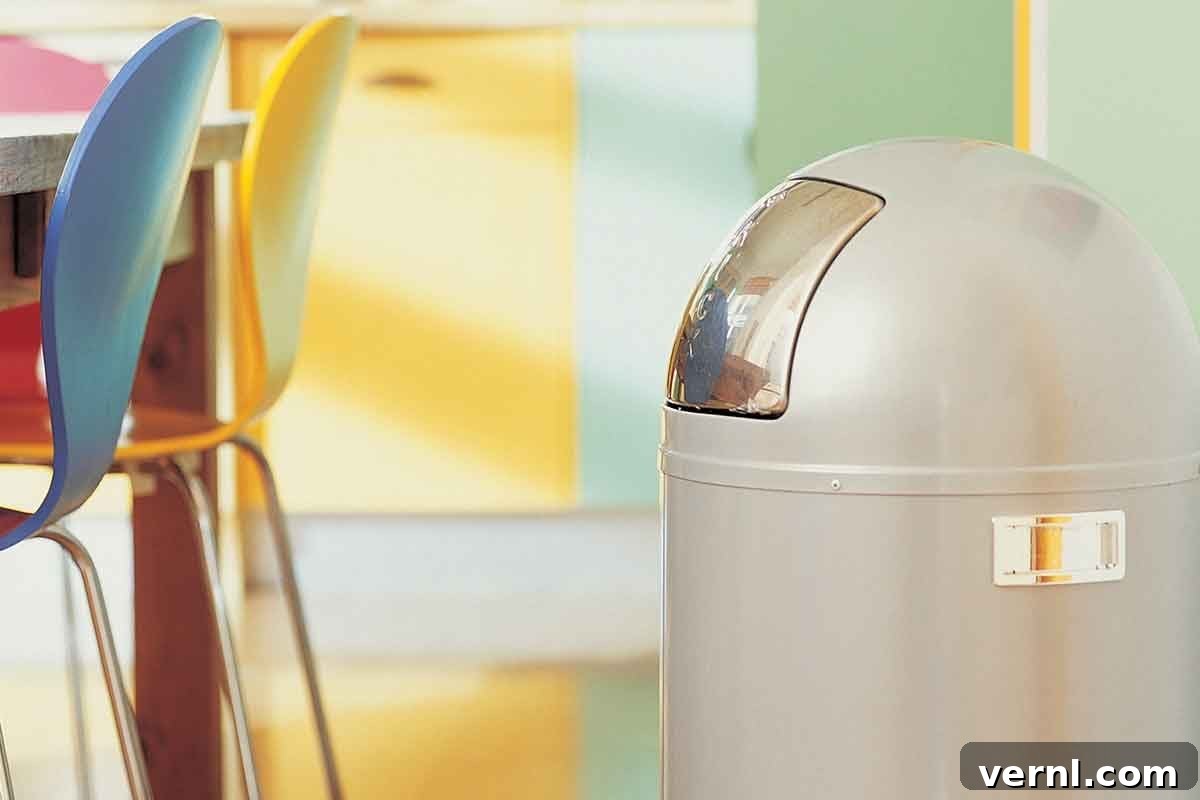
Even with diligent waste disposal, unwelcome odors can still escape your trash can, permeating your kitchen, garage, and other living spaces. A stinky garbage bin is more than just an annoyance; it can signal poor hygiene and even attract pests. Fortunately, mastering trash can cleanliness doesn’t have to be a complex chore. This comprehensive guide explores a variety of DIY methods and clever hacks, from simple household staples to advanced odor-fighting techniques, designed to disinfect your bins and eradicate disagreeable odors for good. Learn how to prevent unpleasant smells from taking over your home and solve those persistent stinky garbage can problems permanently.
Timely Take-Outs: The First Line of Defense Against Odors
One of the most effective strategies for preventing foul trash can odors is to adopt a proactive approach to waste removal. Instead of waiting until your bin is overflowing or completely full, make it a habit to dispose of rotten or particularly pungent rubbish as soon as it starts to emit an unpleasant smell. The quicker you remove the offending stench, the less chance it has to permeate the bin and the surrounding environment. This simple habit drastically reduces the build-up of odor-causing bacteria and decaying organic matter.
Furthermore, consider taking an extra step with wet waste. Items like food scraps, coffee grounds, and soiled paper products contain moisture that accelerates decomposition and fosters bacterial growth, leading to more intense smells. Wrapping such wet waste in newspaper or old paper bags before placing it in the trash can helps absorb excess moisture. This not only prevents liquids from leaking and creating a messy, smelly sludge at the bottom of your bin but also slows down the decomposition process, keeping odors at bay for longer. This habit is especially crucial for kitchen trash cans, which frequently house damp organic waste, making them prime candidates for developing persistent malodors.
Keep Up with Cleanings: The Foundation of a Fresh Bin
While it might seem like common sense, regular and thorough cleaning of your garbage pail is undoubtedly one of the most crucial ways to eliminate stubborn odors and maintain a hygienic home. Neglecting this essential task allows bacteria, mold, and mildew to thrive, turning your bin into a constant source of unpleasant smells. Establishing a consistent cleaning routine is paramount for effective odor control.
Immediate action is key for spills and sticky residues. As soon as you notice any liquid or food particles on the inside or outside of your trash can, wipe them off promptly. Allowing spills to dry and harden makes them much harder to remove and provides a breeding ground for bacteria. Additionally, every time you change the trash bag, take a moment to do a quick once-over with a disinfecting spray or wipe. This simple step sanitizes the interior surfaces, killing germs and preventing the immediate onset of odors before they have a chance to take hold. Look for sprays or wipes that are effective against bacteria and viruses to ensure a truly clean surface.
Beyond daily spot cleaning, a weekly deep clean is highly recommended. This involves washing away any disgusting gunk that accumulates at the bottom and on the lid before it has a chance to solidify and become truly problematic. Use a long-handled scrub brush and a solution of warm, soapy water (dish soap works wonderfully for cutting through grease and grime). For an extra layer of sanitation, you can add a splash of white vinegar or a mild disinfectant to your cleaning solution. Scrub all interior and exterior surfaces thoroughly, paying close attention to seams, crevices, and the underside of the lid where food particles often hide. Rinse the bin completely with clean water and allow it to air dry fully in the sun, if possible, as sunlight provides natural antibacterial benefits, before replacing the liner. This meticulous weekly cleaning routine is fundamental to maintaining a consistently fresh and odor-free trash can.
Baking Soda: The Versatile Natural Deodorizer
Embrace a fresh-scented kitchen and home with the tried-and-true power of baking soda, a remarkably versatile and eco-friendly deodorizer. Its unique chemical properties allow it to absorb and neutralize odors rather than just masking them, making it an indispensable tool in your fight against garbage can smells. This simple, inexpensive compound is a marvel for maintaining freshness.
One ingenious DIY method involves creating small baking soda pouches. Take small-sized coffee filters, fill each with a few tablespoons of baking soda, then secure them tightly with a rubber band. Place these little pouches at the bottoms of your waste bins, underneath the trash bag liner. The white powdery compound will work continuously to deodorize, absorb moisture, and neutralize the foul-smelling trash. Baking soda is also biodegradable, posing no harm to the environment upon disposal. For optimal effectiveness, remember to replace these small pouches monthly, or more frequently if your trash can experiences particularly heavy use or contains exceptionally pungent waste. This consistent application ensures a continuous defense against developing odors.
Charcoal Filter: Advanced Odor Absorption
For tackling even the most stringent and persistent stinks, activated charcoal stands out as one of the best and most effective solutions. This porous carbon material, specially treated with oxygen to increase its absorbency, acts like a sponge for airborne odor molecules. Its incredible surface area allows it to trap a vast array of unpleasant smells, making it a superior choice for serious odor control.
You can easily integrate activated charcoal into your waste management routine by purchasing store-bought charcoal-infused deodorizers. These products often come in convenient pouches or pads that can be discreetly attached under the trash can lid using adhesive, or placed inside cabinets and pantry doors where odors might also linger. They are remarkably safe, non-toxic, and incredibly effective at naturally absorbing and neutralizing a wide range of common household odors, including those from food waste, pet smells, mildew, and other general household funk. Many activated charcoal deodorizers are also reusable; simply reactivate them by placing them in direct sunlight for a few hours every month or so, extending their lifespan and making them a sustainable choice for maintaining a consistently fresh home environment. Their long-lasting effectiveness provides peace of mind, knowing your bins are continuously being purified.
Essential Oils: Aromatic Solutions for a Fresh Home
Harnessing the power of nature, essential oils offer a wonderfully aromatic and non-toxic approach to combating trash can odors. With just a few common household ingredients and your favorite essential oils, you can easily create an effective and pleasant-smelling odor-eliminating spray right at home. This DIY method allows for customization, letting you choose scents that uplift and refresh your living space.
A popular and highly effective recipe involves mixing one cup of distilled water with 1/2 cup of white vinegar, approximately two tablespoons of rubbing alcohol (which helps with evaporation and disinfection), and a blend of essential oils. For a potent odor-fighting and refreshing blend, consider using 10 drops each of lemongrass, lime, and tea tree oils, complemented by five drops of fir oil. Lemongrass and lime are known for their fresh, clean scents and antibacterial properties, while tea tree oil is a powerful natural disinfectant, and fir oil adds a crisp, invigorating aroma. Once mixed, pour this solution into a clean spray bottle. You can then lightly mist the inside of your trash can after emptying it, or spray directly onto the trash bag to neutralize smells. Remember, this is just one recipe; feel free to experiment with your favorite oil scents, such as eucalyptus, peppermint, orange, or lavender, to create your own signature fragrance that enhances your home’s ambiance.
Another incredibly simple and effective approach utilizes the concentrated power of essential oils directly at the source of the odor. Douse a cotton ball with 5-10 drops of your chosen essential oil (tea tree, lemon, or peppermint are excellent for deodorizing) and drop it directly at the bottom of a smelly pail, underneath the trash bag. The cotton ball will slowly release its fragrance, continuously neutralizing and masking unpleasant odors for several days, keeping your bin smelling fresh between cleanings. Replace the cotton ball every few days or as needed to maintain maximum effectiveness.
Separate Compostables: Targeting the Root of the Problem
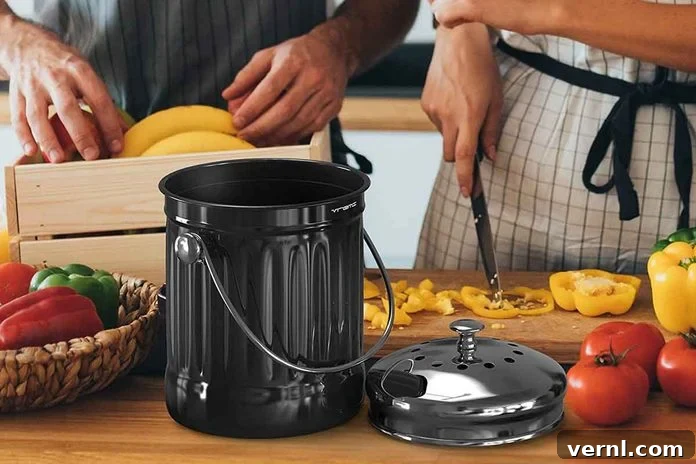
A significant portion of the most offensive smells emanating from your trash bin originates from decomposing food scraps. As organic materials break down, they release gases that are responsible for those notorious putrid odors. While the biggest culprits often include meat, fish, and soiled diapers, common plant and vegetable leftovers such as eggshells, potato skins, fruit peels (like banana peels), and other raw produce scraps are also major offenders, contributing substantially to the overall funk of a waste bin.
To effectively combat this pervasive putridness and implement a sustainable waste management practice, consider placing all your “organic” material in a separate, dedicated sealable compost caddy. These specialized bins are designed to contain odors and can be conveniently kept on your kitchen countertop for easy access or tucked away under the sink. Ideally, the contents of this caddy will eventually make their way to your garden’s compost heap, a municipal composting program, or a biodegradable recycling bin. This not only significantly reduces the organic load in your main trash can, thereby minimizing odors, but also promotes an environmentally friendly approach to waste disposal.
When using a compost caddy, it’s crucial to keep it out of direct sunlight and away from heat sources. Heat significantly promotes decomposition and bacterial formation, accelerating the fermentation process and intensifying the funkiness. A cool, shaded spot will help slow down the breakdown of organic matter, keeping smells contained until you can transfer the contents. Regularly emptying your compost caddy, ideally every day or two, is also essential for maintaining optimal odor control, especially during warmer months. This simple segregation of waste can dramatically transform the freshness of your kitchen and significantly reduce your environmental footprint.
Dryer Sheets: A Burst of Freshness
Those fragrant dryer sheets, typically used to soften clothes and reduce static, possess a delightful scent that makes them surprisingly effective at masking and neutralizing odors inside your trash container. Their pleasant aroma is a welcome change from the typical garbage smell, offering an immediate and noticeable improvement in freshness.
To deploy this simple yet effective hack, simply tuck one or two dryer sheets at the very bottom of your trash can, underneath the liner. As the trash accumulates, the dryer sheets will slowly release their fresh scent, actively working to cancel out rancid smells and absorb some of the goopy messes that might leak or spill. This provides a continuous burst of freshness that can last for several days, making your kitchen or utility area much more pleasant. An added bonus: dryer sheets are also famously great at deodorizing shoes, gym bags, and other small, confined spaces that tend to trap odors, showcasing their versatility as a household deodorizer. Replace the sheets weekly or whenever you notice the fresh scent diminishing.
Coffee Beans and Grounds: Aromatic Odor Neutralizers
If you’re among those who adore the rich, invigorating aroma of freshly brewed coffee, you’ll be delighted to know that coffee can be a powerful ally in your battle against trash can odors. Its naturally potent scent and absorbent properties make it an excellent, natural deodorizer, offering a two-pronged attack on unpleasant smells.
For a continuous sweet and nutty scent, consider placing a layer of fresh coffee beans at the very base of your trash can, beneath the liner. The beans will slowly release their beloved aroma, effectively masking and absorbing ambient odors. This method is particularly effective for bins that don’t accumulate too much moisture. Another ingenious odor-busting use for coffee involves repurposing your spent coffee grounds. After brewing, allow the grounds to dry completely – this is a crucial step to prevent mold growth. Once dry, scatter a thin layer of these spent grounds over your compostable waste within your main trash can or compost caddy until collection day rolls around. The dry grounds will help absorb moisture and neutralize many of the decomposition odors. Beyond odor control, spent coffee grounds are also fantastic as a natural indoor plant fertilizer, adding valuable nitrogen to the soil, and can even act as an outdoor garden pest repellent, deterring slugs and snails. This makes coffee a wonderfully sustainable and multi-functional household item.
Citrus Peels: Zesty Freshness and Natural Cleaners
When it comes to non-toxic and natural air fresheners, citrus zest reigns supreme. The vibrant peels of lemons, limes, and oranges are packed with aromatic oils that not only mask unpleasant odors but actively work to neutralize them, leaving behind a wonderfully clean and refreshing scent. This eco-friendly solution is both effective and delightfully fragrant.
To harness their power, simply slice off thin peels of lemon, lime, or orange skin – ensuring they are free of any fruit pulp to prevent stickiness – and place them directly on the floor of your trash cans, beneath the liner. As the oils evaporate, they will infuse the air with a bright, clean fragrance, counteracting any lingering garbage smells. The natural acidity and enzymatic properties in citrus also offer a subtle cleaning benefit. Don’t let any remaining rinds go to waste! Toss them down your garbage disposal. As they are ground up, the abrasive action of the peels, combined with their natural oils, helps to clean off the grinder blades, dislodge food particles, and leave your disposal smelling wonderfully fresh. This dual-purpose use of citrus peels makes them an excellent, zero-waste solution for maintaining freshness throughout your kitchen.
Cat Litter: An Unexpected Odor Absorber
Even if you don’t have a feline friend, borrowing some cat litter can be a remarkably effective and inexpensive hack for combating trash can odors. Cat litter is specifically designed to absorb moisture and encapsulate odors, making it a surprisingly powerful ally in your waste management routine.
To utilize this trick, simply pour a layer of clean cat litter, about an inch deep, at the very base of your trash can, underneath the trash bag liner. The litter will work diligently to absorb any liquids that might leak from your trash, preventing the formation of a smelly, sticky residue. More importantly, its highly absorbent granules will trap and neutralize odors, keeping humidity and unpleasant smells at bay for up to a week or even more, depending on the volume and type of waste. When the litter starts to clump or you notice a return of odors, simply toss it out with the rest of the trash and add a fresh layer. It’s an incredibly inexpensive, easy, and efficient way to fight the stink, turning a potential odor source into a neutral zone. For best results, use clumping, unscented cat litter to avoid mixing scents and for easier disposal.
Deodorizing Bags: Engineered for Freshness
For those seeking a convenient and integrated solution to trash can odors, specially designed scented or deodorizing garbage bags offer an excellent option. These bags are engineered with odor-neutralizing technology or infused with pleasant fragrances to help keep garbage cans smelling fresh and clean until you have a chance to chuck the contents, providing an ongoing layer of defense against developing smells.
When selecting deodorizing bags, consider brands that offer robust construction. Choosing garbage bags that are designed to resist tears, rips, and punctures is paramount. A strong, durable bag minimizes the chance of leaks and accidental ruptures, which are common culprits for spreading both messes and odors. Look for features like reinforced seams, thicker materials, or stretchable designs that can accommodate bulky or sharp items without tearing. Many scented bags also incorporate activated carbon or other odor-absorbing agents directly into the plastic, providing continuous odor control even when the bag is not full. While these bags offer a practical solution, they work best when combined with other preventative measures, such as timely waste removal and regular bin cleaning, to create a truly odor-free environment. They act as a proactive barrier, containing and neutralizing smells at the source, contributing significantly to overall home freshness.
FAQ: Your Questions About Odor Control Answered
Should I ever use bleach to get rid of garbage can smells?
While it is safe to use bleach for disinfecting and cleaning your trash can, it’s crucial to exercise caution. Before applying bleach, always ensure that it won’t damage or discolor the can’s finish or material. Bleach can be harsh on certain plastics and metals, potentially leading to etching or fading. Always properly dilute bleach according to product instructions (typically a 1:10 bleach-to-water ratio) and wear gloves and eye protection. Never mix bleach with other cleaners, especially ammonia-based products, as this can create dangerous toxic fumes. After applying, rinse the can thoroughly with clean water to remove all bleach residue and allow it to air dry completely. For a safer, more eco-friendly alternative, white vinegar is an excellent disinfectant and deodorizer.
What should I use to clean the lids and handles of my trash can?
The lids and handles of your trash can are high-touch areas that can accumulate grime and bacteria, contributing to overall odors. For routine cleaning, a simple solution of warm water mixed with a few drops of dish soap works wonderfully. Use a cloth or sponge to thoroughly wipe down all surfaces of the lid and handles, paying extra attention to crevices and hinges. Dish soap effectively cuts through grease and food residue. For added sanitization, especially after handling raw meat or other potential contaminants, you can also use disinfecting wipes or a disinfecting spray. Always remember to rinse thoroughly with clean water after cleaning with soap or disinfectants and allow the components to air dry completely before reassembling. Regular attention to these frequently touched parts is essential for comprehensive odor control and hygiene.