
Dual-Flush Toilets: The Smart Choice for Water Conservation and Savings
When the time comes to install a new toilet, homeowners are increasingly faced with a critical decision: should you opt for a traditional single-flush model or invest in a modern dual-flush toilet? This choice goes beyond mere aesthetics, profoundly impacting your household’s water consumption, utility bills, and environmental footprint for years to come. Since their innovative inception in the 1980s, dual-flush toilets have revolutionized bathroom efficiency, designed specifically to significantly reduce the amount of water used during each flush. They present a compelling argument for both ecological responsibility and economic prudence.
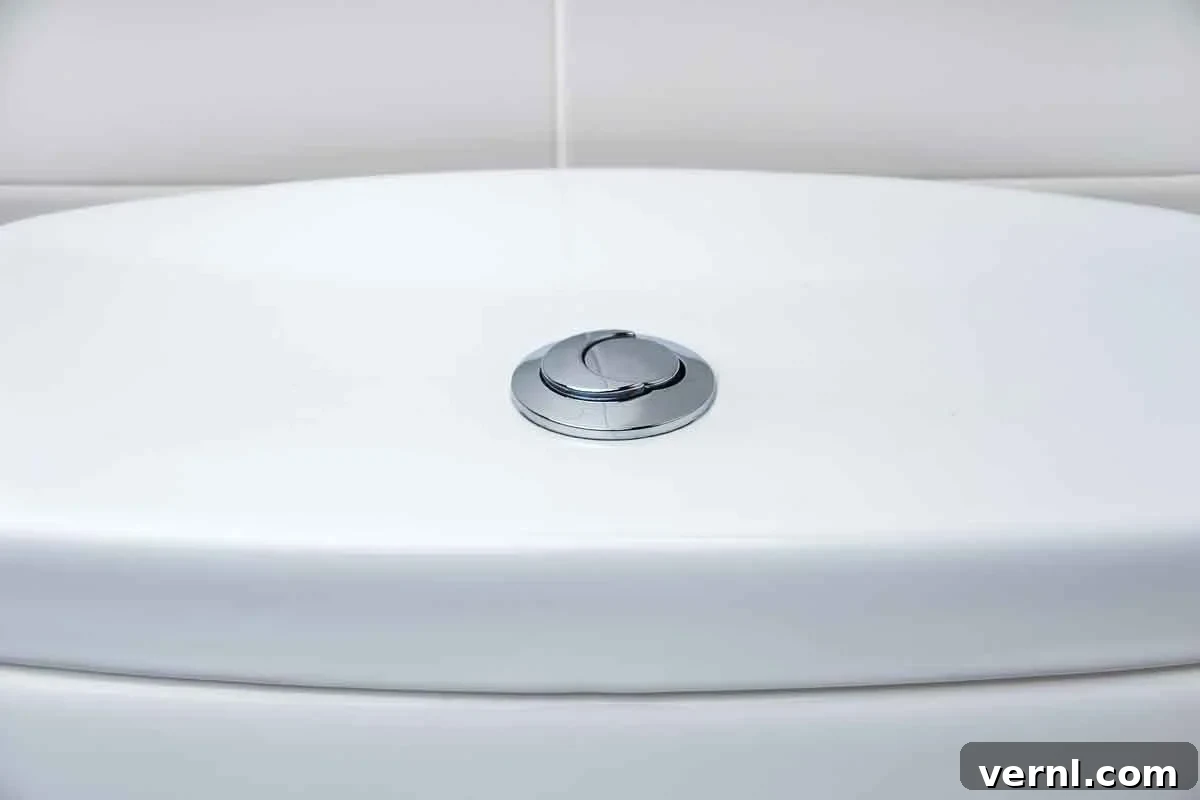
Distinguished by their unique two-button activation system, dual-flush toilets offer a tailored approach to waste disposal. One button is designated for liquid waste, employing a lighter, water-saving flush, while the other is for solid waste, utilizing a more robust, full-volume flush. This intelligent design allows users to conserve water with every use, leading to impressive savings. Studies indicate that this system can help reduce water consumption by up to 67 percent compared to older, less efficient models. Such substantial water savings directly translate into lower water bills, making the dual-flush toilet an attractive, eco-conscious investment for any modern home seeking to improve its water efficiency.
Understanding the Mechanics: How Does a Dual-Flush Toilet Work?
For those unfamiliar with this ingenious plumbing innovation, let’s delve deeper into the operational principles of a dual-flush toilet. The core concept revolves around providing two distinct flushing volumes: a “half flush” for liquid waste and a “full flush” for solid waste. When you press the liquid waste button – typically identifiable by a smaller size, a green color, or a single water droplet icon – the toilet performs a quick, low-volume flush designed to efficiently clear lighter contents from the bowl.
In contrast to standard toilets, which predominantly rely on a siphoning action to clear the bowl, dual-flush toilets operate using a different mechanism. Traditional toilets employ a siphon tube that fills with water upon flushing, creating a vacuum that pulls waste and water down the drain. This siphoning action continues until air breaks the seal in the tube, stopping the flow. It’s also why experts recommend you always flush with the toilet lid down, to contain aerosols and prevent the spread of germs.
Dual-flush systems, however, generally forgo the traditional siphoning tube in favor of a larger trapway. This wider, unobstructed passage allows waste to exit the bowl more quickly and efficiently, primarily by leveraging the power of gravity rather than relying on a siphoning vacuum. When flushed, the water and waste are simply pushed down the drain by the sheer volume and weight of the water, not by a protracted siphoning process. This gravity-fed design is crucial to their water-saving capability, as it ensures effective waste removal even with less water, for both the half- and full-flush cycles, preventing clogs while maximizing conservation.
Internal Components and Flushing Mechanism
The innovation extends to the internal tank components. Instead of a single flapper valve that lifts to release a fixed volume of water, dual-flush toilets typically feature a specialized flush valve system designed for variable water release. This system often uses two separate levers or push-buttons connected to a mechanism that opens the flush valve to different extents, or for different durations, precisely controlling the amount of water that enters the bowl. For the half flush, less water is released, while the full flush utilizes a greater volume. The strategically designed larger trapway complements this, ensuring that even the lower volume flush for liquid waste is powerful enough to maintain hygiene and prevent common issues, making them highly effective low-flow toilets.
Quantifying the Savings: How Much Water and Money Can You Really Save?
The most compelling argument for choosing a dual-flush toilet lies in its exceptional water efficiency and the subsequent financial benefits. As mentioned, these toilets can save an impressive average of up to 67 percent of water compared to older, inefficient models. To truly appreciate this impact, let’s delve into the specific numbers and comparisons.
Water Consumption Comparison
- Older Toilets: Many toilets installed before the 1990s were significant water guzzlers, often using a staggering 3.5 gallons per flush (gpf). Some very old models, pre-dating modern efficiency standards, even consumed as much as 7 gpf, contributing substantially to household water bills and environmental strain.
- Current Industry Standard: Thanks to regulatory changes and increasing environmental awareness, the standard for new toilets in many regions today is 1.6 gpf. This represented a considerable reduction from older models and was a significant step forward in water conservation efforts.
- Dual-Flush Toilets: These modern marvels push efficiency even further, setting a new benchmark for water-saving toilets. When averaging the full flush and the half flush, dual-flush toilets typically achieve an impressive average of around 1.28 gpf. Specifically, the solid waste (full) flush often uses approximately 1.6 gallons, mirroring the current standard, while the liquid waste (half) flush uses significantly less, often around 0.8 gallons. This intelligent design ensures that only the necessary amount of water is used for each specific type of waste.
Consider the cumulative impact of daily usage: the average person flushes approximately 20.1 gallons of water per day. If a household has multiple occupants and relies on older, less efficient toilets, this consumption can skyrocket rapidly. Upgrading to a dual-flush system can drastically cut this daily usage, contributing to substantial annual savings on your water bill. The cumulative effect of consistently using 0.8 gallons for most flushes instead of a consistent 1.6 gallons or more adds up quickly over time, making a significant difference in your household’s overall water footprint.
Financial Impact on Your Wallet
The direct correlation between reduced water consumption and lower utility bills is a major draw for homeowners considering an upgrade. Water rates vary significantly by location, influenced by factors like water availability, infrastructure costs, and local regulations. Generally, 1,000 gallons of water can cost anywhere between $2 to $3 in charges, and often more in areas experiencing water scarcity or high demand. Let’s do some simple calculations to illustrate potential annual savings:
- For an average person flushing approximately 6 times a day (totaling ~20.1 gallons/day):
- Old Toilet (3.5 gpf): If a toilet uses 3.5 gallons per flush, 6 flushes a day amount to 21 gallons. Over a year, this is roughly 7,665 gallons. At an average cost of $2.50 per 1,000 gallons, this equates to approximately $19.16 per year for one person, just for flushing.
- Standard Modern Toilet (1.6 gpf): With 1.6 gallons per flush, 6 flushes a day use 9.6 gallons. Annually, this totals about 3,504 gallons. At the same rate of $2.50 per 1,000 gallons, this would be approximately $8.76 per year.
- Dual-Flush Toilet (averaging 1.28 gpf): Assuming a typical mix of liquid and solid flushes, daily usage would be even lower, perhaps around 7.5-8 gallons. This equates to approximately 2,737 gallons per year. At $2.50 per 1,000 gallons, this drops to about $6.84 per year.
While the difference for a single person might not seem “huge” at first glance, imagine these savings multiplied by a family of four over a decade. The cumulative savings become substantial, easily offsetting the initial investment of a dual-flush toilet within a few years. Beyond direct water costs, using less water can also lead to indirect savings. For households with septic systems, reduced water usage lessens the strain, potentially extending their lifespan and reducing maintenance costs. For communities, lower water demand eases the burden on municipal water treatment plants and infrastructure, contributing to overall public utility efficiency.
Ultimately, the financial discrepancy might not seem staggering on a per-flush basis, but the compounded effect of reduced water consumption makes a significant difference for both your wallet and the environment. This is a crucial component of a larger strategy for home water conservation that benefits everyone, promoting a more economical and sustainable household.
Environmental Stewardship: Beyond Your Water Bill
The benefits of dual-flush toilets extend far beyond personal financial savings, contributing significantly to broader environmental conservation efforts. Water is a finite and precious resource, and responsible management is crucial for ecological balance, public health, and the sustainability of future generations. By choosing a water-saving toilet, you actively participate in several vital environmental initiatives:
- Preserving Freshwater Resources: Reducing household water consumption directly lessens the demand on local freshwater sources, which are often strained by population growth, agricultural needs, industrial use, and the increasingly severe impacts of climate change, such as droughts.
- Lowering Energy Consumption: Less water used means less energy required for the entire water cycle – from pumping raw water from its source, through complex treatment processes, to distributing clean water to homes, and finally, for collecting and treating wastewater. This translates directly to a smaller carbon footprint for your household and community, supporting broader goals for energy conservation and reducing greenhouse gas emissions.
- Protecting Ecosystems and Biodiversity: Less withdrawal from rivers, lakes, and underground aquifers helps maintain healthy water levels and flows vital for aquatic ecosystems, wetland habitats, and the diverse wildlife that depend on them. This contributes to biodiversity conservation and the overall health of natural landscapes.
- Supporting Sustainable Infrastructure: Lower overall water demand reduces the burden on municipal water and wastewater infrastructure. This can potentially delay costly infrastructure upgrades, allowing municipalities to allocate resources more efficiently and invest in other community improvements, fostering long-term urban sustainability.
Embracing dual-flush technology is a tangible and impactful step towards a more sustainable lifestyle. It aligns your home with modern eco-friendly practices, demonstrating a commitment to environmental responsibility and making a positive, measurable impact on the planet’s precious resources.
Advantages and Considerations of Dual-Flush Toilets
Key Advantages (Pros):
- Superior Water Efficiency: This is the paramount benefit, offering significant reductions in water usage compared to conventional toilets, leading to a smaller environmental footprint.
- Reduced Utility Bills: Direct and measurable savings on water bills, and often sewer bills, accumulate year after year, providing a tangible return on investment.
- Environmental Responsibility: By actively conserving water, you contribute to crucial water conservation efforts, reducing strain on natural resources and the energy grids associated with water treatment and distribution.
- Effective Waste Removal: Despite using less water for liquid waste, the larger trapway design inherent in many dual-flush models often ensures efficient and clog-free flushing, maintaining high standards of hygiene and performance.
- Modern Design and Features: Many dual-flush models come with contemporary designs, sleek aesthetics, comfort-height options, and other desirable features that enhance the bathroom’s functionality and visual appeal.
- Increased Property Value: An eco-friendly upgrade like a dual-flush toilet can be an attractive feature for potential buyers, highlighting the home’s efficiency and sustainability, thus potentially adding value.
Considerations (Cons):
- Higher Initial Cost: Dual-flush toilets can sometimes have a slightly higher upfront purchase price than the most basic single-flush models. However, this initial investment is typically recuperated through substantial long-term water savings.
- User Adaptation: New users might need a brief period to get accustomed to the two-button system and remember which flush to use for which type of waste. This learning curve is generally minor and quickly overcome.
- Maintenance Differences: While largely similar to standard toilets, the internal flushing mechanism of a dual-flush toilet is slightly more complex than a simple flapper valve. However, parts are readily available, and maintenance for common issues is generally straightforward for most homeowners or plumbers.
Choosing the Right Dual-Flush Toilet for Your Home
If you’re convinced that a dual-flush toilet is the right choice for your home, there are several important factors to consider when making your purchase. Taking these aspects into account will help you select the best model that meets your specific needs, budget, and aesthetic preferences. Beyond the obvious water-saving capabilities, think about:
- Gallons Per Flush (GPF) Rating: While all dual-flush toilets are designed for water efficiency, compare their specific average GPF ratings to identify the most efficient models on the market. Manufacturers often highlight these figures.
- Design and Style: Toilets come in a vast array of designs, from sleek, minimalist modern aesthetics to more traditional looks. Consider whether you prefer a one-piece or two-piece design, which can significantly impact ease of cleaning, installation, and the overall appearance of your bathroom. Learn more about the differences between one-piece and two-piece toilets here.
- Comfort Height: Many modern toilets, including a wide range of dual-flush models, are available in “comfort height.” This design feature raises the toilet bowl to a height similar to that of a standard chair (typically 17-19 inches from the floor to the top of the seat), making them easier and more comfortable to use for taller individuals, the elderly, or those with mobility issues.
- Bowl Shape: The shape of the toilet bowl is another crucial consideration. Elongated bowls, which are oval-shaped, generally offer more comfort. Round bowls, being more compact, are an excellent choice for smaller bathrooms where space is a premium.
- Brand Reputation and Reviews: Always research reputable brands known for quality, durability, and customer satisfaction in the plumbing industry. Reading product reviews from other consumers can provide invaluable insights into real-world performance, common issues, and the reliability of specific models.
- Budget: Dual-flush toilets are available across a wide range of price points. Set a realistic budget that balances the initial cost with the long-term savings, desired features, and overall quality you expect from your new toilet.
Taking the time to research these aspects thoroughly will ensure you make an informed decision and select a toilet that provides both exceptional efficiency and lasting comfort for many years to come. For more comprehensive guidance on what to look for, check out these helpful tips for buying a toilet.
Installation and Long-Term Care of Your Dual-Flush Toilet
Installing a dual-flush toilet is largely similar to installing a conventional toilet. However, if you’re not experienced with plumbing tasks, it is often advisable to hire a professional plumber. A professional can ensure proper sealing, secure connection to the water supply and drain line, and overall correct installation, preventing future leaks, operational issues, and costly repairs. For confident DIY enthusiasts, numerous resources and guides are available to walk you through the process of how to replace a toilet safely and effectively.
Once installed, maintaining a dual-flush toilet primarily involves regular cleaning and ensuring the flush buttons operate smoothly. While the internal mechanisms might be slightly more complex than those of older, single-flush models, they are designed for durability and ease of access for most common repairs or part replacements. Regular inspection for leaks and prompt attention to any performance issues will ensure its longevity. Remember, always maintain good bathroom hygiene, and as a best practice for overall cleanliness and to prevent the spread of germs and aerosols throughout the bathroom, it is highly advisable to always close the toilet lid when you flush.
Conclusion: A Smart Investment for a Sustainable Future
The decision to install a dual-flush toilet is more than just a simple plumbing upgrade; it represents a meaningful commitment to efficiency, tangible savings, and environmental stewardship. With their proven ability to dramatically reduce household water consumption, significantly lower utility bills, and minimize ecological impact, dual-flush toilets stand out as a smart, responsible choice for any homeowner looking to modernize their bathroom. They seamlessly blend innovative engineering with practical, everyday benefits, offering a simple yet powerful way to contribute actively to water conservation efforts without sacrificing performance or convenience.
As we increasingly prioritize sustainable living and seek ways to make our homes more eco-friendly, embracing advanced technologies like the dual-flush toilet becomes not just an advantageous option, but a clear and forward-thinking path towards creating a more resource-efficient, cost-effective, and environmentally conscious living space. Investing in a dual-flush toilet is an investment in your home’s future and the planet’s well-being.