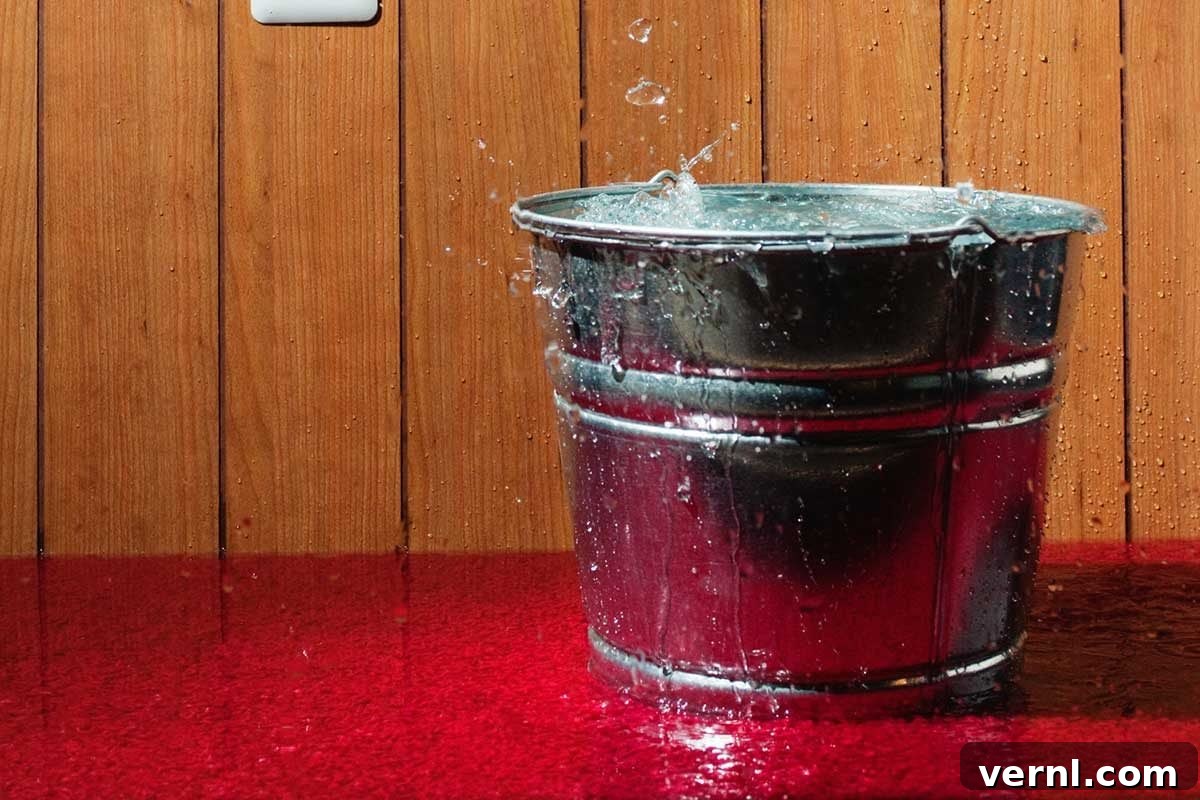
How to Dry Wet Carpet: Your Guide to Restoration and Prevention
A clean, dry carpet is a comfort. But when water finds its way onto your flooring, quick action is vital. Whether it’s a minor spill or a major leak, water can quickly damage your carpets and lead to unwanted problems. This comprehensive guide provides expert advice on how to dry wet carpet, prevent mold, and restore your home to its former glory. We’ll cover everything from assessing the situation to implementing effective drying techniques, saving you time and money.
Water can cause mold growth, odors, and damage to your carpet fibers if left unattended. This guide will provide you with the tools you need to avoid those issues.
Essential Tips for Addressing Wet Carpets
The key to successful carpet drying lies in swift action and a strategic approach. Here are some fundamental principles to keep in mind:
- Act Quickly: Time is of the essence. Mold can begin to grow within 24-48 hours. Remove moisture from the carpet as swiftly as possible to prevent mold and mildew growth, even if the spill seems small.
-
Don’t Forget the Pad: The carpet padding is a sponge for moisture. “Any carpet that has padding should be lifted,” says Diana Rodriguez-Zaba from ServiceMaster by Zaba. “Padding will take a long time to dry and it will generate a foul odor that will transfer to your carpet.”
The padding under your carpet can trap water. - Use Drying Tools Safely: Exercise caution when using fans, dehumidifiers, and other equipment. Keep appliances away from standing water, and ensure cords are not running across damp surfaces. Inspect electrical equipment for safety.
- Contact Your Insurance: For significant water damage (flooding, major leaks), contact your homeowner’s insurance company to determine if the damage is covered. Take photos for documentation.
- Utilize the Weather: Warmer, less humid weather, like summer or spring, can speed up the drying process. Opening windows for ventilation can also help. Keep in mind that professional services or equipment may be needed during monsoon and winter seasons.
Assessing the Situation: What’s the Damage?
Before you begin the drying process, it’s essential to assess the extent of the water damage. Consider these factors:
- Saturation Level: Is the carpet just damp, or is it completely soaked?
- Affected Area: Is the dampness localized to a small area, or is it spread across the entire room?
- Duration of Dampness: How long has the carpet been wet?
- Water Source: Was the water from a “clean” source (e.g., a broken water line) or a “dirty” source (e.g., a flood or sewer backup)?
The answers to these questions will guide your drying strategy. Now, let’s explore how to dry wet carpet under different circumstances.
How to Dry Slightly Damp Carpet
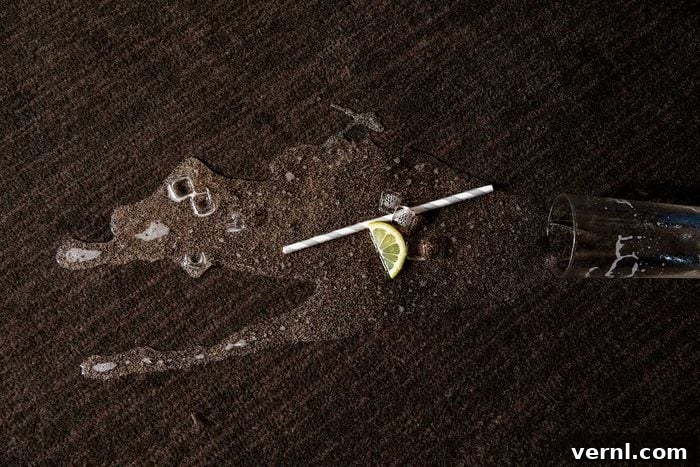
A minor spill, like a spilled glass of water or rain coming through an open window, requires immediate action. Here’s how to tackle it:
The good news is that drying a slightly damp carpet is usually a straightforward process.
Start by:
- Using a fan: Direct a fan at the wet area. This helps evaporate the moisture.
- Using a dehumidifier: A dehumidifier also helps to draw moisture out of the air, aiding in the drying process.
- Use Rags: “Get rags and lay them over your damp area,” advises Jen Stark from Happy DIY Home. “Weigh them down with heavy objects like books to soak up as much water as possible.” Remember to protect the heavy objects from the water.
- Hair Dryer: Use a hair dryer on a low setting to dry any remaining dampness. Be cautious not to hold the dryer too close to the carpet, as the heat could damage the fibers.
How to Dry Soaking Wet Carpet
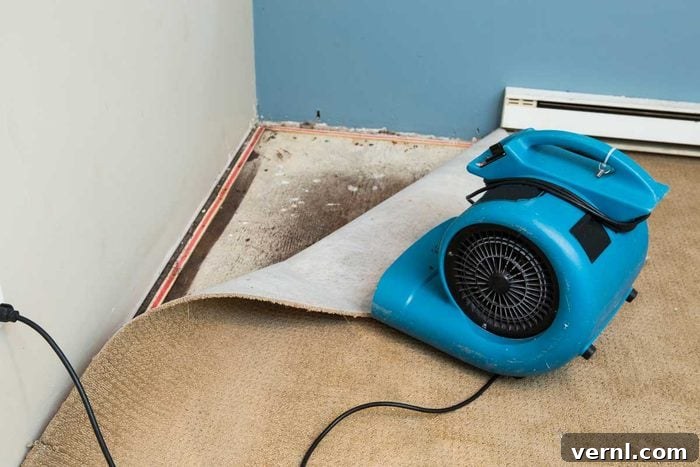
A burst pipe or flooding from a clean water source can cause significant damage. Here’s a step-by-step guide to tackling this situation:
While dealing with a burst pipe is unpleasant, at least you are not dealing with sewage or other contaminants. This is why it is important to take immediate action to prevent mold and odors.
If there isn’t too much water, consider the following DIY approach:
- Water Extraction: Rent a wet-dry vacuum from a local hardware store. Follow the instruction manual to ensure you have the right filters and accessories for liquid vacuuming.
- Remove the Padding: Lift the carpet and remove the wet padding. “You will need to tear out the wet pad as it will not dry once soaked,” says Rodriguez-Zaba.
- Replace Padding: Install new padding.
- Dehumidify and Ventilate: Run a dehumidifier in the room and open windows if possible. Running fans also helps. This can take several days, so be patient.
How to Dry Carpet After a Flood or Burst Sewer Pipe
The water source plays a crucial role in determining the course of action. Water from a burst plumbing pipe is generally classified as Category 1 (clean). If the water is Category 2 (gray water) or Category 3 (black water), it will require special handling.
Gray water, such as water from showers or sinks, contains some pathogens. Depending on the source, the carpet may be salvageable, but it is best to leave this to the professionals.
Black water (sewage) is extremely dangerous, containing harmful pathogens and bacteria. Flooding from natural disasters can also bring in unhealthy sludge. In these cases, it is crucial to remove and dispose of the carpet to protect your health.
For Category 2 (gray water) and 3 (black water):
- Safety First: Wear appropriate protective gear, including gloves and a mask.
- Disposal: Dispose of the contaminated carpet and padding properly. Check with your local waste management service for disposal guidelines.
- Professional Help: Contact professional water damage restoration companies for thorough cleaning and disinfection.
Professional water damage restoration companies use specialized antimicrobial treatments to safely clean and dry affected carpets.
Preventing Mold Growth After Carpet Gets Wet
Mold growth is a significant concern after water damage. Here’s how to minimize the risk:
- Act Fast: Dry the carpet thoroughly within 24-48 hours.
- Use Mold Prevention Sprays: Apply special sprays that inhibit microbial growth.
- Ensure Air Circulation: Keep the air circulating in the room for several days.
- Replace the Pad: If the padding is saturated, replace it immediately.
FAQ: Your Wet Carpet Questions Answered
Why shouldn’t I just let my carpet air dry?
Air drying leads to slow evaporation. This can cause mold, mildew, stains, and odors. Moisture gets trapped in the carpet fibers and padding, preventing proper air circulation. Using fans and dehumidifiers is a much faster and more effective approach.
How long does it take for mold to develop?
Mold can begin to grow within 24 to 48 hours. The speed depends on the environment; it grows faster in warm, humid places and slower in cool, dry ones.
What’s the fastest way to dry wet carpet?
Use high-powered fans and dehumidifiers. A wet-dry vacuum is also very helpful for extracting the bulk of the water. This combination creates airflow and significantly speeds up the drying process.
Can wet carpet be saved, or should it be replaced?
Most wet carpets can be saved if dried correctly and quickly (within 24-48 hours). In extreme cases of prolonged saturation or severe damage, replacement may be necessary.
How do I know if my carpet padding is dry?
Lift the carpet edges and feel the padding. If it feels wet or soggy, it needs more drying. A moisture meter can provide precise moisture readings.
What are the risks if a wet carpet isn’t dried properly?
Failure to dry a wet carpet properly almost guarantees mold, odors, and bacterial growth. It will also damage the carpet fibers and padding, potentially leading to irreversible damage and the need for replacement.
About the Experts
- Diana Rodriguez-Zaba is president of ServiceMaster by Zaba, a certified carpet cleaning company.
- Jen Stark is the founder of Happy DIY Home, an interior designer and experienced home improvement expert.
Source:
- EPA: “Mold Course Chapter 4”